




Georgian Tripod Torchere
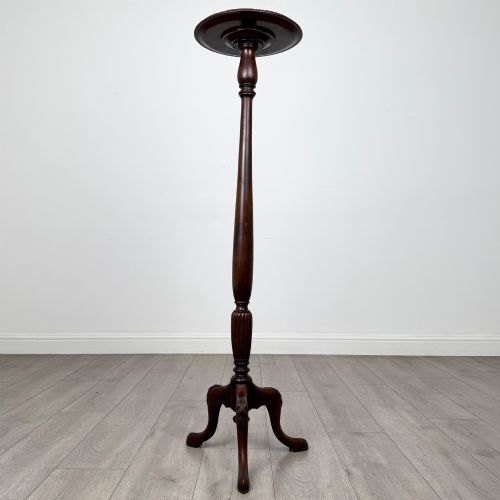
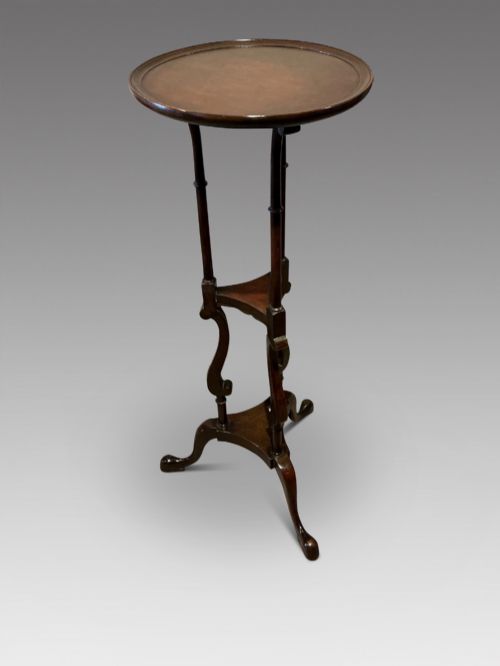
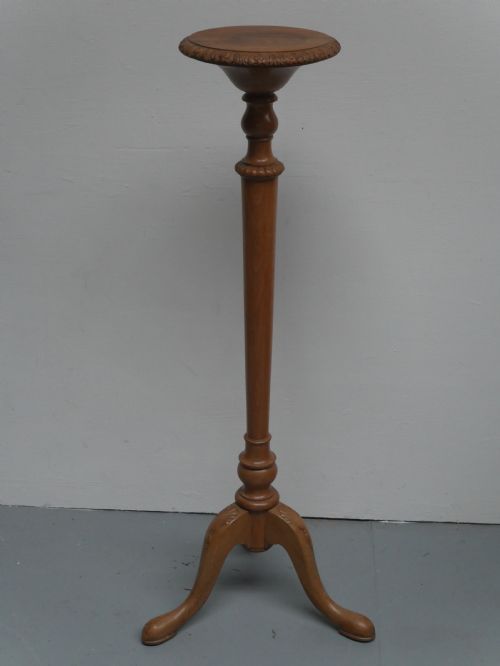
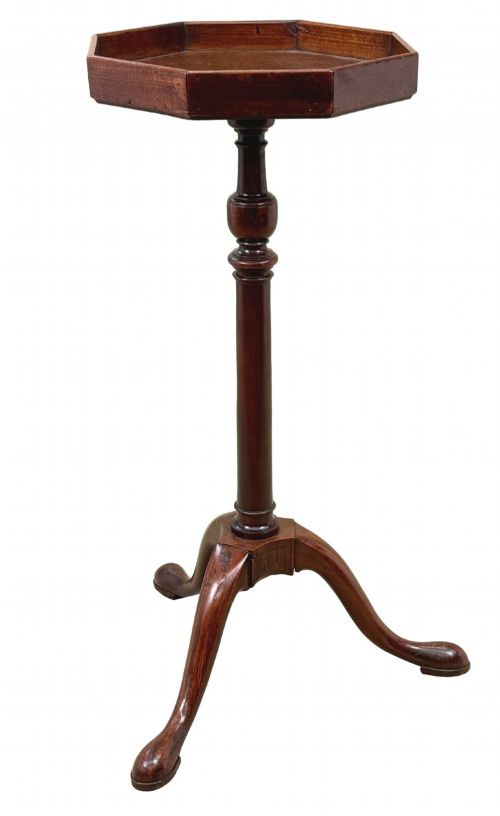
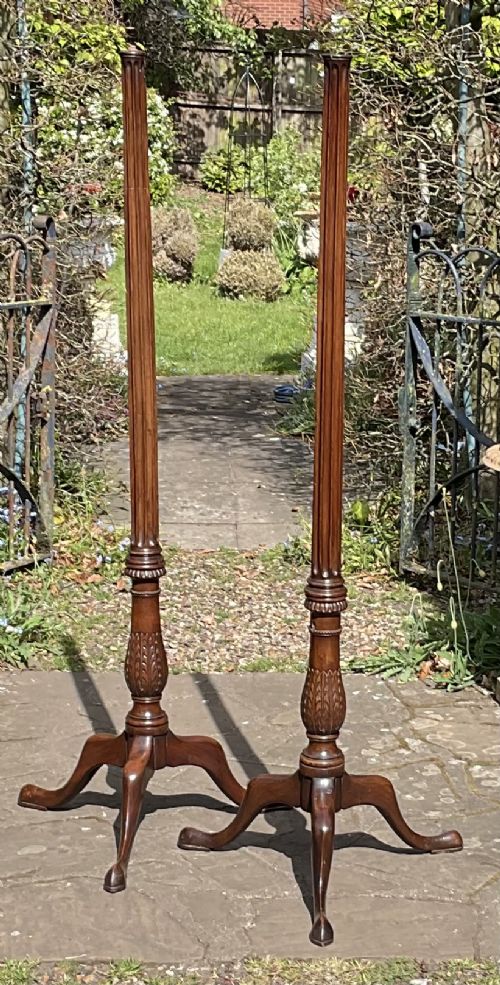
A georgian tripod torchere is a slender candle or plant stand, elevated on three legs to bring light or ornament to a corner.
Georgian Tripod Torchere
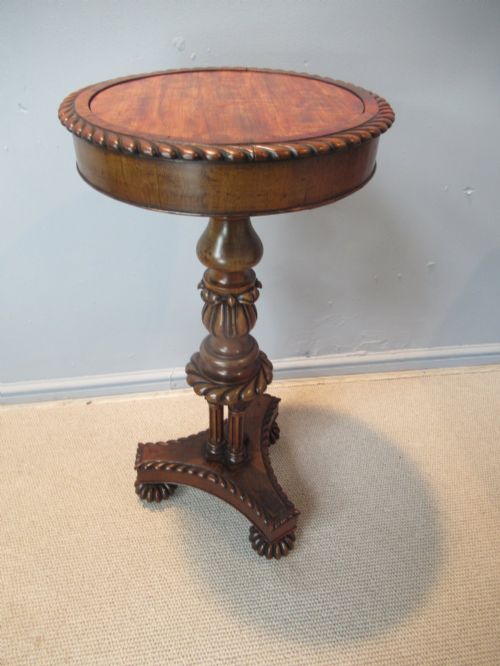
A georgian tripod torchere takes the form of a tall, elevated stand designed originally to hold lighting or ornamental objects. Buyers searching for a georgian tripod torchere encounter slender vertical pieces intended to occupy corners or empty spaces in a room.
The selections span authentic eighteenth-century examples through to later nineteenth-century revivals and early twentieth-century interpretations. Mahogany forms the backbone of these pieces, alongside walnut, oak, fruitwood marquetry, and gesso.
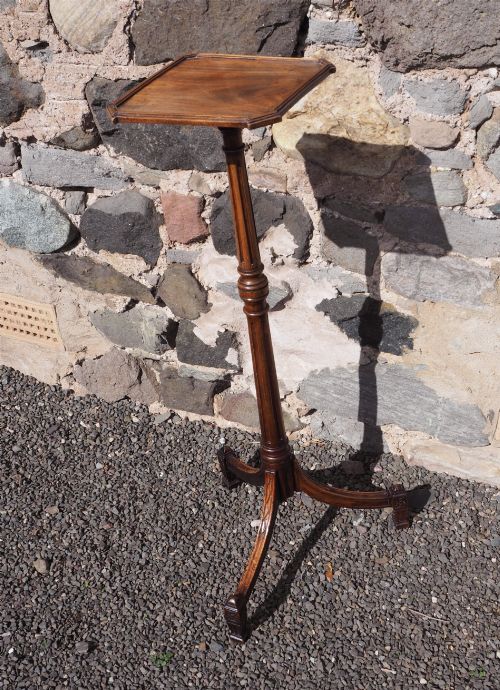
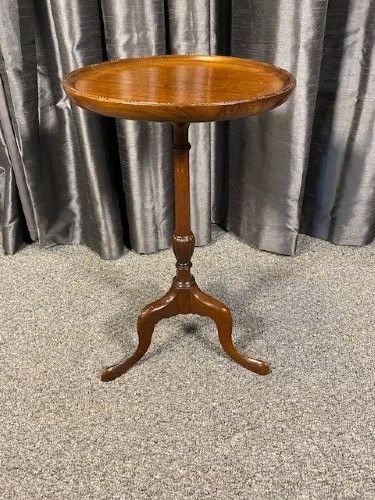
Makers fashioned these stands primarily as torcheres, candle stands, plant stands, and occasional tables. The tripod base provides stability for the slender shaft rising above it.
Construction and materials
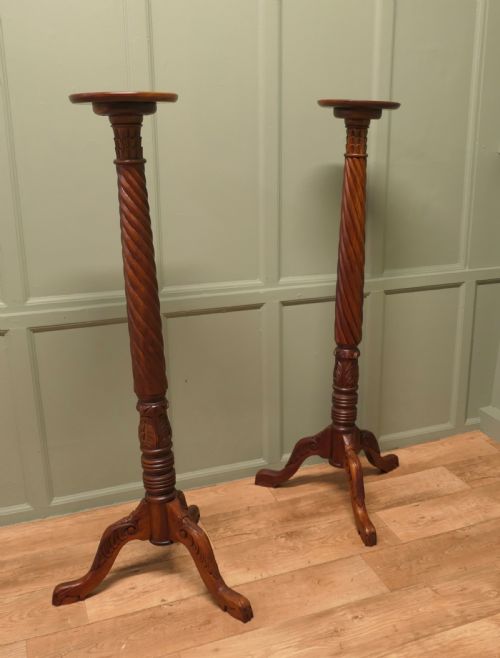
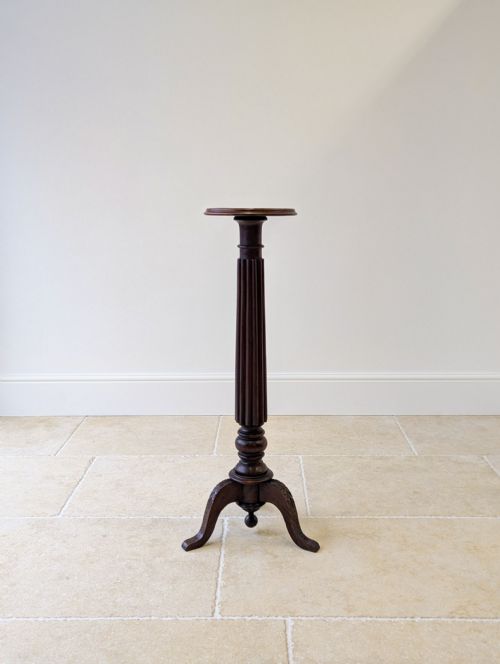
Carpenters utilised dense hardwoods like mahogany and walnut to support the vertical weight without bowing. Turning lathes shaped the central shafts into columns, rope twists, or fluted pillars.
Carving and marquetry added ornamental depth, utilising fruitwood inlays or gesso layers beneath gilt finishes. Joinery relied on sturdy tenons and pegging to anchor the three splaying legs firmly to the central stem.
Object classifications include standard torcheres, candle stands, plant stands, and occasional tables with tripod or pedestal bases.
Judging the range
Quality rests upon the crispness of the carved details and the proportional balance of the tripod base. Superior examples display deeply undercut foliage or sharp reeding on the column, while lesser pieces rely on shallow stamping or plain turnings.
The choice of timber dictates the visual weight, with well-figured mahogany or burr oak elevating the piece above standard utilitarian stock. Original surface patination and tight joinery at the leg junctions separate workshop masterworks from later volume reproductions.
The Georgian Tripod Torchere Glossary
- Torchere
- A tall stand designed to support a candle, lamp, or decorative urn. The form evolved during the seventeenth century and remained popular through the Georgian and Victorian eras.
- Tripod base
- A three-legged support structure that rests firmly on uneven floors. This configuration prevents rocking better than a four-legged base on antique timber flooring.
- Marquetry
- The art of applying decorative veneer pieces to a structure to form geometric or floral designs. Artisans used contrasting woods such as fruitwood to achieve tonal variation.
- Gesso
- A plaster-like mixture applied to wood surfaces as a smooth base for gilding or painting. It allowed craftsmen to carve intricate relief decoration before applying gold leaf.
- Rope twist
- A carved wooden pattern resembling the helical strands of a rope. Cabinetmakers turned this motif onto the central columns of stands during the nineteenth century.
Georgian Tripod Torchere: Frequently Asked Questions
What is a georgian tripod torchere used for?
These stands originally held candles or rushlights to illuminate dark corners of panelled rooms. Today, collectors utilise them as plant stands, sculpture pedestals, or occasional lamp tables.
Their slender profile allows them to occupy small wall spaces where a traditional table would prove too bulky. They remain a practical method for displaying decorative objects at eye level.
How do I date a wooden torchere?
Dating relies on examining the timber species, tool marks, and stylistic motifs present on the column and feet. Eighteenth-century pieces frequently feature solid mahogany with hand-carved tripod legs, whereas later revivals incorporate machine turnings.
Secondary woods hidden underneath also provide clues regarding the period of manufacture. Comparing the construction techniques against documented furniture styles helps narrow the decade.
Are all these stands made of mahogany?
Mahogany forms the majority of the available inventory, prized for its strength and rich grain. However, makers also turned to walnut, oak, fruitwood, and gesso-coated timbers.
Regional preferences and changing stylistic revivals influenced the choice of material across different decades. Oak and fruitwood frequently appear in country house pieces and marquetry examples.
How stable is a tripod base?
A three-legged base maintains contact with the floor even when the surface is slightly uneven. This engineering principle makes tripod furniture inherently steady compared to four legs that might wobble.
However, the tall and narrow proportions of a torchere mean heavy objects placed on top require careful centring. Placing them away from heavy foot traffic protects the slender legs from accidental knocks.