
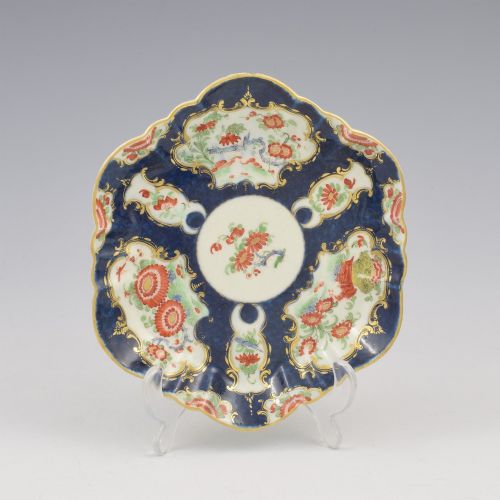
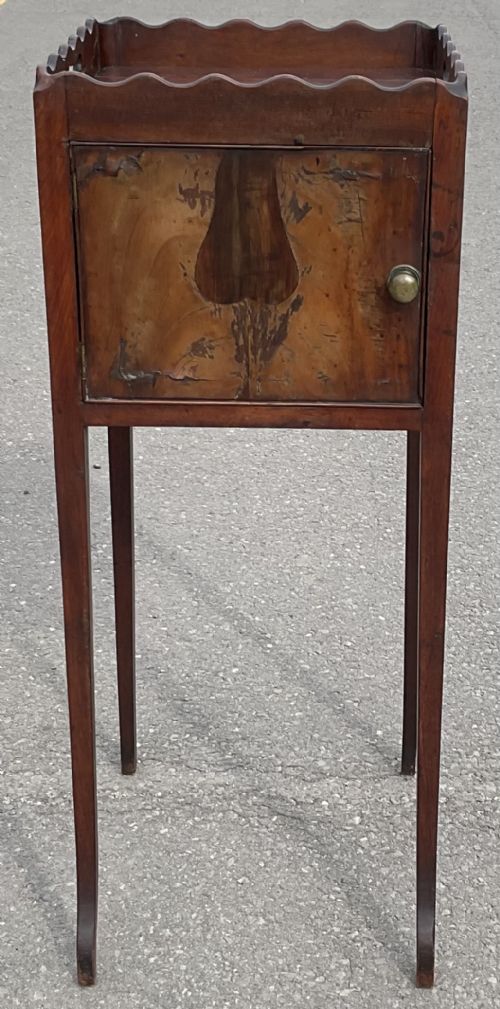


Scalloped Tray Stand
A scalloped tray stand pairs a raised edge top with a stable base, offering a practical surface for serving and display.
Scalloped Tray Stand
When searching for a scalloped tray stand, buyers encounter a mix of occasional furniture, serving items, and display pieces from various periods. The selection spans the eighteenth century through the twentieth century, covering styles from Georgian rococo to art deco and arts and crafts.
The forms on this page include occasional tables, tray tables, teapot stands, bedside cabinets, mirrors, lazy susans, torcheres, candlesticks, and marquetry tables. Some items feature trays mounted on later stands, combining separate elements into a single functional piece.
Materials and construction
Makers utilised woods such as mahogany, hardwood, and thuyawood, alongside metals like brass and iron. Papier-mâché appears alongside soft-paste porcelain, enamel, and gold leaf, showing diverse manufacturing traditions.
Joinery methods range from simple tripod frames to inlaid marquetry work and carved supports. Pieces often combine a removable or fixed tray top with a dedicated stand structure.
A revolving lazy susan allows afternoon tea guests to share condiments without reaching across the mahogany.
Quality differences
The distinction between standard examples and superior pieces rests on the choice of timber and the precision of decorative details like inlay or carving. Cohesion between the tray and its stand also influences the overall integrity of the piece.
Original matching components generally hold more interest than later adaptations, while the finesse of the surface finish and hardware execution marks the standard of the maker's workshop.
Gillows·Benhan and Froud
The Scalloped Tray Stand Glossary
- Marquetry
- Decorative veneer work arranged in geometric or pictorial patterns. It adds visual texture to flat wooden surfaces on tables and stands.
- Tripod
- A three-legged support structure used for stability on small tables and candle stands. This design prevents rocking on uneven floors.
- Torchere
- A tall stand designed to hold a candle or light source. These pieces elevate illumination to eye level in a room.
- Papier-mâché
- A composite material made from paper pulp or layers of paper mixed with glue, then moulded and lacquered. It provides a lightweight yet durable surface for decorative trays.
Scalloped Tray Stand: Frequently Asked Questions
What is a scalloped tray stand?
It is a piece of furniture featuring a raised, curved edge tray paired with a supporting stand or table base. These items function as portable serving surfaces or decorative display tables.
The design allows the top to be lifted or kept stationary, depending on whether the tray is fixed to the frame or removable.
How were tray stands used?
Historically, tray stands served tea, coffee, or refreshments in formal rooms, allowing servants to transport items easily. They also functioned as occasional tables for holding books, decorative objects, or lighting.
In modern settings, they work well as side tables, bedside surfaces, or plant stands where a compact footprint is required.
Are the trays removable?
Some trays lift off their bases entirely, reflecting the original purpose of carrying items from kitchen to parlour. Other examples are permanently fixed to their stands for added stability.
Checking the construction reveals whether the top was designed to detach or remain secured to the legs.
How do I date these pieces?
Dating relies on identifying timber types, construction techniques, and stylistic markers associated with specific periods like the Georgian or Edwardian eras. Secondary woods, fixings, and wear patterns offer further clues.
Comparing the decorative motifs with documented examples helps narrow down the decade of manufacture.