




Georgian Torchere
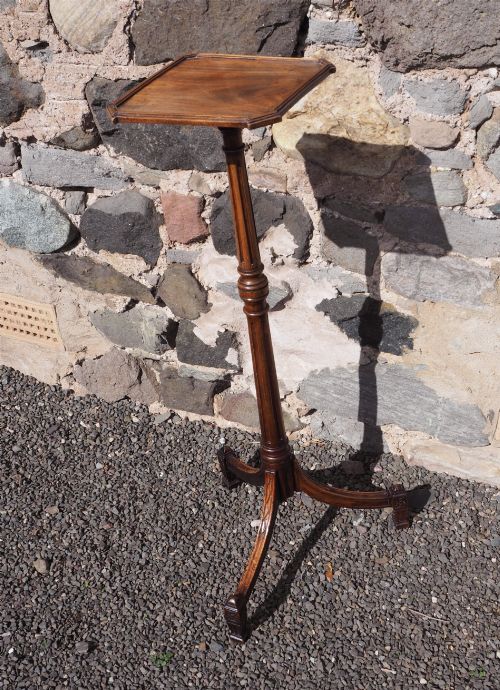
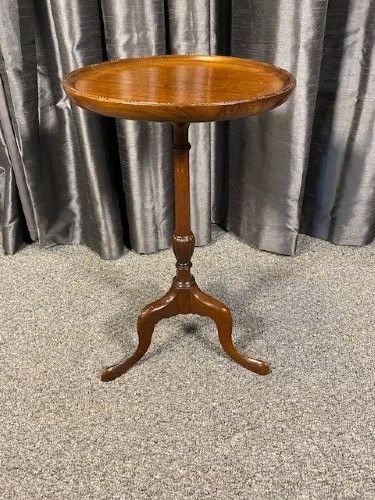
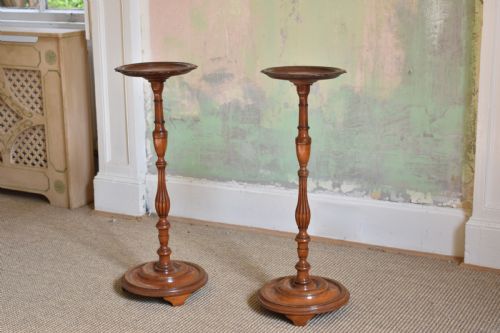
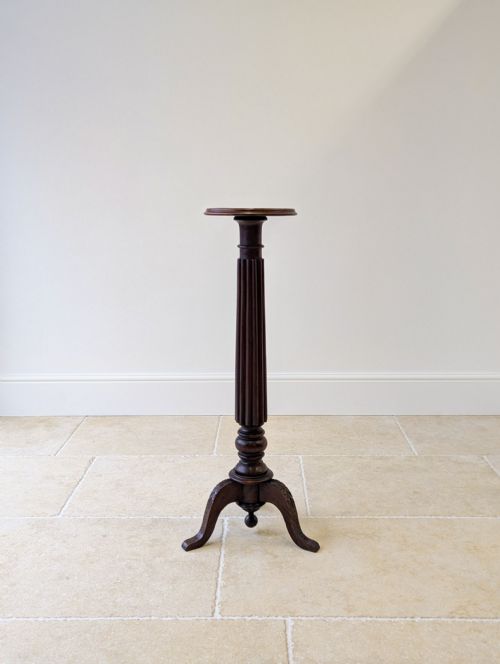
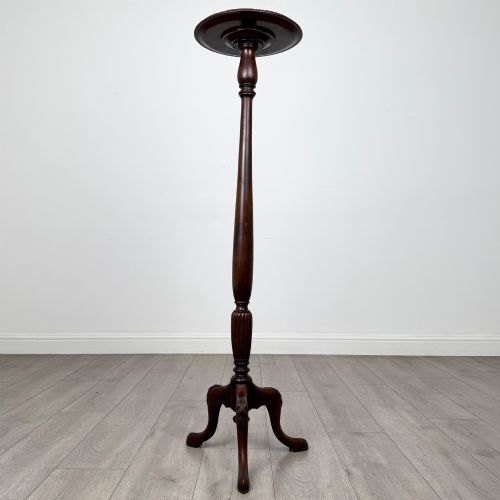
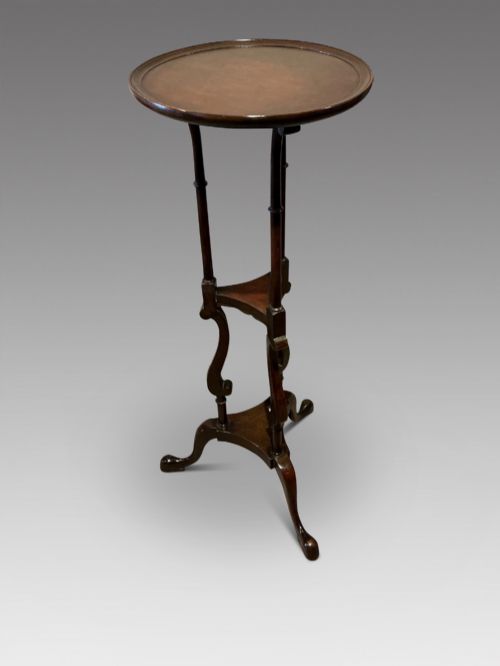
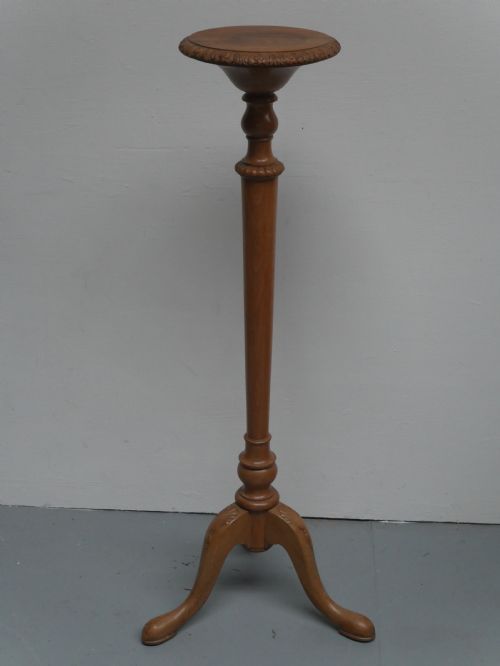
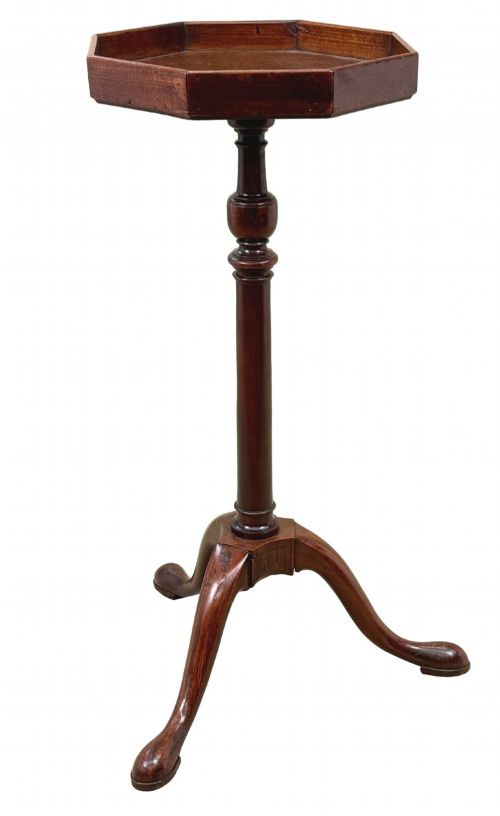
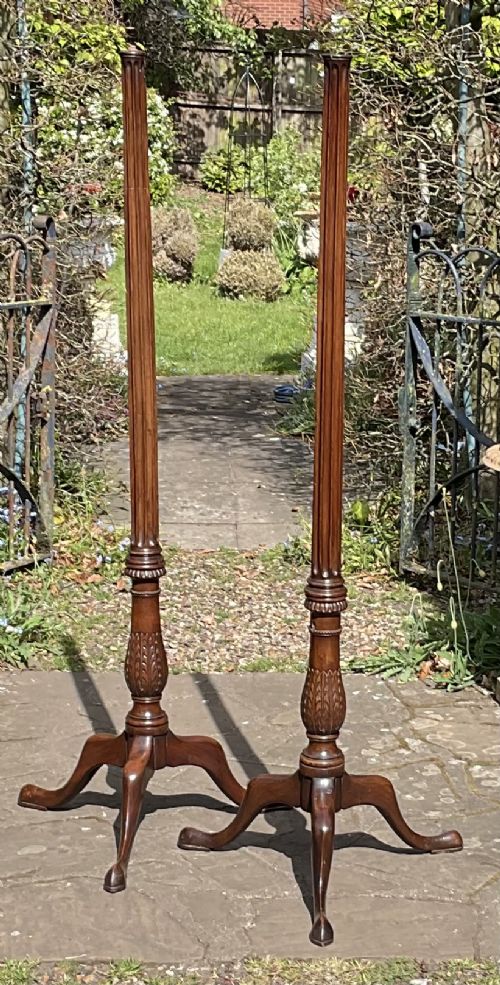
A georgian torchere is a tall, slender stand made to hold a light or display an ornament, bringing height and proportion to a room.
Georgian Torchere
When you search for a georgian torchere, you are looking at tall, slender stands originally designed to hold candles or lamps. The versions you are most likely to meet on this page span the eighteenth century and the nineteenth century, alongside later revival pieces.
Materials and construction
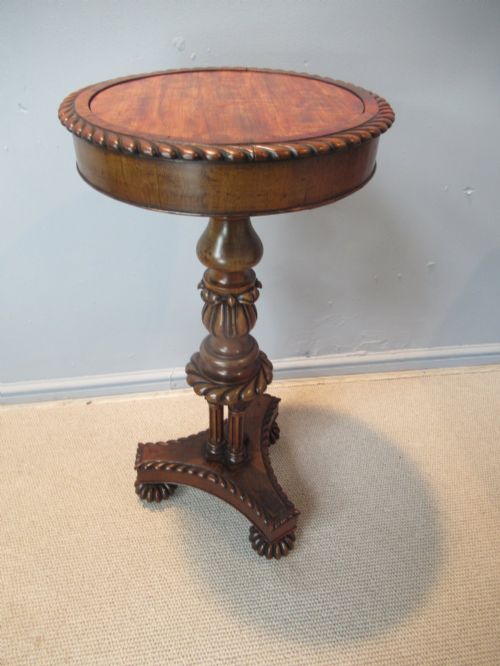
Makers relied heavily on dense hardwoods such as mahogany and walnut, turning and carving the timber to achieve slender stems and stable bases. Gesso, gold leaf, and brass also appear on specific decorative examples.
Joinery techniques included turned columns mounted to sturdy tripod or triform feet, often decorated with carving or inlay.
Listings span the eighteenth, nineteenth, and twentieth centuries, incorporating Georgian, Regency, William IV, Victorian, and Edwardian periods.
What separates the best from the rest
Quality rests in the crispness of the carved details and the choice of timber, with figured mahogany or burr oak marking out finer examples. The balance between a slender height and a heavy, stable base dictates the structural integrity of the piece.
Humphrey Hopper
The Georgian Torchere Glossary
- Torchere
- A tall stand designed to support a candle, lamp, or decorative object.
- Triform
- A base featuring three sides or three feet, commonly found on freestanding stands to ensure stability.
- Marquetry
- Decorative inlay work using various woods to create floral or geometric patterns on the surface.
- Gesso
- A plaster-like material applied to wood surfaces as a smooth base for gilding or painting.
- Pedestal
- A support or base for a statue, urn, or plant stand, often sharing forms with torcheres.
Georgian Torchere: Frequently Asked Questions
What was a georgian torchere used for?
These stands originally held heavy wax candles or oil lamps to illuminate dark corners of reception rooms.
Over time, their primary use shifted toward displaying decorative ornaments, busts, and tall indoor plants.
How do I tell an 18th century piece from a later copy?
Look closely at the timber grain, tool marks, and the natural wear accumulated on the feet over centuries. Eighteenth-century examples display hand-carved details and period joinery methods rather than machine-cut precision.
Revival pieces from the Victorian era and the twentieth century often use heavier proportions or stylistic details borrowed from Adam and Chippendale designs.
Where should I place a torchere in a modern room?
A tall stand fits naturally into an empty corner, beside a fireplace, or framing a doorway to add vertical interest. They serve well as pedestals for trailing plants or sculptural lamps.
Ensure the base rests on a level surface since their slender height makes them vulnerable to tipping if disturbed.
What woods were used for these stands?
Mahogany and walnut dominate the surviving examples, valued for their strength and rich grain patterns. Cabinet makers also utilised oak, satinwood, rosewood, and yew wood for specific commissions.
Some decorative stands feature gilded gesso surfaces or painted finishes rather than exposed wood.