
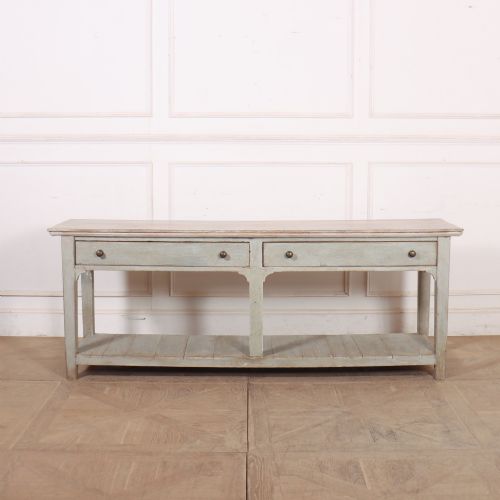


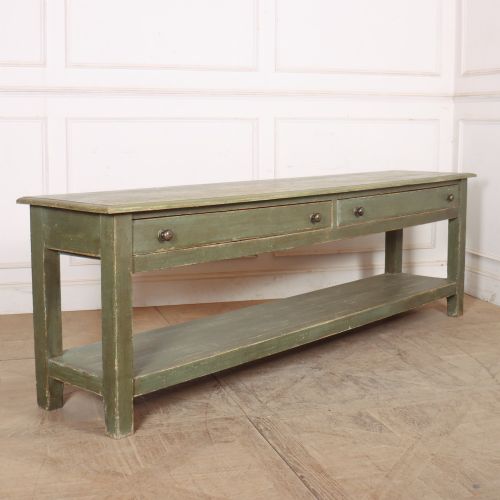


Georgian Timber Server
A georgian timber server brings solid proportions and warm grain to a room, offering practical surface space alongside lasting utility.
Georgian Timber Server
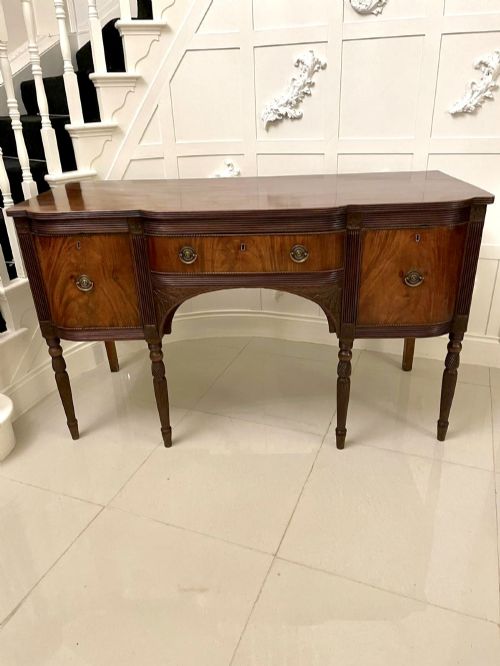
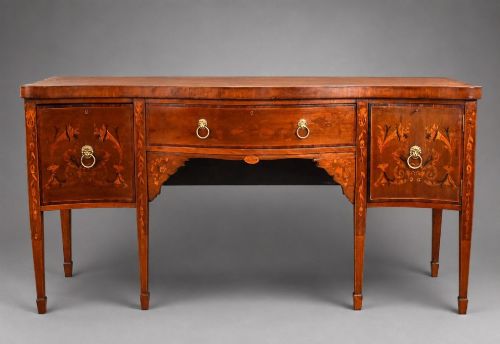
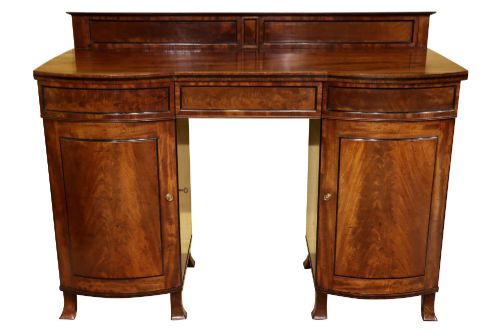
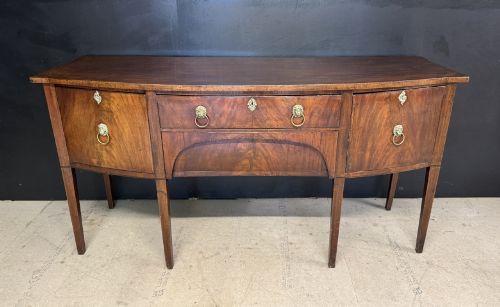
When searching for a georgian timber server, buyers encounter a sturdy collection of sideboards, serving tables, and dresser bases spanning the eighteenth and nineteenth centuries. These forms reflect provincial utility and formal dining design alike, ranging from simple country pieces to serpentine fronted examples.
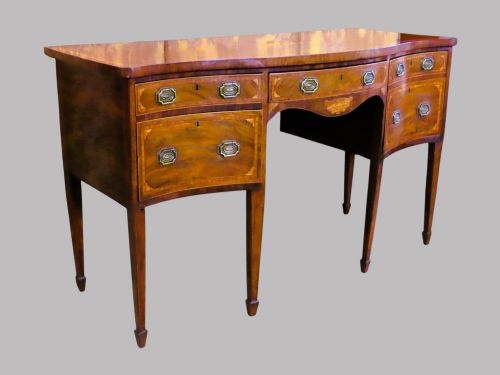
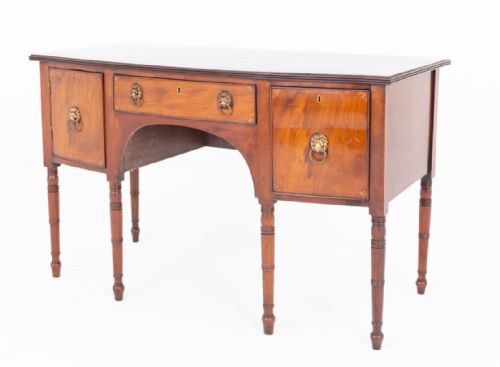
The pieces appearing here include styles from George III and Regency periods alongside rustic country furniture. Most examples lean towards mahogany construction, though painted timber, sycamore, and walnut variants also emerge across the listings.
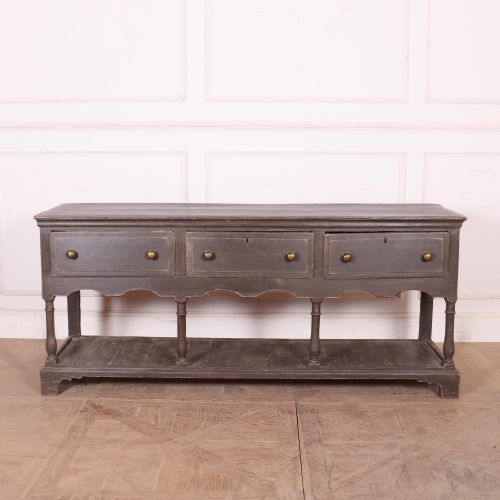
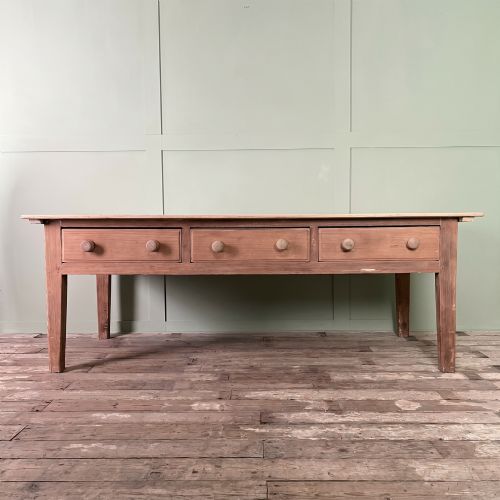
Forms vary from bowfront cabinets with inlaid details to open potboard bases and low tables designed for kitchen or dining room service. Each item serves as a functional storage or display piece rooted in historical domestic spaces.
How they were made
Makers utilised solid timbers alongside veneers, applying flame mahogany and burr elm across primary surfaces while relying on pine and secondary woods for internal structures. Brass hardware and boxwood stringing provided structural accents and decorative borders.
Construction techniques combined traditional joinery with surface treatments ranging from polished timber finishes to painted country applications. Cabinetmakers shaped serpentine and bowfront profiles using precise hand-sawing and timber bending methods.
Design styles range from formal George III and Regency serpentine pieces to rustic country house dresser bases.
What varies in quality
Quality rests in the selection of wood grains, where finely figured mahogany and deliberate boxwood stringing elevate a piece above standard utility items. The crispness of inlaid borders and the harmonious proportion of serpentine curves indicate superior cabinetmaking skill.
Subtle differences in hardware integration and the stability of drawer construction separate refined dining room furniture from robust country workshop pieces. Original timber patination and honest wear through centuries of service distinguish better preserved examples.
The Woodworkers Ltd Kilkenny·Gillow
The Georgian Timber Server Glossary
- Serpentine
- A front profile curving outward in the centre and inward at the sides. This shape demands precise woodworking skill to execute properly.
- Bowfront
- A convex curved cabinet front projecting outward in an arc. This design softens the corners of dining room furniture.
- Potboard
- An open lower shelf fitted beneath a dresser base or serving table. Historically, it held heavy pots and kitchen ceramics.
- Stringing
- Thin inlay lines of contrasting wood set flush into the surface. It frames drawers and tabletops with subtle geometric detail.
- Lowboy
- A small side table featuring one or more rows of drawers beneath the top. These versatile pieces functioned in various domestic rooms.
Georgian Timber Server: Frequently Asked Questions
How do I use a server in a modern home?
These pieces function well in dining areas for serving food or storing tableware. They also fit into hallways and living rooms to provide surface display space.
Their substantial timber construction grounds a modern interior while offering deep storage drawers.
What is the difference between a sideboard and a serving table?
Sideboards typically incorporate enclosed cupboards and drawers designed for holding cutlery and linen. Serving tables often feature open frames or potboards beneath a flat top intended for food presentation.
Both forms share similar proportions and historical origins in the dining room.
How do I identify a George III piece?
George III pieces often display figured mahogany timbers, symmetrical brass pulls, and sometimes boxwood stringing or serpentine fronts. The proportions reflect classical eighteenth-century design standards.
Construction details like hand-cut dovetails help confirm the period.
Are painted finishes original?
Painted timber surfaces appear on specific country pieces and dresser bases within the selection. These finishes often reflect regional vernacular traditions rather than formal cabinetmaking standards.
Examining the paint layers helps determine whether the finish dates to the period of manufacture.