
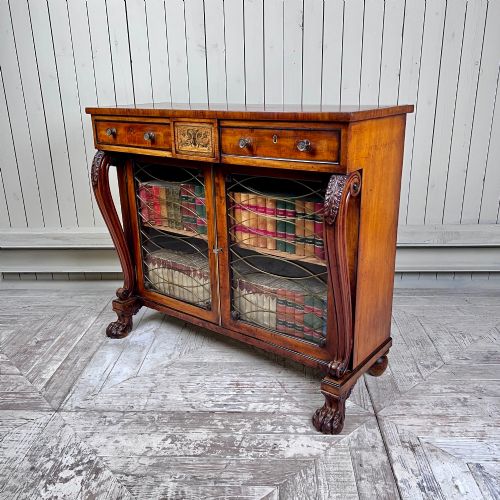
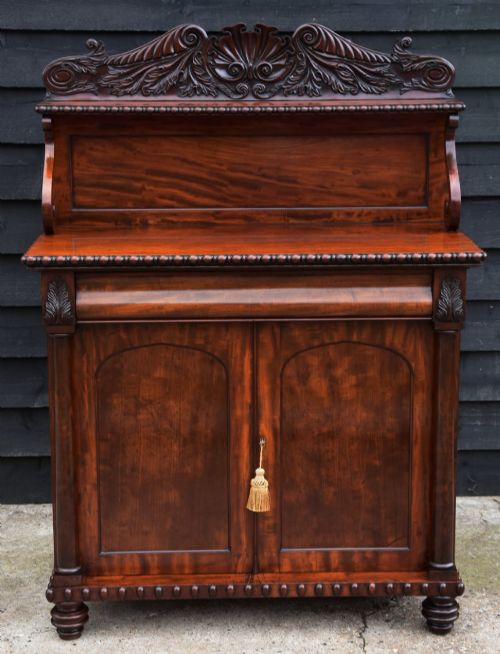
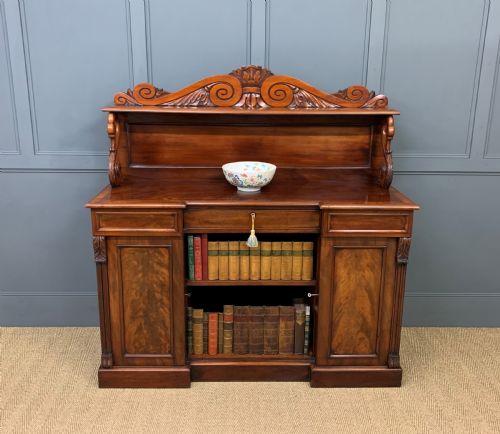
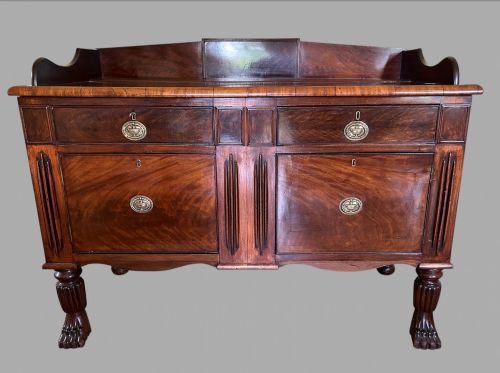
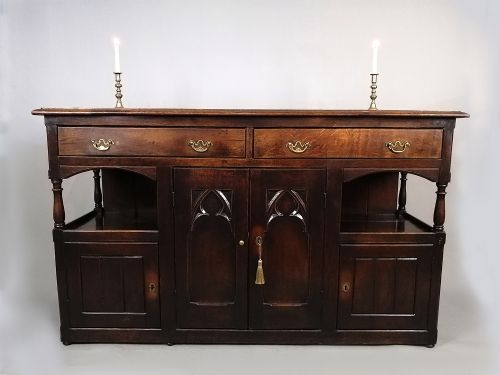
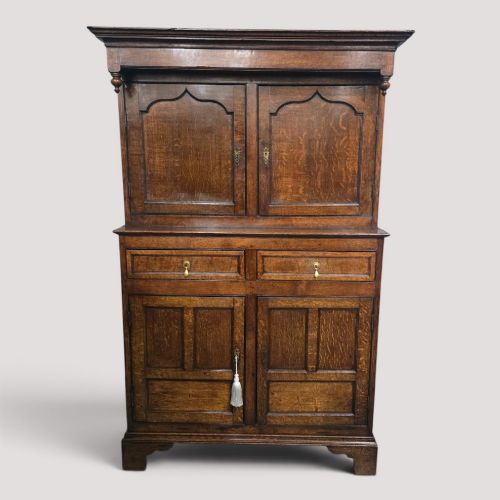
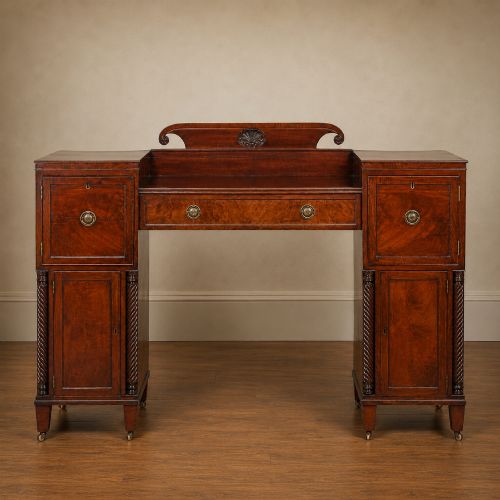
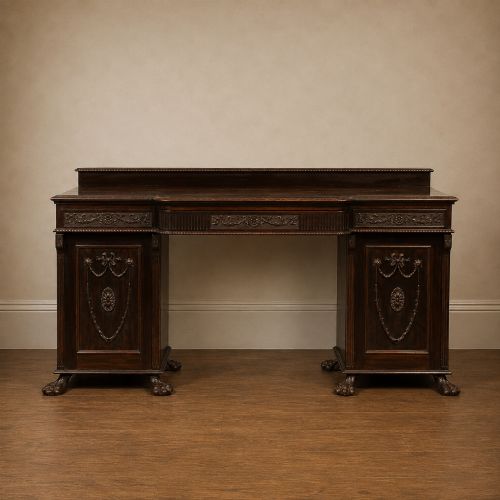
Georgian Carved Sideboard
A georgian carved sideboard brings heavy timber and confident classical lines to a dining room, offering deep drawers and cupboards for service ware.
Georgian Carved Sideboard
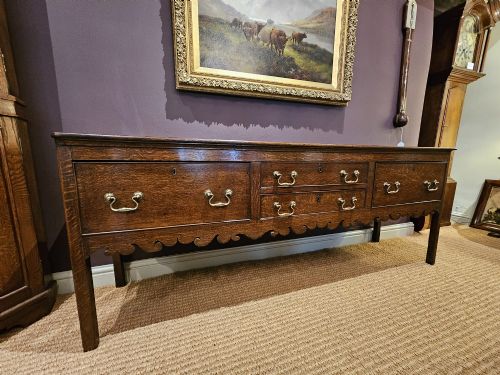
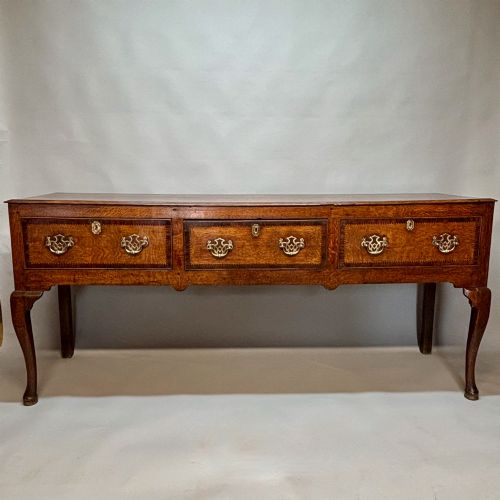
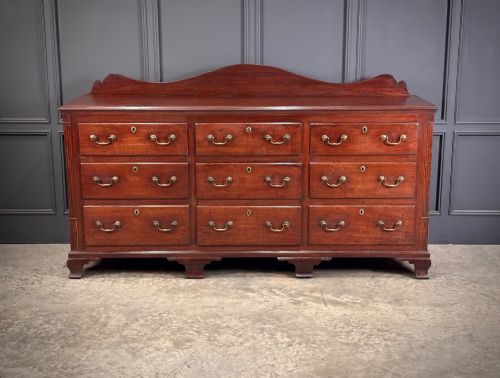
A georgian carved sideboard typically combines robust proportions with disciplined architectural detail, serving as the focal point for dining room storage and display. When you search for this phrase, you encounter substantial serving tables, dresser bases, and pedestals that reflect the formal entertaining habits of their era.
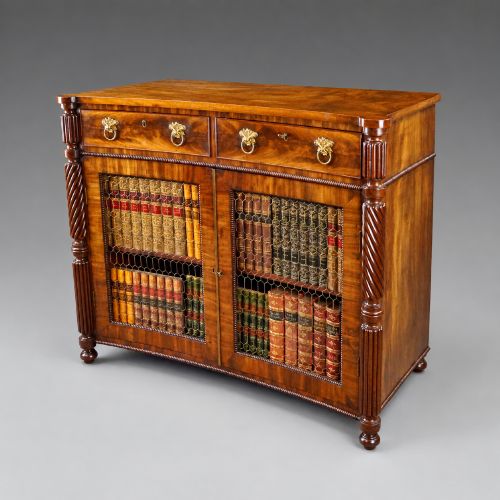
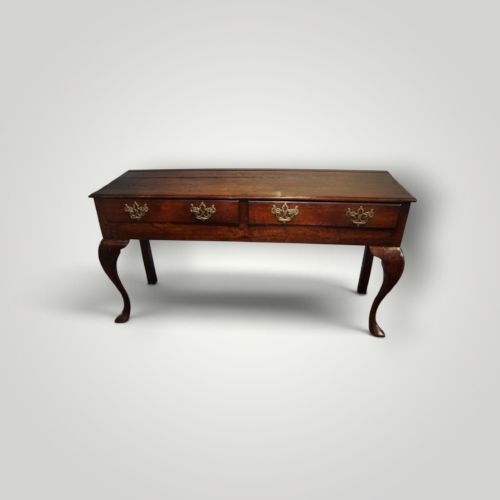
The pieces appearing on this page span several centuries, with robust oak examples from the eighteenth century alongside refined mahogany interpretations from the Regency and later periods. Regional variations such as Welsh country pieces sit alongside grander neoclassical designs, showing how local workshops adapted metropolitan fashions.
How They Were Made
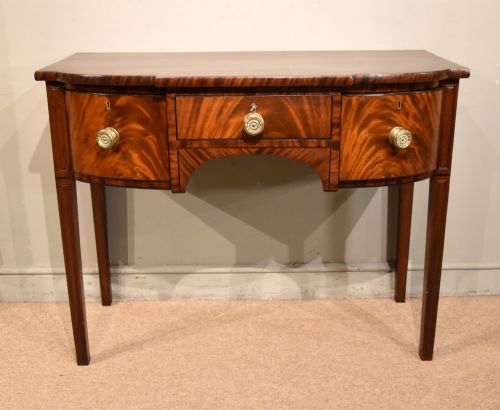
Cabinet makers built these pieces using solid timbers like oak and mahogany, often selecting figured flame mahogany veneers for drawer fronts to create lively visual movement. Secondary woods inside drawers and backing boards show traditional joinery methods, including hand-cut dovetails and pegged mortise and tenon joints.
Surface enrichment relied on carved mouldings, applied brass inlays, and occasionally ebony stringing rather than applied ornaments. Polishing was achieved through hand-applied friction finishes that built a deep lustre over the open grain of the wood.
Some early drawer bases still carry the faint aroma of dried herbs and centuries of stored linen.
What Varies in Quality
Quality rests in the selection of timber and the precision of the joinery, particularly where structural elements meet visible surfaces. The best examples display continuous grain matching across drawer tiers and crisply executed carving that remains sharp and defined.
Proportion and integrity also divide ordinary items from superior ones. Pieces retaining their original brass hardware, unwarped panels, and uncompromised timber thickness command deeper appreciation among collectors.
M. D. Miller & Sons
The Georgian Carved Sideboard Glossary
- Dresser base
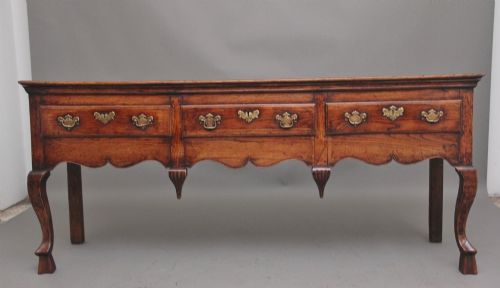
- A low cabinet featuring multiple drawers and often cupboards beneath, designed for kitchen or dining room utility without the upper plate rack. These provide substantial surface area for serving.
- Flame mahogany
- A veneer cut from the fork of a mahogany tree where the branch meets the trunk, producing a distinctive flickering, flame-like grain pattern. Cabinet makers reserved this timber for principal focal points like drawer fronts.
- Chiffonier
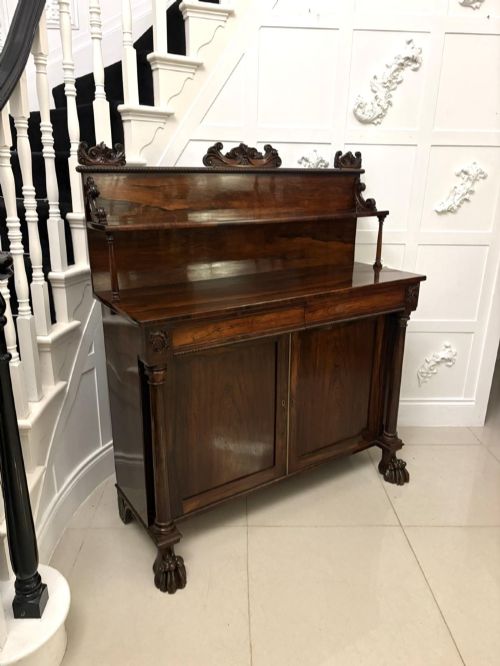
- A compact sideboard or cabinet equipped with enclosed shelves below and frequently a small bookcase superstructure above. This form gained popularity during the Regency period for smaller drawing rooms.
- Breakfront
- A piece of furniture where the central section projects forward from the flanking outer sections. This architectural arrangement creates depth and shadow across the front elevation.
Georgian Carved Sideboard: Frequently Asked Questions
What is a georgian carved sideboard used for?
These pieces served primarily in dining rooms for storing silver, linen, and serving dishes while providing a surface to lay out food during meals. Their deep drawers and cupboards accommodated large domestic inventories before fitted kitchens existed.
Today, they function well in modern dining spaces or hallways, holding tableware or functioning as media consoles while adding historical warmth to a room.
How do I identify a georgian period piece?
Look for structural honesty in the construction, including hand-cut dovetails, solid timber drawer linings, and classical proportions derived from architectural orders. Secondary woods like oak or pine will show signs of age appropriate to the eighteenth or early nineteenth century.
Examine the hardware holes and fixing methods inside the drawers, as original pieces generally feature handmade iron or brass fixings rather than modern machine-cut screws.
Where should I place a large sideboard?
A substantial timber sideboard requires a solid wall with sufficient length to let its proportions breathe without crowding surrounding furniture. Dining rooms remain the natural home, though large hallways and spacious open-plan living areas can also accommodate them.
Keep the piece away from direct heat sources and strong sunlight to prevent the timber from drying out, cracking, or fading unevenly over time.
How do oak pieces differ from mahogany ones?
Oak furniture tends to display an earlier vernacular or country character, often featuring heavy plank construction, geometric mouldings, and a coarser grain texture. These pieces frequently originate from regional workshops and carry a robust, functional aesthetic.
Mahogany versions, common in later Georgian and Regency periods, lean towards formal neoclassical elegance with smoother surfaces, refined carving, and rich reddish-brown tones suited to polite reception rooms.