
Georgian Tiered Table
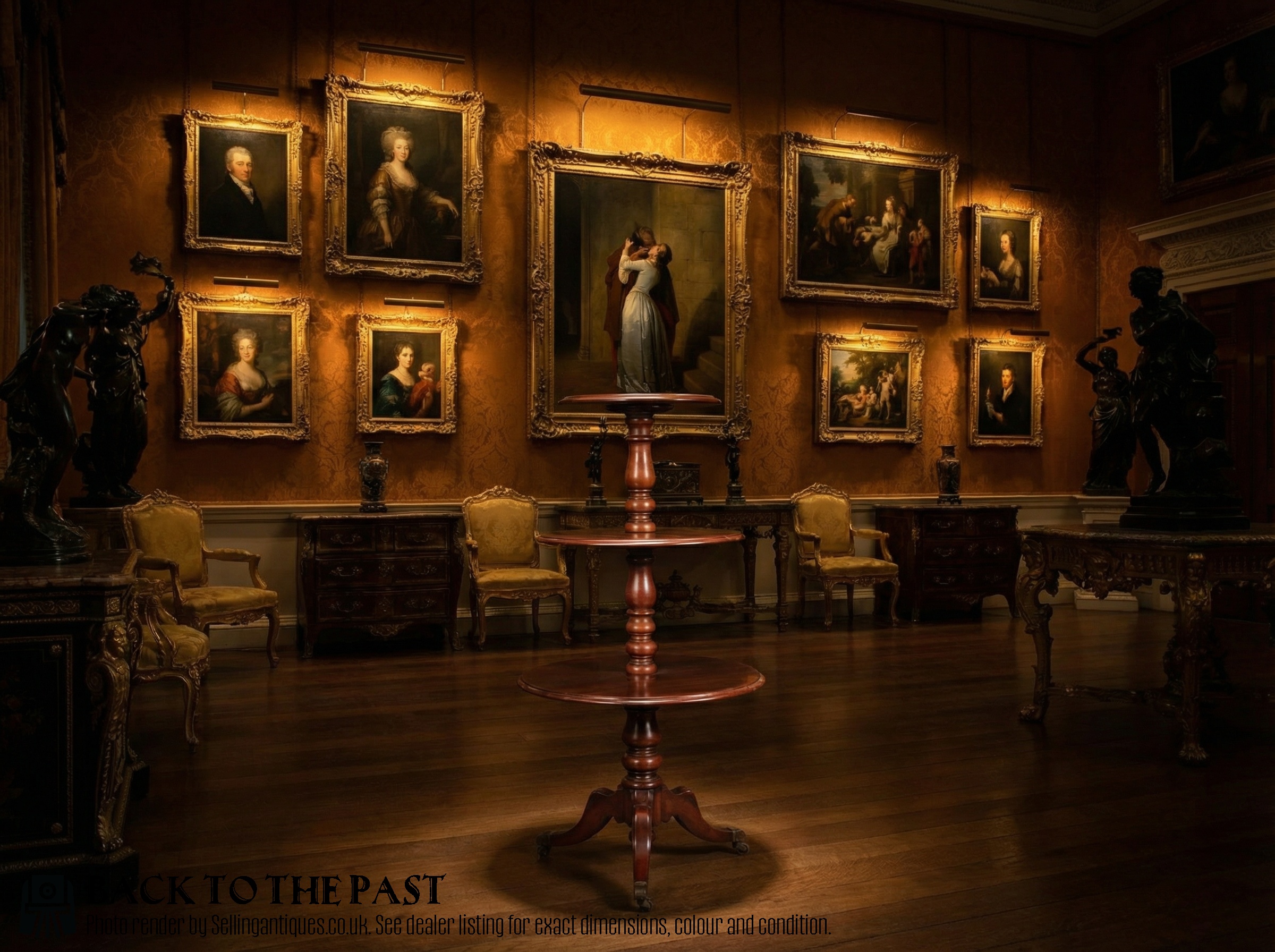
A georgian tiered table offers practical multi-level surface space with classic proportions, making it a versatile addition to any room.
Georgian Tiered Table
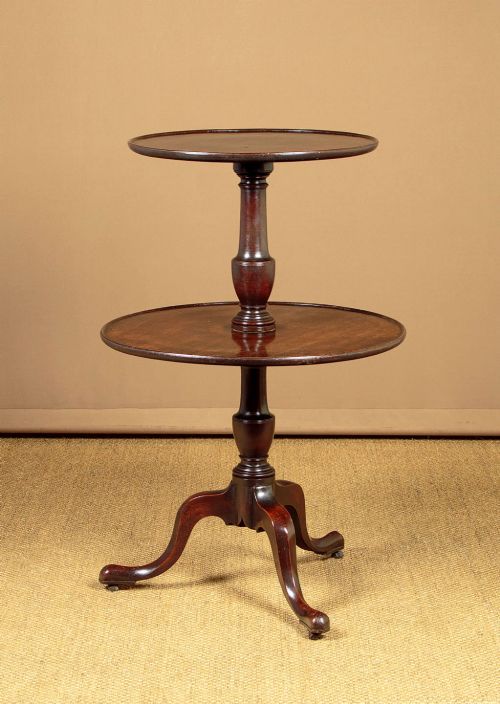
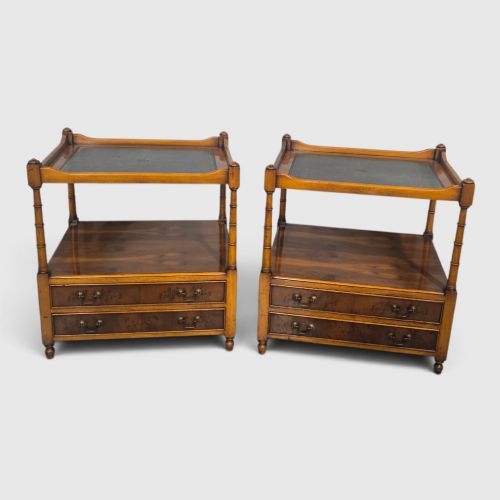
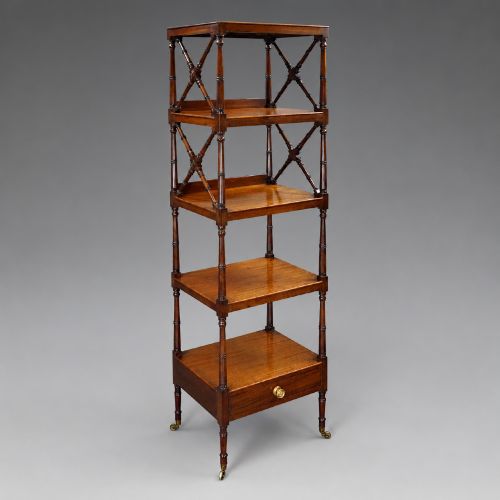
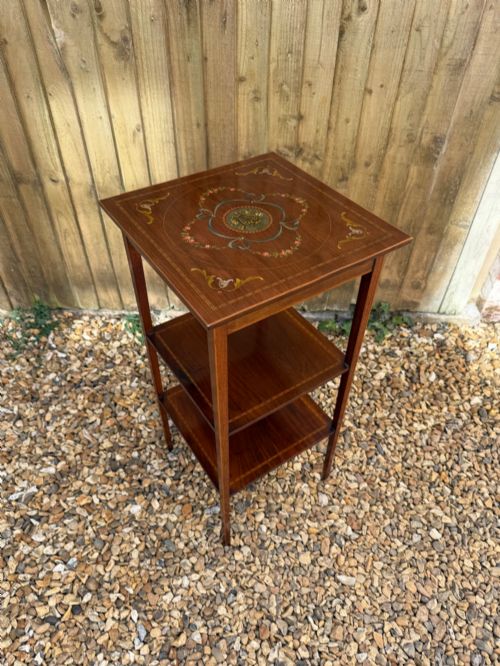
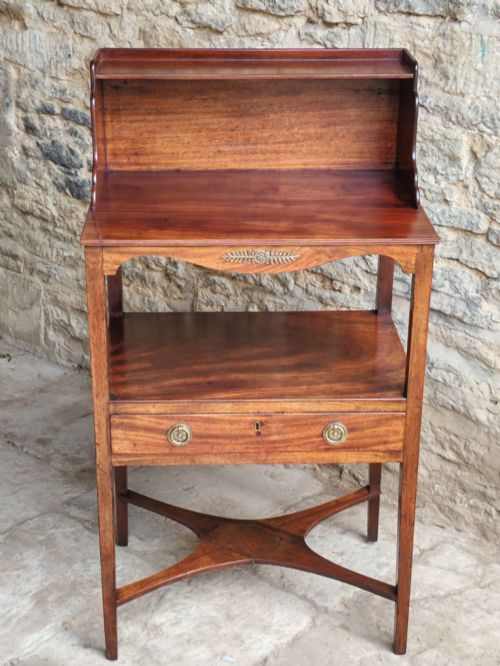
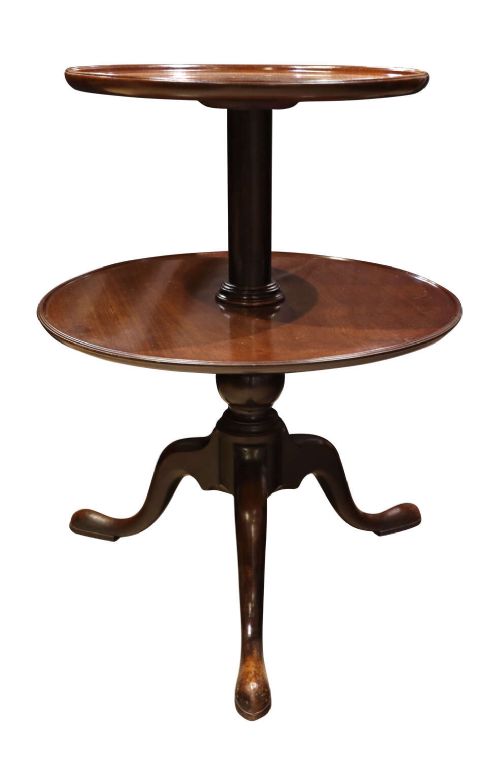
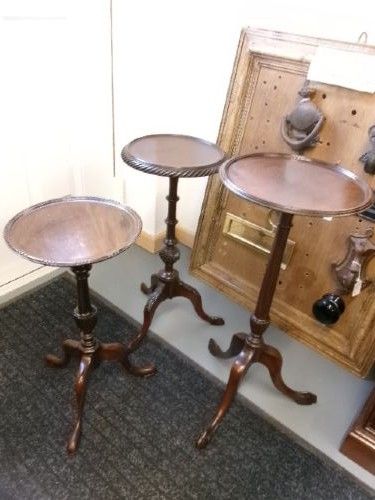
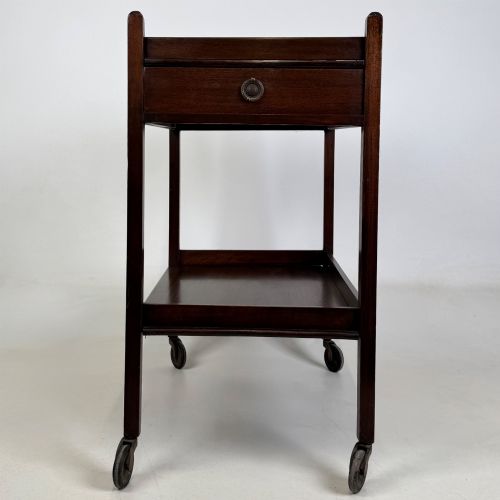
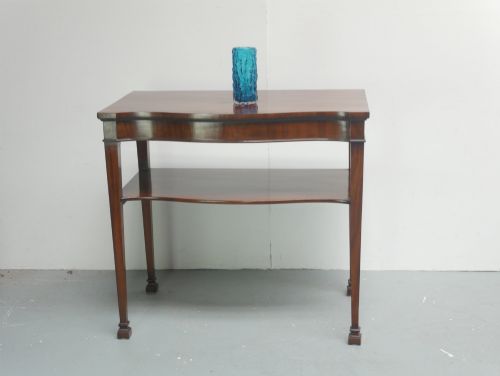
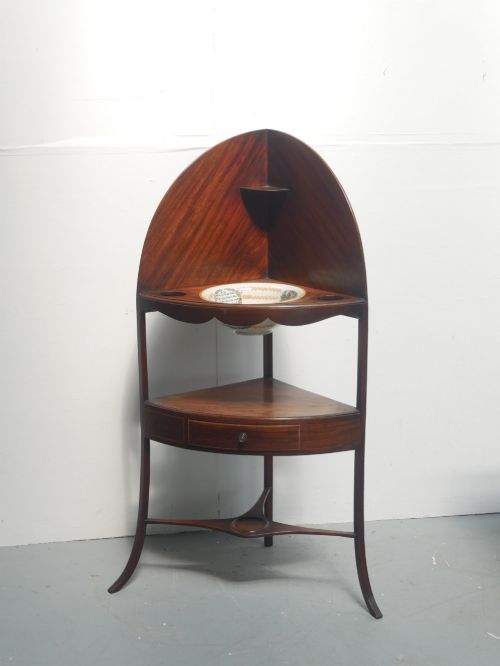
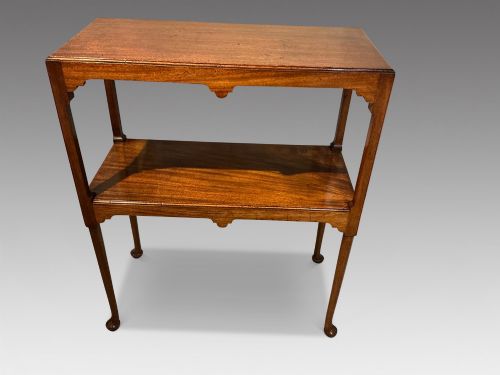
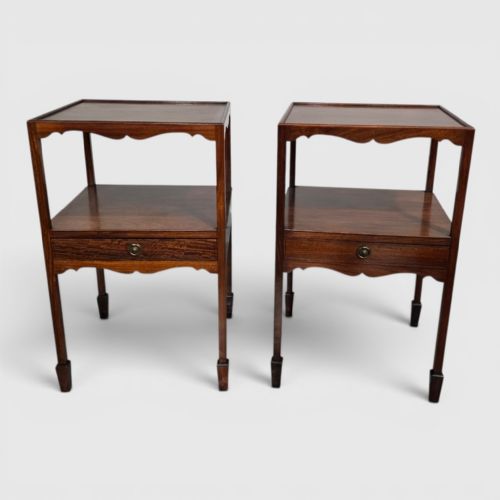
When searching for a georgian tiered table, buyers encounter multi-level pieces designed for serving, display or storage in domestic interiors. The selection spans distinct forms including dumb waiters, etageres, whatnots, bedside tables and washstands.
The pieces appearing on this page date predominantly from the eighteenth century, the Regency era and the nineteenth century, with occasional later revivals in Edwardian and Victorian styles. Mahogany forms the primary structure across the majority of items.
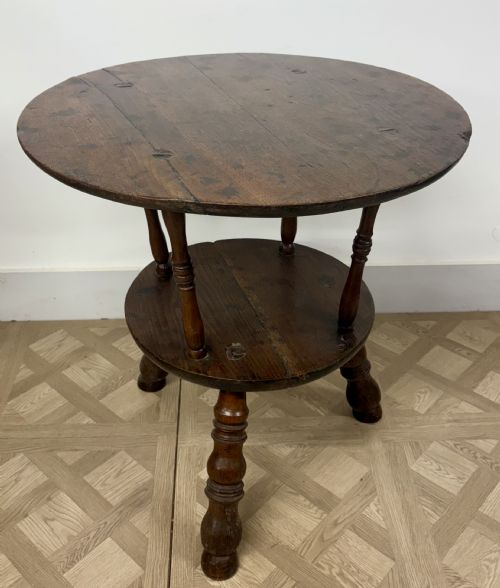
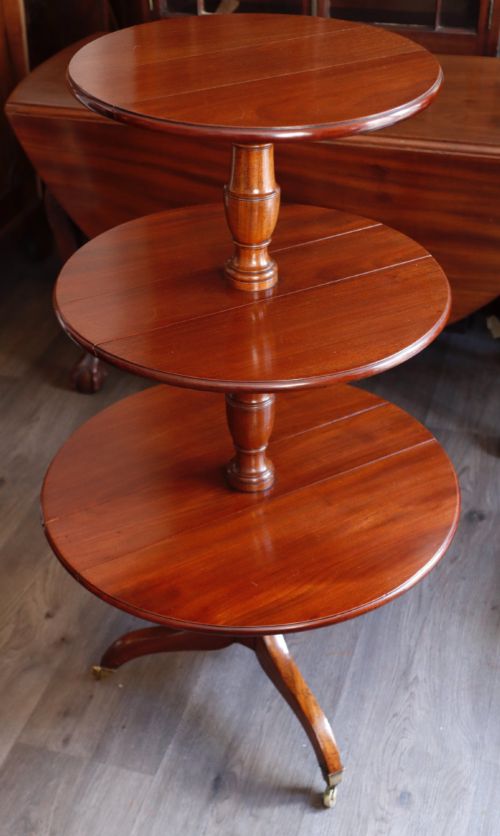
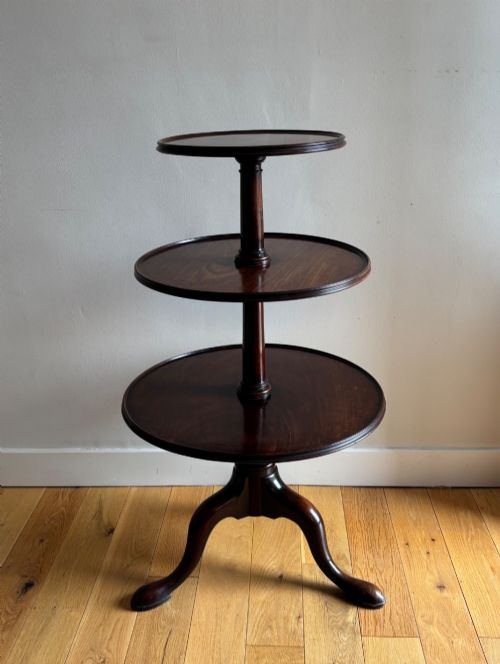
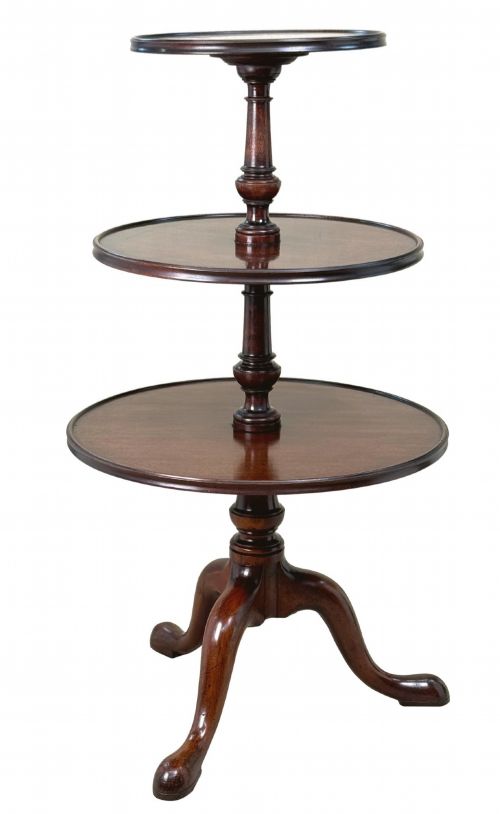
Most examples feature two or three graduated tiers supported by central pedestals or corner posts. These tiered surfaces provided functional utility for dining rooms, bedrooms and living spaces during the Georgian period and beyond.
Materials and construction
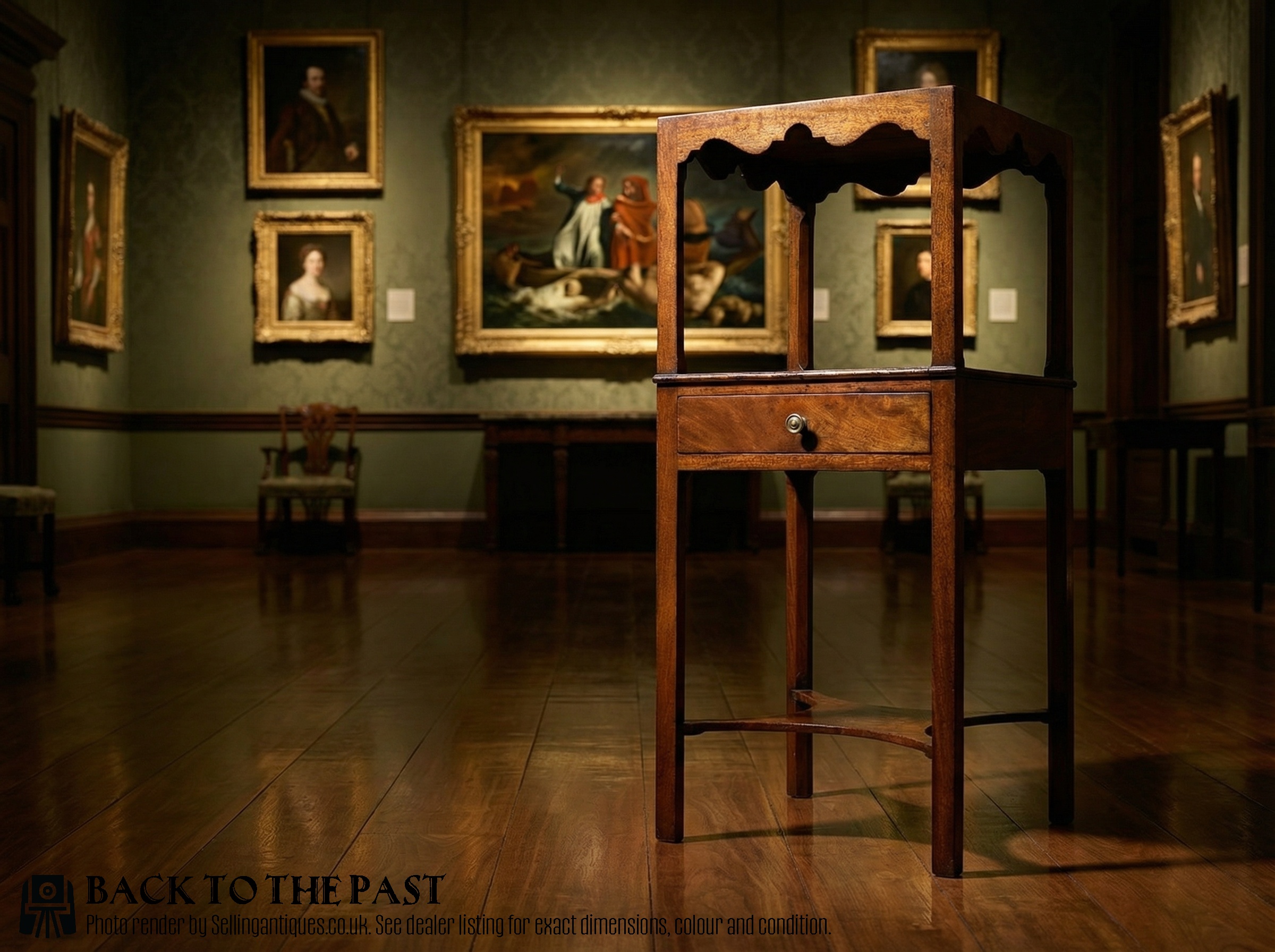
Makers utilised solid timbers and veneers, with mahogany dominating the surviving examples. Alternative materials such as oak, yew, pine, birdseye maple and rosewood appear in select pieces from the period.
Decorative detailing on these tiered tables often incorporates brass elements, boxwood inlay and painted finishes. Tripod bases with three-legged supports are common amongst circular dumb waiters and etageres.
Georgian Tiered Table Retail Price Guide 2026
Typical asking prices for georgian tiered table among the pieces listed under this phrase on Sellingantiques today, from the lower quarter to the upper quarter. They describe what is for sale here now, not the wider market.
Dining rooms gained independent servants when clever cabinetmakers stacked circular trays on tripod pedestals to hold the extra pudding.
Distinctions in quality
The standard of timber selection and grain figure dictates much of the visual appeal in mahogany and exotic woods. Finely figured surfaces and subtle boxwood stringing elevate the presence of a piece.
Joinery execution, particularly the turning of central columns and the stability of tiered joints, separates standard utility items from finer cabinet work. Proportion and the elegance of tripod legs or corner uprights define the better examples.
The Georgian Tiered Table Glossary
- Dumb waiter
- A multi-tiered freestanding table, usually with circular graduating trays on a central pillar, designed for holding food or tableware without servants present.
- Whatnot
- An open set of shelves or tiers used for displaying ornaments, books or tea wares, originating in the late eighteenth century.
- Etagere
- A piece of furniture consisting of a set of open shelves for displaying small objects, sharing similarities in form with the whatnot.
- Tripod base
- A three-legged support system commonly found beneath the central pedestals of circular tiered tables and dumb waiters.
- Boxwood inlay
- Fine linear woodwork ornamentation contrasting dark timbers like mahogany with pale boxwood strips.
Georgian Tiered Table: Frequently Asked Questions
What is a dumb waiter used for?
A dumb waiter served as a multi-tiered serving station beside dining tables during the eighteenth and nineteenth centuries. Diners could access extra plates, glasses or dishes independently.
Over time, these pieces transitioned into general living spaces for display and occasional service. Their stacked circular trays provide practical surface area within a compact floor footprint.
How do I identify a Georgian tiered table?
Authentic Georgian examples rely heavily on dense mahogany timber, classical proportions and traditional joinery methods. Look for graduated circular tiers supported by turned central columns and tripod legs.
Later Victorian and Edwardian pieces often emulate these earlier forms through revival styles. Examining the timber patination, wear patterns and construction joints helps determine the period.
Where should I place a tiered table at home?
Tiered tables suit corners, bedside areas or empty wall spaces where extra surface space is beneficial without blocking walkways. Their vertical design maximises display capacity in smaller rooms.
Circular tripod versions work effectively beside seating arrangements as lamp or wine tables. Rectangular etageres fit neatly against flat walls for books and decorative objects.