
Georgian Tiered Stand
A georgian tiered stand brings vertical display and practical service to a room through stacked shelves or revolving trays.
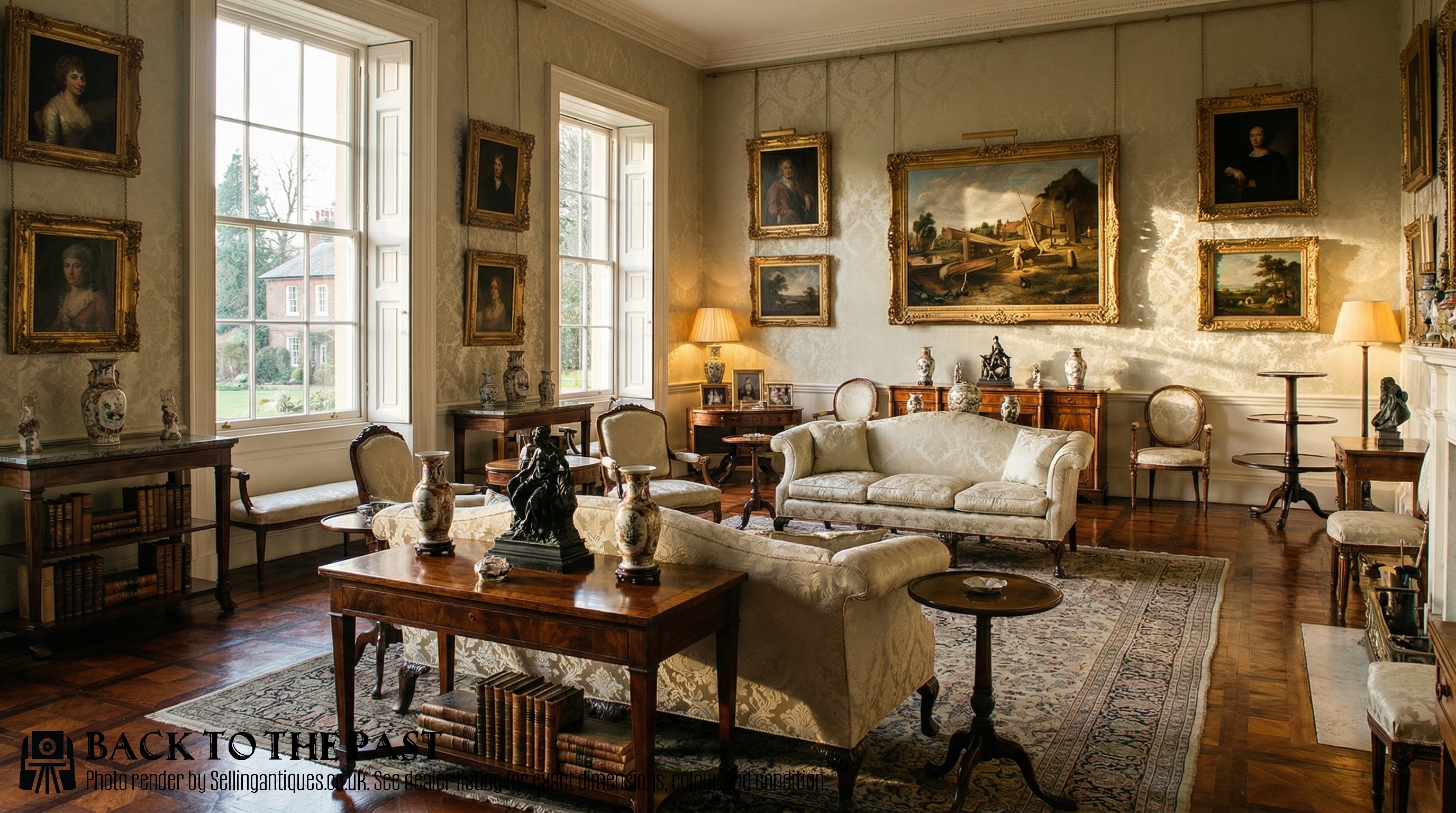
Georgian Tiered Stand
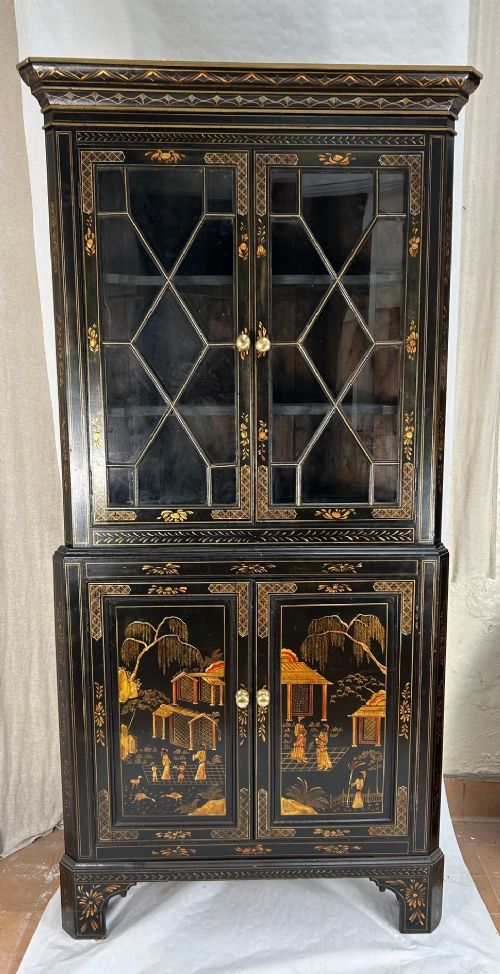
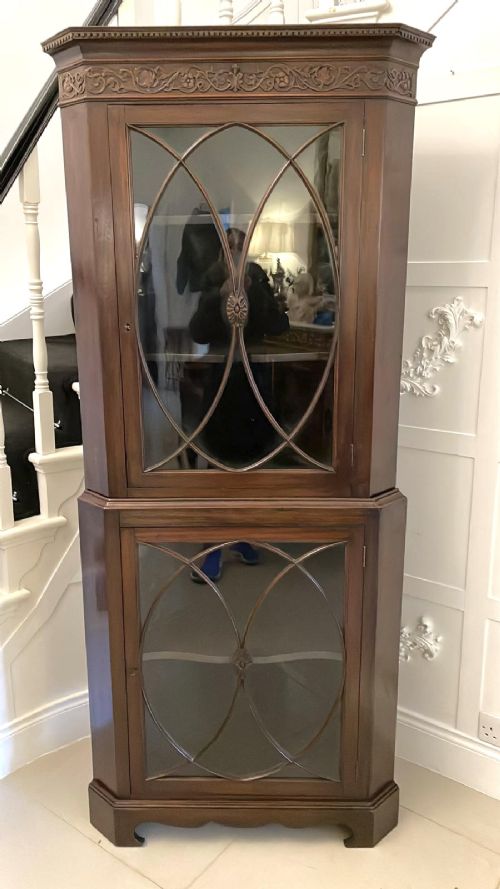
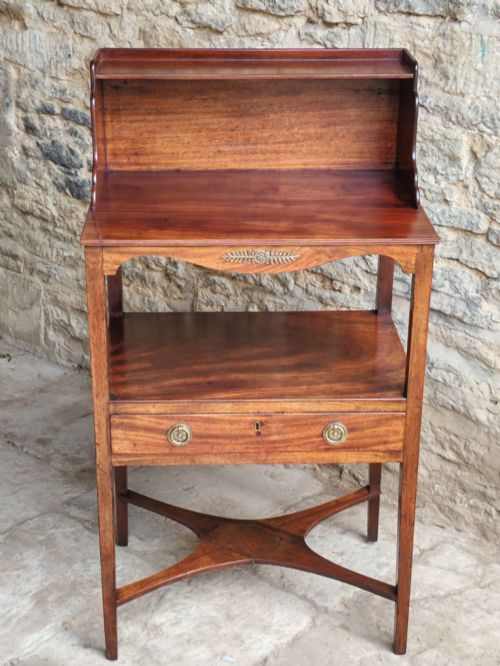
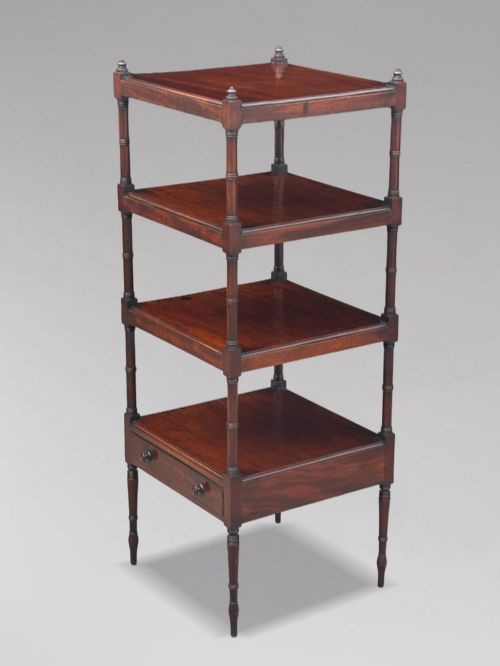
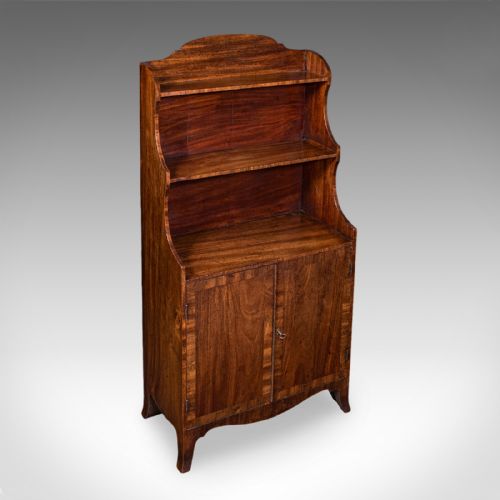
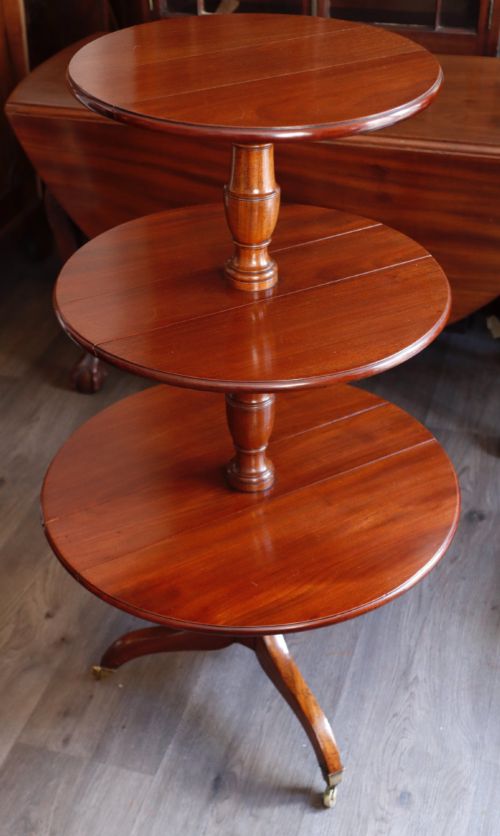
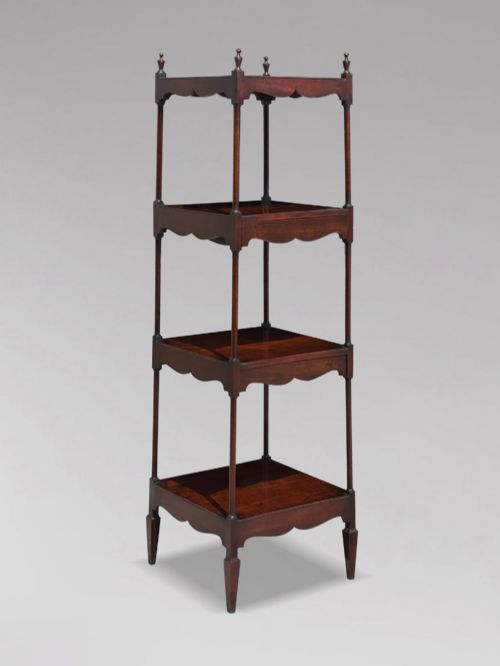
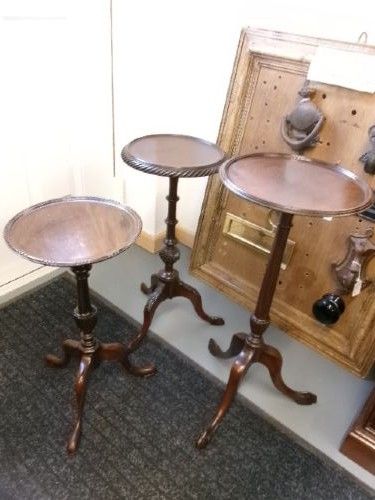
When you search for a georgian tiered stand, you encounter pieces designed to hold books, dining accessories, or decorative objects across multiple levels. The selections on this page span forms such as dumb waiters, whatnots, etageres, and waterfall bookcases originating from the Georgian, Regency, and 18th-century periods.
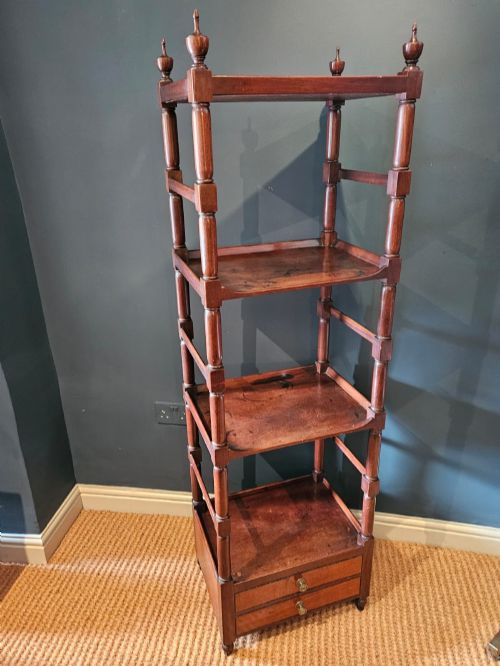
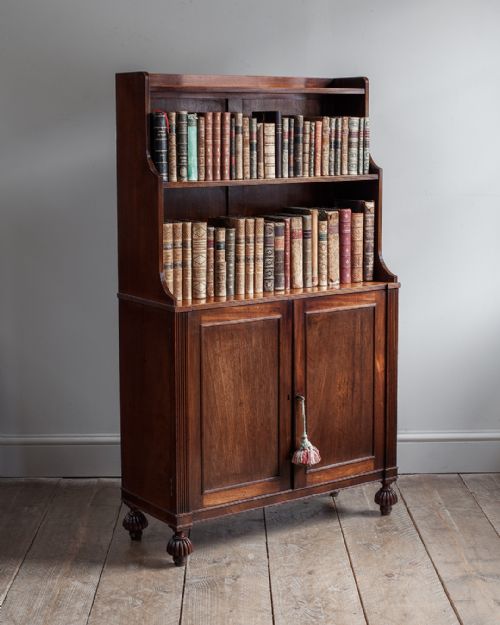
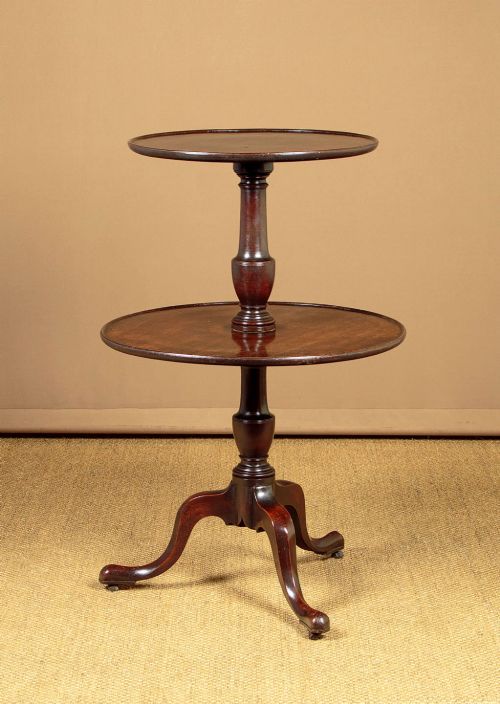
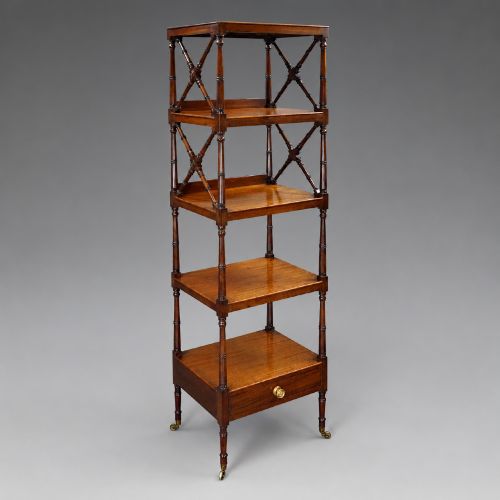
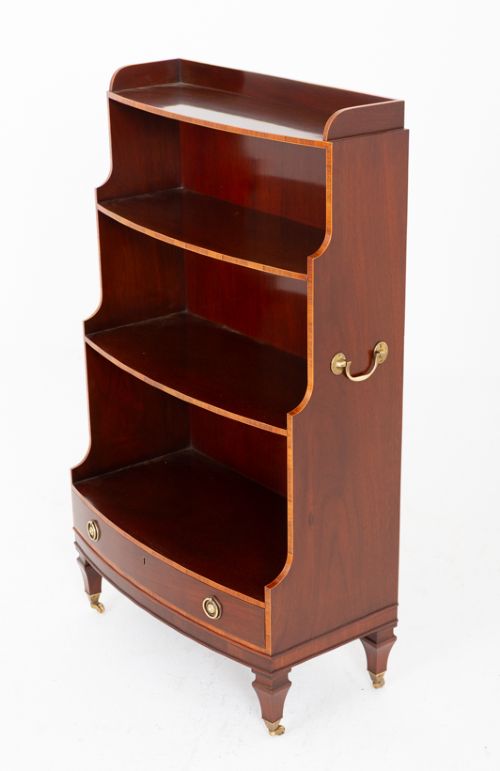
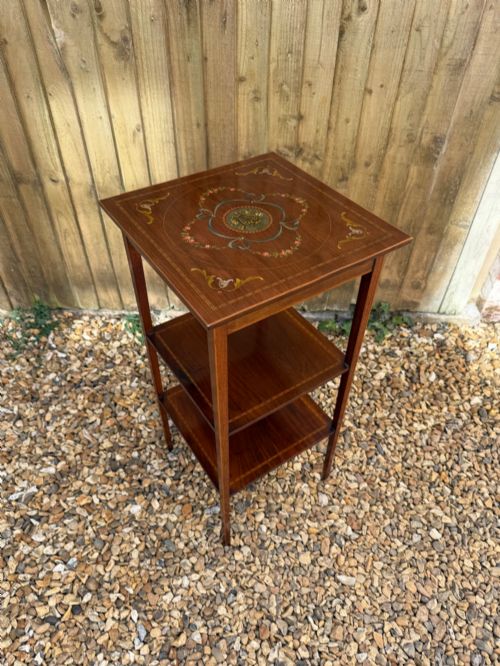
The most common forms you meet here include multi-tiered dumb waiters with circular graduated trays, upright what-nots with square shelves, and open waterfall bookcases. These functional furnishings utilise vertical space efficiently while displaying the distinct proportions of their era.
Materials and construction
Cabinet makers relied heavily on solid and veneered mahogany, frequently complemented by secondary timbers like oak and maple for internal framing and drawer construction. Brass castors, finials, and supports often appeared on mobile serving pieces and tables.
Periods represented span the 18th century, Georgian era, Regency period, and Edwardian revivals.
What separates the finest examples
Quality rests in the crispness of the timber grain, the harmony of the tiered proportions, and the integrity of the original construction. Superior pieces demonstrate refined turning on the central pedestals and precise joinery where shelves meet supports.
The presence of original brass hardware, unblemished timber surfaces, and clever mechanical design elevates a piece above standard utility items. Subtle details like figured mahogany veneers and well-balanced tiers distinguish workshop masterworks from later adaptations.
Gillows
The Georgian Tiered Stand Glossary
- Dumb waiter
- A tiered freestanding piece with rotating or fixed circular trays used for serving food or holding tableware without servants present.
- Whatnot
- An open shelving unit featuring three or more tiers, designed for displaying ornaments, books, or small collections.
- Etagere
- A piece of furniture consisting of a sequence of open shelves for displaying objects, closely related in form to the whatnot.
- Waterfall bookcase
- An open shelving unit where each successive tier steps back progressively from bottom to top, creating a cascading profile.
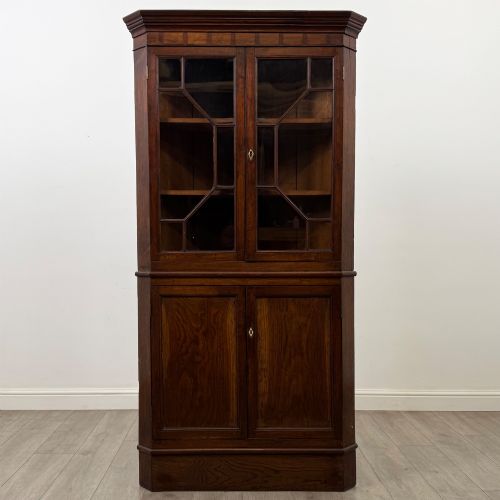
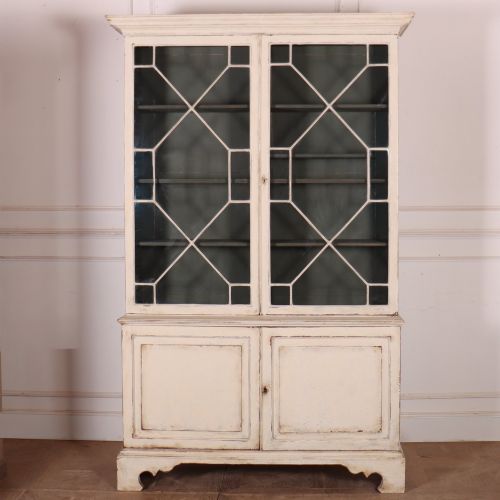
- Astragal glazed
- A method of framing window or cabinet glass with narrow wooden moulding strips arranged in geometric patterns.
Georgian Tiered Stand: Frequently Asked Questions
What is a tiered stand used for?
These pieces served practical functions in dining rooms, libraries, and parlours by organising books, serving courses, or displaying porcelain.
Today they function similarly as compact display surfaces and practical storage units in modern rooms.
How do I identify a Georgian tiered stand?
Look for period timbers like mahogany, traditional joinery methods, and classic architectural proportions typical of the eighteenth and early nineteenth centuries.
Many examples feature distinct multi-tiered configurations supported by turned columns or slender corner uprights.
Where should I place a dumb waiter?
These circular tiered pieces fit well beside dining tables, in corners, or as freestanding display focal points in a reception room.
Ensure adequate clearance around revolving tiers so the trays can turn without obstruction.
What is the difference between a whatnot and a dumb waiter?
What-nots typically feature rectangular or square tiers with fixed shelves designed for books and ornaments.
Dumb waiters generally utilise circular graduating tiers, sometimes on a central tripod base, intended originally for dining service.