


Georgian Table Tableware
Georgian table tableware encompasses functional silver, glass and plated items designed for dining, originating from periods spanning the eighteenth century to revival eras.
Georgian Table Tableware
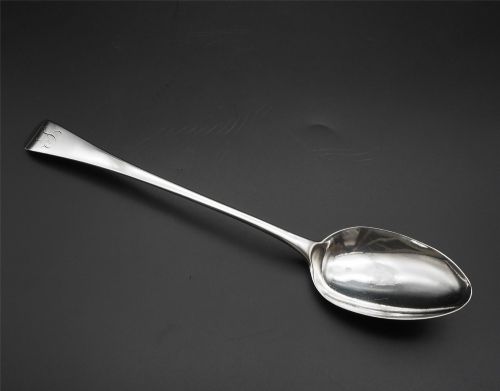
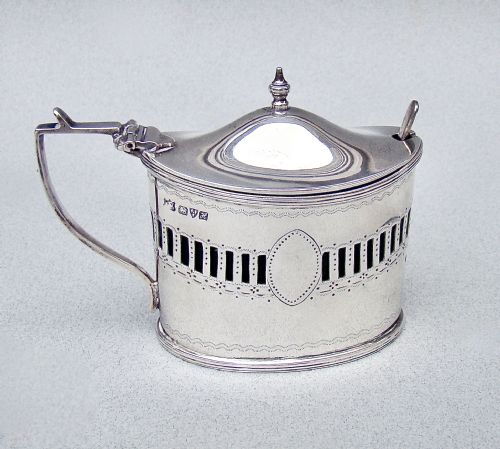
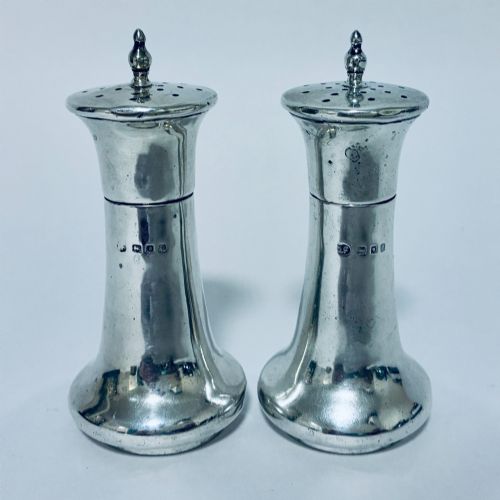
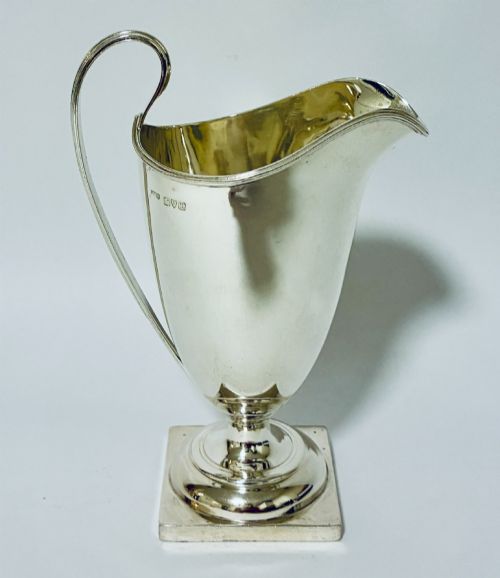
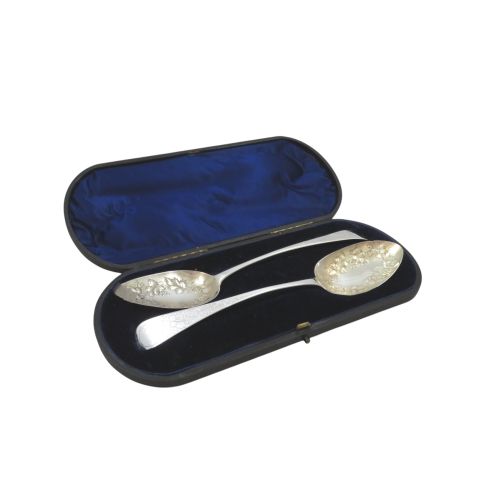
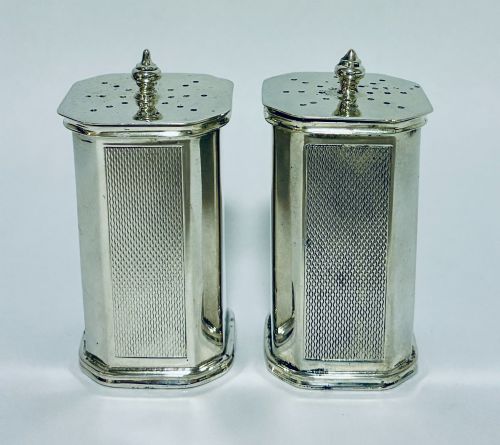
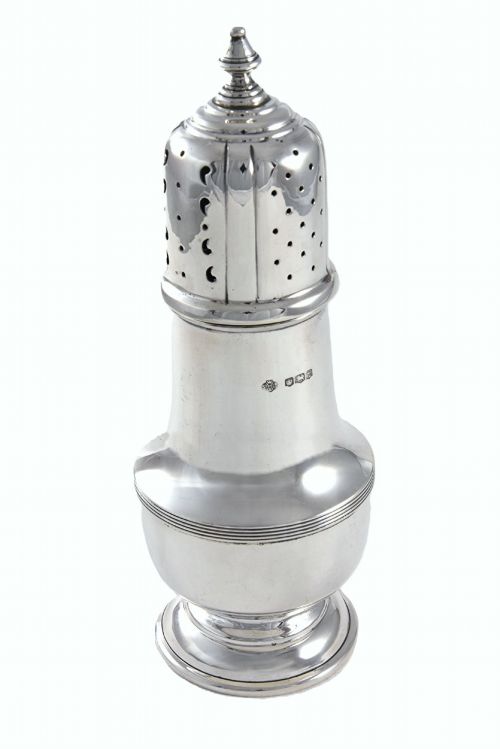
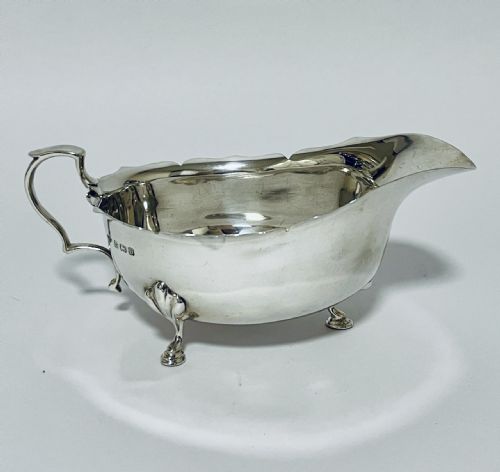
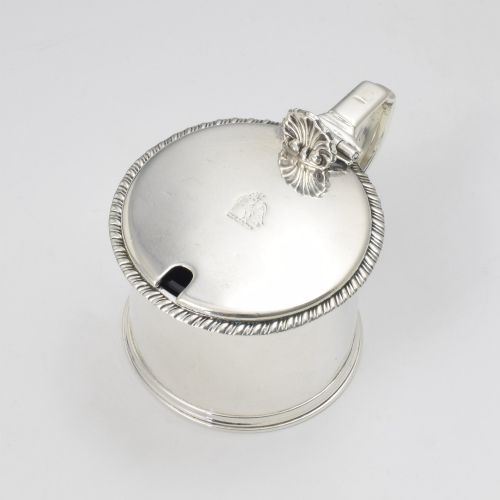
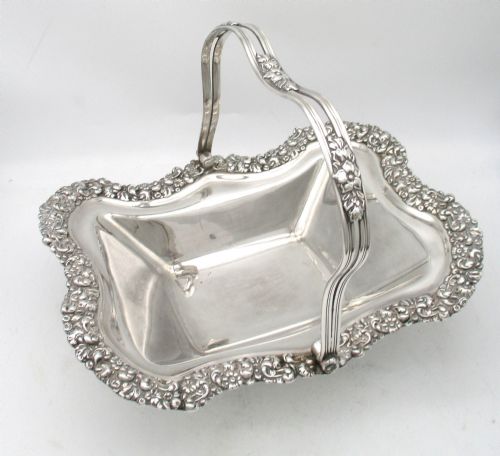
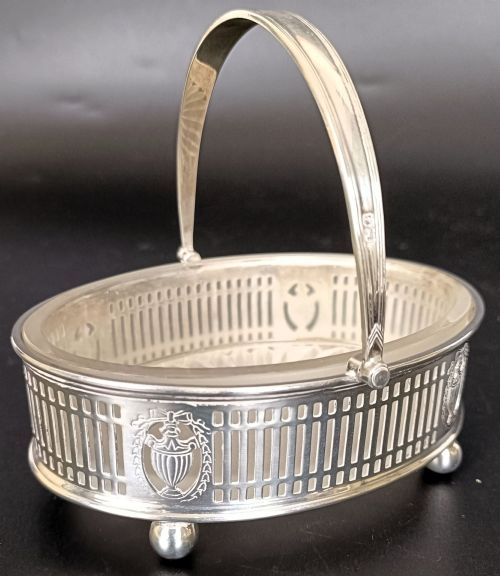
When you search for georgian table tableware, you encounter items designed for formal dining and condiment service during the eighteenth and nineteenth centuries, alongside later revival pieces. The selection includes sauce boats, serving spoons, salt cellars, sugar casters, mustard pots, cream jugs, toast racks, and baskets.
Most items you meet on this page date from the Georgian period and the subsequent Regency era, executed in sterling silver, silver plate, or cut glass. Forms range from utilitarian condiment pots to decorative cruet stands and finger bowls used at the dining table.
Materials and construction
Makers utilised sterling silver and Old Sheffield plate for durable hollowware, employing techniques such as casting, embossing, and silver plating over copper bases. Glass elements involve heavy cut crystal and cut glass moulded into preserve pots, salt cellars, and cruet bottles.
Details include crisp hallmarks stamped into silver to record assay office, year, and maker, alongside intricate hand-cut facets on glassware and turned ebonised wooden frames for cruet stands.
A revolving egg cup stand made of treen ware once belonged to the private collection of the late Mrs Henry T Ford the second.
Variations in quality
Quality depends upon the crispness of the chasing and embossing, the thickness of the silver gauge, and the weight of the metal in items like sauce boats and toast racks. Superior examples retain sharp hallmarks, heavy substantial weights, and original matching components without later alterations.
Cut glass pieces differ according to the depth of the wheel-cut facets, clarity of the material, and the absence of chips along the rims. Plated items vary by the integrity of the silver layer over the copper substrate.
Alfred Marston·Charles Fox II·The Barker Brothers·Paul Storr·Charles Stuart Harris
The Georgian Table Tableware Glossary
- Sterling silver
- A silver alloy containing 92.5 percent pure silver by mass, standard for British tableware.
- Old Sheffield plate
- A composite material formed by fusing a thin sheet of silver to a thicker copper ingot, common in eighteenth and nineteenth-century dining items.
- Salt cellar
- A small open vessel or container placed on the table to hold salt for individual or shared use.
- Cruet stand
- A frame holding glass bottles or castors for oil, vinegar, mustard, and other condiments during meals.
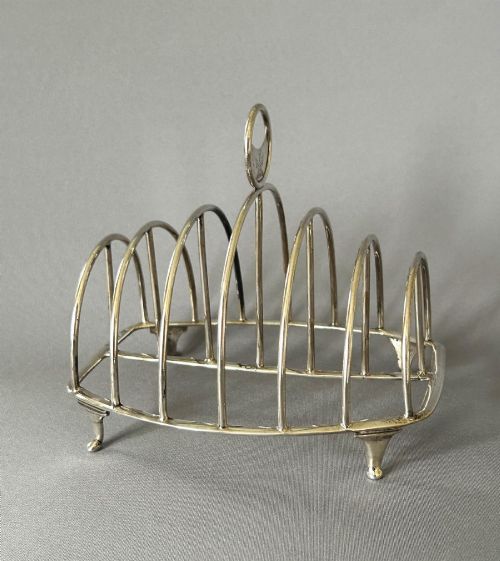
- Toast rack
- A metal frame with vertical divisions designed to hold slices of toast upright on the breakfast table.
Georgian Table Tableware: Frequently Asked Questions
What is a georgian table tableware sauce boat?
A sauce boat is an open vessel with a spout and handle used for serving gravies or sauces at the dining table.
Examples on this page date from the eighteenth and nineteenth centuries, fashioned in sterling silver or silver plate with decorative handles and chased bodies.
How do I identify silver salt cellars?
Silver salt cellars are small open bowls or dishes designed to hold salt, often accompanied by matching spoons.
They appear in sets from the Georgian period onwards, sometimes featuring cut glass bodies with silver mounts or solid silver construction.
What is Old Sheffield plate?
Old Sheffield plate is a fused metal technique where a sheet of silver is applied to a copper base before rolling.
This material was utilised for baskets, sauce boats, and serving dishes during the eighteenth and nineteenth centuries.
How were toast racks used?
Toast racks held crisp slices of toast upright to prevent condensation from making the bread soggy.
They were placed on the breakfast table as part of the formal tableware service during the Georgian and Regency periods.