



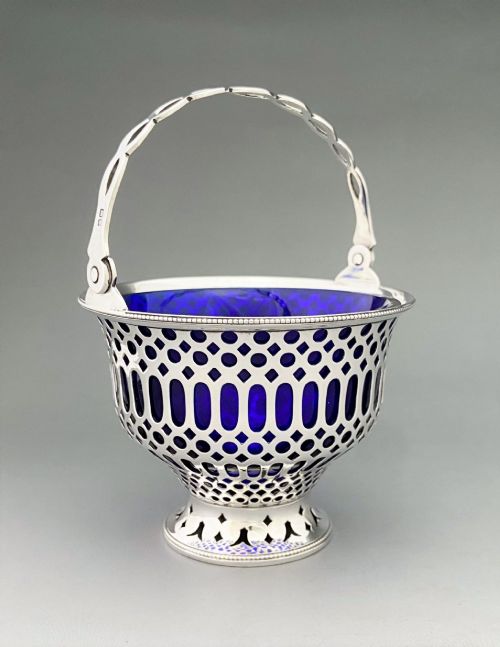


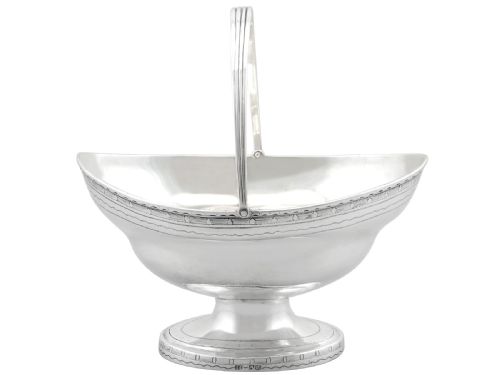
Georgian Sweetmeat Dish
A georgian sweetmeat dish brings small confections and preserved fruits to table, combining cut glass, soft-paste porcelain, and sterling silver.
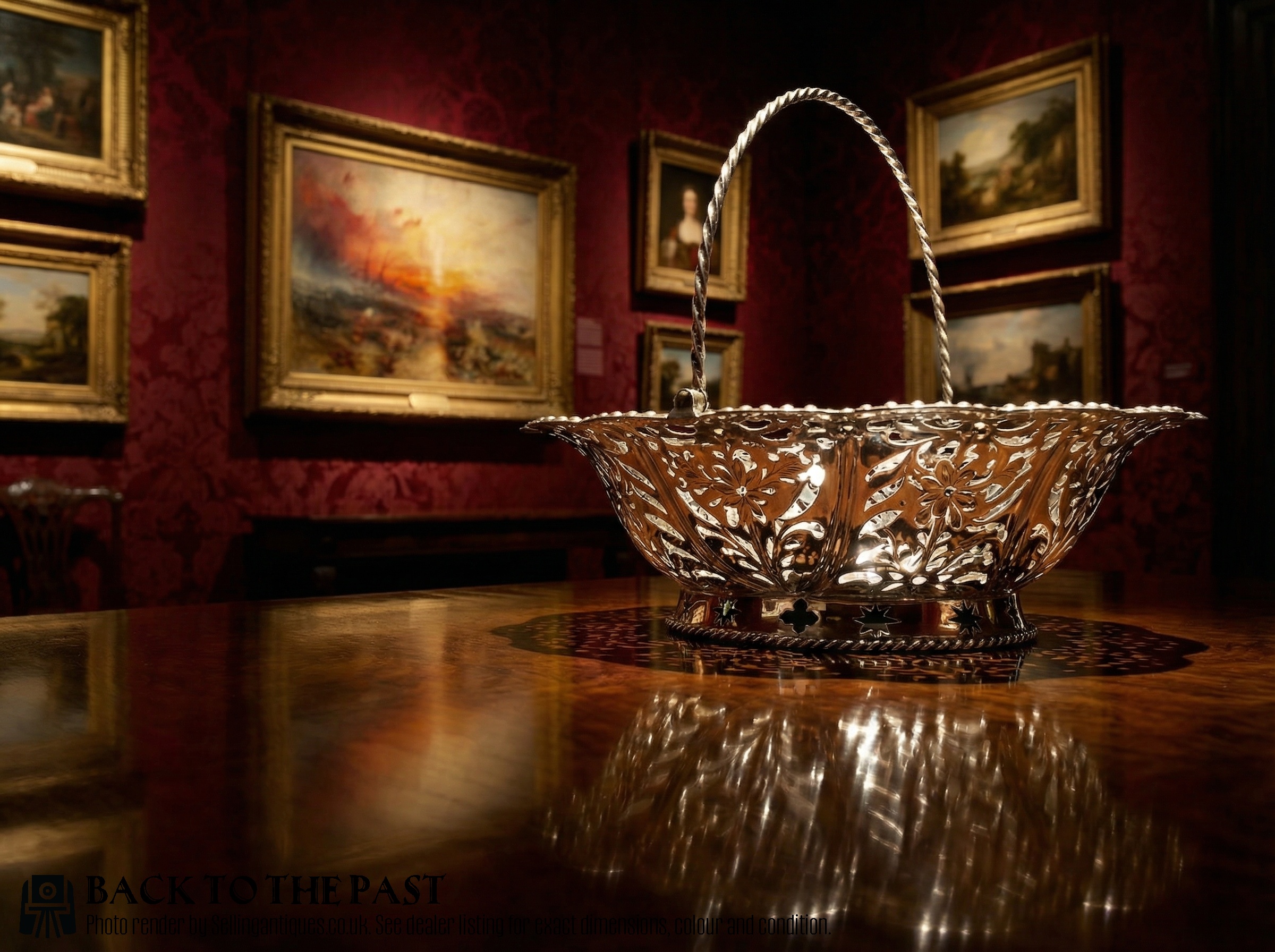
Georgian Sweetmeat Dish
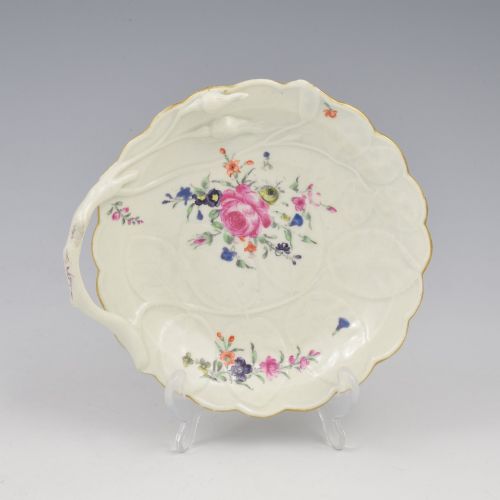
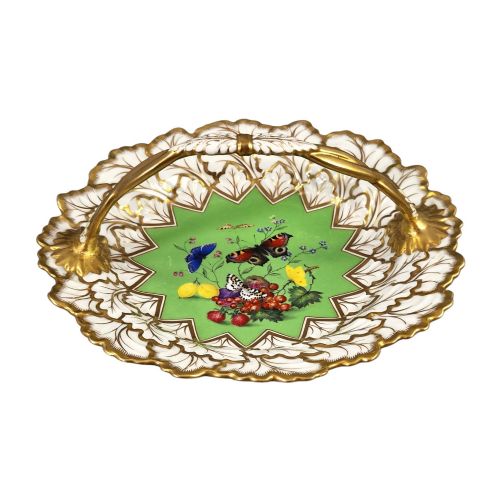
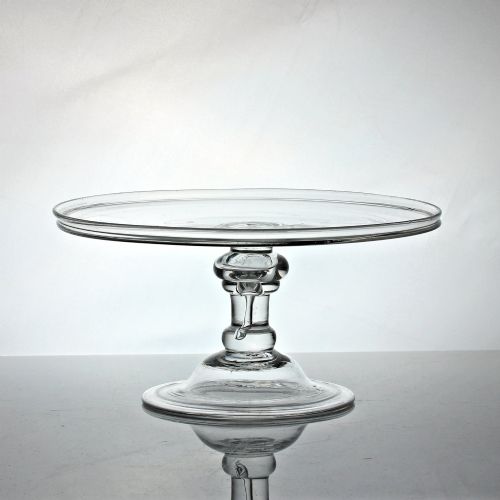
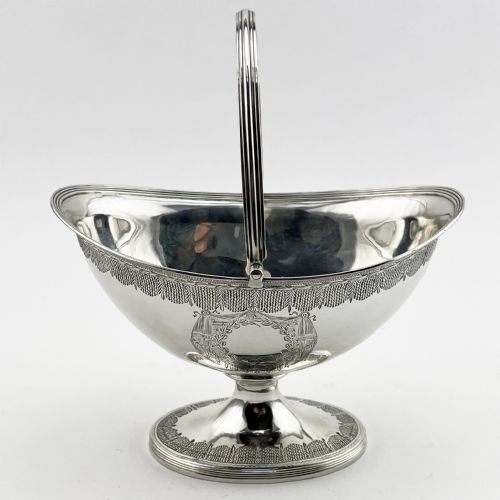
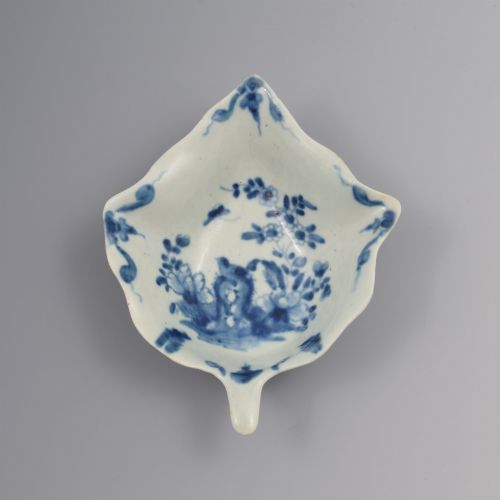
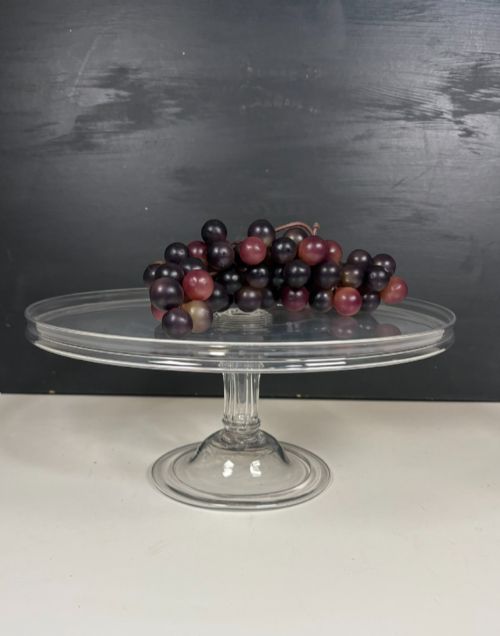
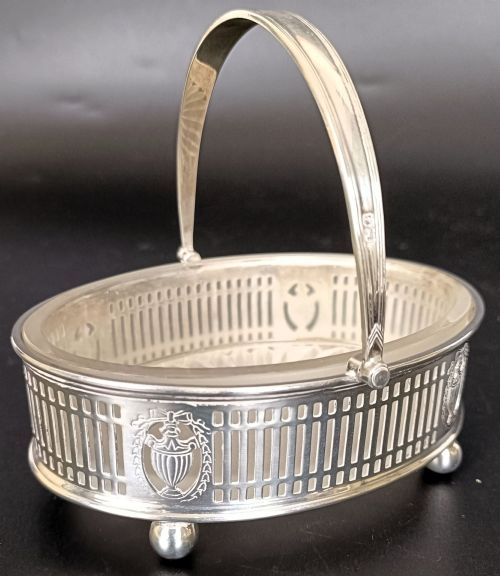
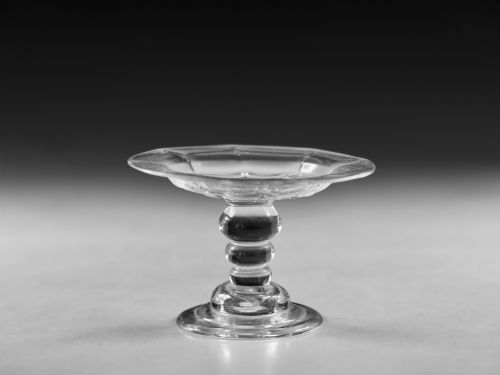
A georgian sweetmeat dish takes many forms across the eighteenth and nineteenth centuries, appearing as tall-stemmed glassware, pierced silver swing-handled baskets, and soft-paste porcelain leaf dishes.
The material depends largely on the function and period, ranging from lead glass baluster stems and patch stands to sterling silver sugar baskets with gilt interiors.
Makers and factories such as Worcester produced delicate porcelain shell centerpieces and leaf dishes, whilst silversmiths fashioned intricate openwork vessels.
Assessing Quality
Quality rests on the crispness of the moulding and the delicacy of the piercing, particularly visible in silver baskets and honeycombed glass stands.
In porcelain, the precision of the hand-painted enamel work and the purity of the early paste separate standard wares from exceptional examples.
The weight and proportion of lead glass stems, alongside the retention of original gilding on silver interiors, dictate the desirability of a piece.
Listings span eighteen-century Georgian output through to Edwardian reproductions, uniting sterling silver, lead glass, and soft-paste porcelain.
Flight Barr And Barr·Henry Chawner·George Fox·William Bond
The Georgian Sweetmeat Dish Glossary
- Baluster stem
- A heavy, thick glass stem with swelling profiles, common in mid-eighteenth-century drinking vessels and sweetmeat glasses.
- Patch stand
- A small glass dish used originally to hold cosmetic patches, closely related in form to miniature sweetmeat plates.
- Soft-paste porcelain
- An artificial porcelain composition fired at lower temperatures than hard paste, developed extensively by eighteenth-century English potteries like Worcester.
- Tazza
- A shallow saucer-like dish mounted on a foot or central pedestal, utilised for serving sweetmeats and fruit.
- Swing handle
- A movable arched handle attached to baskets via hinged mountings, typical of silver sugar and sweetmeat baskets.
Georgian Sweetmeat Dish: Frequently Asked Questions
What were sweetmeat dishes used for?
These dishes served sweet confections, nuts, comfits, and preserved fruits during formal dining courses and dessert services.
Wealthy households used them to display expensive sugars and exotic sweetmeats to dinner guests.
How do I identify a Georgian glass stem?
Eighteenth-century glass stems often feature air twists, opaque white twists, or heavy baluster knops.
They feel noticeably heavier due to the high lead content used in British glasshouses of that era.
Are silver sweetmeat baskets marked?
Most British silver pieces carry hallmarks indicating the assay office, date letter, and silversmith's mark.
Earlier items might show maker's marks only, while plated versions like Old Sheffield Plate bear no sterling stamps.
How should I clean antique silver baskets?
Use a soft cloth and mild soapy water to remove dust without harming the underlying metal or gilding.
Avoid abrasive dips and harsh commercial polishes that strip away the fine details of pierced work.