




Moulded Glass Stemware
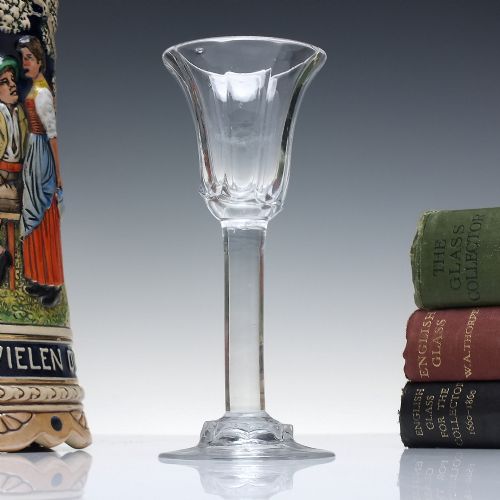
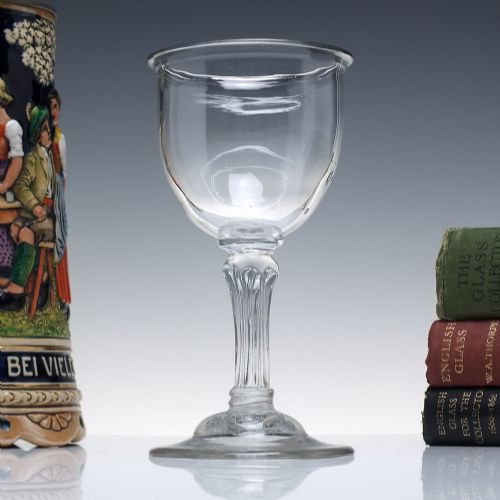
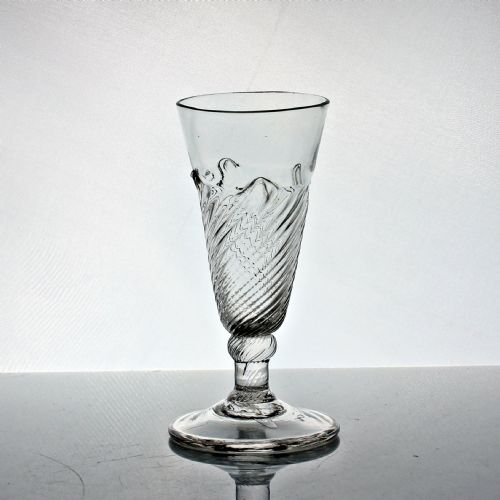
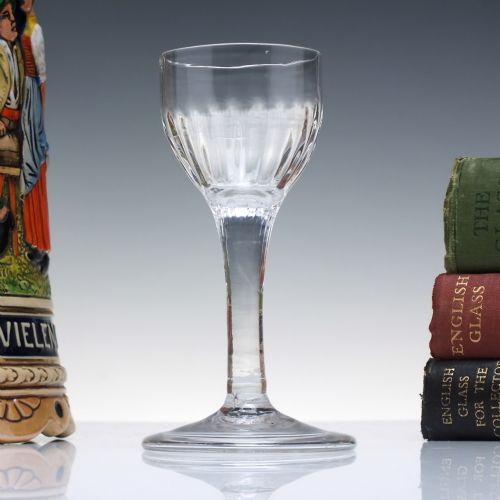
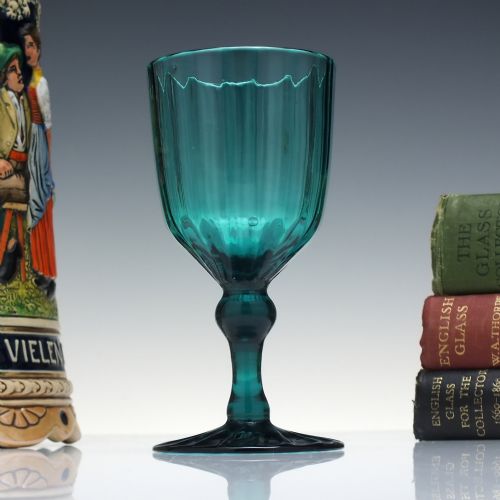
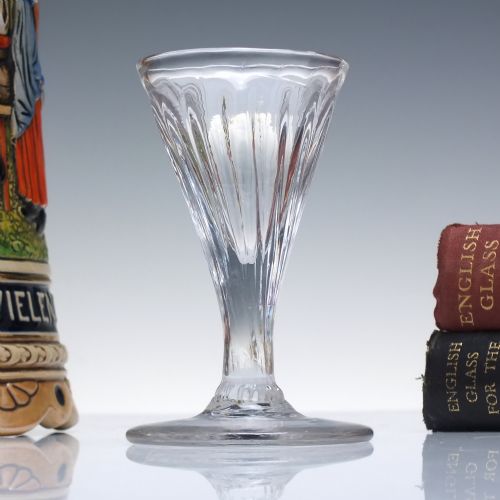
These moulded glass stemware pieces bring tactile 18th-century texture to a table, offering ribbed, fluted, and wrythen surfaces shaped by iron and brass moulds.
Moulded Glass Stemware
Moulded glass stemware comprises drinking vessels, ale glasses, champagne glasses, and sweetmeat glasses produced primarily during the Georgian era and the eighteenth century. Collectors searching for moulded glass stemware encounter forms shaped by pressing molten metal into dip moulds or part-moulds before finishing by hand.
The pieces appearing on this page span the early eighteenth century through to around eighteen hundred, originating from English and continental workshops such as Liege. They showcase distinctive bowl patterns including ribbing, fluting, honeycombs, nuts, and inverted petals.
Plain stems, pedestal stems, and double-series opaque twists support these moulded bowls, frequently featuring folded feet for stability. Buyers most often meet wine glasses and dram glasses bearing these tactile patterns rather than plain blown surfaces.
What varies in quality
The crispness and depth of the moulding define the visual strength of each piece, separating sharp, deep-set ribbing or honeycomb patterns from soft, shallow impressions. The symmetry of the bowl and the straightness of the stem reveal the skill of the gaffer at the chair.
Metal quality alters the weight and refractive brilliance of the vessel, with dense lead glass providing a more sonorous ring and brighter clarity than lighter soda metal. The presence of original manufacturing characteristics, such as untouched folded feet and smooth pontil marks, underpins the integrity of the surviving object.
Moulded Glass Stemware Retail Price Guide 2026
Typical asking prices for moulded glass stemware among the pieces listed under this phrase on Sellingantiques today, from the lower quarter to the upper quarter. They describe what is for sale here now, not the wider market.
Toastmaster dram glasses were supposedly designed with small bowls so guests could drink endlessly without becoming intoxicated too quickly.
The Moulded Glass Stemware Glossary
- Rib-moulded
- Glass blown into a small dip mould featuring vertical or diagonal ridges, leaving a tactile pattern on the exterior of the bowl.
- Folded foot
- A base where the outer rim of the glass is tucked underneath and pressed flat against the underside, adding weight and strength to the foot.
- Wrythen
- A decorative spiral twist imparted to the ribs of a vessel by twisting the hot glass whilst it is expanded in the mould.
- Opaque twist
- A stem containing fine white or coloured enamel threads enclosed within the clear glass rod, formed by twisting canes during manufacture.
- Pontil mark
- The rough, snapped-off scar left on the underside of the foot where the iron rod was detached after finishing the piece.
Moulded Glass Stemware: Frequently Asked Questions
What is moulded glass stemware?
These vessels are drinking glasses formed by pressing molten metal into a patterned mould before blowing and finishing by hand. They encompass wine glasses, ale glasses, and dram glasses from the eighteenth century.
The technique creates optical patterns such as ribs, flutes, and honeycombs across the bowl or body. This process combines mechanical shaping with traditional free-blown stem and foot attachment.
How do I date these glasses?
Dating relies on observing the form of the bowl, the construction of the stem, and the shape of the foot. Eighteenth-century pieces frequently exhibit heavy lead metal, folded feet, and early stem formations.
Changes in glass chemistry, such as the shift from early soda metal to dense lead crystal, also help establish the period. Comparing the moulding style to documented examples narrows down the decade of production.
What is a folded foot?
A folded foot is a base where the artisan has tucked the outer edge of the glass underneath itself before cooling. This creates a thickened, rounded rim that provides extra stability to the vessel.
This feature appears frequently on earlier eighteenth-century stemware to reinforce a vulnerable area. Finding an intact fold indicates that the base has not been ground down over time.
Can I use these glasses today?
These antique drinking vessels are delicate collector pieces rather than robust everyday tableware. Hand washing in tepid water preserves the historic metal and prevents thermal shock.
Careful handling ensures the fragile moulded bowls and slender stems remain undamaged during occasional use. Storing them securely away from heavy impacts protects their structural integrity.