




Clear Glass Sweetmeat Dish
These clear glass sweetmeat dish items are refined serving pieces designed for confabulations and sweet treats, prized for their brilliant clarity and historical charm.
Clear Glass Sweetmeat Dish
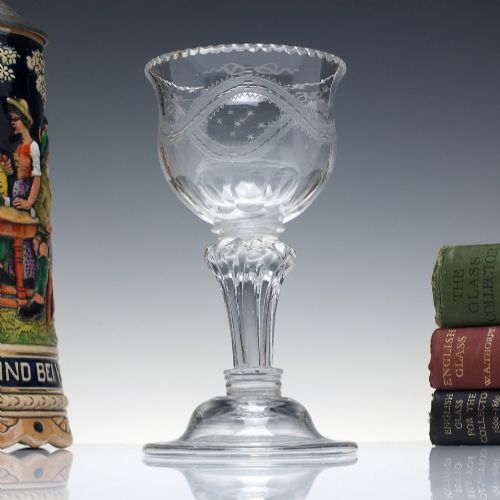
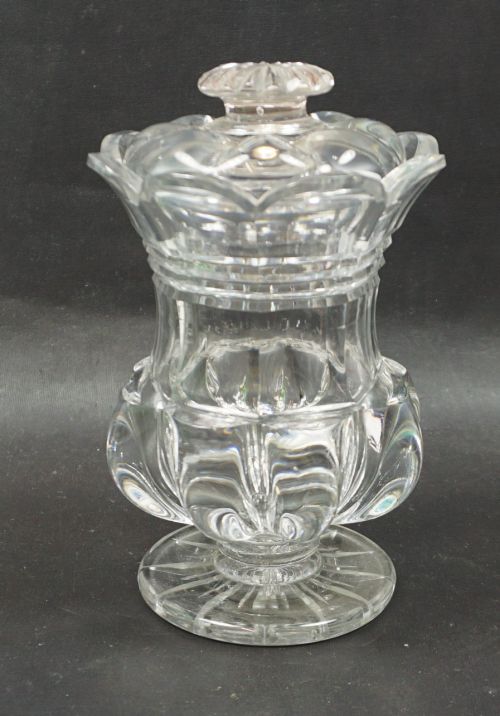
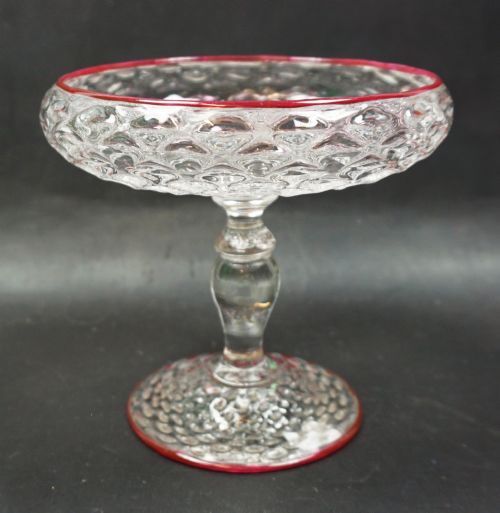
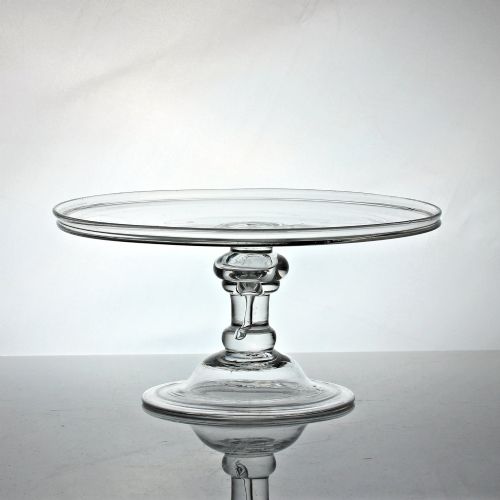
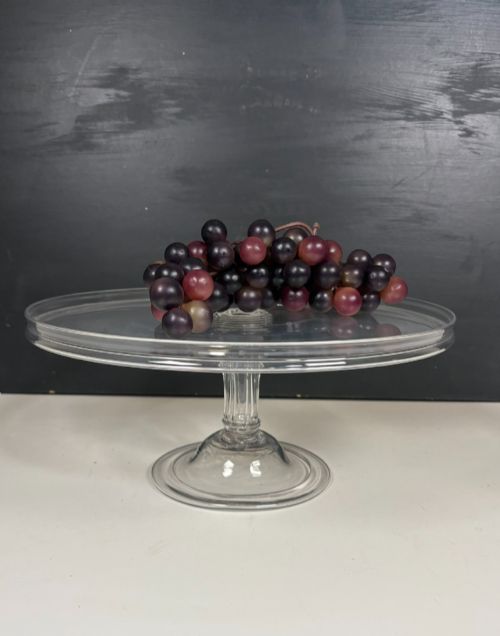
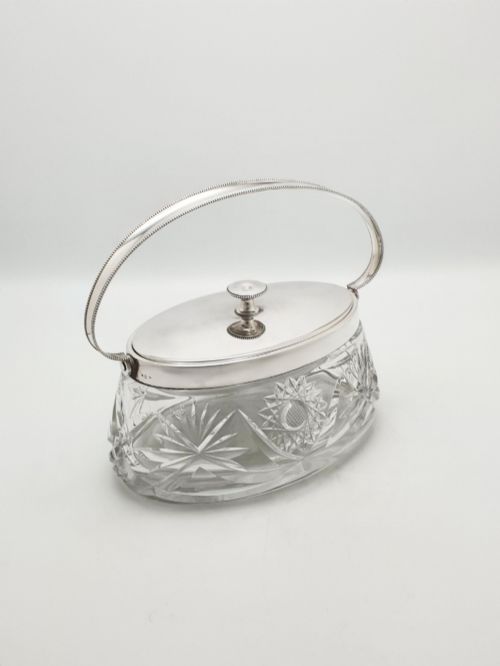
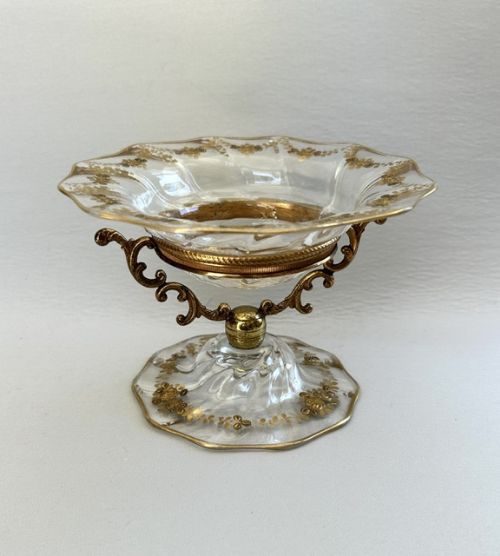
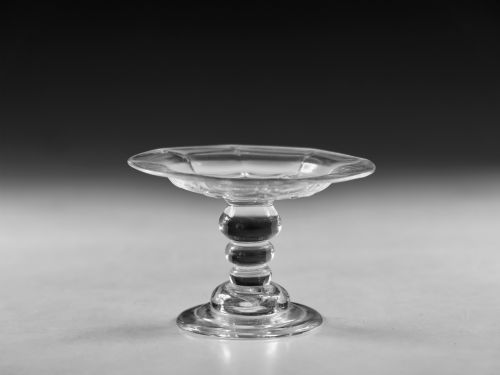
A clear glass sweetmeat dish bridges formal dining and decorative presentation, often taking the form of a tazza, patch stand, or footed bowl. When searching for a clear glass sweetmeat dish, buyers encounter various historical iterations spanning the eighteenth century through the Victorian and Edwardian eras.
The selection ranges from early Georgian baluster glasses and miniature patch stands to late nineteenth-century cut crystal bowls mounted in silver or silver plate. These serving vessels reflect shifting dining habits, moving from high-pedestal sweetmeat glasses used for preserves and confectionery to larger covered jars and decorative dishes.
What Varies in Quality
Quality rests upon the crispness of the moulding, the brilliance and weight of the lead crystal, and the proportional harmony of the stem and foot. Early examples demonstrate precision in their ribbed or honeycomb patterns and the structural integrity of their baluster stems.
The refinement of any accompanying silver or silver plate mountings, along with the preservation of gilding and enamel details, further distinguishes the finer pieces in the range.
Clear Glass Sweetmeat Dish Retail Price Guide 2026
Typical asking prices for clear glass sweetmeat dish among the pieces listed under this phrase on Sellingantiques today, from the lower quarter to the upper quarter. They describe what is for sale here now, not the wider market.
The available selection includes Georgian baluster forms, Victorian covered candy bowls, and Edwardian silver-mounted receptacles.
WMF
The Clear Glass Sweetmeat Dish Glossary
- Sweetmeat glass
- A specialised stemmed glass vessel designed for serving sweetmeats, nuts, or small preserves during formal dining. These pieces often feature tiered feet and elaborate knops.
- Tazza
- A shallow bowl raised on a high foot or pedestal, used for displaying fruit, confectionery, or sweetmeats. The form originates in Renaissance dining and persists through the Georgian and Victorian periods.
- Patch stand
- A miniature stemmed dish traditionally used to hold cosmetic beauty patches. They share similar diminutive proportions with early sweetmeat and patch plates.
- Baluster stem
- A thick, turned stem resembling an architectural baluster, common on eighteenth-century drinking vessels and sweetmeat glasses. It provides both structural weight and tactile interest.
- Opaque twist
- A decorative glassmaking technique where white or coloured enamel rods are twisted within the clear glass stem. This method defines many mid-eighteenth-century English pieces.
Clear Glass Sweetmeat Dish: Frequently Asked Questions
What were sweetmeat dishes used for?
These dishes held sugary preserves, dried fruits, nuts, and small confectionery during formal dining and dessert courses. They functioned both as practical tableware and as decorative centerpieces on the dining table.
Over time, their designs evolved from high-stemmed glasses meant for individual or shared confections into larger covered bowls and dishes suitable for domestic parlours.
How do I date a glass sweetmeat dish?
Dating relies on examining the manufacturing techniques, glass composition, and stylistic markers such as stem construction and foot shape. Eighteenth-century pieces often display baluster or opaque twist stems and pontil marks on the base.
Later Victorian and Edwardian examples frequently incorporate machine cutting, heavier lead crystal, or metal mounts like silver plate and ormolu.
Are these dishes safe to use for food?
Most antique pieces function primarily as decorative objects or collection items rather than everyday tableware. Older lead glass compositions require gentle hand washing and should not be exposed to sudden temperature changes or acidic foods for extended periods.
Buyers generally display them on sideboards, cabinets, or tables to preserve their historical surfaces.
What is the difference between a tazza and a sweetmeat dish?
A tazza is specifically a shallow vessel raised upon a central foot or pedestal, designed for presentation. A sweetmeat dish encompasses a broader category that includes flat plates, shallow bowls, and jars.
Many sweetmeat forms double as tazze, particularly when elevated on a prominent foot or stem.