
Antique London Silver
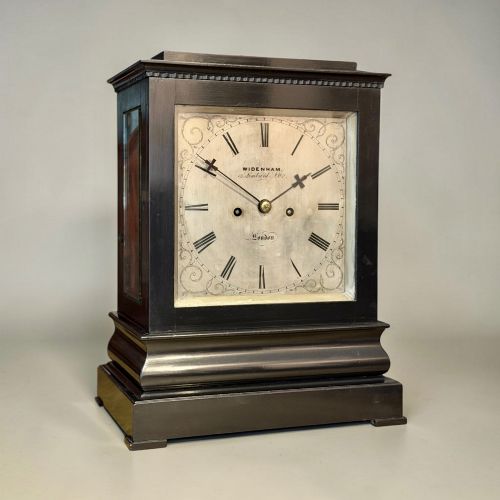
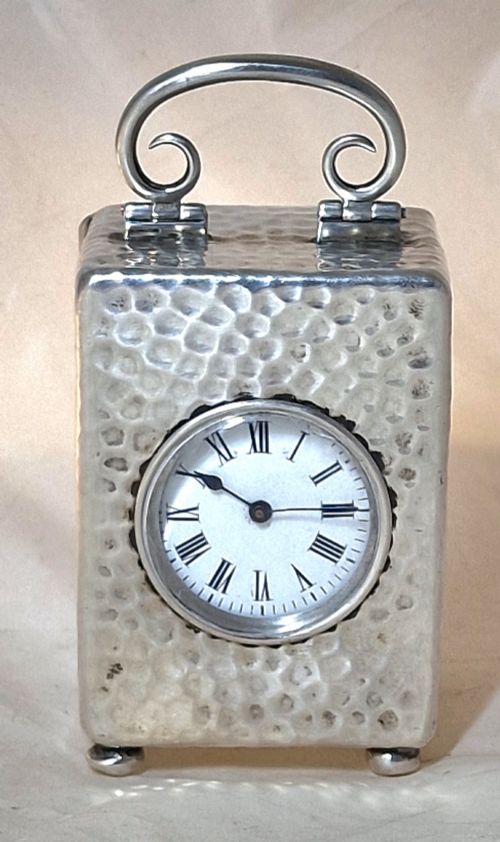
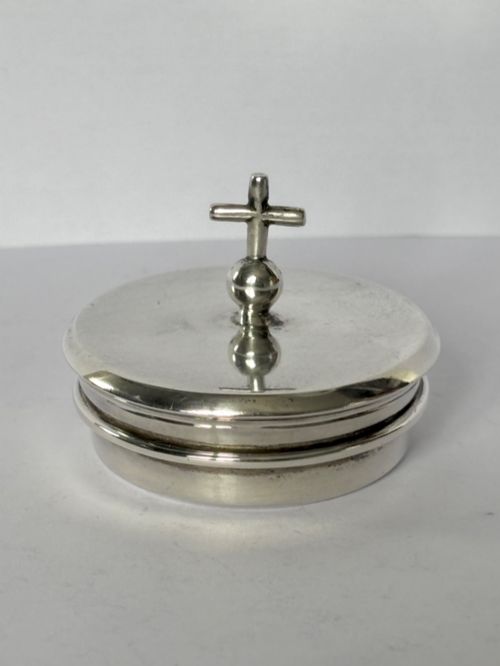
These pieces of antique london silver span centuries of assay office craftsmanship, offering collectors everything from Georgian tableware to Edwardian desk accessories.
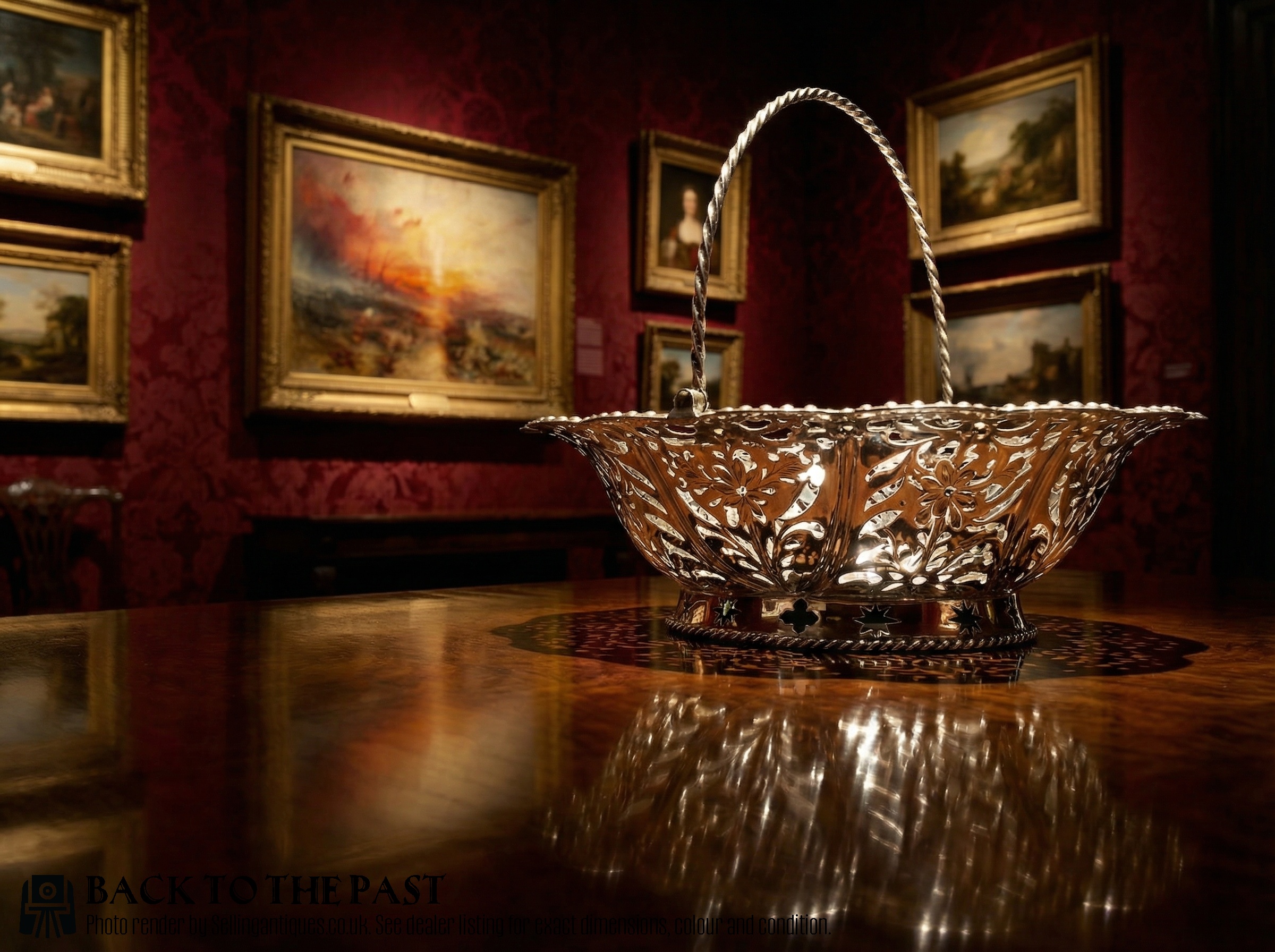
Antique London Silver
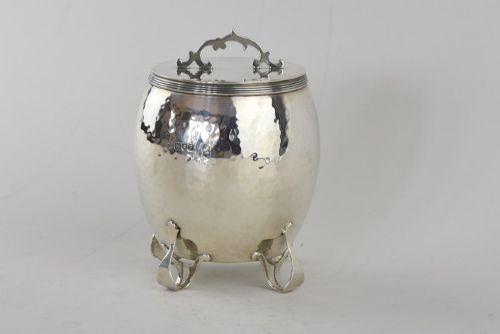
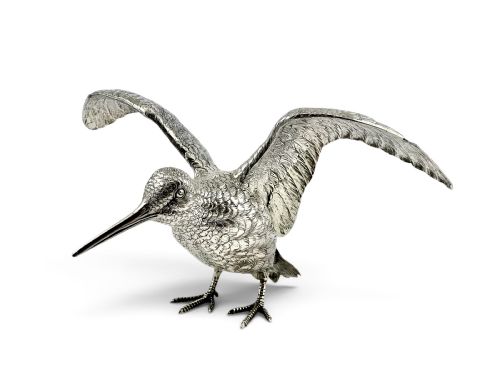
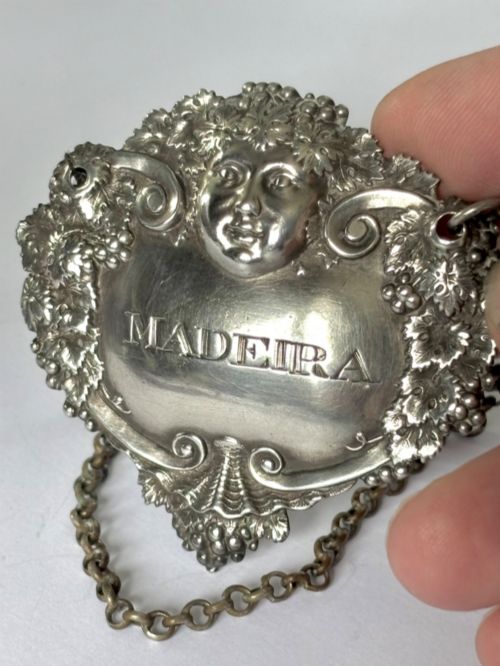
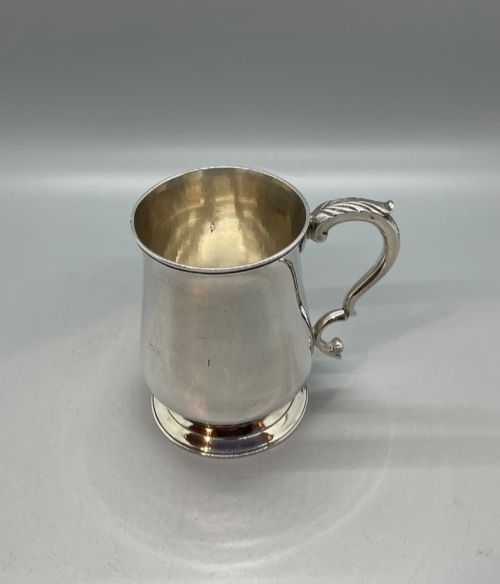
When searching for antique london silver, buyers encounter an extensive range of items bearing the leopard head and walking leopard marks of the capital's assay office. The selection spans utilitarian tableware, personal accessories, and decorative objects created across the Georgian, Victorian, and Edwardian eras.
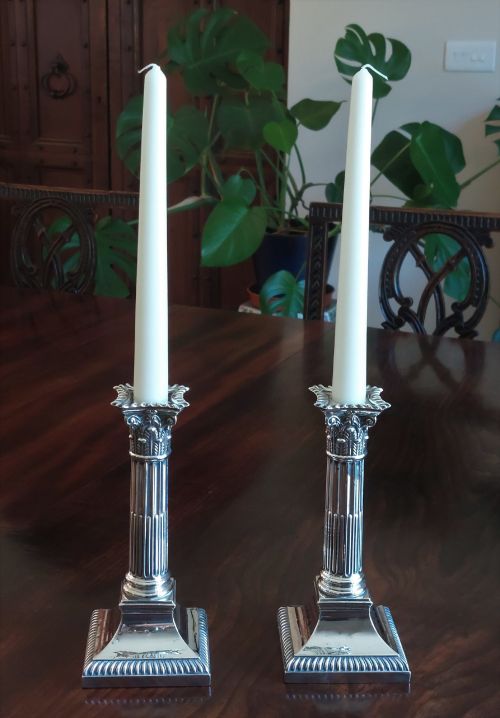
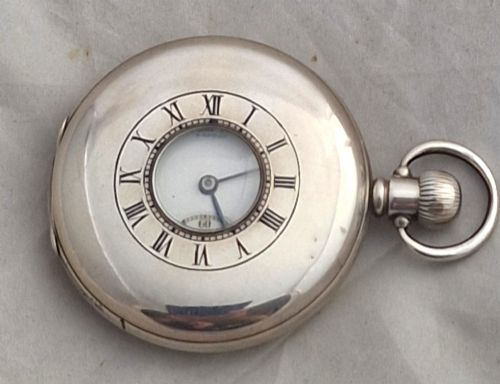
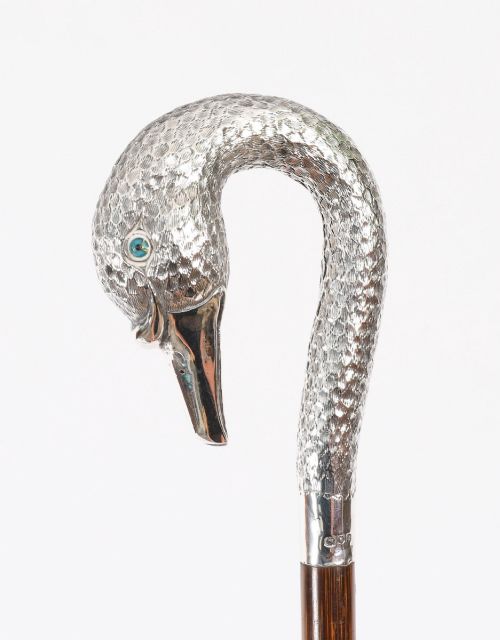
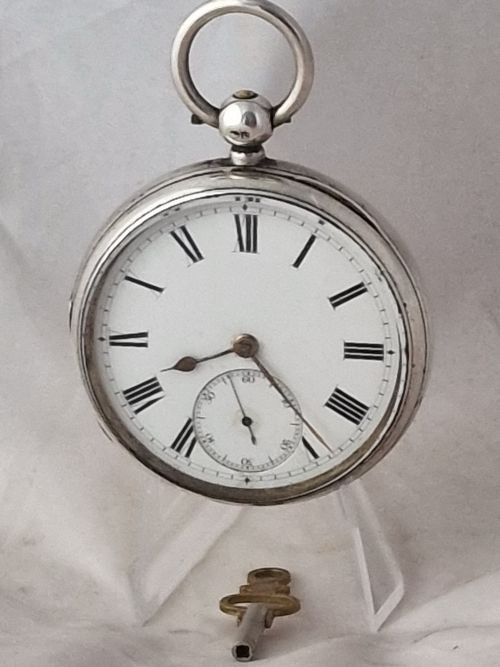
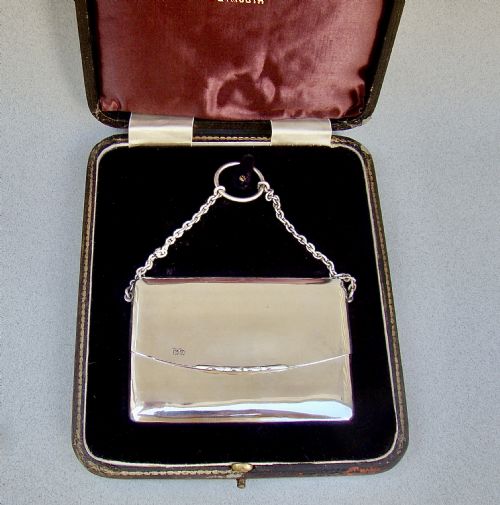
The objects vary widely in form, including pocket watches, snuff boxes, walking canes, tea caddies, and candlesticks. Domestic silver pieces such as mustard pots, wine funnels, and salt cellars appear frequently alongside personal items like card cases and vesta boxes.
How they were made
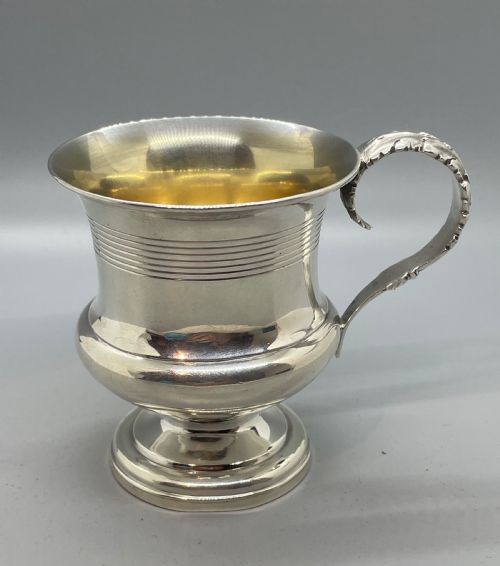
Makers shaped these items primarily from sterling silver, frequently employing silver gilt or partial gilding to highlight interior surfaces and decorative motifs. Techniques combined traditional hand-raising and hammering with cast elements, particularly for handles, feet, and applied ornamentation.
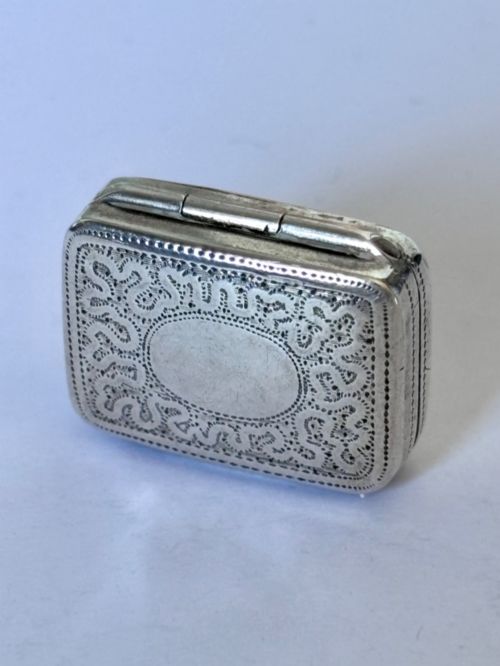
Detail work relied on chasing, engraving, and bright-cut engraving to create crisp surface patterns. Specialised items incorporate contrasting materials such as glass, enamel, mahogany, and crocodile skin leather alongside the primary silver structure.
Victorian silversmiths engineered tiny silver beetles and double-ended cigars to safely hold matches in gentlemen's pockets.
What varies in quality
Quality in these items rests upon the clarity of the London hallmarks, the crispness of the chased or engraved decoration, and the structural integrity of hinged lids and joints. Master silversmiths achieved superior definition in novelty pieces and figural work, ensuring realistic proportions and tactile weight.
The reputation of the maker significantly influences standing, with pieces originating from renowned workshops displaying superior finishing and proportion. The preservation of original gilding and the quality of integrated secondary materials like hand-cut glass or fitted leather further distinguish high-grade examples.
F. Osbourne & Co·Charles Edwards·Goldsmiths and Silversmiths Company·Willian Aitken·Sampson Mordan & Co·Garrard & Co·Charles & George Fox·David Hennell·Solomon Hougham·William Burwash·Robert Pringle & Sons·Henry Perkins·Thomas Bradbury·Thomas Whipham·Charles Stuart Harris·Matthew John Jessop·Paul Storr·William Skeen·Roger Biggs·George Adams·Omar Ramsden·Stephen J Rose·William Robertson·Thomas J Watson·Richard Hodd & Son
The Antique London Silver Glossary
- Hallmark
- Official marks stamped on precious metals to guarantee standard of purity, originating from assay offices such as London. These stamps typically include the maker's mark, standard mark, and date letter.
- Vinaigrette
- A small ornamental box featuring a perforated internal grille, designed to hold a sponge soaked in aromatic vinegar. These personal accessories were popular during the Georgian and Victorian periods.
- Tazza
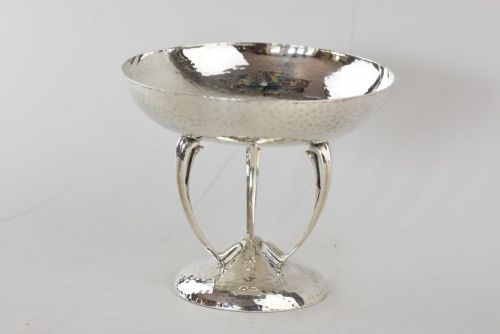
- A shallow saucer-like ornamental cup mounted on a stem and foot, utilised for serving small items or display. Examples range from plain Georgian forms to hammered Arts and Crafts creations.
- Vesta case
- A pocket-sized container manufactured with a rough striking surface on the base, created to hold matches safely. Many antique versions feature novelty shapes or integrated cigar cutters.
Antique London Silver: Frequently Asked Questions
How do I date antique london silver?
Dating relies primarily on the stamped date letter within the London assay office punch sequence, which changes annually.
Additional chronological clues come from the maker's mark, the stylistic period of the decoration, and any engraved monograms or presentation inscriptions.
Were these silver pieces used every day?
Many items, such as tea caddies, flatware, mustard pots, and wine funnels, were intended for active daily domestic service in wealthy households.
Other objects served specialised social rituals or personal organisation, including calling card cases, vesta boxes, and pocket watch cases designed for travel.
How should I clean antique silver?
Maintenance requires gentle washing with warm water and mild soap, avoiding harsh abrasive dips that strip away desirable historical patination.
Specialist non-abrasive silver cloth or paste should be used sparingly to remove active tarnish while preserving crisp assay marks and fine engraving.