



Georgian Style Male Portrait
A georgian style male portrait brings the gravity and presence of earlier centuries directly into a modern room.
Georgian Style Male Portrait
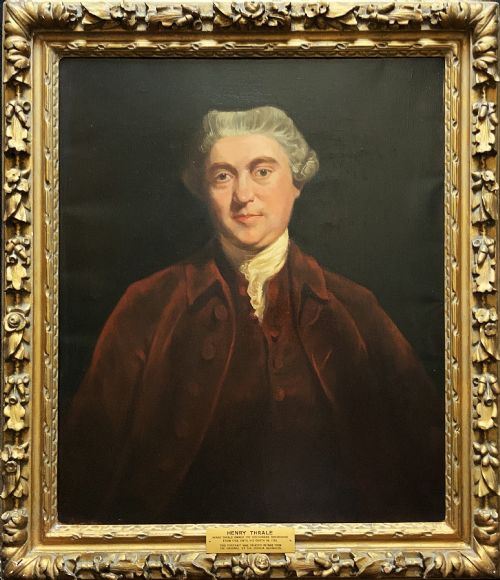
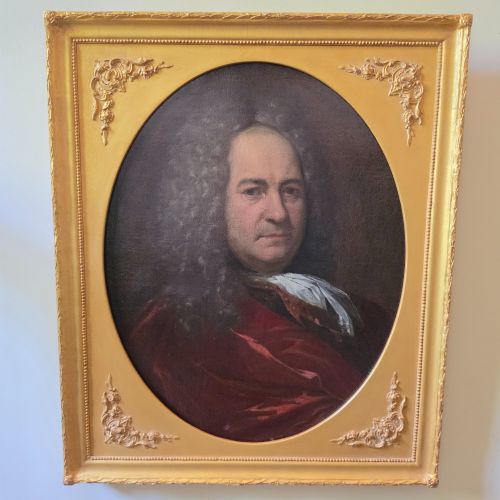
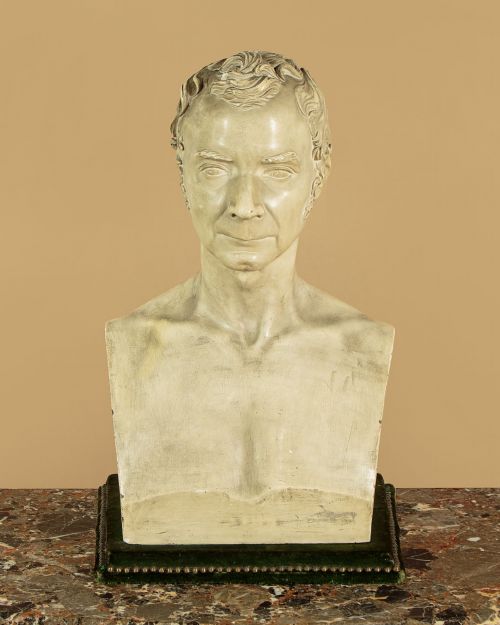
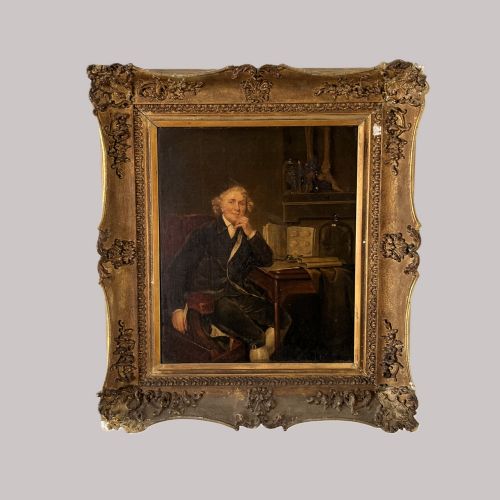
A georgian style male portrait captures the likeness and status of gentlemen from the eighteenth century onwards, rendered through oil paint and occasionally sculpted in marble or plaster. You encounter oil paintings on canvas alongside sculptural busts representing philosophers, aristocrats, and notable figures.
The selection ranges from original eighteenth-century works and pieces created in the manner of historical artists to later interpretations produced across the nineteenth and twentieth centuries. These works reflect both period authenticity and retrospective revivals spanning the regency era and beyond.
Subjects appear through diverse stylistic lenses, encompassing British portraiture, French baroque influences, folk art interpretations, and neoclassical bust forms. Each piece offers a distinct window into historical depiction, whether through a formal oil on canvas or a textured plaster cast.
What varies in quality
The skill of the brushwork and the precision of facial rendering separate ambitious portraits from simpler folk art or decorative interpretations. Masterly handling of light and shadow defines the depth of character in superior oil paintings.
Material selection and frame craftsmanship also differentiate pieces, with carved giltwood surrounds and genuine marble holding greater substance than moulded plaster or simpler wooden frames.
Georgian Style Male Portrait Retail Price Guide 2026
Typical asking prices for georgian style male portrait among the pieces listed under this phrase on Sellingantiques today, from the lower quarter to the upper quarter. They describe what is for sale here now, not the wider market.
Several gentlemen stare down viewers with an expression suggesting they strongly disapprove of modern interior design choices.
Sir Joshua Reynolds·Allan Ramsay·Nicolas De Largillière·Michael Dahl·Edward Alcock·John Opie·Bartholomeus van Burgindis·Andrea Soldi·Thomas Hudson
The Georgian Style Male Portrait Glossary
- Oil on Canvas
- Pigment bound in drying oil applied to a woven fabric support. This technique allowed artists to achieve rich tonal gradations and lasting depth.
- Giltwood
- Wood carved and covered with a thin layer of gold leaf. It commonly frames historical paintings to enhance their visual presence.
- Gesso
- A paint mixture consisting of a neutral binder mixed with chalk, gypsum, or pigment. It prepares surfaces for gilding or painting.
- Neoclassical
- A style inspired by the classical art and culture of ancient Greece and Rome. It prioritises solemnity and severe sculptural lines.
Georgian Style Male Portrait: Frequently Asked Questions
How do I hang a large portrait?
Support heavy giltwood frames securely using appropriate wall fixings suited to your plaster or brick surface. Hang the centre point of the canvas at comfortable eye level to establish proper balance in the room.
Allow the piece adequate wall space so the dark tones and traditional framing can breathe without competing with adjacent furniture or artwork.
Can I place busts near windows?
Keep marble and plaster busts away from direct, harsh sunlight to prevent gradual surface degradation. Stable indoor temperatures protect plaster from potential cracking over time.
Position sculptural pieces on sturdy console tables or dedicated pedestals where their contours catch indirect ambient light.
How do I clean old oil paintings?
Dust canvases gently using a soft, dry artist brush without applying pressure to the paint surface. Avoid using water, damp cloths, or commercial cleaning solutions on aged oil paint.
Consult a professional art conservator if the canvas accumulates heavy grime or if the varnish layer yellows significantly.
Are these portraits original period pieces?
The selection includes authentic eighteenth-century works alongside later twentieth-century interpretations created in historical styles. Check the listed periods to distinguish eighteenth-century pieces from later revivals.
Stylistic markers and framing materials often help identify whether a work originates from the period it depicts or a subsequent era.