

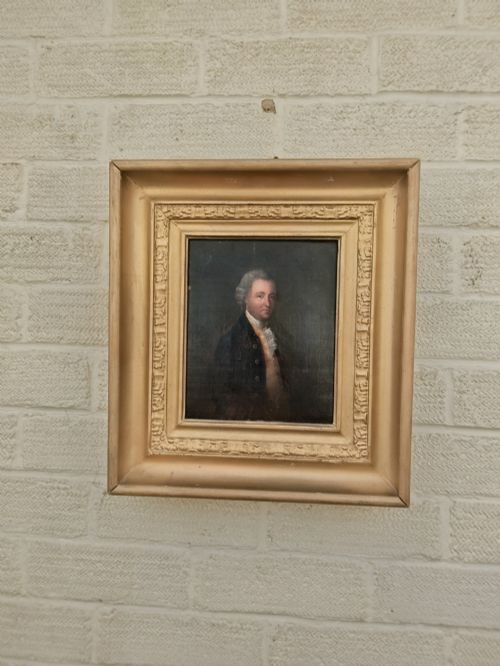
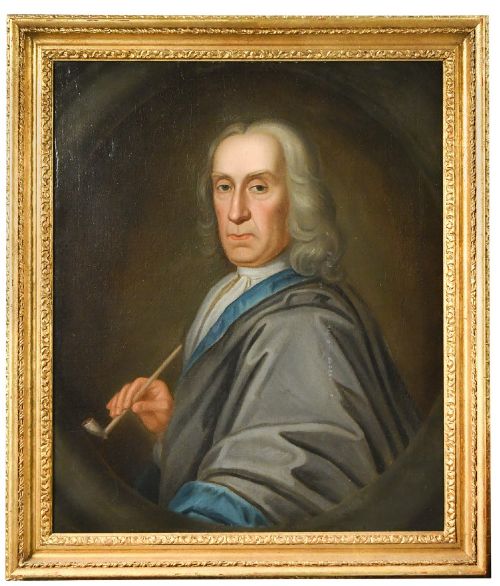
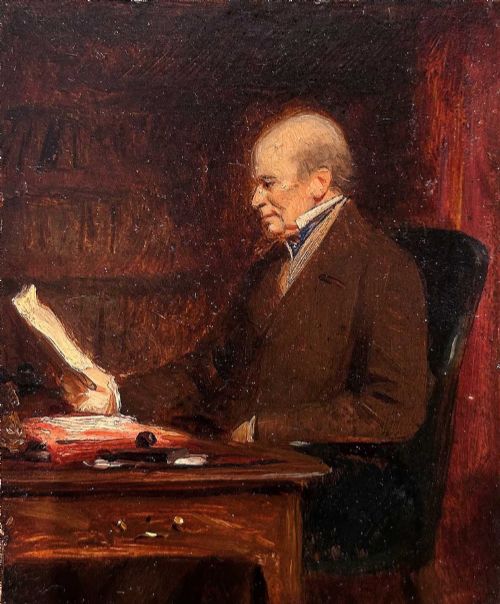
Historic Portrait Painting Canvas
A historic portrait painting canvas captures centuries of individual likeness through oil paint applied to woven fabric, offering collectors a direct link to past eras.
Historic Portrait Painting Canvas
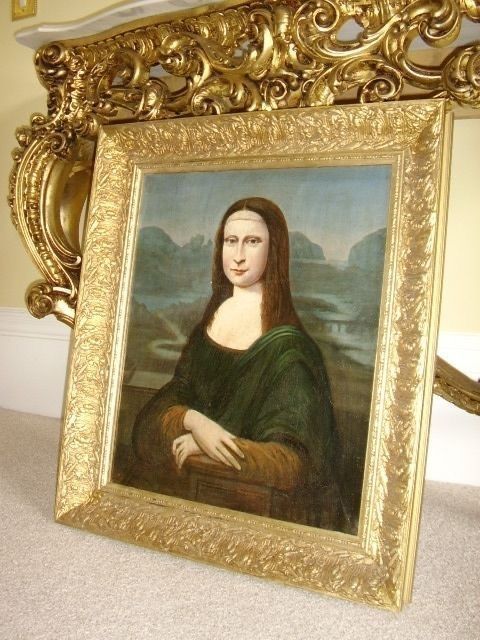
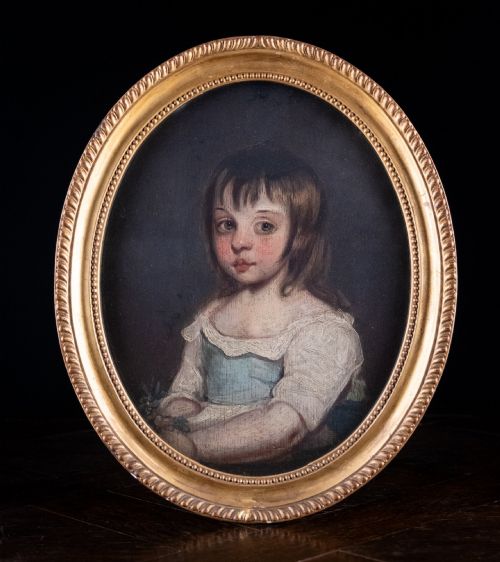
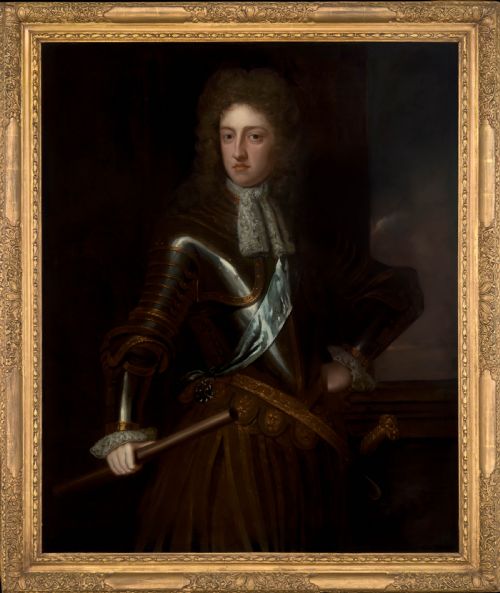
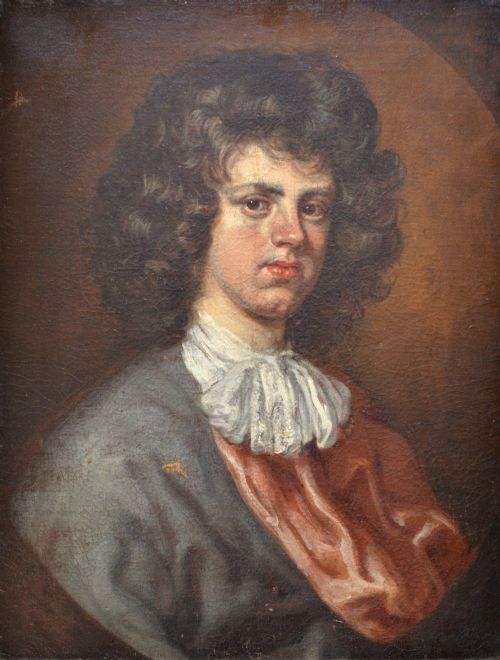
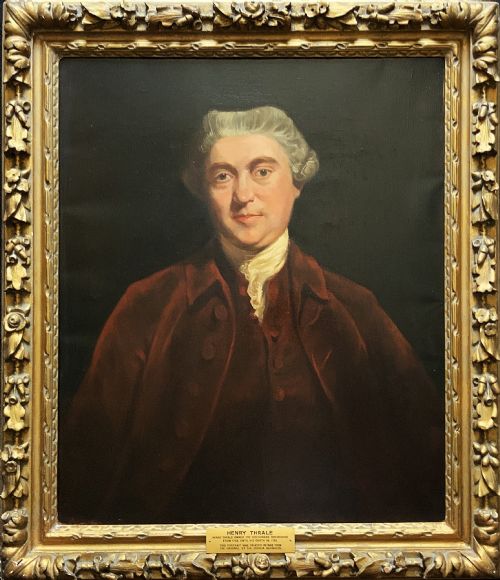
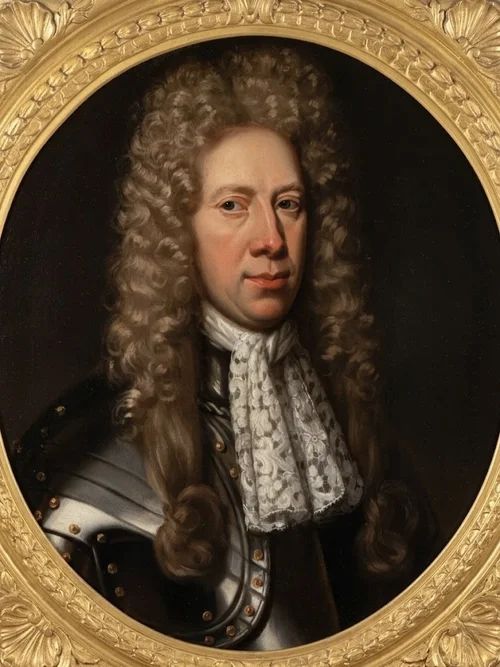
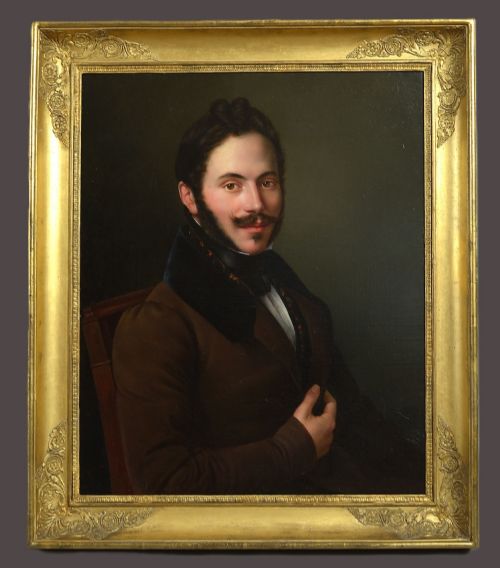
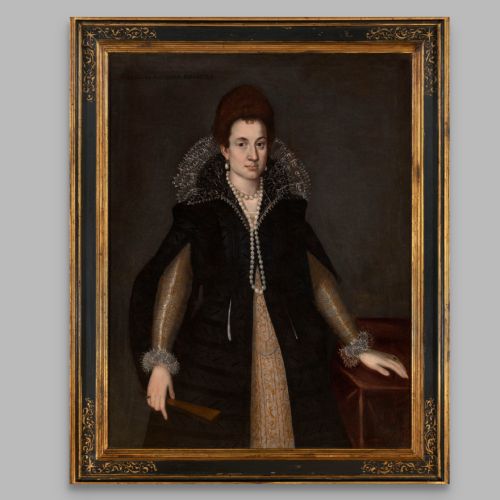
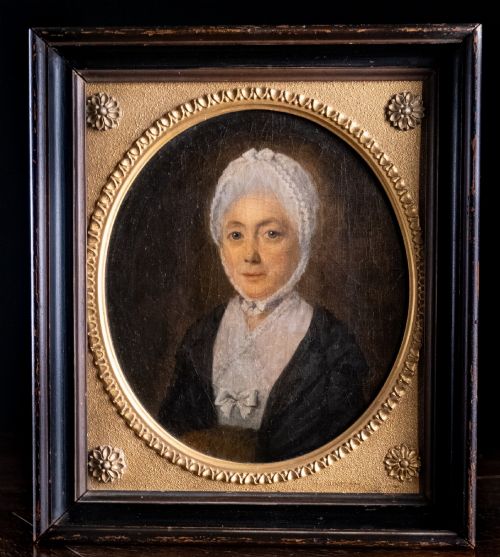
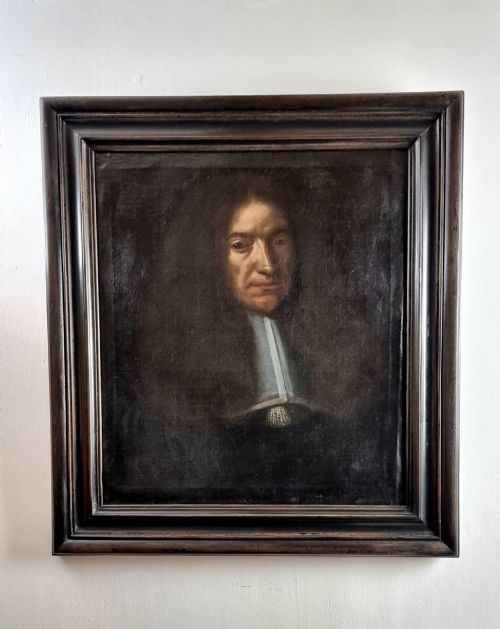
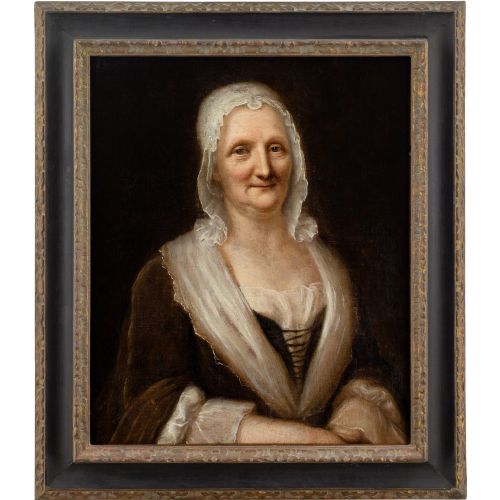
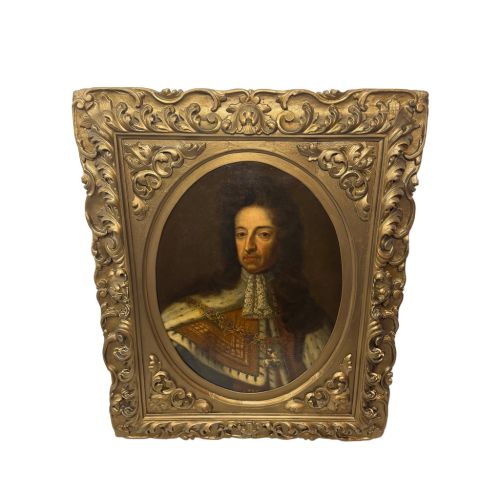
When you search for a historic portrait painting canvas, you encounter oil works depicting sitters ranging from seventeenth-century judges and nobility to eighteenth-century country girls and military officers. These pieces encompass British, French, Flemish and Northern European schools, varying from formal studio commissions to intimate study portraits.
The works on this page appear predominantly in oil on canvas, housed within period frames of wood, giltwood, and gold leaf. Examples stretch chronologically from the seventeenth century through the Georgian, Regency, and Victorian periods, alongside later twentieth-century interpretations after earlier masters.
Materials and Construction
Makers built these works using woven canvas stretched over wooden frames, providing a stable support for applications of oil paint. Artists utilised varied pigment mixtures to render skin tones, fabrics such as lace jabots or crimson coats, and background details.
Many surviving pieces retain their original frames constructed from wood and embellished with giltwood or gold leaf. These frames frequently complement the era of the painting, ranging from heavy Baroque mouldings to later Regency designs.
Listings feature works spanning the 17th, 18th, and 19th centuries, executed in oil on canvas with original giltwood frames.
Markers of Quality
Provenance and attribution also differentiate the range, with signed pieces or those assigned by scholars to notable circles commanding greater historical interest. The survival of the original canvas stretcher and contemporary frame adds substantial integrity to the piece.
Sir William Beechey·Sir Godfrey Kneller·Mary Beale·John Scougall·Edouard Pingret·Pietro Fachetti·John Greenhill·William Millar·Frank Moss Bennett·Joseph Heard·George Chinnery
The Historic Portrait Painting Canvas Glossary
- Oil on Canvas
- A painting medium where pigments suspended in drying oils are applied to a woven fabric support. This combination allowed artists to achieve rich colour depths and subtle blending.
- Giltwood
- Wood carved and covered with a thin layer of gold leaf or gilt. This material was standard for framing high-status portraits across the seventeenth and eighteenth centuries.
- Circle of
- A designation used when a painting originates from an unidentified artist working closely within the style and workshop of a known master. It denotes proximity to a prominent hand without direct attribution.
- School
- A grouping of artists working in a particular region or during a specific period who share common stylistic traits. French School and English School are common examples.
- Jabot
- A decorative lace or ruffled frill attached to the collar of a shirt, frequently rendered in eighteenth-century portraiture to denote social standing.
Historic Portrait Painting Canvas: Frequently Asked Questions
How do I date a portrait canvas?
Dating relies heavily on the sitter's costume, hairstyle, and framing style, alongside any visible signatures or inscriptions. Clues such as a lace jabot or military uniform often point to specific decades.
Material analysis of the canvas weave and the wooden stretcher can provide additional supporting evidence for the period of creation.
What does attribution to a school mean?
An attribution to a specific regional school indicates that the work shares the aesthetic characteristics, palette, and techniques typical of that area and era. It acknowledges the hand of a trained painter whose specific identity remains unrecorded.
These works demonstrate the widespread dissemination of portraiture conventions across European artistic centres.
How were these portraits originally displayed?
Historic portraits usually hung within the formal reception rooms, galleries, or libraries of country houses and town residences. They served to project lineage, status, and familial continuity to visitors.
The heavy giltwood frames were selected to complement domestic interior architecture and reflect candlelight effectively.
Are these paintings restored?
Many historic canvases have undergone conservation work over the centuries to address stability, clean surface grime, or secure old paint layers. Professional intervention helps preserve the structural integrity of the fabric and the readability of the composition.
Examining the canvas reverse often reveals relining or patch repairs from previous generations of maintenance.