21,155  PAGES BROWSED TODAY PAGES TODAY 21 ANTIQUES UPLOADED TODAYNEW ARRIVALS
21 ITEMS ADDED TODAY
Sort Order
Items Per Page
Browse Categories
Sort order
Relevant Links
Items per page
ID #SA1232910
FOR SALE
£11,850
Email
Save
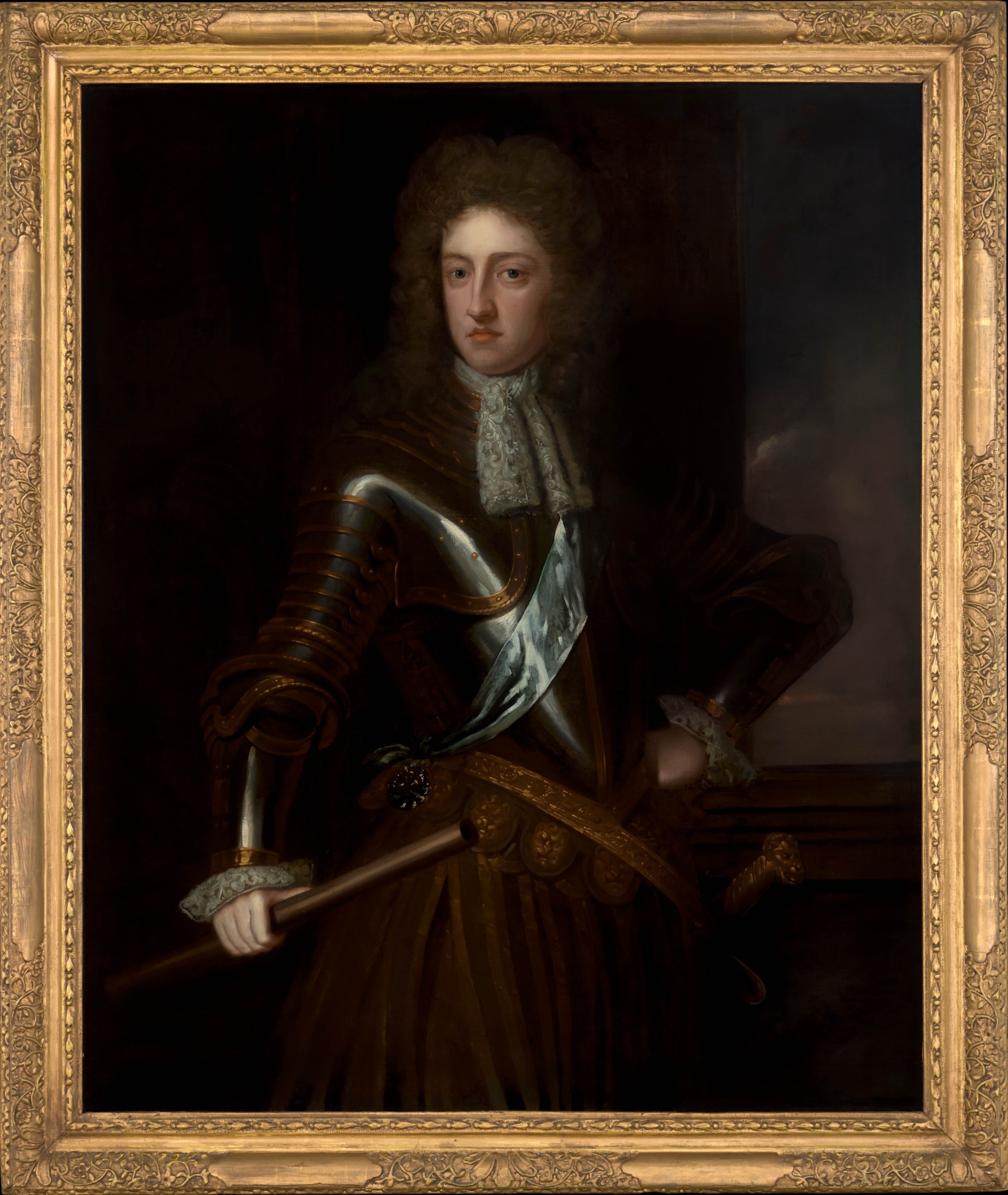
Portrait of Prince George of Denmark, Duke of Cumberland (1653–1708) C.1690–1695; Studio of Sir Godfrey Kneller (1646–1723), Oil on Canvas Painting
Titan Fine Art
for sale €13,865     $15,050
£11,850
Titan Fine Art

Titan Fine Art

Sellingantiques Verified Since Jul 2016
View Dealers Stock Page
  • About Us
    Specialist in 17th & 18thc portraits. Highly curated selection, museum-level research & pro conservation. Exceptional art, expertly vetted.
Id #SA1232910
PDF SHARE
SAVE

Portrait of Prince George of Denmark, Duke of Cumberland (1653–1708) C.1690–1695; Studio of Sir Godfrey Kneller (1646–1723), Oil on Canvas Painting

17th century
For Sale by Titan Fine Art
Description

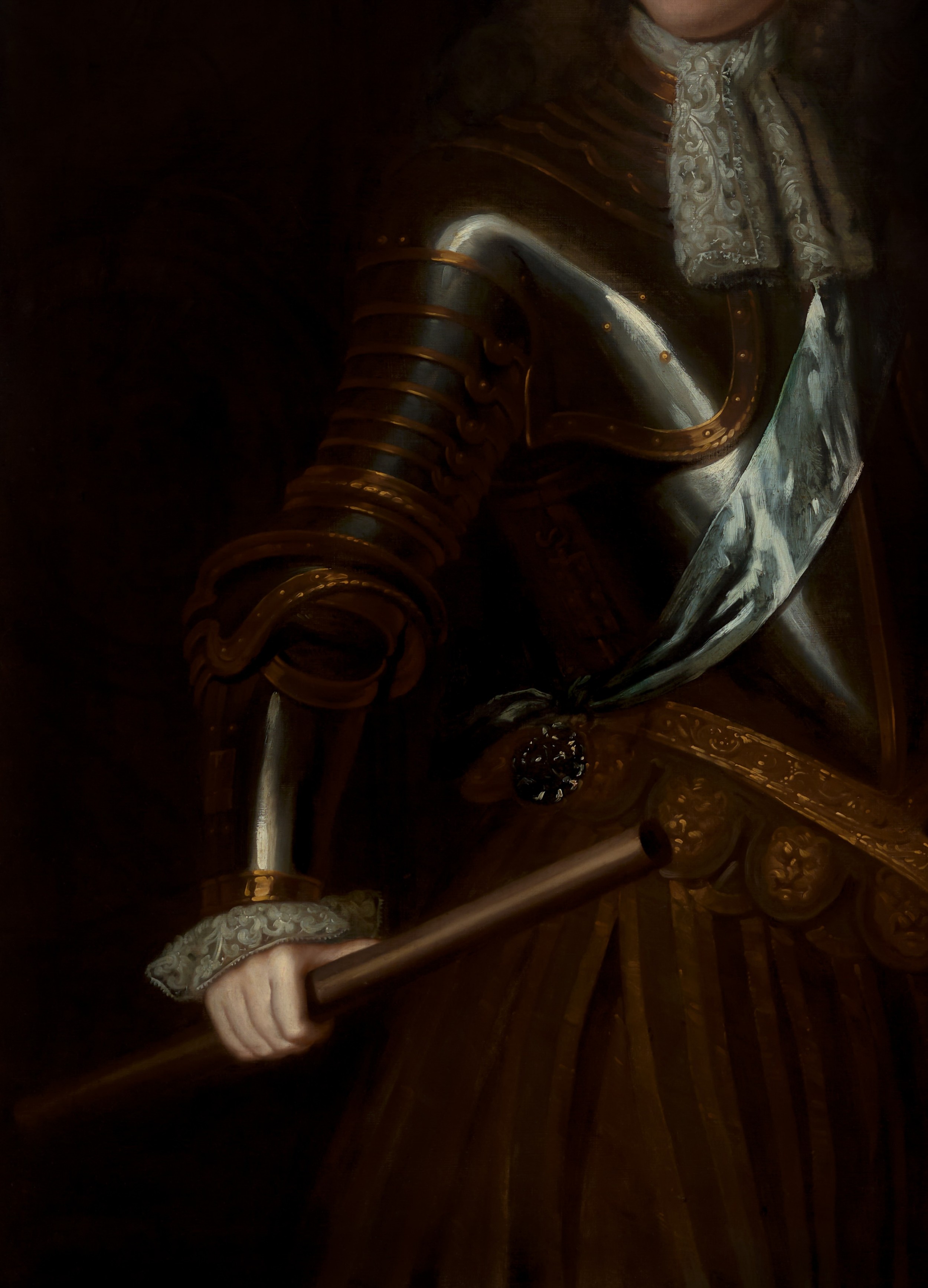
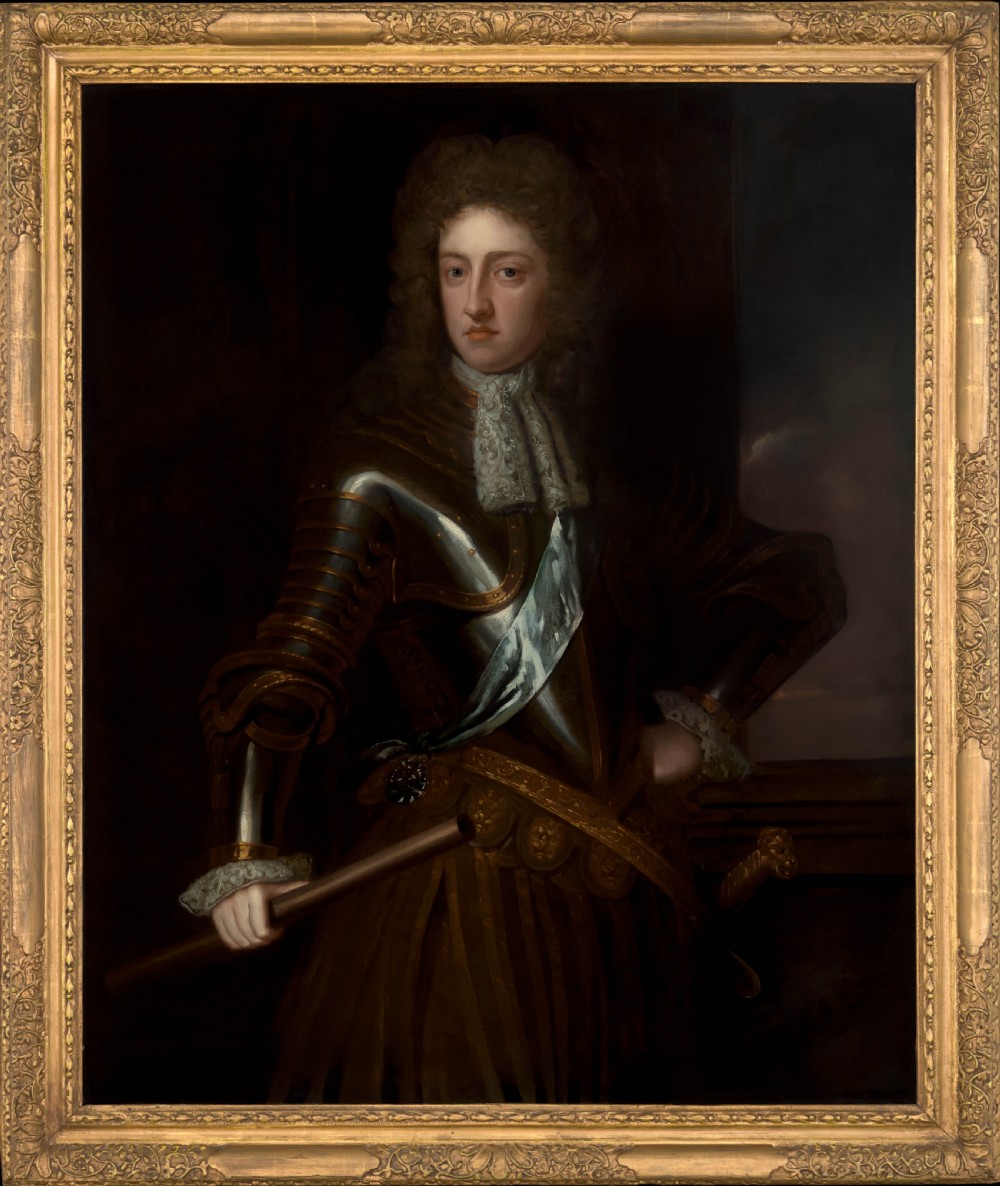
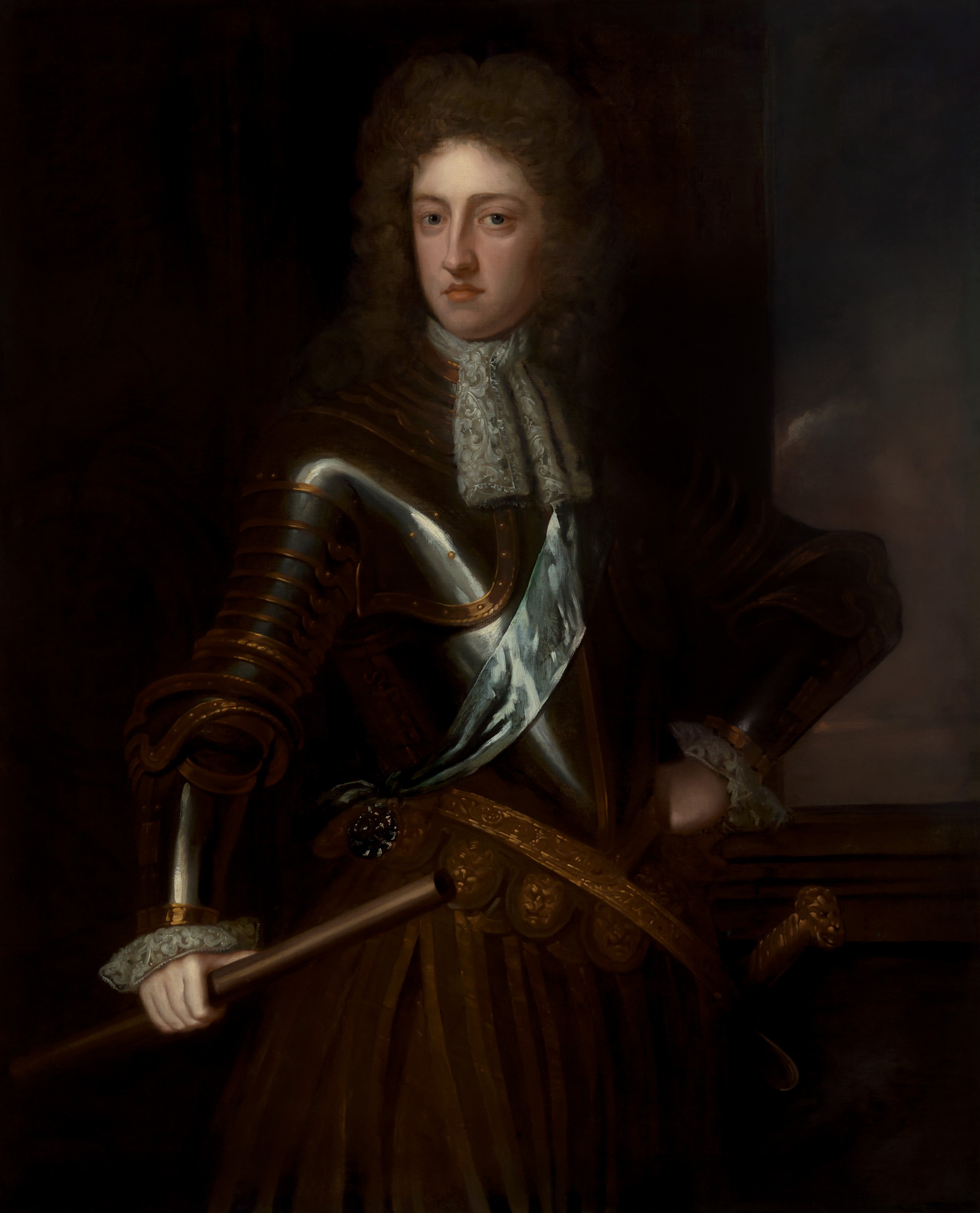
This commanding three-quarter-length portrait of Prince George of Denmark exemplifies the visual authority and dynastic symbolism of the late Stuart court. Shown in gleaming ceremonial armour with the blue ribbon of the Order of the Garter, the sitter projects princely authority, military virtue and high aristocratic rank. The polished breastplate, articulated shoulder pieces and baton of command evoke the rhetoric of power typical of late seventeenth-century royal portraiture, while the voluminous periwig and lace cuffs place the work firmly in the c.1690–1700 period, when English court portraiture reached its height.
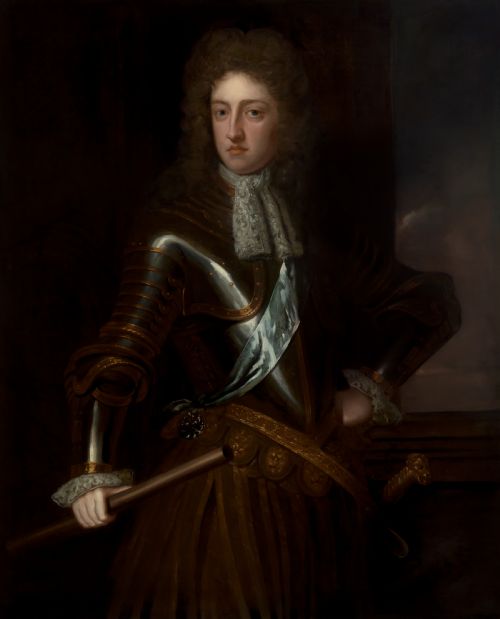
Prince George (1653–1708), younger son of King Frederick III of Denmark, entered English history through his 1683 marriage to Princess Anne, later Queen Anne. Though initially viewed with some scepticism in England, he became known as a loyal and devoted husband. The couple’s life unfolded during the upheavals of the Glorious Revolution, which deposed Anne’s father James II and placed William III and Mary II on the throne. George aligned himself with the new regime, was created Duke of Cumberland in 1689, and was invested as a Knight of the Garter soon after. His public reputation rested less on military achievement than on steadfast support for Anne, particularly through the personal tragedies of their many lost children. When Anne became queen in 1702, George served as consort until his death in 1708.
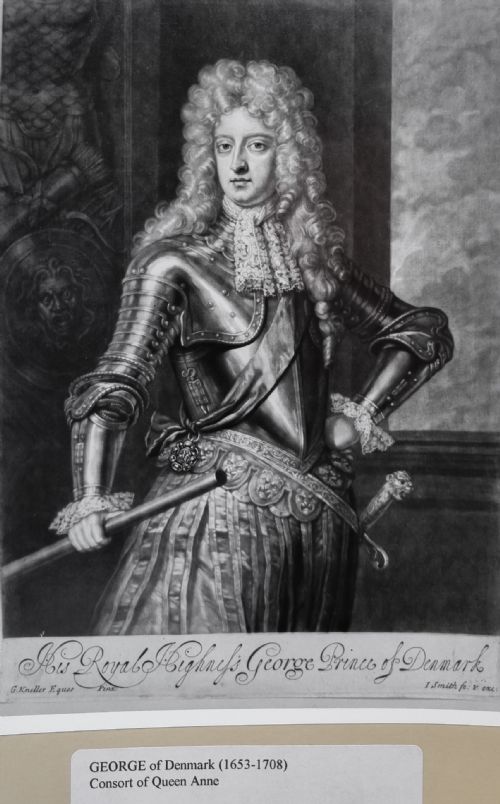
The portrait belongs to the sophisticated production of Sir Godfrey Kneller’s studio, the dominant force in English portraiture from the reign of Charles II to that of George I. Kneller’s workshop operated an efficient system capable of producing multiple versions of successful compositions for aristocratic patrons, diplomatic gifts and royal households. This portrait corresponds exactly to a composition engraved by the celebrated mezzotint engraver John Smith, whose print bears the inscription “G. Kneller pinxt,” confirming Kneller as the originator of the type. The engraving, preserved in the Royal Collection and other major institutions, demonstrates the wide circulation and prestige of this portrait model during the late Stuart period.
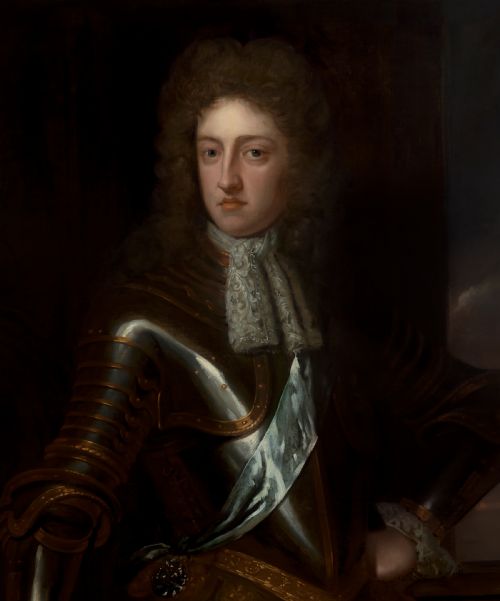
Such studio portraits played a central role in disseminating royal imagery across Britain, reinforcing loyalty and dynastic identity. The present work, at the standard Kneller three-quarter format of roughly 50 × 40 inches, fits squarely within this tradition. Its eighteenth-century carved and gilded frame enhances the grandeur of the composition, complementing the dark background and the reflective armour.
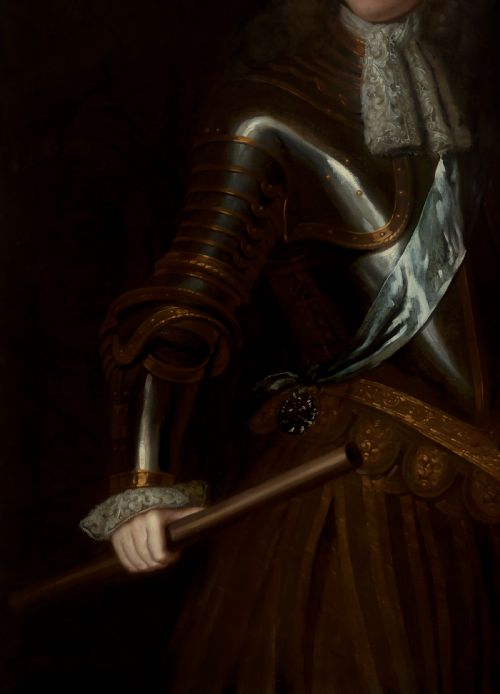
As a studio version of a documented Kneller prototype depicting the husband of Queen Anne at a pivotal moment in English history, the painting offers both strong decorative impact and significant historical resonance. Its scale, elegant execution and identifiable royal sitter make it a compelling example of the grand portraiture that shaped the visual culture of the English court at the close of the seventeenth century.

Full description at: www.titanfineart.com

Physical Dimensions
Height
142cm (55.91")
Width
120cm (47.24")
Depth
8cm (3.15")
Declaration

Titan Fine Art has dated this 17th Century Oil Portrait to the 17th Century.

Reference Numbers
Sellingantiques Reference
SA1232910
Dealers Notes

Much more info about this item at: www.titanfineart.com

In a market saturated with available paintings, Titan Fine Art offers a distinct advantage: we sift through thousands of works to provide a specially curated selection. Each piece is meticulously chosen based on technical merit, provenance, and decorative appeal, ensuring our clients view only the finest examples of British and European art.

With over 20 years of expertise and 1,000+ works placed with collectors and institutions, we are one of the most prolific specialists in 17th and 18th-century portraiture. We combine a scholarly approach with museum-level rigor to replace the uncertainty of the open market with absolute confidence.

Why Buy From Titan Fine Art?

• Expertly Curated Selection

We act as your expert eye, selecting only high-quality works that offer genuine historical and artistic value.

• Museum-Level Research

Each portrait is supported by extensive academic research, often exceeding 40 hours, to establish attribution, sitter identity, and historical context.

• Professional Conservation

All paintings are carefully cleaned and stabilised by professional conservators, and are presented ready to hang.

• Transparent Pricing

No buyer’s premium or hidden fees—unlike auction houses, where additional costs can add 25–35%.

• Export Pricing Advantage

Reduced pricing is available for works exported outside the UK.

• Specialist Global Shipping

We manage the entire process, including custom crating, export documentation, and fully tracked delivery worldwide.

• Buy with Confidence

A 7-day return policy and the option to pay in GBP, USD, or EUR for convenience and transparency.

• Original Period Frames

Many works retain their original carved and gilded frames, which are works of art in their own right and enhance both historical authenticity and decorative impact.

• Personal Advisory Service

We work directly with collectors and interior designers, offering guidance on selection, scale, and placement—including bespoke room mock-ups on request.

Subscribe to our monthly 'new item alert' to be the first to hear about new works

Description
This commanding three-quarter-length portrait of Prince George of Denmark exemplifies the visual authority and dynastic symbolism of the late Stuart court.
Shown in gleaming ceremonial armour with the blue ribbon of the Order of the Garter, the sitter projects princely authority, military virtue and high aristocratic rank.
Titan Fine Art

The polished breastplate, articulated shoulder pieces and baton of command evoke the rhetoric of power typical of late seventeenth-century royal portraiture, while the voluminous periwig and lace cuffs place the work firmly in the c.1690–1700 period, when English court portraiture reached its height.

fig 1. A 17th-century oil painting depicting a gentleman in plate armour and a long wig inside an ornate gilded wooden frame.
fig 1. Portrait of Prince George of Denmark, Duke of Cumberland (1653–1708) C.1690–1695; Studio of Sir Godfrey Kneller (1646–1723), Oil on Canvas Painting

Prince George (1653–1708), younger son of King Frederick III of Denmark, entered English history through his 1683 marriage to Princess Anne, later Queen Anne. Though initially viewed with some scepticism in England, he became known as a loyal and devoted husband. The couple’s life unfolded during the upheavals of the Glorious Revolution, which deposed Anne’s father James II and placed William III and Mary II on the throne. George aligned himself with the new regime, was created Duke of Cumberland in 1689, and was invested as a Knight of the Garter soon after. His public reputation rested less on military achievement than on steadfast support for Anne, particularly through the personal tragedies of their many lost children. When Anne became queen in 1702, George served as consort until his death in 1708.

fig 2. A 17th-century oil painting depicting a gentleman in plate armour and a long wig inside an ornate gilded wooden frame.
fig 2. Portrait of Prince George of Denmark, Duke of Cumberland (1653–1708) C.1690–1695; Studio of Sir Godfrey Kneller (1646–1723), Oil on Canvas Painting

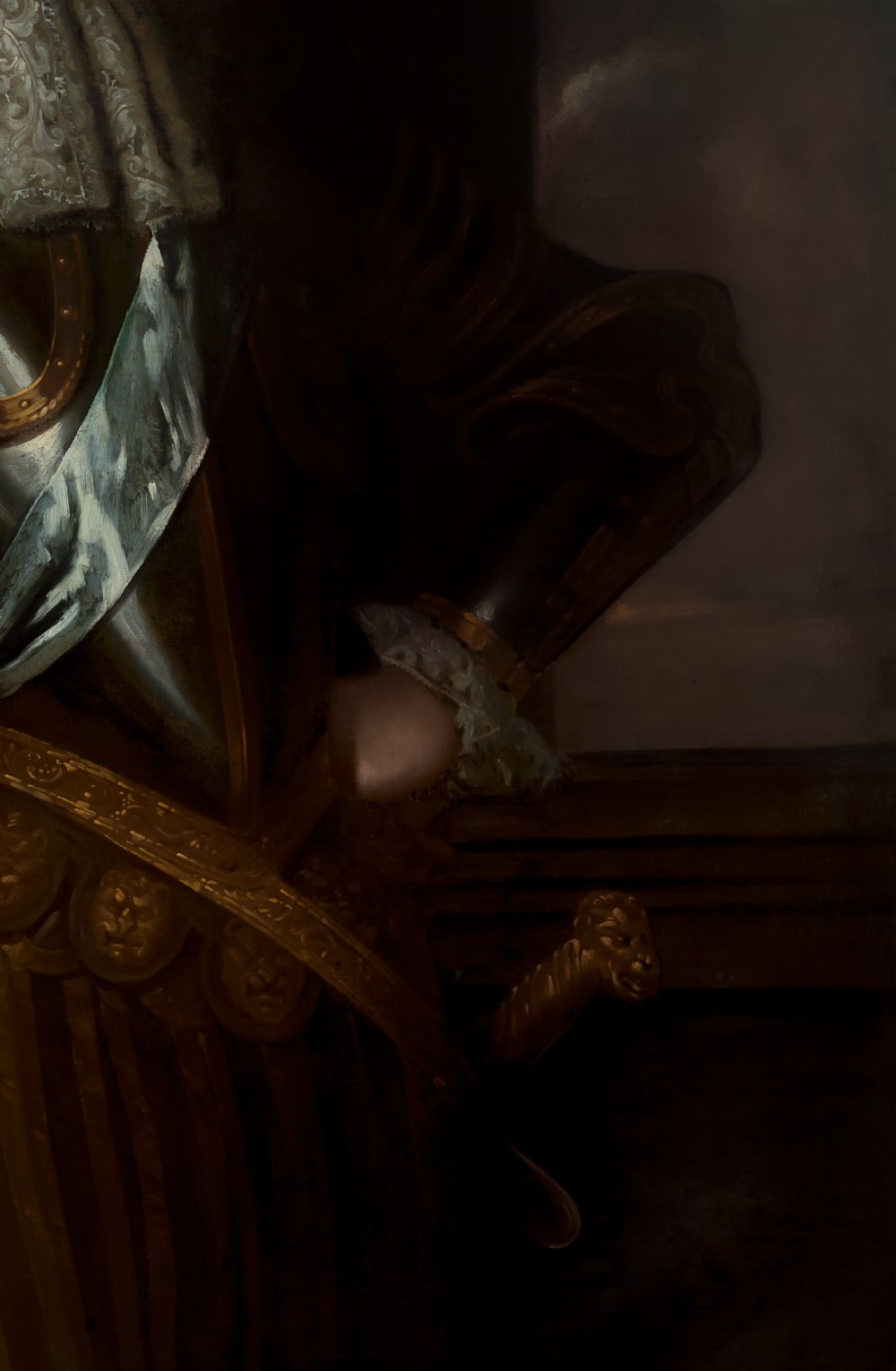
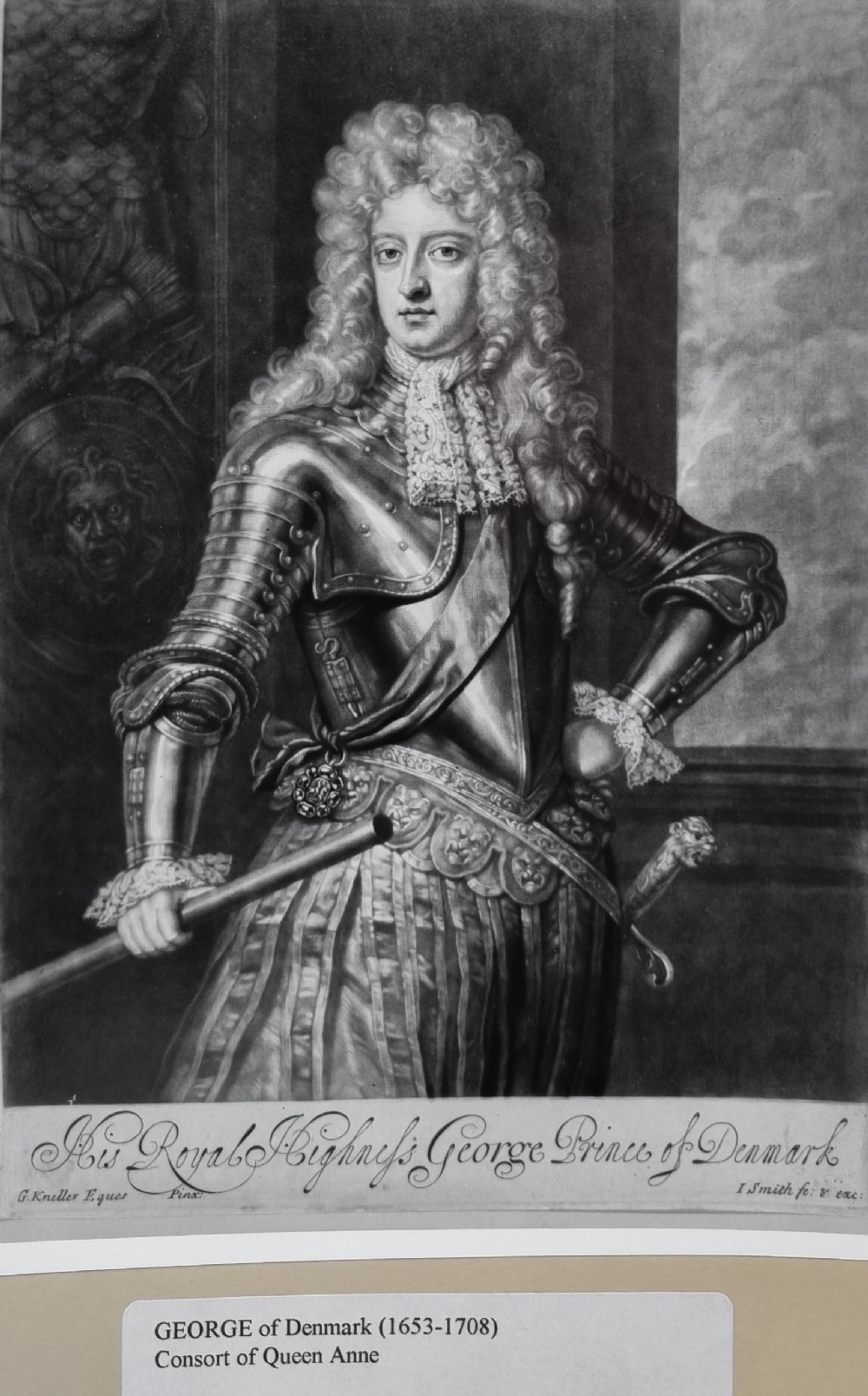
The portrait belongs to the sophisticated production of Sir Godfrey Kneller’s studio, the dominant force in English portraiture from the reign of Charles II to that of George I. Kneller’s workshop operated an efficient system capable of producing multiple versions of successful compositions for aristocratic patrons, diplomatic gifts and royal households. This portrait corresponds exactly to a composition engraved by the celebrated mezzotint engraver John Smith, whose print bears the inscription “G. Kneller pinxt,” confirming Kneller as the originator of the type. The engraving, preserved in the Royal Collection and other major institutions, demonstrates the wide circulation and prestige of this portrait model during the late Stuart period.

fig 3. A 17th-century oil painting depicting a gentleman in plate armour and a long wig inside an ornate gilded wooden frame.
fig 3. Portrait of Prince George of Denmark, Duke of Cumberland (1653–1708) C.1690–1695; Studio of Sir Godfrey Kneller (1646–1723), Oil on Canvas Painting

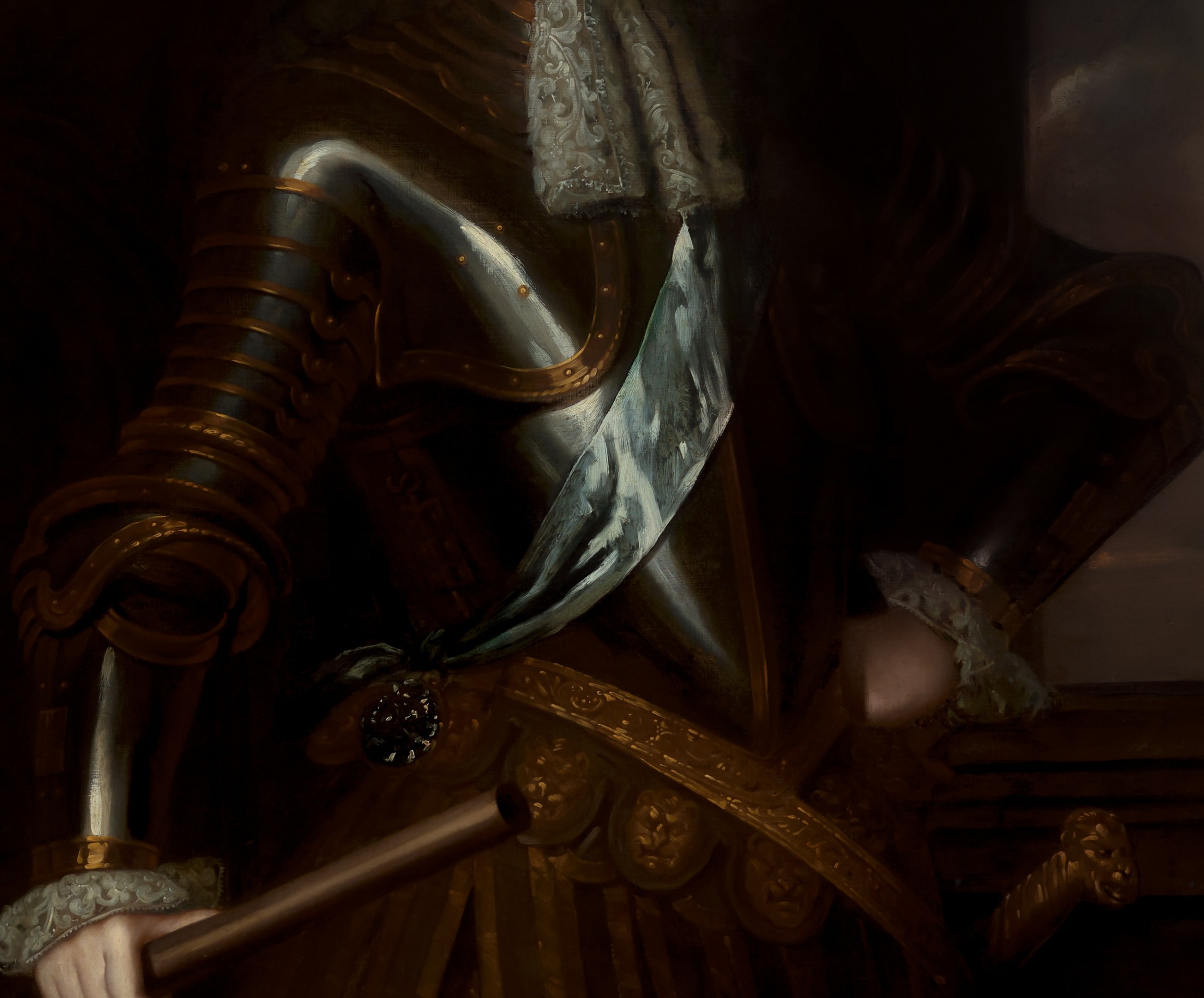
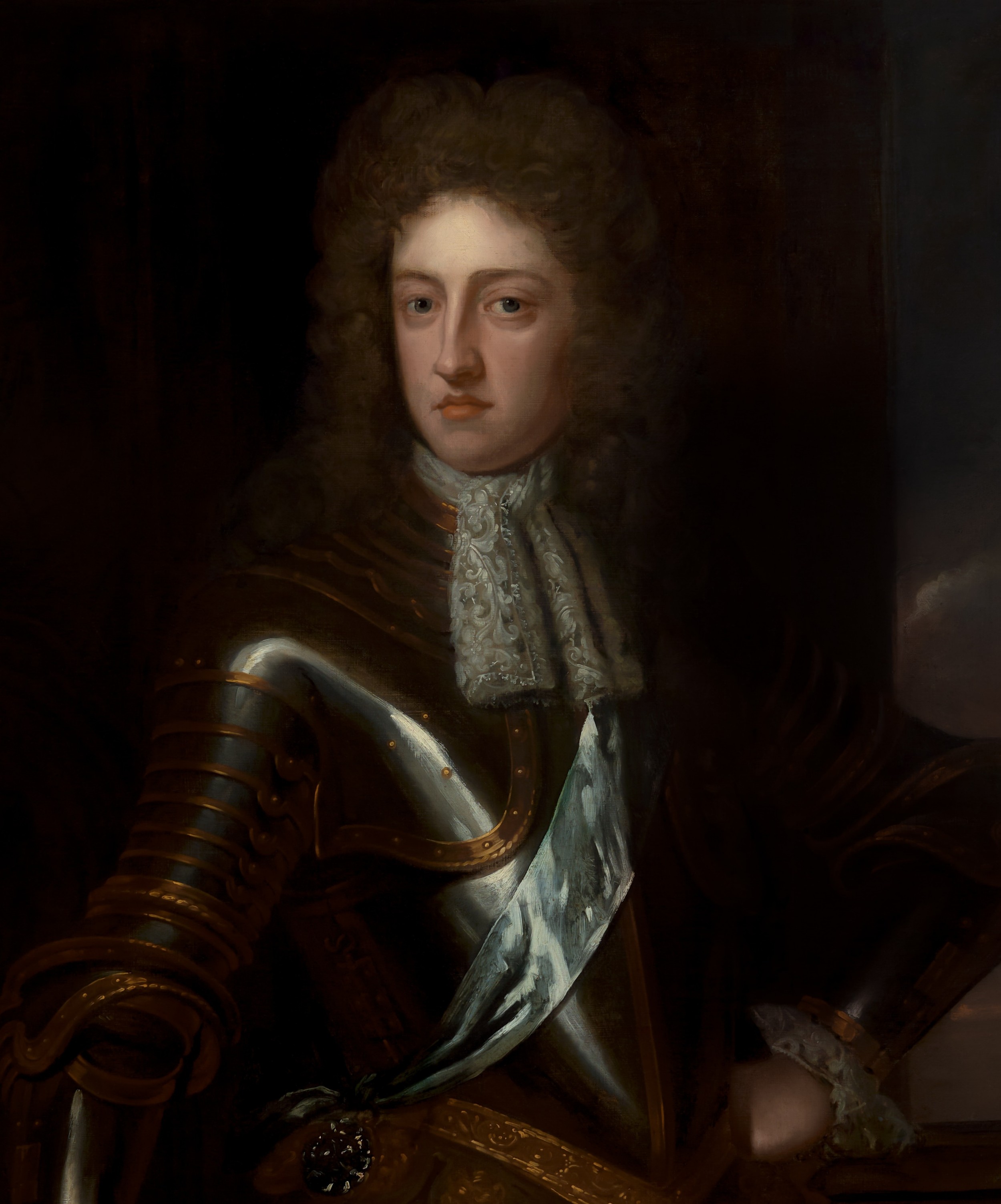
Such studio portraits played a central role in disseminating royal imagery across Britain, reinforcing loyalty and dynastic identity. The present work, at the standard Kneller three-quarter format of roughly 50 × 40 inches, fits squarely within this tradition. Its eighteenth-century carved and gilded frame enhances the grandeur of the composition, complementing the dark background and the reflective armour.

fig 4. A 17th-century oil painting depicting a gentleman in plate armour and a long wig inside an ornate gilded wooden frame.
fig 4. Portrait of Prince George of Denmark, Duke of Cumberland (1653–1708) C.1690–1695; Studio of Sir Godfrey Kneller (1646–1723), Oil on Canvas Painting

As a studio version of a documented Kneller prototype depicting the husband of Queen Anne at a pivotal moment in English history, the painting offers both strong decorative impact and significant historical resonance. Its scale, elegant execution and identifiable royal sitter make it a compelling example of the grand portraiture that shaped the visual culture of the English court at the close of the seventeenth century.

Full description at: www.titanfineart.com

Height
142cm (55.91")
Width
120cm (47.24")
Depth
8cm (3.15")
Date of Manufacture

Titan Fine Art has dated this 17th Century Oil Portrait to the 17th Century.

Reference Numbers
Sellingantiques Ref
SA1232910
Titan Fine Art
Titan Fine Art
Sellingantiques verified Since Jul 2016

Specialist in 17th & 18thc portraits. Highly curated selection, museum-level research & pro conservation. Exceptional art, expertly vetted.

Dealer Profile

You can view the stock and full dealer information on the Titan Fine Art Profile Page
PDF SHARE
SAVE
A 17th-century oil painting depicting a gentleman in plate armour and a long wig inside an ornate gilded wooden frame.
1 / 7
Archive I A 17th-century oil painting depicting a gentleman in plate armour and a long wig inside an ornate gilded wooden frame.

Portrait of Prince George of Denmark, Duke of Cumberland (1653–1708) C.1690–1695; Studio of Sir Godfrey Kneller (1646–1723), Oil on Canvas Painting
Archive II A 17th-century oil painting depicting a gentleman in plate armour and a long wig inside an ornate gilded wooden frame. View II
Archive III A 17th-century oil painting depicting a gentleman in plate armour and a long wig inside an ornate gilded wooden frame. View III
Archive IV A 17th-century oil painting depicting a gentleman in plate armour and a long wig inside an ornate gilded wooden frame. View IV
Archive V A 17th-century oil painting depicting a gentleman in plate armour and a long wig inside an ornate gilded wooden frame. View V
Archive VI A 17th-century oil painting depicting a gentleman in plate armour and a long wig inside an ornate gilded wooden frame. View VI
Archive VII A 17th-century oil painting depicting a gentleman in plate armour and a long wig inside an ornate gilded wooden frame. View VII
FURTHER BROWSING

Visitors also looked at these ⇣

Enlarged Archival View
Telephone 07875 412 111
Location
London
United Kingdom
Dealer Profile Page sellingantiques.co.uk/titan
Verified Since Jul 2016
Items For Sale 16
Items Sold 401
Titan Fine Art
Titan Fine Art
Verified Since Jul 2016
View Dealer Info
Location: London, United Kingdom
Verified
Jul 2016
For Sale
16
Sold
401
A 17th-century oil painting depicting a gentleman in plate armour and a long wig inside an ornate gilded wooden frame.
Portrait of Prince George of Denmark, Duke of Cumberland (1653–1708) c.1690–1695; Studio of Sir Godfrey Kneller (1646–1723), Oil on Canvas Painting
Ref: SA1232910
A 17th-century oil painting depicting a gentleman in plate armour and a long wig inside an ornate gilded wooden frame.
Detail View 1
Detail View 2
Detail View 3
Detail View 4
Detail View 5
Detail View 6
Archival Detail
Every single antique dealer on our platform is individually approved by our internal team. We verify their professional trade history, ethical standards, and photographic quality to ensure a secure, high-standard buying environment. Upon joining, every dealer agrees to a strict 9-point code of conduct. While issues can occasionally arise, our dealers typically resolve them swiftly and directly with the buyer. In fact, since our founding in 2002, Sellingantiques has only had to step in to help resolve an issue on roughly five occasions—a true testament to the quality of our dealers and their dedication to your happiness.
Our dealers are highly experienced in packing and shipping fragile, high-value antiques. Because you are in direct contact with the dealer, you will be able to easily go through all available shipping and insurance options together to ensure your item arrives safely.
Antiques are the ultimate green purchase. By choosing historical pieces over newly manufactured goods, you completely eliminate the carbon footprint of modern mass production while preserving exceptional, timeless craftsmanship.

Baroque portraiture of the late 17th century is defined by dramatic lighting contrast, rich colour palettes, and formal poses reflecting high status. Subjects were frequently depicted in detailed ceremonial attire, wig, lace, or military armour to signal authority and social rank.

Artisans used natural oil pigments blended with linseed or walnut oil, painted onto woven linen canvas stretched across timber frames. Surrounding frames were typically constructed from carved wood decorated with hand-applied gold leaf over a gesso base.

Authentic period works display natural age-related craquelure across the paint surface, historic wood shrinkage or stretcher markings on the canvas reverse, and oxidation of varnish coats. Hand-carved frame mouldings and genuine gilding wear also indicate period origin.

Position a large framed portrait as a central focal anchor above a mantelpiece, console, or sideboard to contrast dark classical art against contemporary neutral walls. Pairing historic portraiture with minimalist furniture balances heritage character with modern design.

Display oil paintings away from direct sunlight, dampness, and severe temperature fluctuations to prevent canvas warping and paint flaking. Dust the frame and surface gently using a soft, dry natural brush, avoiding water, household sprays, or commercial solvents.
items
Add keywords to the filter
Price
£100
£250000
Era
Movements
Material
Origin
Stock Location
Freshness
Online Payments
Categories