



Ancestral Portrait Wall Painting
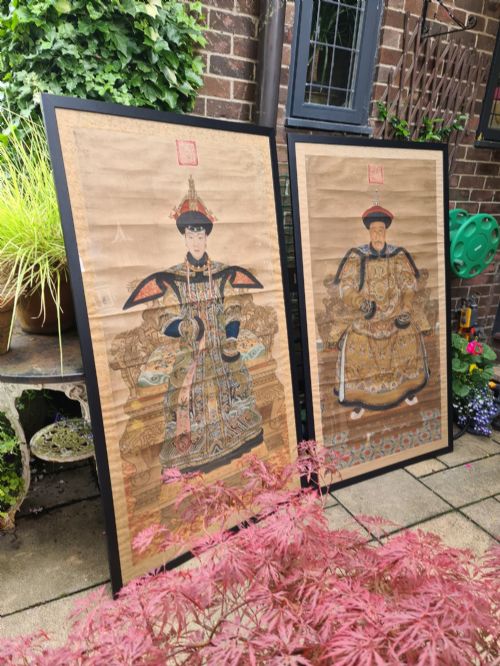
An ancestral portrait wall painting captures the gravity of a family line through oil on canvas and framed Chinese scrolls.
Ancestral Portrait Wall Painting
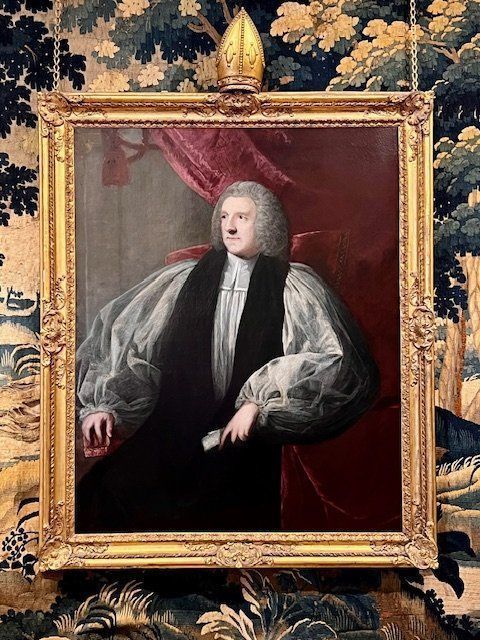
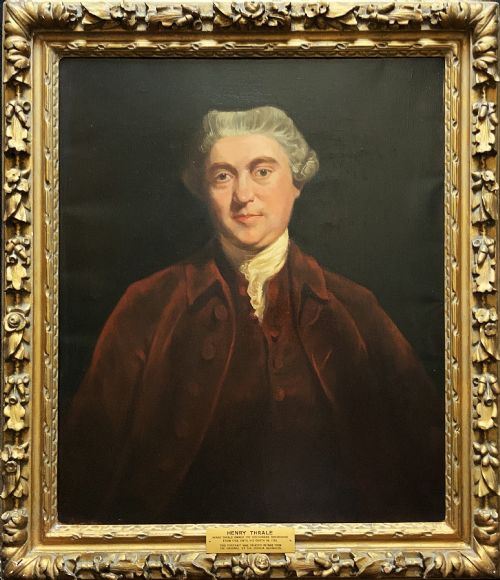
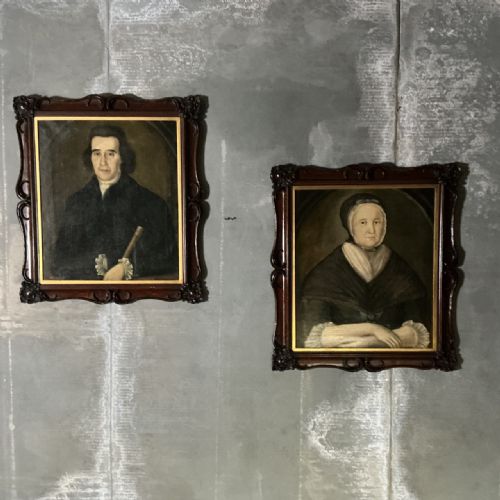
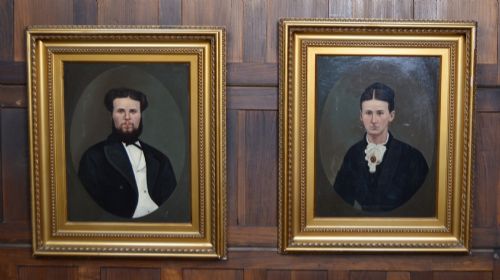
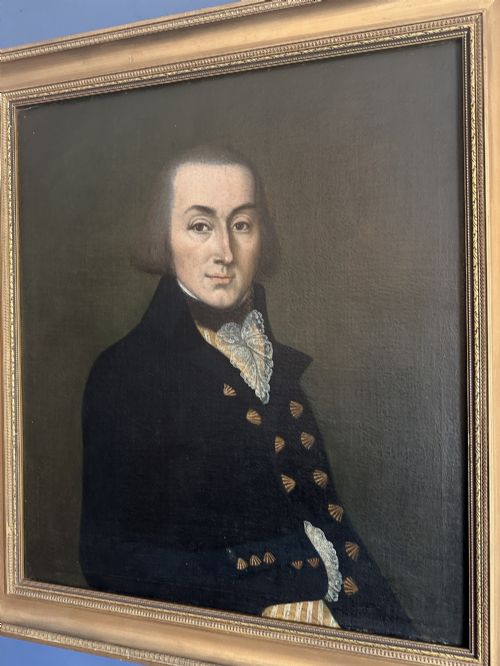
You are most likely to meet nineteenth-century oil paintings on canvas, often housed within giltwood and gesso frames. These works originate from British, Dutch, and Chinese traditions, reflecting formal portraiture styles from Georgian to Regency periods.
How they were made
The physical construction relies on oil paint applied to canvas, vinyl canvas, or paper scrolls, supported by wooden stretchers and heavy frames. Giltwood and gesso frames frequently accompany the British works, finished with gold leaf applied over carved wood.
Makers utilised traditional oil painting techniques, ranging from nineteenth-century realism to styles after earlier Dutch Golden Age masters. Chinese ancestral scrolls employ layered pigments on fabric or paper mounts designed for wall suspension.
Ancestral Portrait Wall Painting Retail Price Guide 2026
Typical asking prices for ancestral portrait wall painting among the pieces listed under this phrase on Sellingantiques today, from the lower quarter to the upper quarter. They describe what is for sale here now, not the wider market.
Several gentlemen in the collection wear naval jackets, suggesting ancestors who spent their lives navigating the high seas.
What varies in quality
The standard of execution in the brushwork and the psychological depth of the subject separate finer portraits from simpler decorative works. Hand-carved giltwood frames with original gesso ornamentation also elevate the overall caliber of a piece.
Condition of the canvas surface, stability of the oil paint, and originality of the framing contribute significantly to desirability. Works signed by documented artists or retaining period frames carry distinct traditional weight compared to later copies.
Sir Joshua Reynolds·Cornelis Van Der Voort·Thomas Beach
The Ancestral Portrait Wall Painting Glossary
- Giltwood
- Wood carved and coated with gold leaf or gold paint. This finish frequently defines the ornate frames surrounding nineteenth-century canvas works.
- Gesso
- A plaster-like mixture applied to wooden frames as a base for gilding. It allows for intricate moulded relief work around the perimeter of the painting.
- Regency
- A British period spanning the early nineteenth century defined by neoclassical elegance. Portraits from this era display specific tailoring and restrained framing styles.
- Qing Dynasty Style
- An artistic tradition reflecting the imperial eras of China. Works in this manner often take the form of formal ancestor group portraits or hanging scrolls.
Ancestral Portrait Wall Painting: Frequently Asked Questions
How do I hang a heavy portrait?
These framed canvases and scrolls require secure wall anchors suited to the substantial weight of wood and giltwood construction. Professional picture hooks fixed directly into wall studs provide the necessary support.
Position the centre of the canvas at standard eye level to replicate the traditional domestic environments for which these works were originally painted.
Are these works painted by hand?
The selection consists of original hand-painted oils on canvas and painted Chinese ancestral scrolls. Artists applied pigments directly to the woven support using traditional bristle brushes.
Surface examination reveals the texture of the dried oil paint and individual brushstrokes characteristic of period studio output.
How do I identify the period?
Dating relies on stylistic clues within the subject's clothing, hair styling, and the construction methods of the wooden stretcher frames. Georgian and Regency sitters wear distinct garments associated with the late eighteenth and early nineteenth centuries.
Frame construction, canvas types, and secondary inscriptions on the reverse often provide further chronological markers for British and European works.
How should I care for oil portraits?
Protect the canvas and giltwood frames by maintaining stable room temperatures away from direct sunlight and damp conditions. Ultraviolet light can degrade oil pigments and dry out historical varnishes over time.
Dust the surface and the carved frame gently with a dry, soft cloth without applying liquid cleaning solutions directly to the paint layer.