
Classical Portrait Oil Art
Classical portrait oil art brings centuries of dignified human presence into a room through enduring oil paint on canvas and panel.
Classical Portrait Oil Art
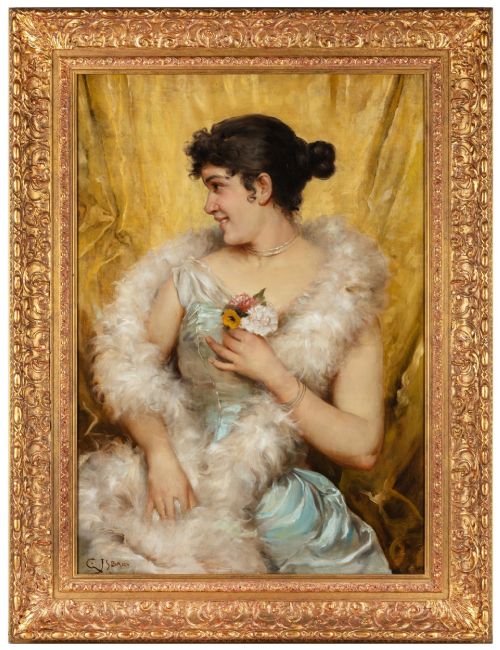
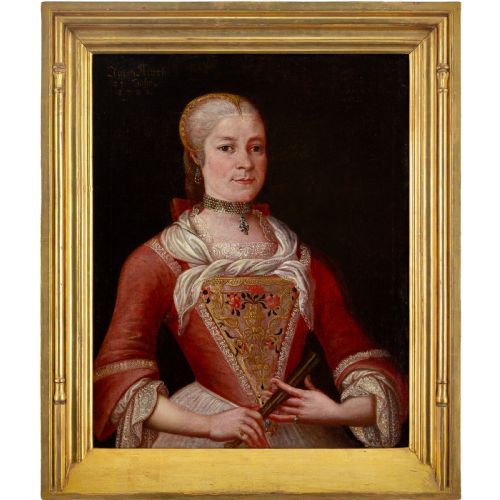
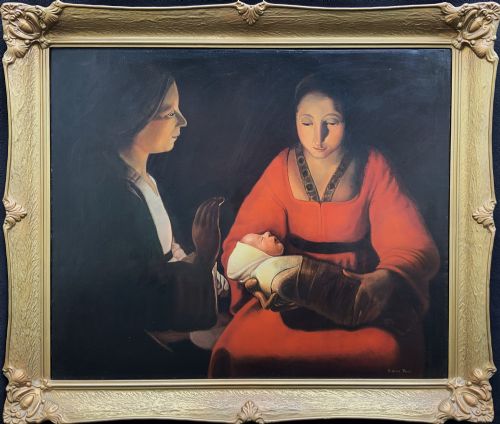
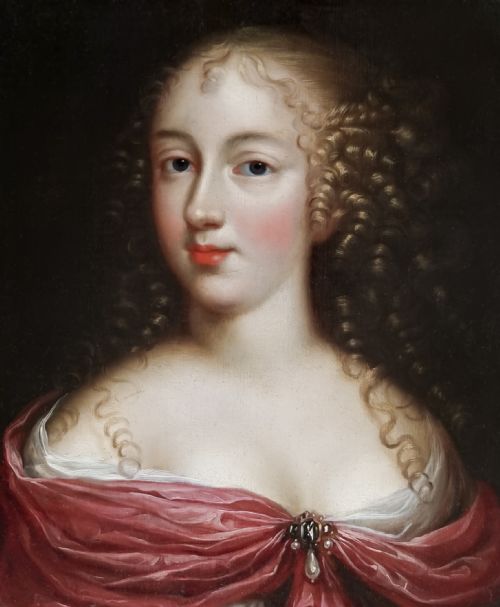
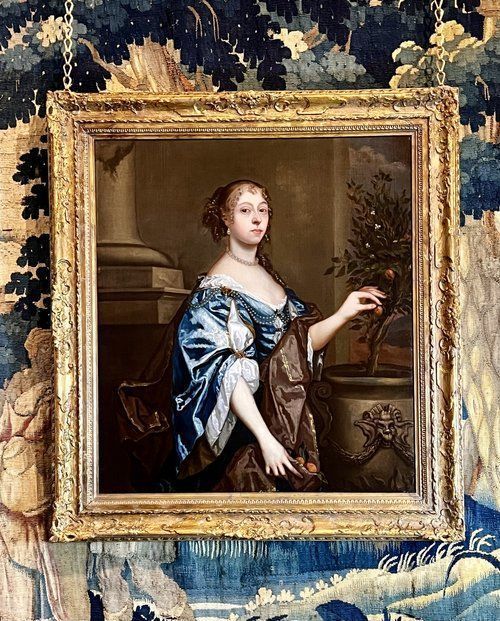
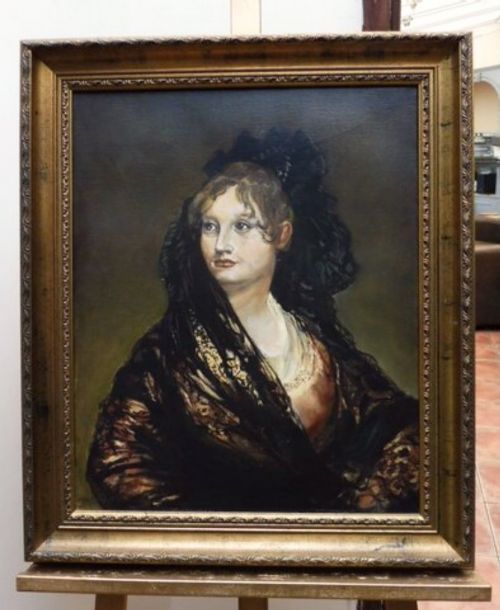
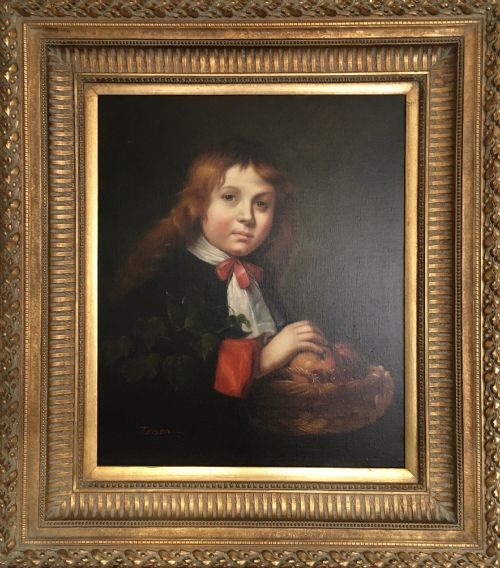
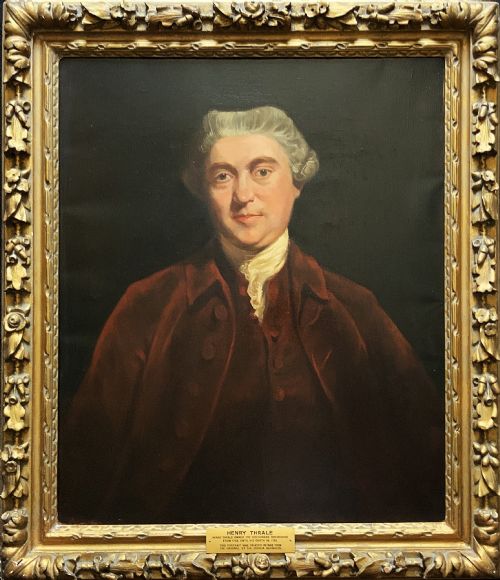
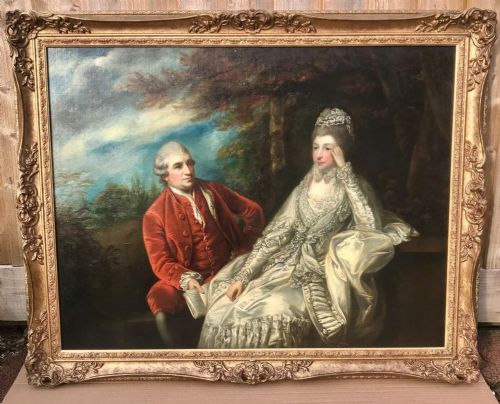
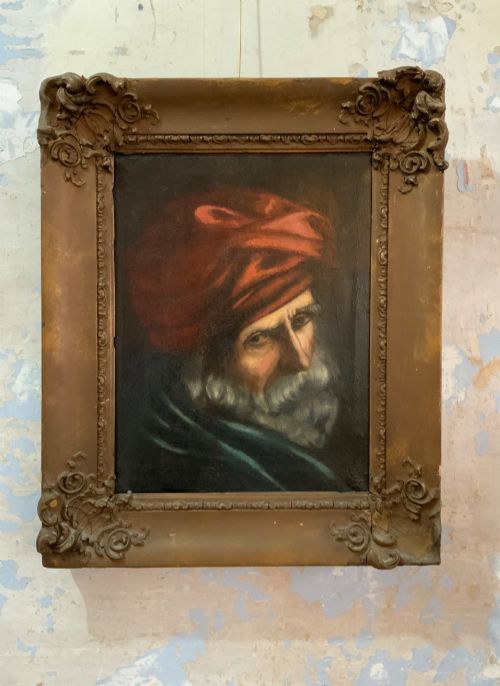
Classical portrait oil art encompasses painted likenesses and mythological compositions rooted in centuries-old European traditions. Buyers seek these works to anchor a room with historical depth, expressive faces, and traditional painterly technique. The selection here leans heavily toward seventeenth- and eighteenth-century portraiture alongside nineteenth-century revivals and later interpretations of masterworks.
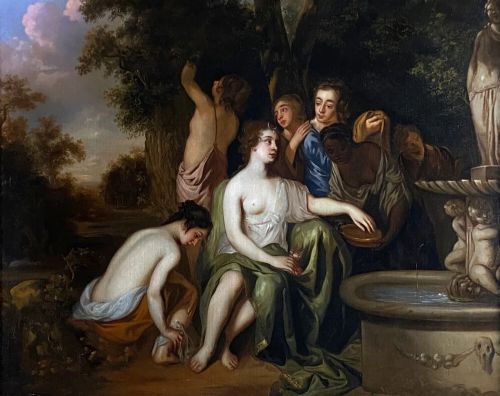
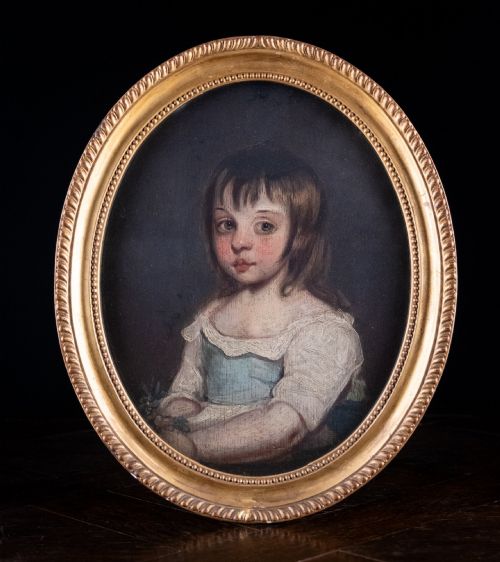
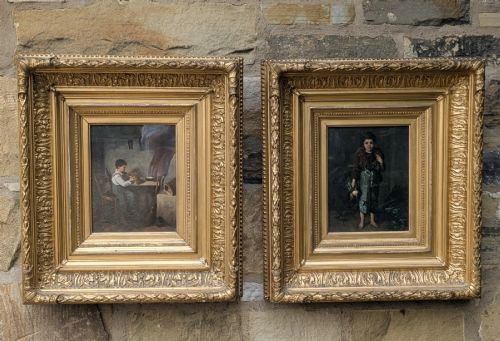
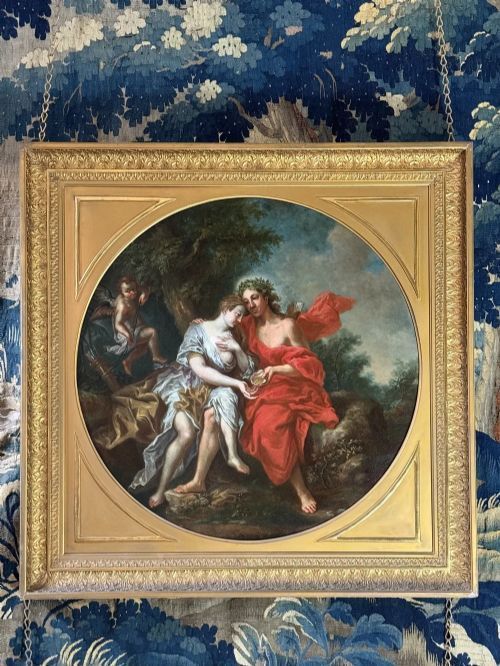
Works range from intimate portrayals of country girls and gentlemen in armour to grand mythological scenes like the bath of Diana. Many pieces reflect the styles of Dutch Baroque, French Rococo, and Italian Renaissance schools. Canvas and wood panel serve as the primary supports for these enduring artistic expressions.
How they were made
Artists built these works primarily using oil paint applied to stretched canvas or wooden panels. Pigments were carefully layered to achieve depth in skin tones, drapery, and background shadows. Many pieces retain their original character through heavy wooden or carved giltwood frames.
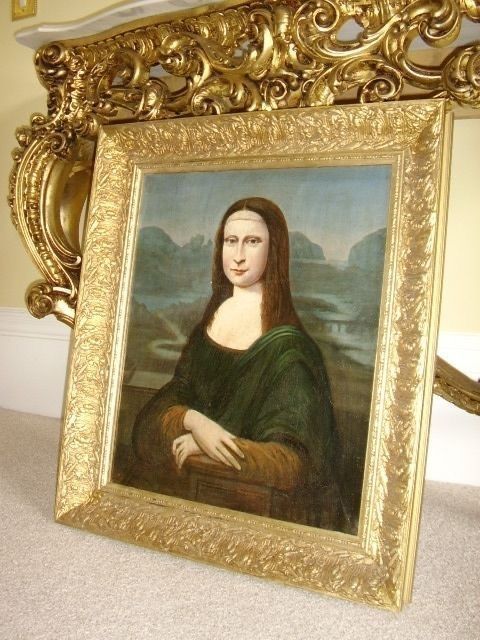
Makers employed various techniques, from direct studio painting to meticulous copying after celebrated masters like Leonardo da Vinci or Sir Joshua Reynolds. Preparation often involved priming the support with gesso or ground before applying the final oil compositions.
Listings feature works spanning from the 16th century through the Victorian era, utilising oil paint, canvas, wood, and gold leaf.
What varies in quality
Quality in these works rests upon the surety of the brushwork and the psychological depth captured in the subject's expression. Superior examples demonstrate a masterly understanding of light, shadow, and anatomy that brings the painted figure to life.
The sophistication of the surrounding frame, often carved giltwood, complements the ambition of the canvas. Finer paintings maintain structural integrity in their ground layers and show confident handling by studio hands or identified portraitists.
G. J. S. Bary·Jozsef Molnar·Sir Peter Lely·Pierre Mignard·Pieter Borsseler·Francisco Jose de Goya·Sir Joshua Reynolds·Charles Antoine Coypel·Pietro Fachetti·Bartholomeus van der Helst·Sir Allan Ramsay·Robert Byng·Bernardino Luini·John Opie·Toussaint Gelton·Guillaume Courtois·William Jones of Bath·Renato Moretti·Jean Baptiste van Loo·Theodore Jensen·John A. Monteith
The Classical Portrait Oil Art Glossary
- Oil on Canvas
- A painting medium where pigments are bound with drying oils and applied to a woven fabric support. This combination allows for rich blending and enduring colour depth.
- Giltwood
- Wood that has been treated with a thin layer of gold leaf or gilt powder. It frequently frames classical portraits to provide a reflective, ornate border.
- Baroque
- An artistic style originating around the seventeenth century characterised by dramatic lighting, deep shadows, and intense emotional expression. Works in this manner feel dynamic and theatrical.
- Renaissance Revival
- A nineteenth-century movement that drew inspiration from the art and architecture of the fifteenth and sixteenth centuries. Pieces in this style emulate the classical harmony and grace of earlier Italian masters.
- Wood Panel
- A rigid wooden support used by artists before canvas became dominant. These panels provide a smooth, stable surface for fine detail work.
Classical Portrait Oil Art: Frequently Asked Questions
What is classical portrait oil art?
Classical portrait oil art consists of painted likenesses and figurative scenes created using traditional oil techniques over several centuries. These works record the appearance and status of historical figures through enduring painted media.
Buyers often choose these pieces to introduce a sense of heritage and narrative gravity to modern interiors. The category spans original studio pieces from the seventeenth and eighteenth centuries as well as later interpretations of masterworks.
How should I care for an oil painting?
Preserve oil paintings by keeping them away from direct sunlight, excessive moisture, and rapid temperature fluctuations. Gentle dusting with a soft, dry brush helps maintain the surface without disturbing the paint.
Avoid using liquid cleaners or household sprays on the canvas or frame. Consulting a professional art conservator ensures proper maintenance for older or more delicate works.
How do I identify the period of a portrait?
Dating a portrait relies on examining clothing styles, hairstyles, framing materials, and the preparation of the canvas or panel. Portrait subjects often dressed in the prevailing fashion of their specific decade.
Inscriptions, signatures, or historical records associated with the sitter also provide reliable clues to the exact era. Comparing the handling of paint with documented works from specific schools narrows down the timeframe further.
What is the difference between an original and a copy?
An original portrait represents a direct sitting between the artist and the subject, capturing a unique individual life. Copies and studio samples were frequently painted after famous compositions for study or decorative purposes.
Both categories hold historical and aesthetic value depending on the skill of the hand that executed the brushwork. Masterful copies after renowned artists often reflect the high technical standards of their respective periods.