
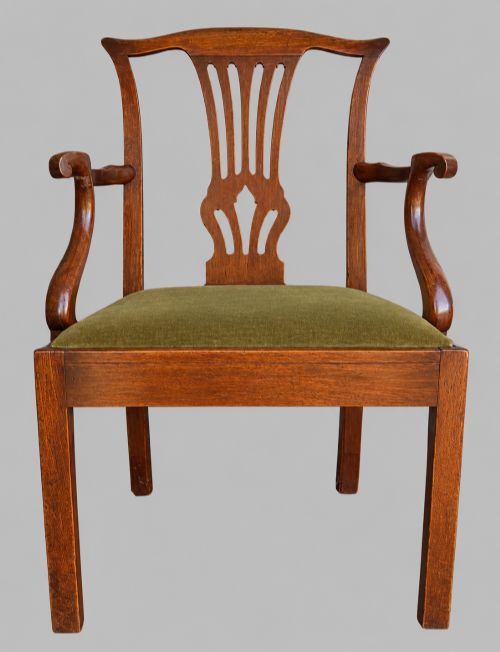
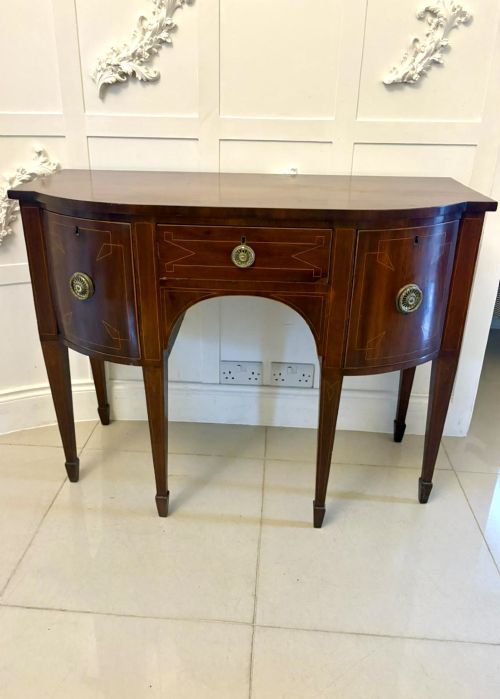
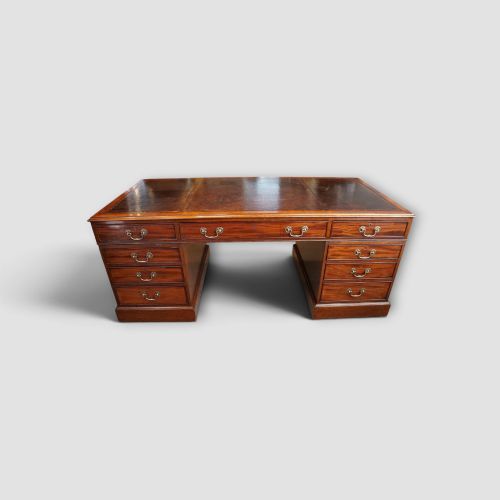
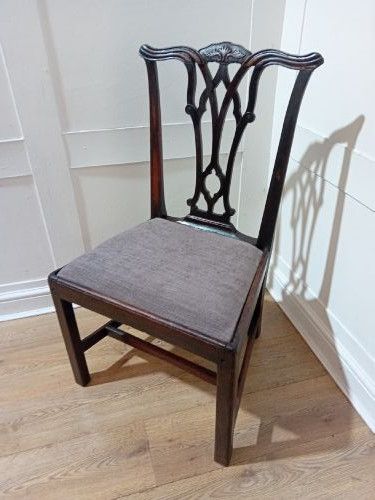
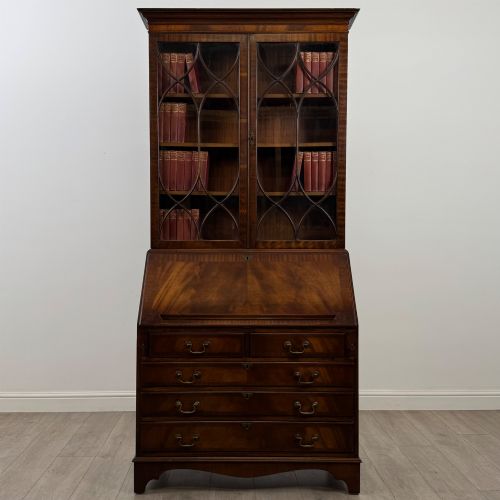
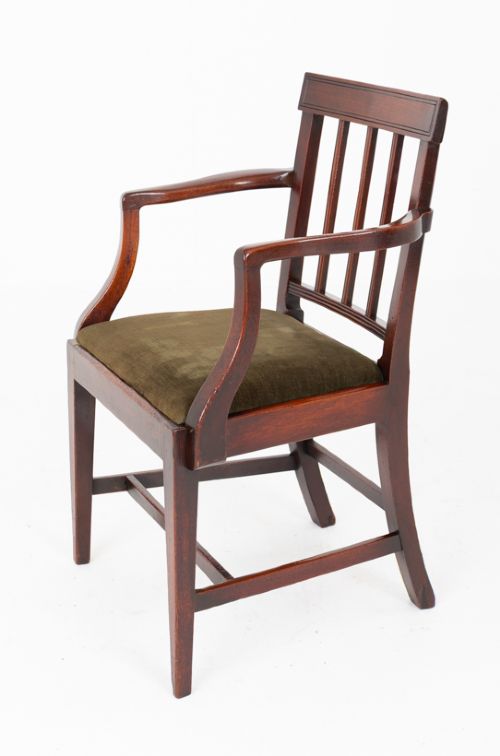
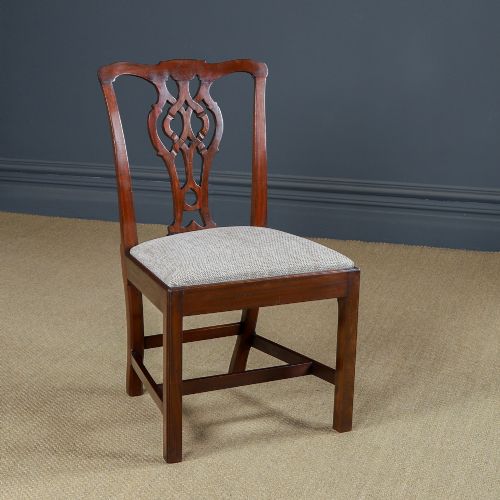
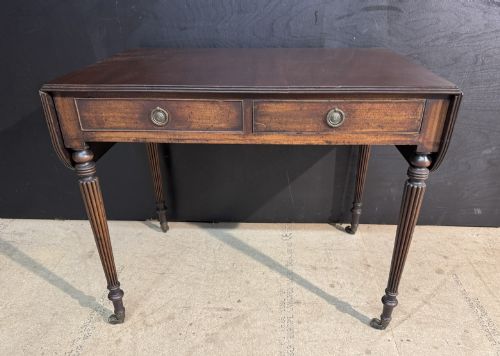
Georgian Style Mahogany Desk
A georgian style mahogany desk brings serious timber and classical proportion into a room, offering a robust surface built for daily correspondence.
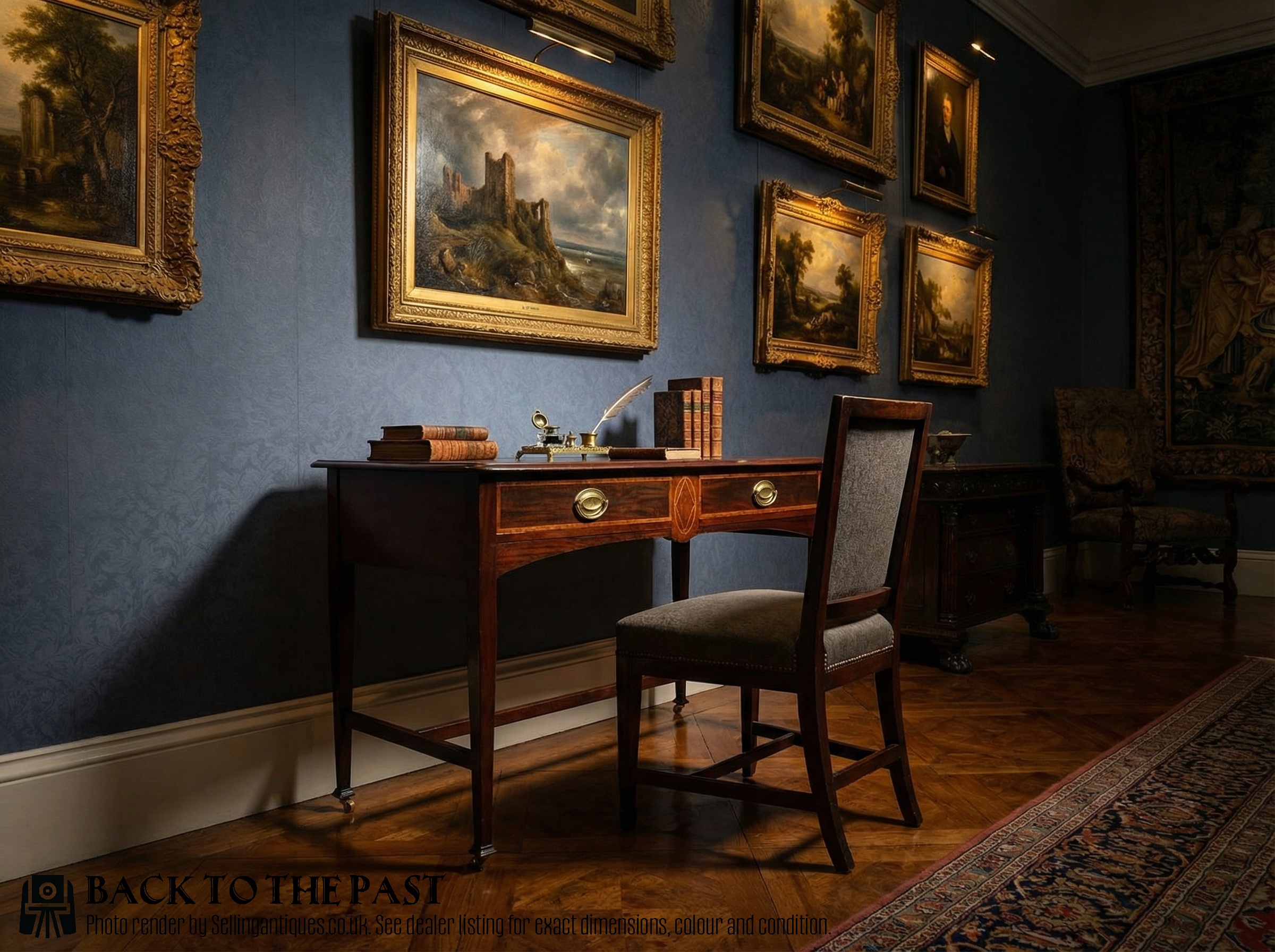
Forms and period origins
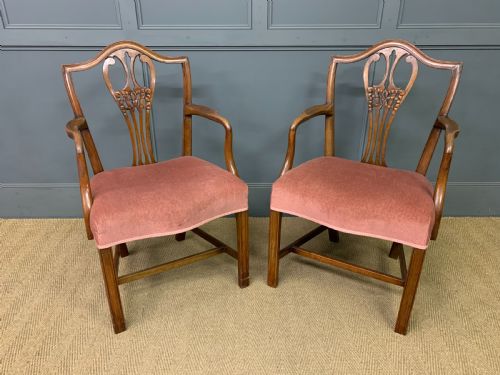
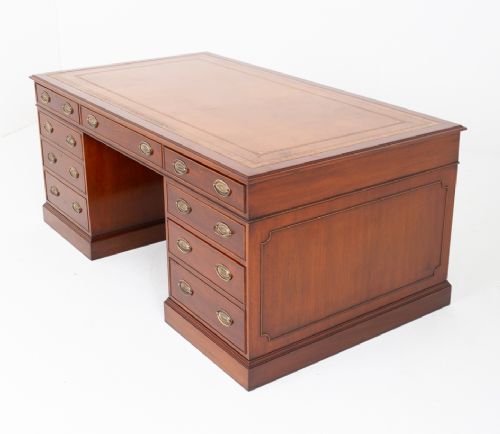
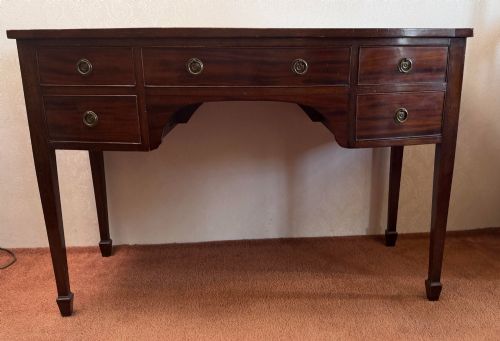
A georgian style mahogany desk encompasses large partners models, compact writing tables, and pedestal formats built during the nineteenth and early twentieth centuries. Makers drew heavily on eighteenth-century vocabulary, producing revival pieces that emulate Chippendale, Sheraton, and Hepplewhite proportions.
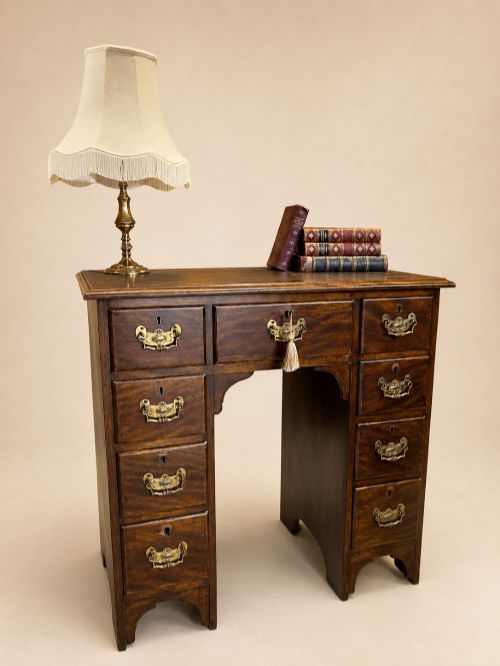
The pedestal desk dominates the selection, featuring banks of drawers beneath a primary writing surface. Writing tables appear with simpler three-drawer arrangements, while partners desks provide workspace on opposing sides for joint administration.
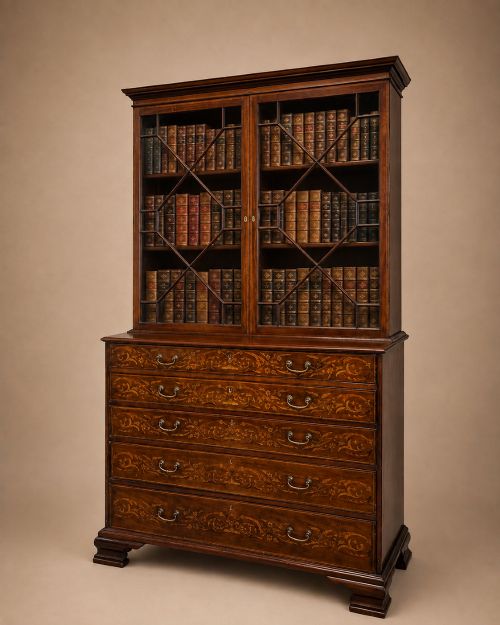
Edwardian interpretations and pieces from around nineteen hundred lean towards lighter satinwood inlays and refined framing. Nineteenth-century examples often present heavier proportions and substantial timber reserves.

Materials and construction
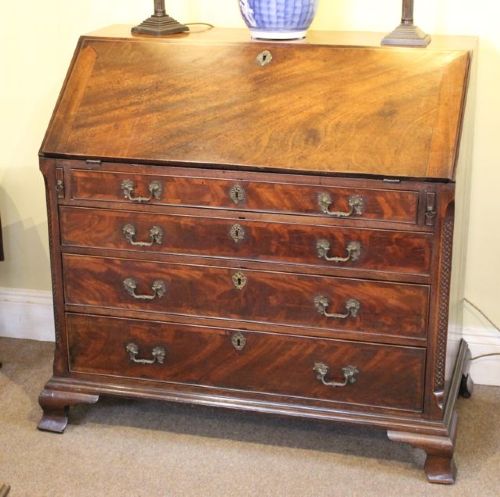
Solid mahogany and flame mahogany veneer form the primary structural and visual surfaces, frequently contrasted with satinwood inlay. Brass hardware supplies key escutcheons and drawer pulls, while inset writing surfaces utilise leather.
Cabinet makers built carcasses to house multiple graduated drawers, integrating pedestals and kneeholes with sturdy framing. Veneers were selected for grain movement, particularly the flamed figuring applied to drawer fronts and top surfaces.
Retail Price Guide 2026
Typical UK retail prices for georgian style mahogany desk, calculated from the Sellingantiques database of over a million retail prices indexed since 2003. This retail price guide relies exclusively on Sellingantiques data; no external sources or auction records are used, so the figures do not describe the wider market.
Many partners desks include hidden drawers tucked away behind the main pedestal banks for secret documents.
Craftsmanship and materials
Quality rests in the selection of the timber and the precision of the cabinetwork. Flame mahogany veneers matched across large surfaces separate superior examples from plain builds, while crisp satinwood inlay demonstrates expert hand execution.
Hardware choice and interior secondary woods reflect the grade of the piece. Fine pedestal desks employ robust brass fittings and well-figured secondary timbers inside the drawer boxes.
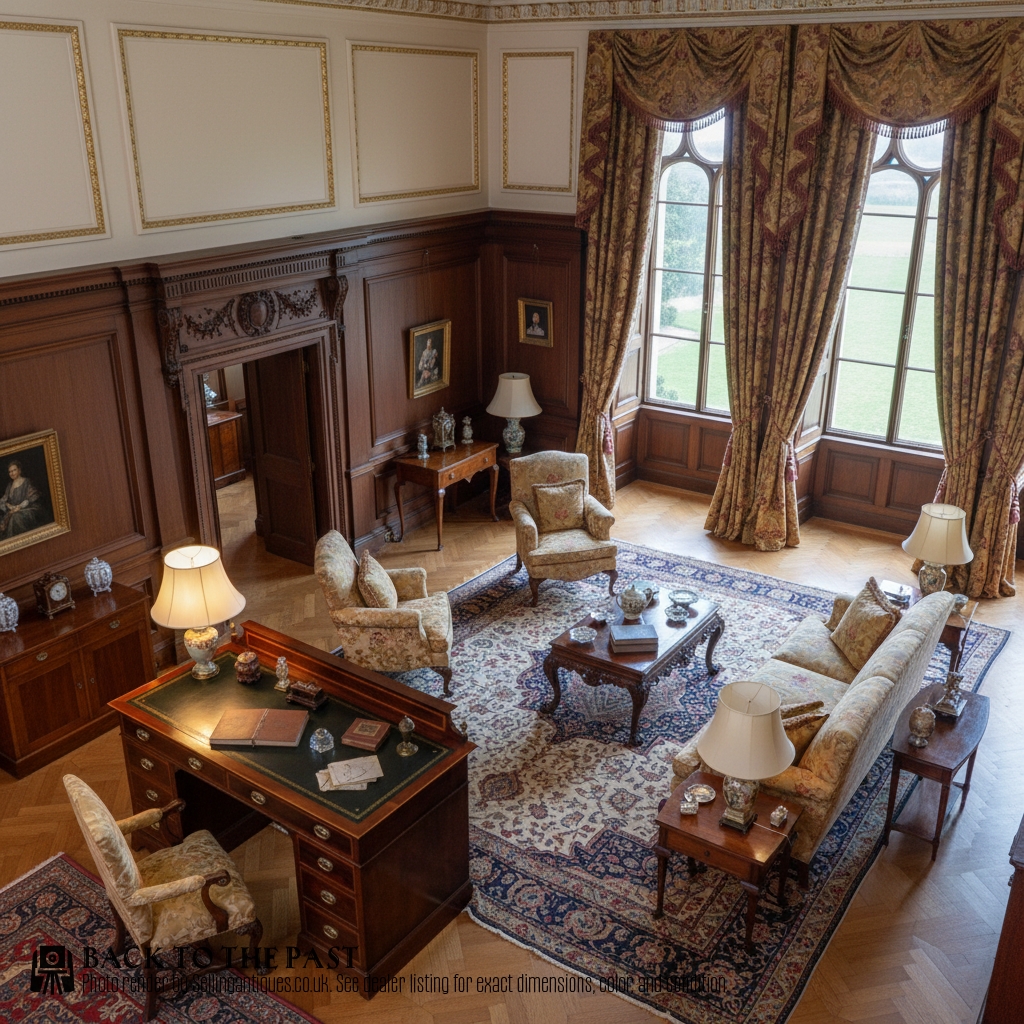
The Georgian Style Mahogany Desk Glossary
- Partners desk
- A large double-sided desk designed for two people to work opposite one another, featuring banks of drawers on both flanks. These substantial pieces often incorporate leather writing inserts.
- Pedestal desk
- A freestanding desk comprising a top surface resting on two separate drawer pedestals with a central kneehole. This form provides generous storage capacity.
- Flame mahogany
- A highly figured timber veneer showing a distinctive flame-like pattern caused by the grain growth in the wood. Cabinet makers prized this for prominent display surfaces.
- Satinwood inlay
- Contrasting blonde wood inserted into dark mahogany in decorative geometric or floral motifs. It creates sharp visual borders along tabletops and drawer fronts.
- Writing table
- A lighter table form with drawers beneath the work surface, lacking the heavy pedestals of a partner or pedestal desk. These function well in domestic reception rooms.
Frequently Asked Questions
What is a partners desk?
A partners desk is a large double-sided workspace designed for two people to use simultaneously, featuring banks of drawers and cupboards accessible from both the front and the back.
These pieces typically occupy the centre of a room rather than sitting against a wall, offering substantial presence and extensive storage.
How do I care for leather inserts?
Leather writing surfaces require gentle dusting and occasional conditioning to maintain their supple texture and prevent cracking over time.
Avoid excessive moisture and direct sunlight to preserve the colour and condition of the leather panel.
Are these desks solid mahogany?
Many examples utilise solid mahogany for structural framing, legs, and drawer linings, while employing flame mahogany veneer across large flat surfaces like tabletops.
This technique prevents warping while displaying decorative grain patterns to maximum visual effect.
How do I date a revival desk?
Dating relies on examining secondary woods, construction methods, and hardware styles found inside the drawers and carcasses.
Edwardian and late nineteenth-century revival pieces often reveal machine-sawn timber elements alongside hand-finished details.