

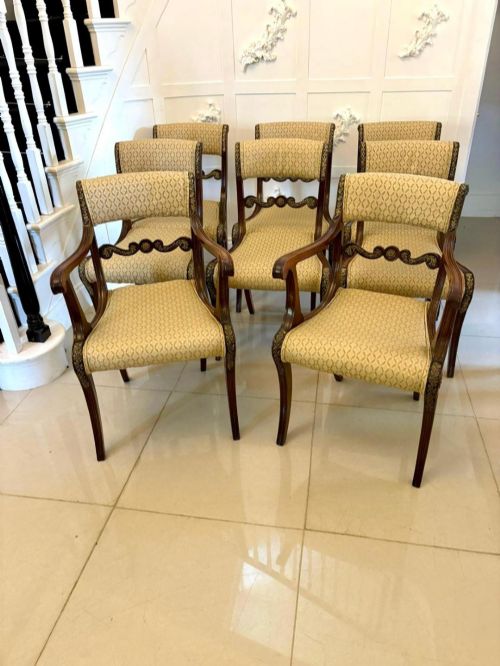
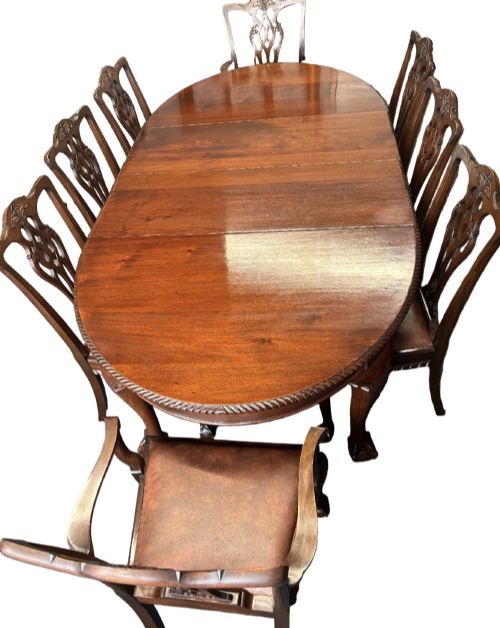
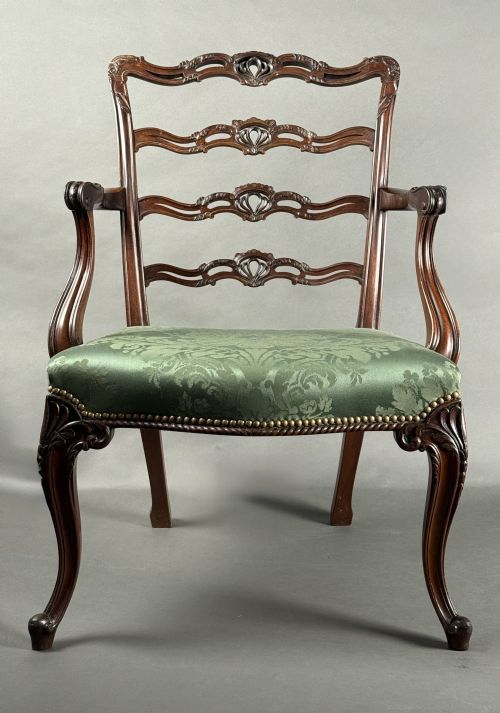
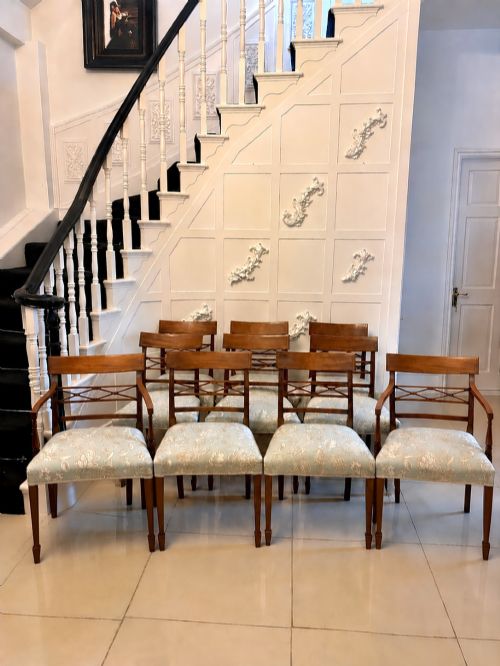
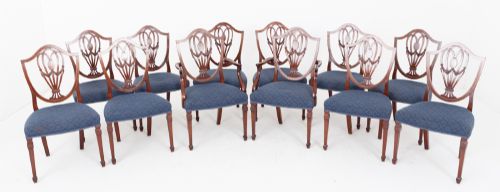
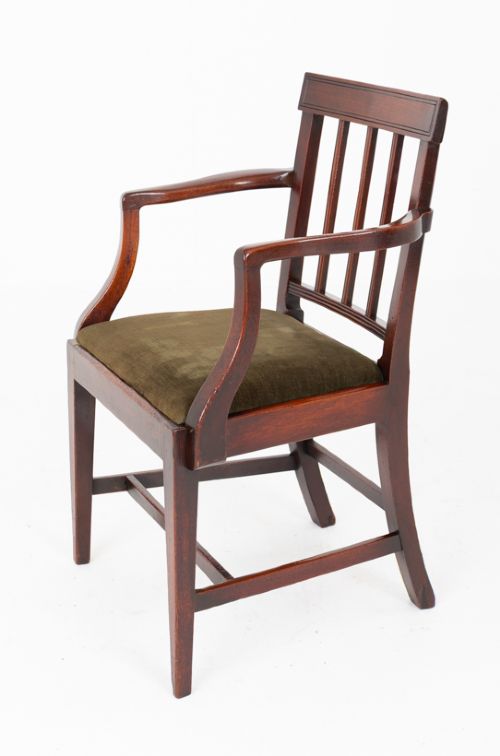
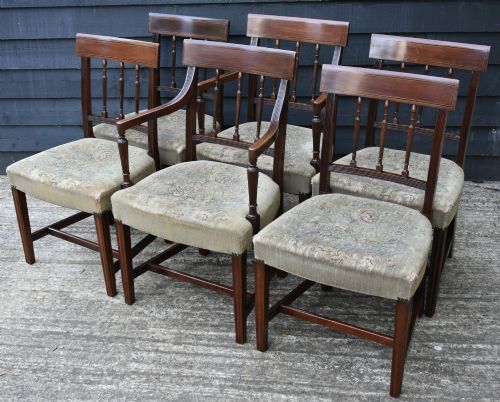
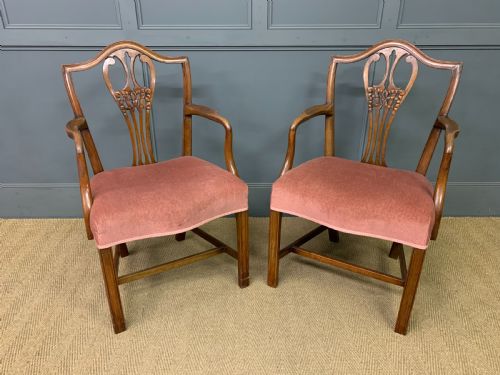
Georgian Style Carver Chair
A georgian style carver chair brings classical proportion and sturdy seating to a room, offering the elegance of eighteenth-century design with nineteenth- or twentieth-century construction.
What a georgian style carver chair is
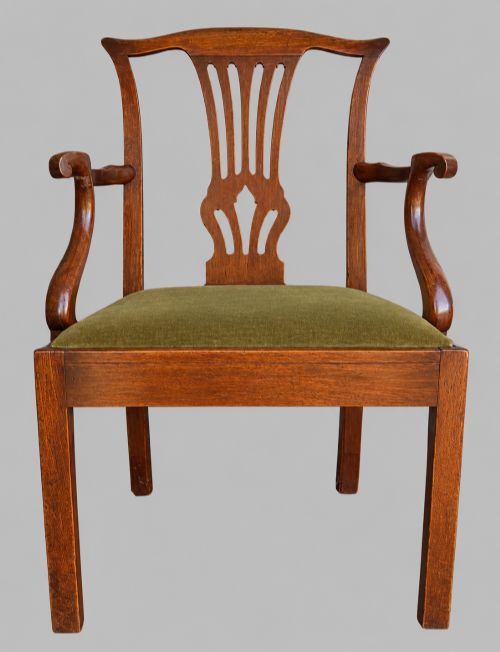
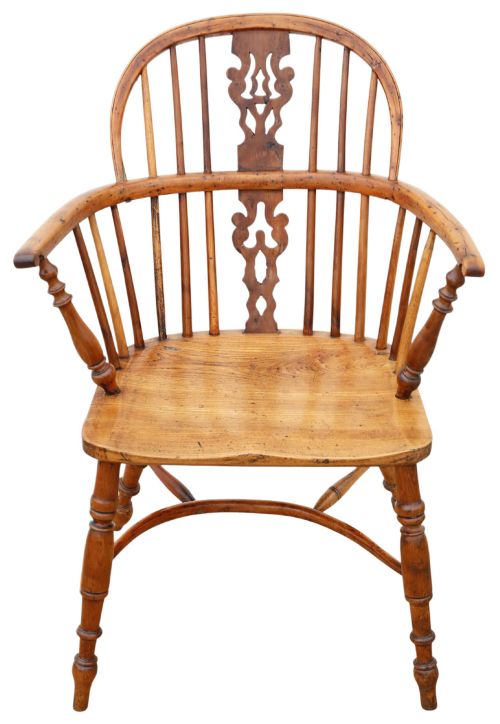
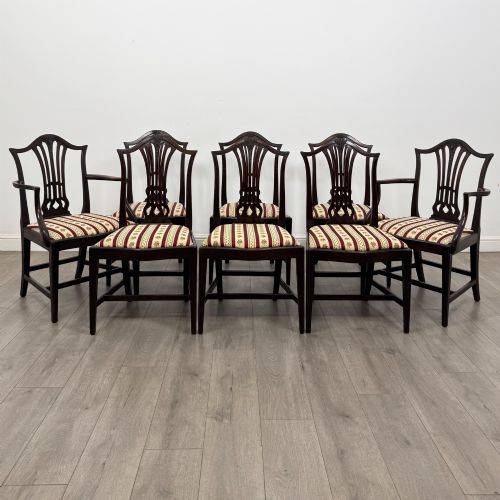
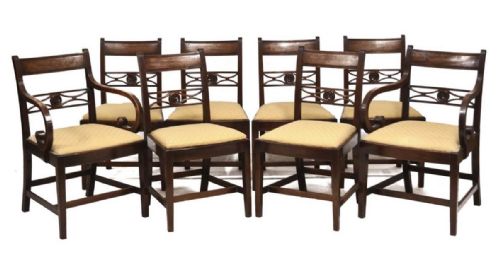
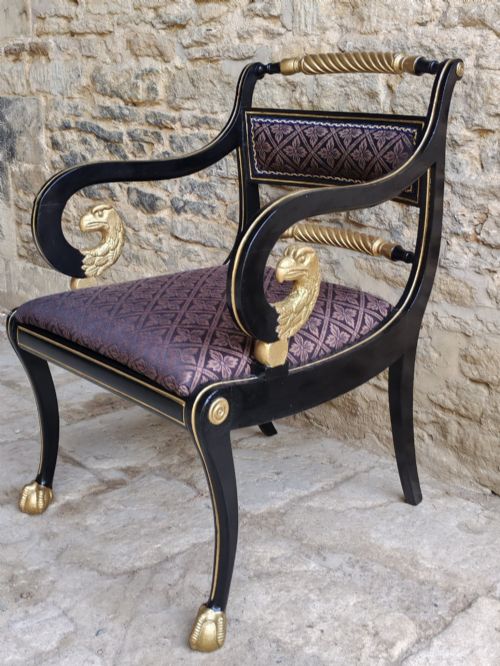
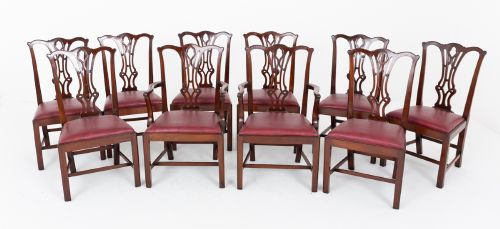
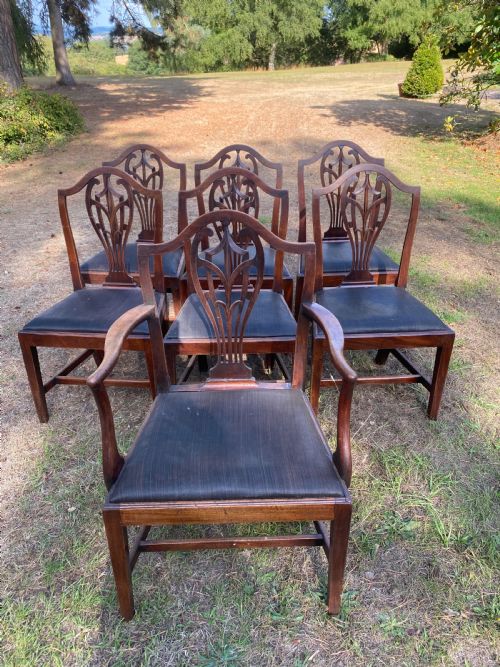
A georgian style carver chair is an armchair traditionally placed at the head of a dining table or used as a desk chair. When you search this phrase, you find armchairs produced during the nineteenth and early twentieth centuries that emulate earlier eighteenth-century designs.
The pieces listed on this page span the nineteenth century up to nineteen hundred, encompassing revival movements such as Chippendale and Sheraton. These armchairs typically function as desk chairs, library chairs, or dining carvers depending on their height and seat construction.
Materials and construction
Makers constructed these chairs primarily using mahogany, walnut, oak, and elm. Timber selection dictated the weight and grain pattern, with mahogany and walnut favoured for finer formal pieces while oak and elm served country workshops.
Joinery methods relied on traditional mortise and tenon frames, occasionally supplemented by brass details, rush seating, leather pads, or textile upholstery fabric. Carved backs and open arms required precise hand woodworking.
Retail Price Guide 2026
Typical UK retail prices for georgian style carver chair, calculated from the Sellingantiques database of over a million retail prices indexed since 2003. This retail price guide relies exclusively on Sellingantiques data; no external sources or auction records are used, so the figures do not describe the wider market.
Listings feature mahogany, walnut, oak, elm, rush, and leather across nineteenth-century and early twentieth-century periods.
What varies in quality
Quality rests in the crispness of the carved details on the splat and arms, alongside the density and figure of the timber. Finer examples display deeply moulded rails and balanced proportions that reflect rigorous adherence to classical proportions.
The choice of secondary woods and the tightness of the joinery distinguish workshops. Pieces fitted with high-grade leather or traditional woven rush demonstrate superior finishing compared to utilitarian variants.
Waring and Gillow
The Georgian Style Carver Chair Glossary
- Carver chair
- An armchair, traditionally placed at the head of a dining table, featuring open arms attached to the seat rails.
- Chippendale Revival
- A late nineteenth-century stylistic movement resurrecting the carved mahogany forms popularized by Thomas Chippendale in the eighteenth century.
- Sheraton Revival
- A design phase drawing on the light, neoclassical geometry and satinwood or mahogany aesthetic associated with Thomas Sheraton.
- Elbow chair
- An alternative term for an armchair or carver, referencing the supportive rests for the arms.
Frequently Asked Questions
What is a carver chair?
A carver chair is an armchair designed with open sides, traditionally used at the head and foot of a dining table or as a desk chair.
These chairs provide extra arm support while maintaining a profile that fits neatly beneath a table surface.
How do I identify a revival piece?
Revival pieces are later interpretations of earlier eighteenth-century forms, typically produced during the Victorian and Edwardian eras.
Examining the tool marks, timber ageing, and secondary woods helps distinguish nineteenth-century construction from original eighteenth-century furniture.
Where should I place a desk chair?
A desk chair works well paired with a partners desk, library table, or writing bureau in a study.
The open arms allow the chair to slide close to the work surface without catching on the edges.
Are these chairs suitable for daily dining?
These armchairs were built for domestic dining and study use, making them robust enough for regular seating.
Ensuring the joints remain firm and the leather or fabric upholstery is well-maintained keeps them functional for everyday living.