
Georgian Style Accent Chair
A georgian style accent chair brings eighteenth-century seating into a modern interior through carved mahogany, upholstered leather and period revival forms.
Georgian Style Accent Chair
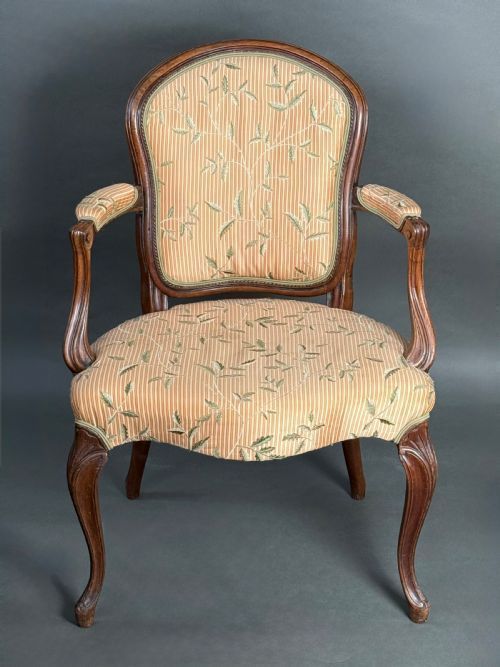
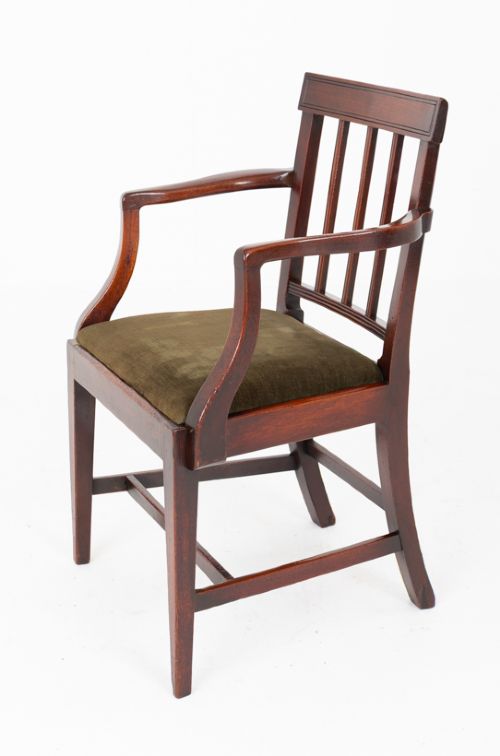
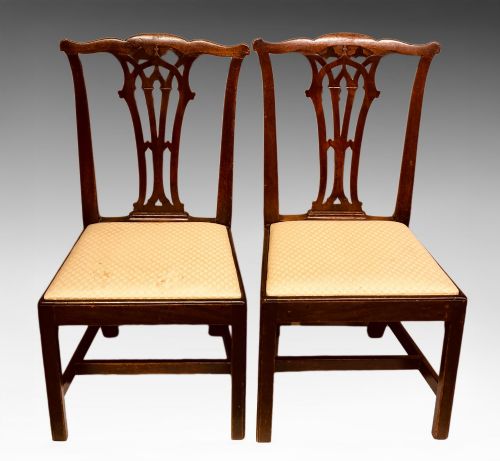
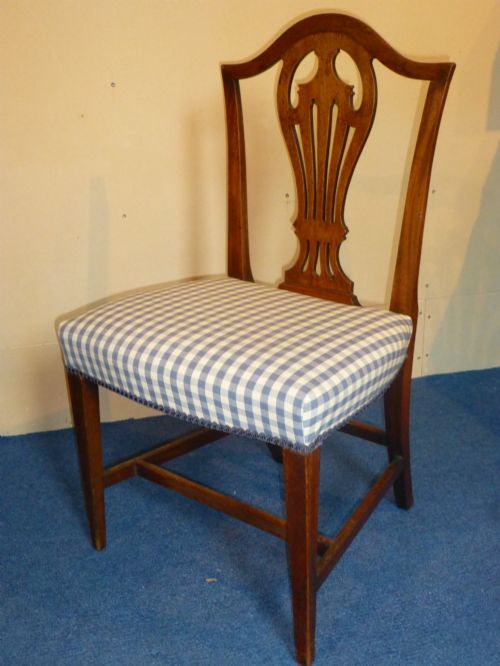
A georgian style accent chair encompasses a variety of seating forms originating from the eighteenth century through to later revival periods. Buyers searching this phrase meet armchairs, side chairs, wing chairs and library seating constructed in walnut, mahogany, elm and fruitwood.
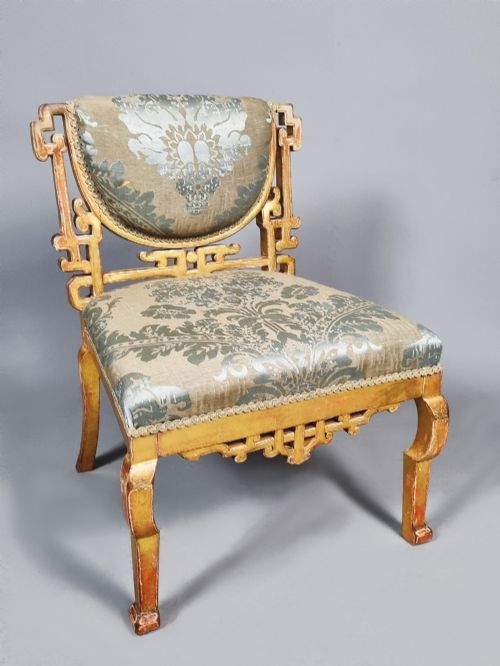
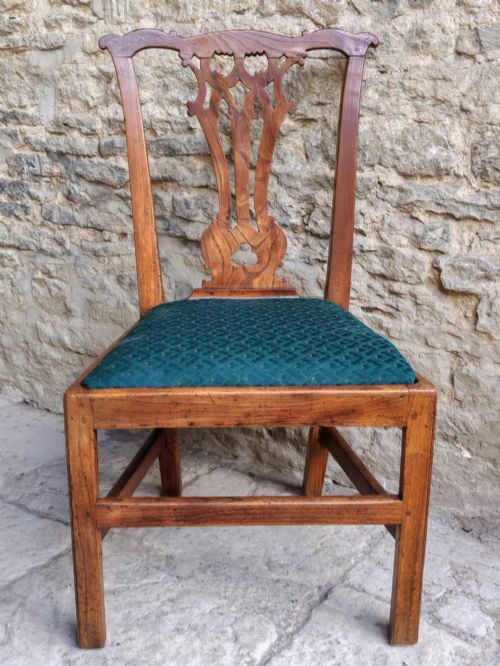
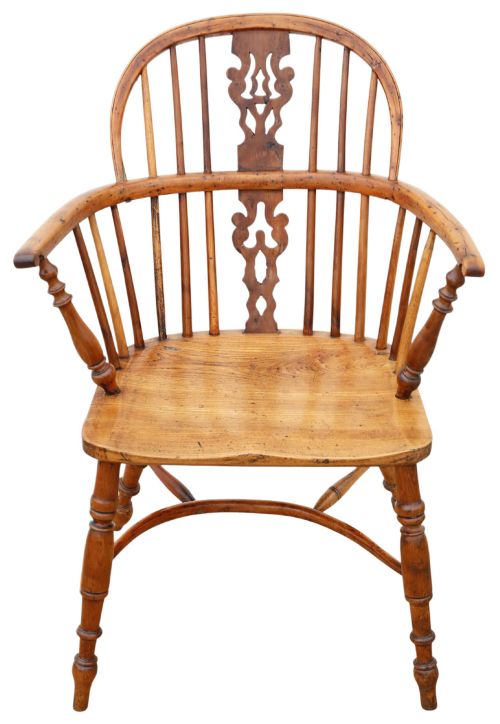
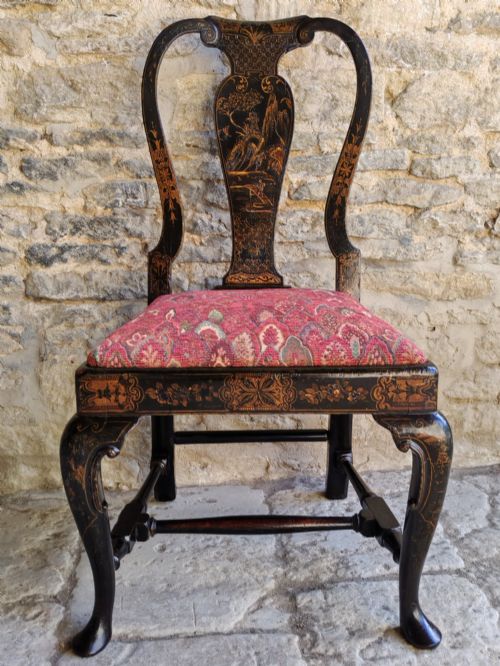
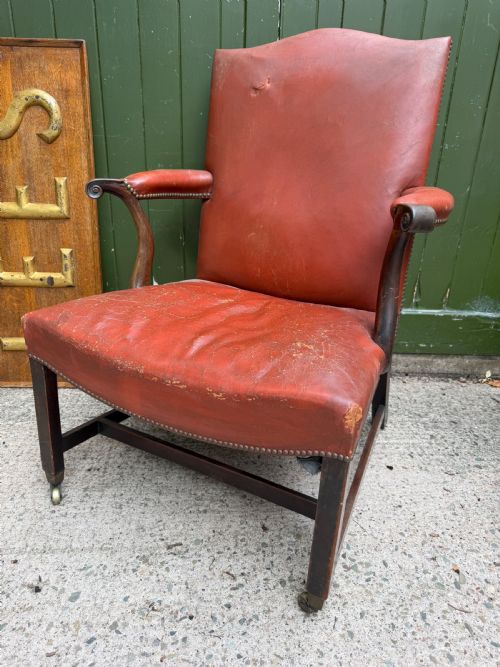
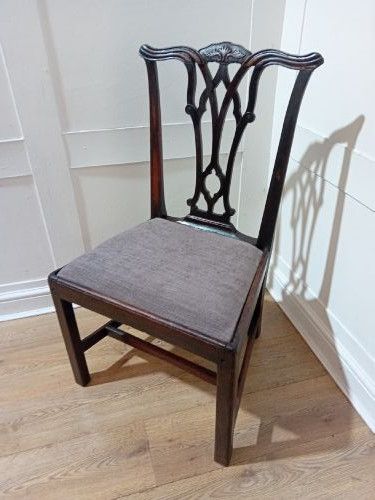
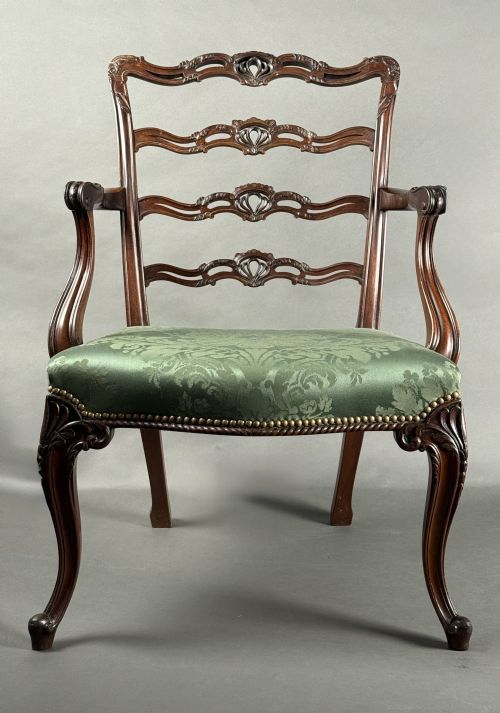
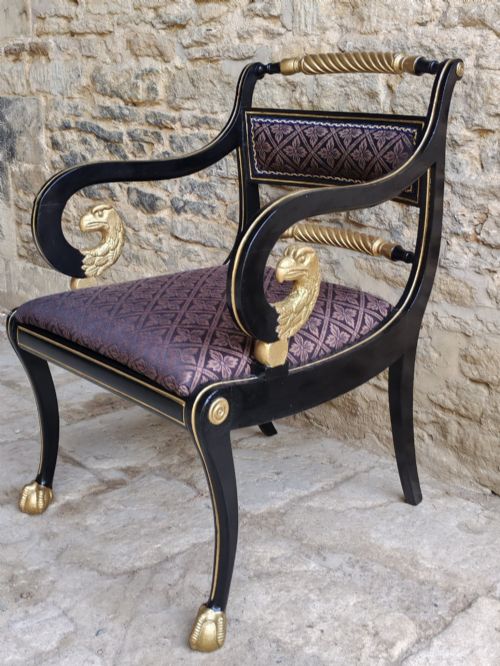
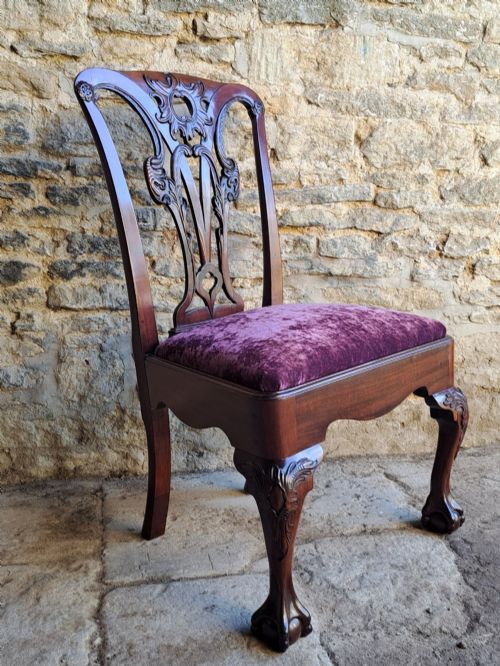
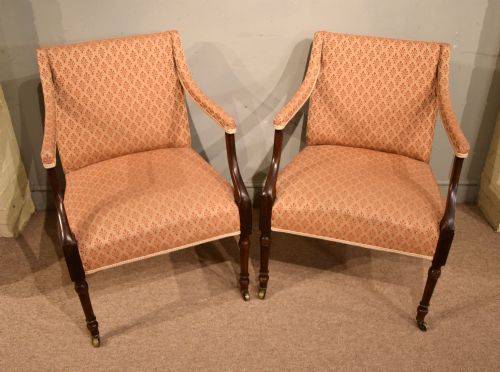
The selection ranges from genuine eighteenth-century pieces attributed to the Georgian and George III eras to later nineteenth-century interpretations and twentieth-century revivals. Forms include Gainsborough library chairs, Chinese Chippendale designs, Hepplewhite shield-back chairs and simpler country house models.
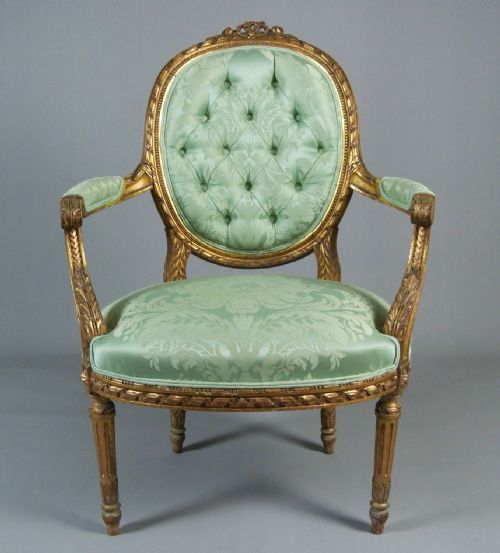
These chairs serve as focal points in reception rooms, studies and bedrooms. Their varied upholstery, from antique red leather to modern silks and patterned textiles, bridges historical craftsmanship and contemporary interior schemes.
Materials and construction
Makers utilised dense timbers such as mahogany, walnut, oak and fruitwoods like elm to build durable chair frames. Carved details on splats, arms and legs demonstrate traditional cabinet-making techniques handed down through generations of workshops.
Surface finishes include polished wood, giltwood and painted decoration, occasionally paired with chinoiserie motifs. Upholstery methods rely on traditional stuffing and webbing beneath top layers of leather, silk, velvet or printed fabric.
Several chairs carry names like Cockpen and Gainsborough, proving that eighteenth-century cabinet-makers enjoyed naming their favourite seats after places and painters.
Evaluating the pieces
Quality rests upon the crispness of the wood carving, the integrity of the joinery within the frame and the proportion of the silhouette. Superior examples retain their original timber surfaces, subtle patination and uncompromised structural bracing.
Later revivals and heavily restored pieces differ from period originals through timber selection and the sharpness of decorative details. The choice of upholstery fabric also alters the visual weight and historical harmony of the chair.
Thomas Chippendale·Waugh and Son
The Georgian Style Accent Chair Glossary
- Chippendale
- A style of eighteenth-century furniture design named after cabinet-maker Thomas Chippendale, known for intricate carved mahogany, cabriole legs and interlaced ribbon splats.
- Gainsborough chair
- A type of wide, upholstered mahogany armchair with open padded arms, designed for libraries and writing desks during the eighteenth century.
- Shield-back
- A chair back shape resembling an upturned shield, popularised by George Hepplewhite during the late eighteenth century and repeated in later revival periods.
- Chinoiserie
- European decorative style inspired by Chinese artistic traditions, incorporating painted motifs, lacquerwork and fretwork.
- Cabriole leg
- A furniture leg featuring a double curve, flowing outward at the knee and tapering inward toward the foot, typical of eighteenth-century design.
Georgian Style Accent Chair: Frequently Asked Questions
How do I identify a true Georgian chair?
Authentic pieces from the Georgian period show period construction methods, hand-cut joinery and timber patination consistent with the eighteenth century. Examining the underside and framing reveals the age of the wood and the tools used by the maker.
Revival pieces from the nineteenth and twentieth centuries often copy these forms but utilise machine-cut elements or different secondary woods beneath the upholstery.
What is a Gainsborough chair?
A Gainsborough chair is a wide, open-armed library armchair upholstered in leather or fabric, designed in the mid-eighteenth century. It provides comfortable seating for writing desks or reading spaces.
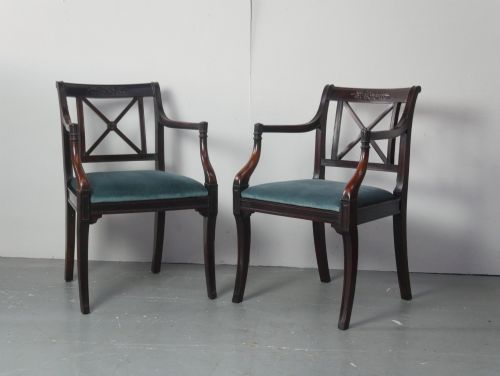
These chairs feature upholstered armrests and sturdy mahogany frames, often standing on straight or moulded legs with stretchers.
Are these chairs suitable for daily use?
Most antique and revival chairs remain structurally sound for regular seating when the frame and internal webbing are properly maintained. Many pieces have received new upholstery or stabilisation over their lifespan to ensure durability.
Placing them away from direct sunlight and heat sources helps protect the antique wood and sensitive fabric covers.
What is the difference between Georgian and Regency styles?
Georgian furniture spans the reigns of the four Georges, encompassing ornate Chippendale carving, Hepplewhite elegance and solid proportions. Regency style emerged later, drawing heavier inspiration from classical Greek, Roman and Egyptian motifs.
Regency designs frequently incorporate brass inlay, sabre legs and darker mahogany finishes compared to earlier eighteenth-century work.