
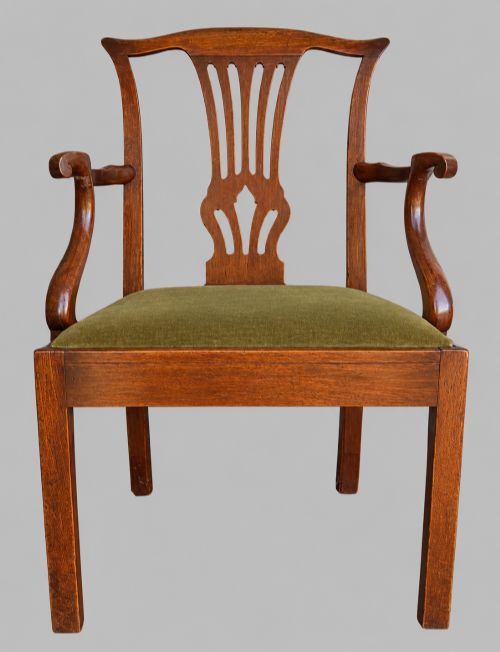
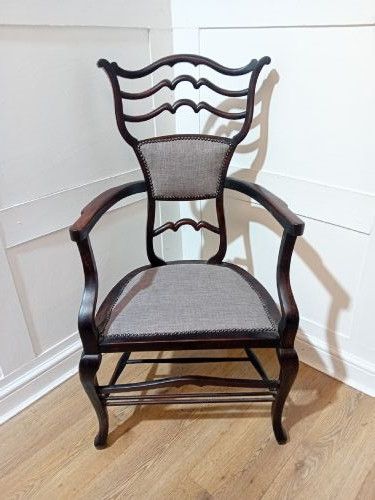
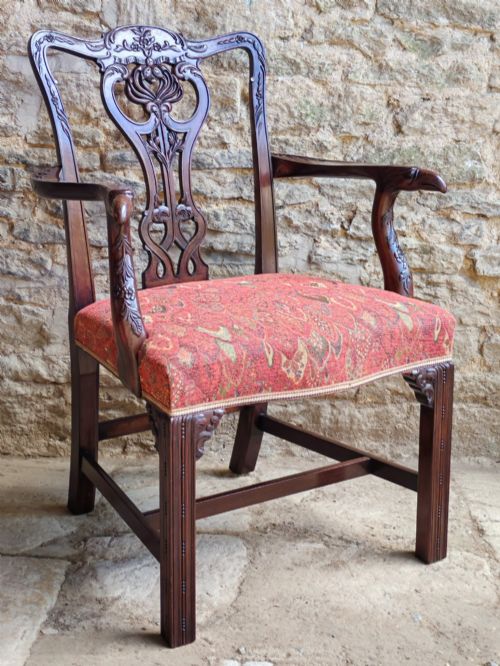
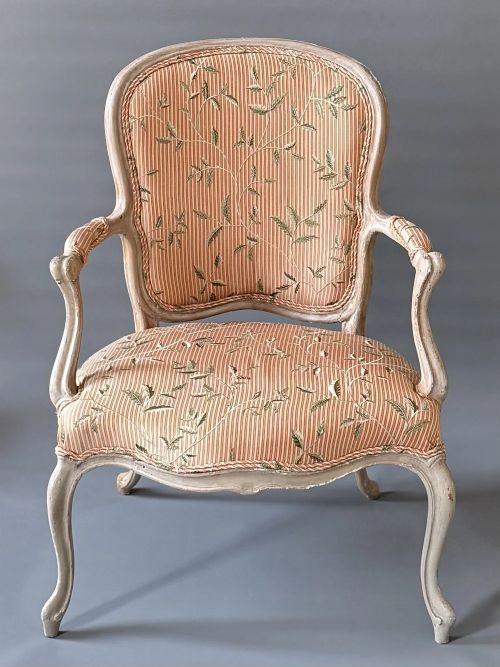
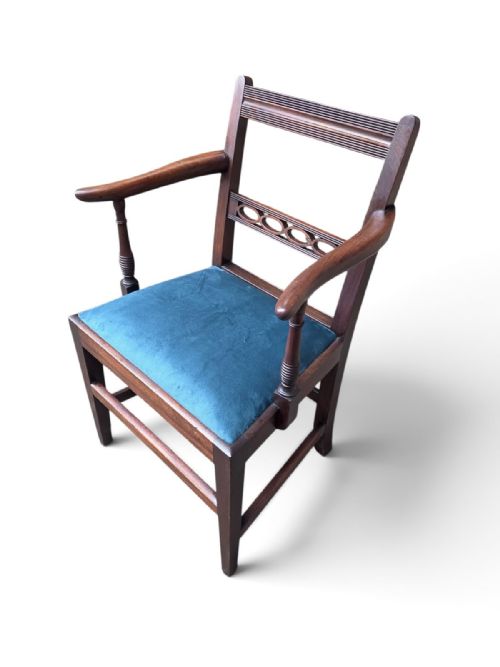
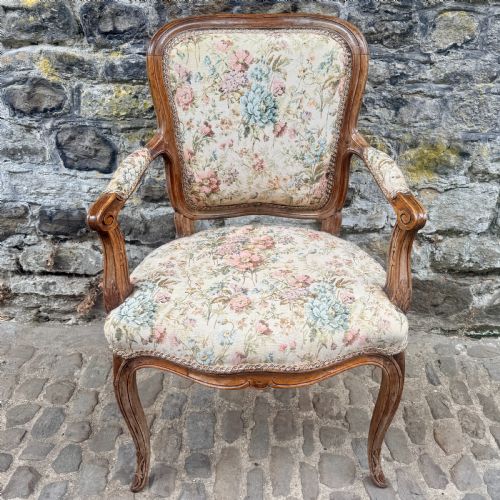
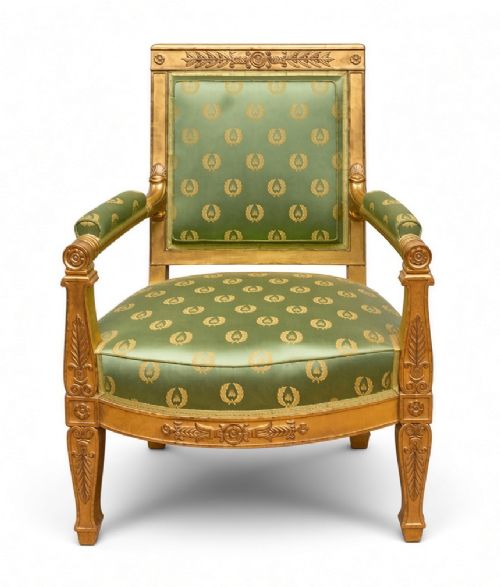
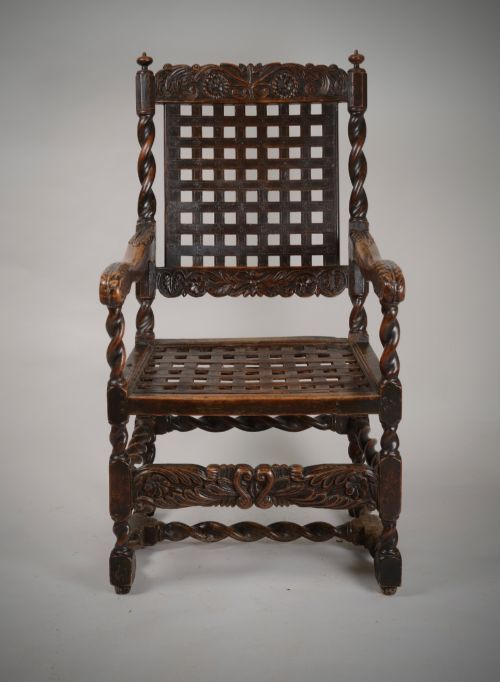
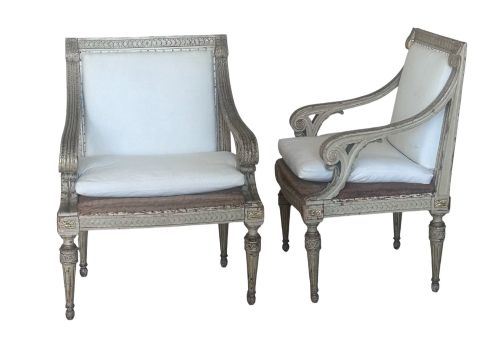
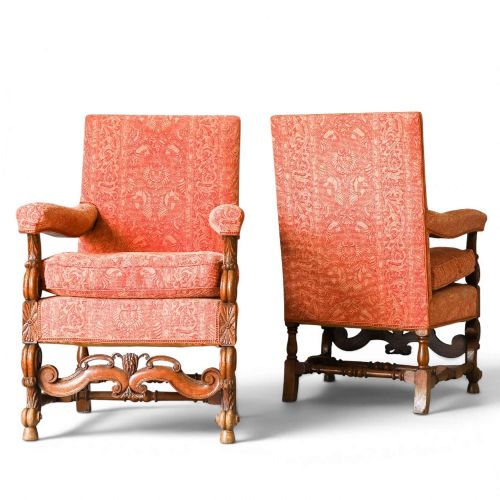
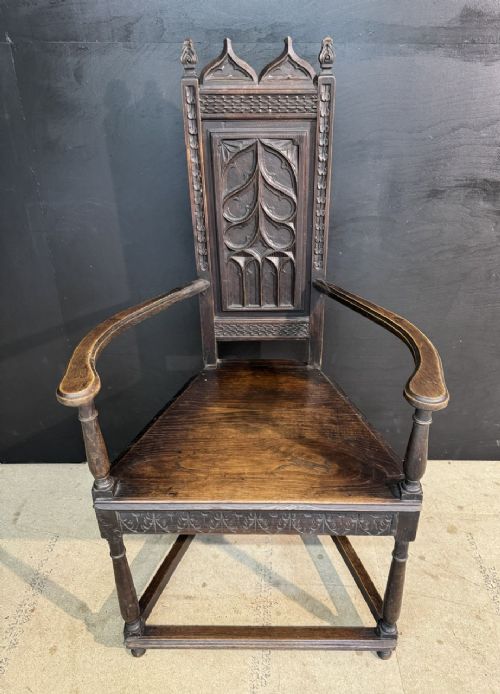
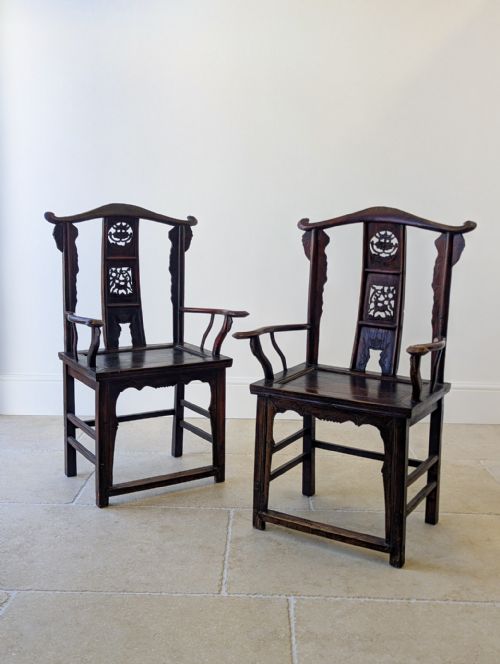
Carved Wooden Open Armchair
These carved wooden open armchair examples offer robust seating rooted in walnut, hardwood and mahogany across multiple centuries.
Defining the carved wooden open armchair
A carved wooden open armchair provides sturdy seating built from walnut, hardwood and mahogany, often featuring upholstered fabric components. When buyers search for a carved wooden open armchair, they encounter diverse historical interpretations spanning several distinct centuries of cabinetmaking.
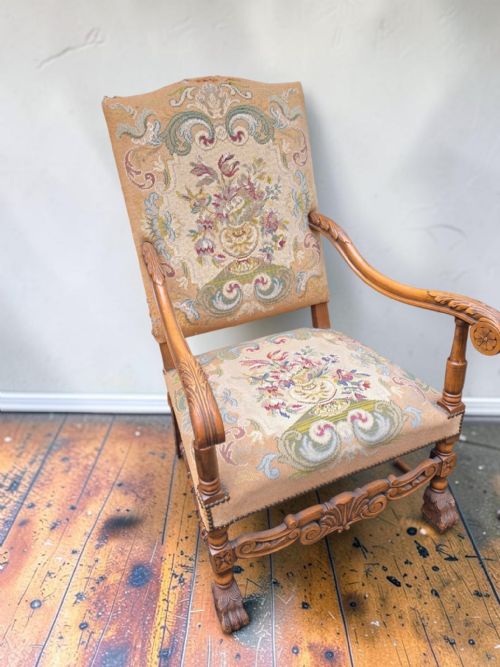
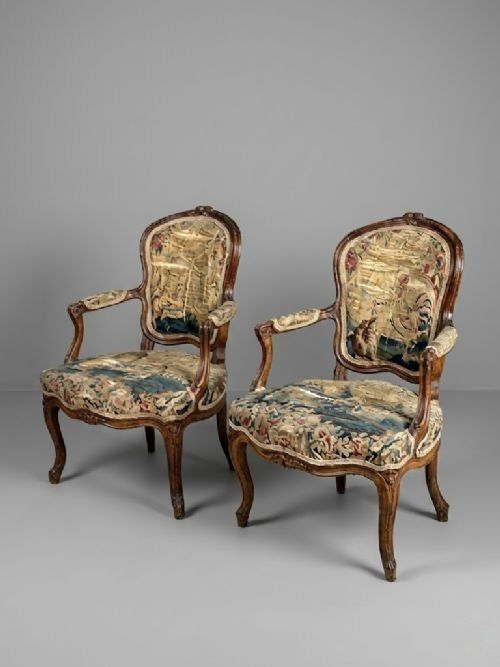
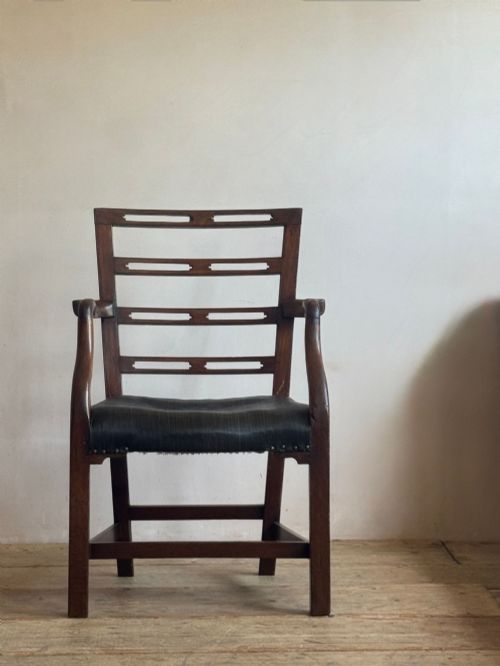
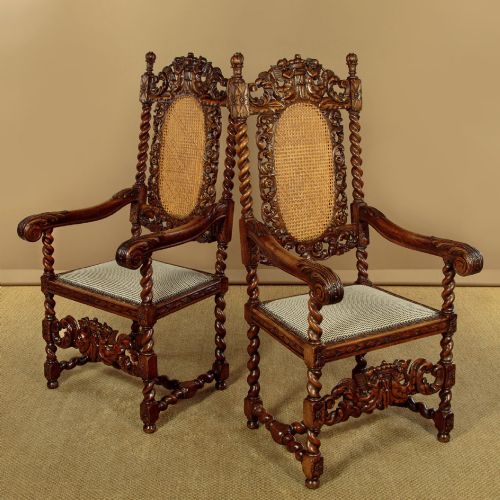
The pieces available on this page reflect specific regional styles and construction methods, ranging from 17th Century Charles II walnut designs to 19th Century French Provincial and 1800 Chippendale ladder back forms. Each open armchair demonstrates how makers utilised exposed wooden frames and structural joinery to support daily use.
Materials and construction
Makers utilised solid timbers including walnut, hardwood and mahogany to build the structural framework of each open armchair. Carved details were shaped directly into the solid wood before assembly using traditional joinery techniques.
Upholstery fabric was incorporated into specific models using textile fixings, sometimes accented with brass elements. The combination of dense wood and fabric created functional seating designed for durability and comfort.
Current listings feature items spanning the 17th Century, the 19th Century, and the year 1800, utilising walnut, mahogany, hardwood and fabric.
Assessing quality
Quality in these chairs rests upon the depth and precision of the carved wooden ornamentation applied to the frame. Crisp execution of period motifs distinguishes superior examples from simpler utilitarian seating.
The choice of primary timber also dictates the character of the piece, with dense walnut and mahogany exhibiting finer grain structure than standard hardwood. Structural integrity within the open arm joints determines how well the chair withstands daily handling.
The Carved Wooden Open Armchair Glossary
- Walnut
- A dense, dark timber prized for cabinetmaking and carving. It provides a stable and richly grained frame for seating.
- Ladder back
- A chair back featuring horizontal wooden slats arranged like the rungs of a ladder. This form appears on specific 1800 Chippendale examples.
- Charles II
- A 17th Century British period style associated with ornate carved woodwork and rich upholstery. Pieces from this era display distinctive decorative flourishes.
- French Provincial
- A regional style originating in France, known for simpler interpretations of metropolitan furniture designs. These chairs balance rural practicality with stylistic flair.
- Open armchair
- A seat featuring wooden armrests without upholstered side panels. This form allows freedom of movement for the sitter.
Frequently Asked Questions
What is a carved wooden open armchair?
A carved wooden open armchair is a seat featuring exposed wooden framing, carved decorative details and open sides without upholstered panels. These chairs combine structural timber with fabric components to provide functional and decorative seating.
Examples on this page span the 17th Century to the 19th Century, showcasing styles such as Charles II, French Provincial and Chippendale.
How do I identify a 17th Century armchair?
Seventeenth-century chairs typically feature dense walnut construction paired with distinctive carved wooden ornamentations characteristic of the Charles II period. The joinery and timber selection reflect the manufacturing methods of that era.
Comparing the specific carving styles and structural forms helps distinguish these early pieces from later 19th Century or 1800 alternatives.
What materials were used to make these chairs?
Maker workshops utilised solid hardwoods, walnut and mahogany to construct the load-bearing frames and decorative elements. Fabric was frequently added for seat and back upholstery.
Additional components such as brass hardware occasionally appear on specific variants within the listings.
How should I care for an antique wooden armchair?
Protect the timber frame by avoiding direct sunlight and maintaining stable indoor humidity levels to prevent wood shrinkage. Regular dusting with a dry cloth preserves the finish of walnut, mahogany and hardwood surfaces.
Care for the fabric upholstery according to its specific textile composition, keeping heavy wear to a minimum.