


Georgian Strike Silent Clock
A georgian strike silent clock brings mechanical mastery and rich timber into a room, offering both precision timekeeping and quiet control.
Georgian Strike Silent Clock
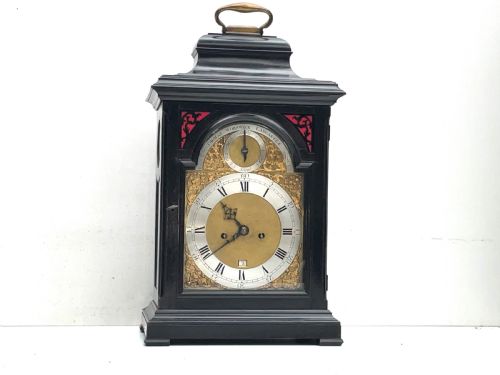
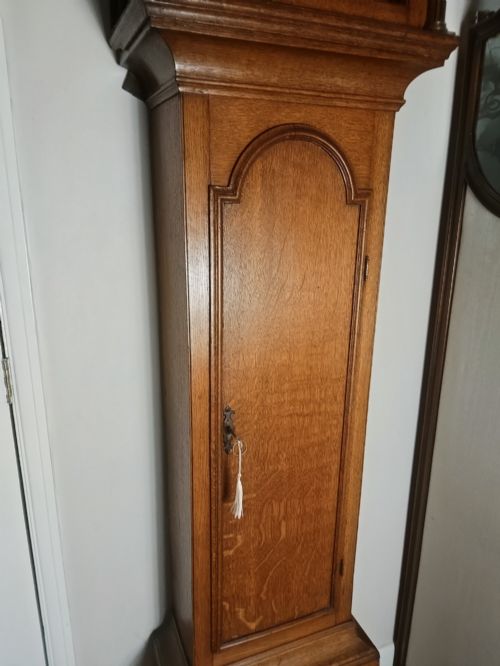
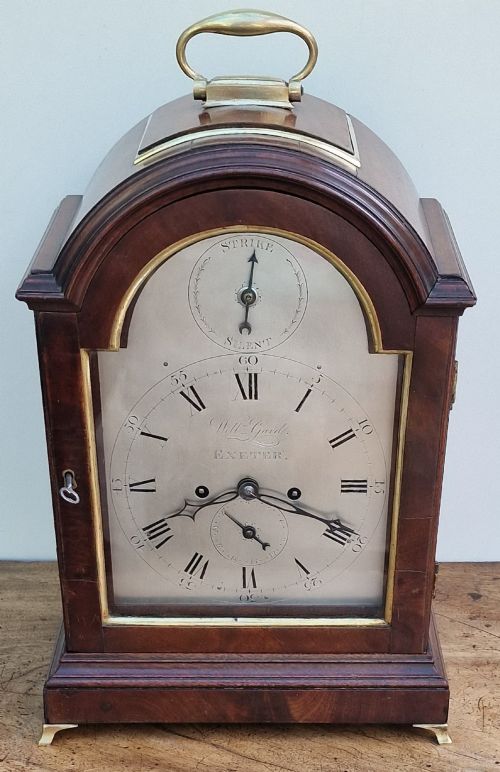
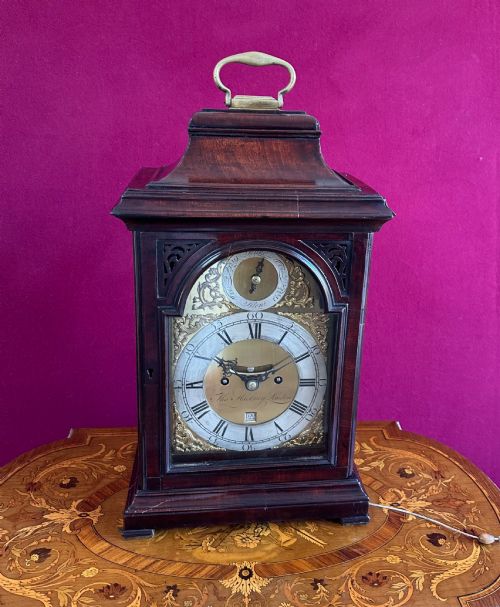
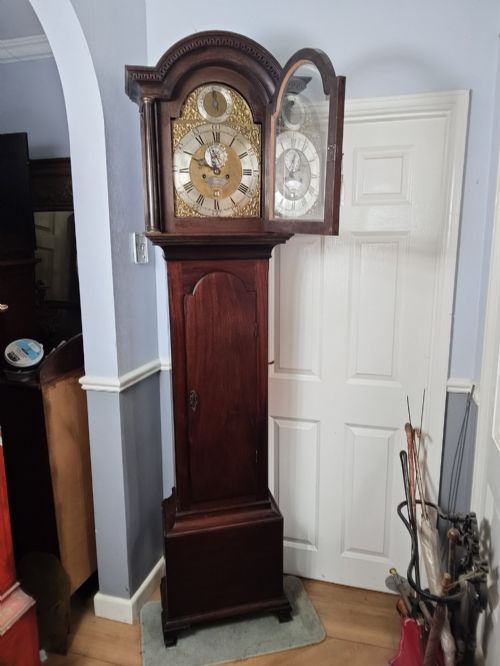
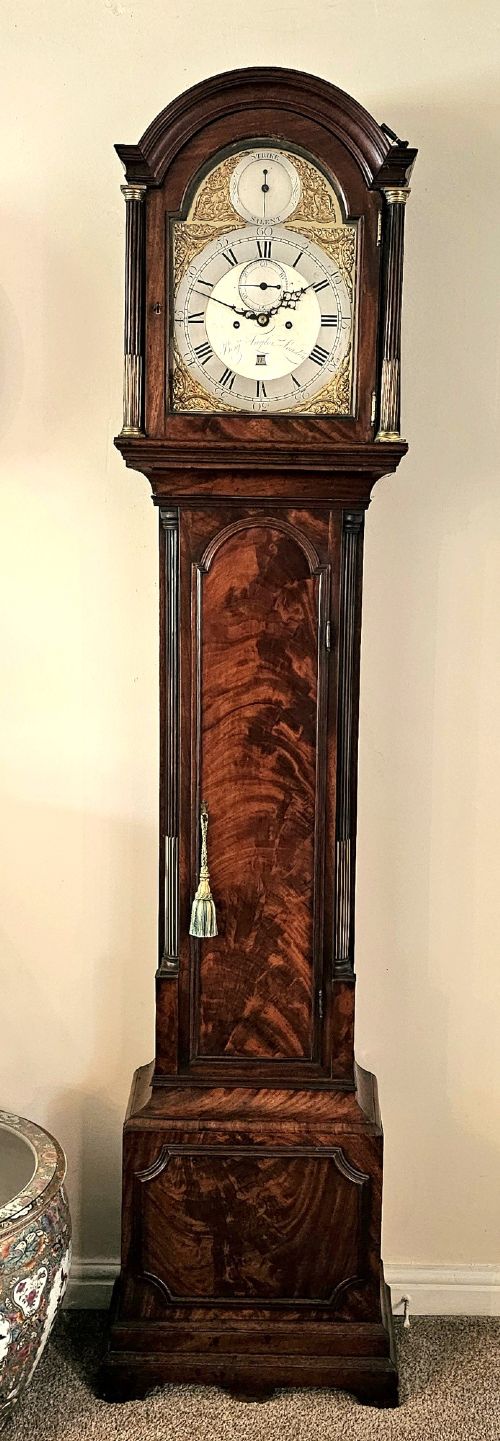
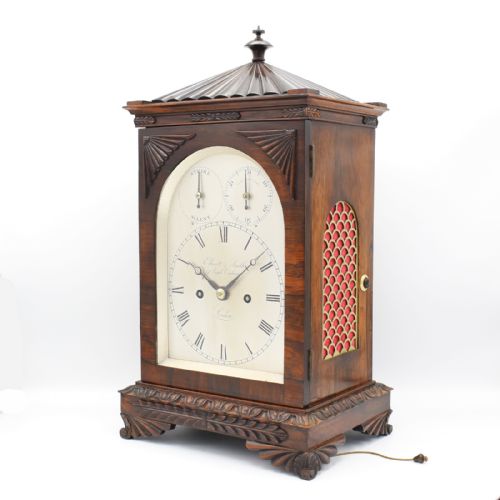
A georgian strike silent clock typically appears as a tall longcase grandfather clock or a portable bracket table clock. The strike silent mechanism allows the owner to silence the bell chime at night while the movement continues running.
Most examples found in this collection date from the eighteenth century through the Regency period. Timber choices range from figured mahogany and oak to ebonised wood.
Makers housed these movements in break-arch cases, bell-top designs, and Gothic revival shapes. They serve both as functional timepieces and architectural centrepieces.
How They Were Made
Cases utilise solid and veneered timbers such as mahogany, oak, and ebony over structural carcases. Brass dial furniture, steel hands, and glass viewing panels complete the housing.
Internal movements rely on brass plates, steel pinions, and verge or fusee escapements powered by weights or chains. Bells cast from bronze provide the striking audio.
Georgian Strike Silent Clock Retail Price Guide 2026
Typical asking prices for georgian strike silent clock among the pieces listed under this phrase on Sellingantiques today, from the lower quarter to the upper quarter. They describe what is for sale here now, not the wider market.
Listings feature mahogany, oak, and ebonised wood housing mechanical movements across the eighteenth and nineteenth centuries.
What Varies in Quality
The refinement of the cabinetmaking sets individual pieces apart, seen in the choice of flame mahogany veneers and the crispness of carved mouldings. Proportion and balance in smaller bracket clocks dictate desirability.
Movement finishing reveals the maker's hand through engraved backplates, fire-gilded brass mounts, and the complexity of the strike silent selection lever. Originality of dial signatures and motion work preserves the historical integrity.
William Gard·Benjamin Taylor·Ellicott and Smith·Henry Weedon·Des Granges·Louis Recordon·Somersall·Agar of Malton·John Taylor·Chater and Son·John McGregor·Isaac Hurley·Ed Hunsdon·John Rapton
The Georgian Strike Silent Clock Glossary
- Strike silent
- A mechanism that disengages the striking train so the clock runs silently on demand. This function protected sleep in domestic bedchambers.
- Verge escapement
- An early mechanical regulation system using a crown wheel and pallet impulses. It produces a distinctive rapid ticking sound.
- Fusee
- A conical pulley used with a cord or chain to maintain equal power as the mainspring unwinds. This ensures steady timekeeping across the day.
- Bracket clock
- A portable table clock designed to sit on a bracket or shelf. Many feature carrying handles on top of bell-top or break-arch cases.
Georgian Strike Silent Clock: Frequently Asked Questions
How does strike silent work?
A small lever on the dial or side of the case lifts the rack hooks, preventing the hammer from falling onto the bell.
This lets the clock run through the night without chiming the hours while keeping time accurately.
What is a fusee movement?
A fusee is a cone-shaped drum that equalises the declining power of a mainspring as it unwinds.
This mechanism helps the clock maintain a consistent rate of tick between windings.
Where should a bracket clock go?
Bracket clocks need a sturdy shelf or table away from direct sunlight and drafts that might upset the pendulum or balance.
Their brass carrying handles suggest they were moved between rooms in period homes.
How do I tell an 18th century clock apart?
Eighteenth-century examples often feature verge escapements, brass dial plates with cast spandrels, and substantial oak or mahogany cases.
Later nineteenth-century pieces tend toward fusee movements in ebonised or simpler mahogany arched housings.