


Georgian Straight Front
A georgian straight front is a foundational piece of furniture, offering honest storage and timber with centuries of character.
Georgian Straight Front
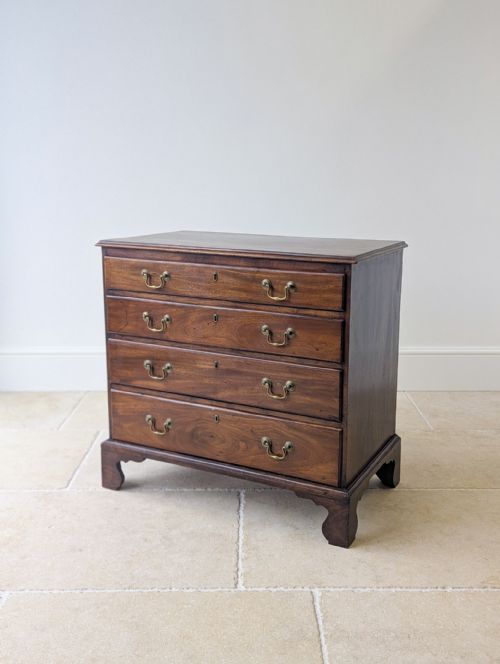
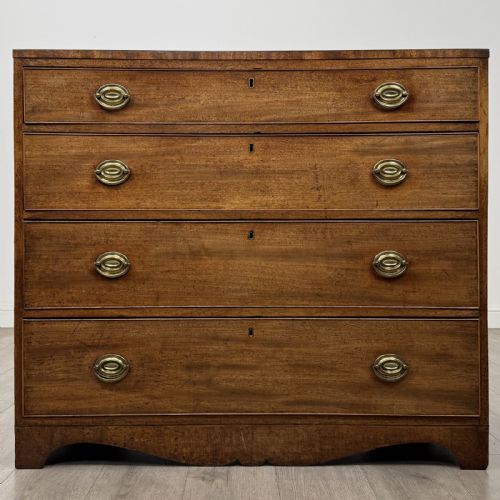
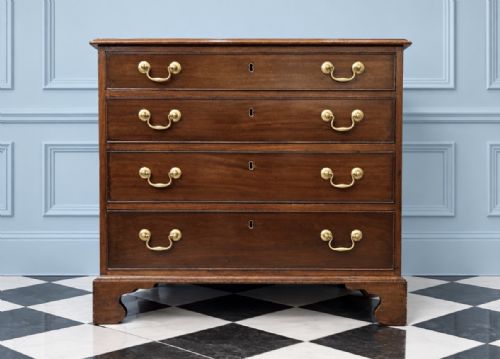
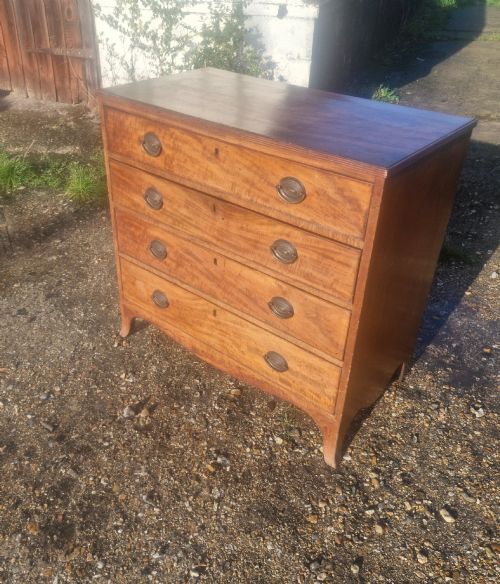
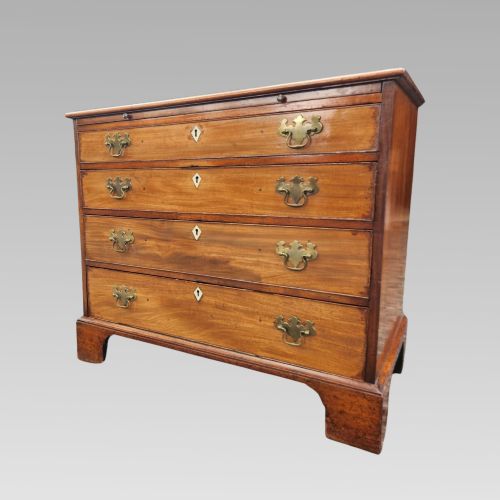
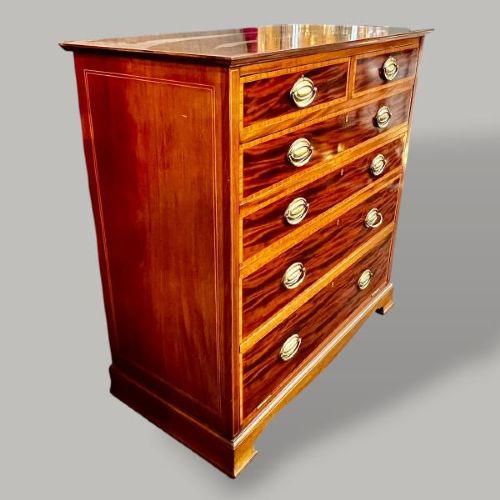
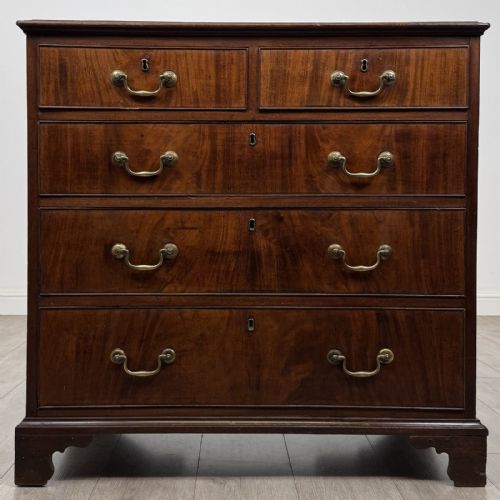
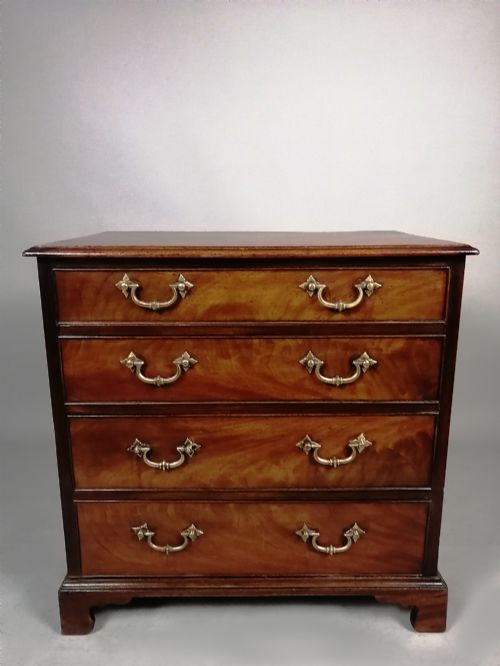
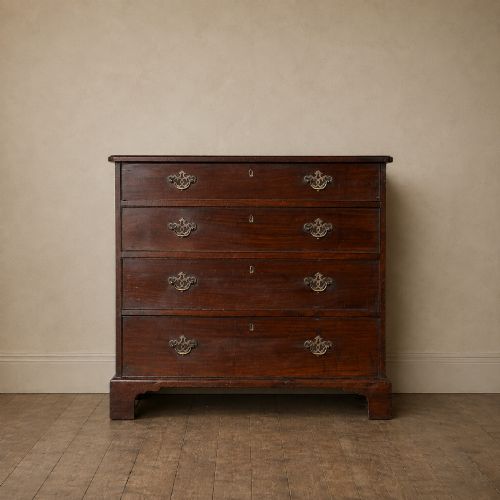
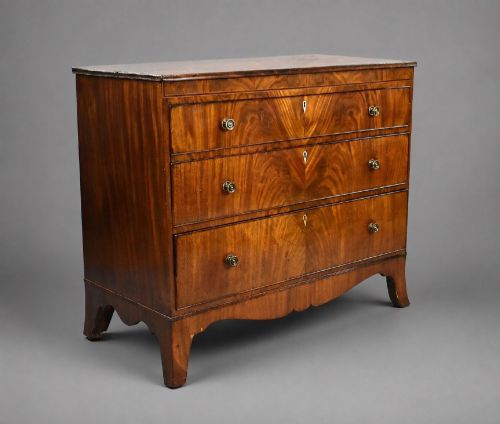
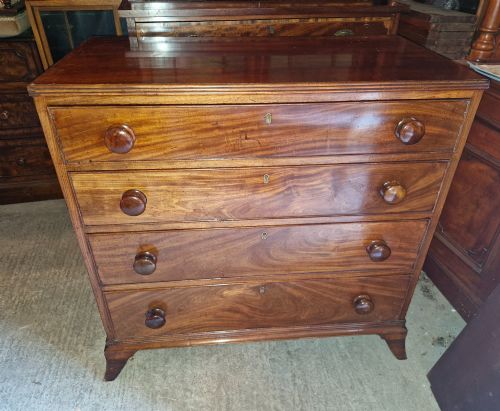
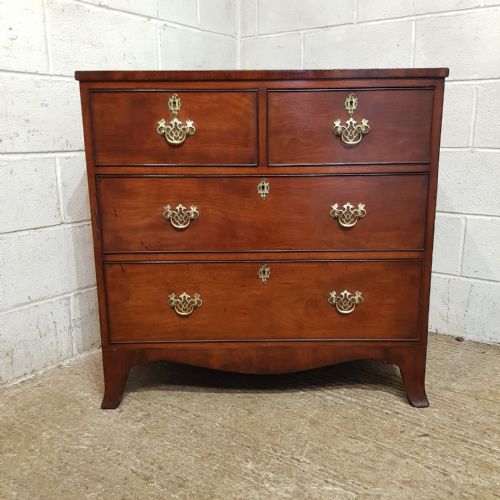
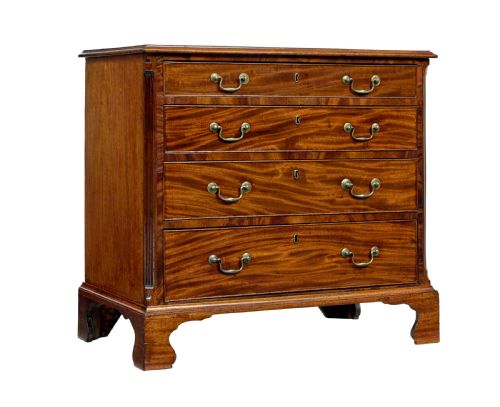
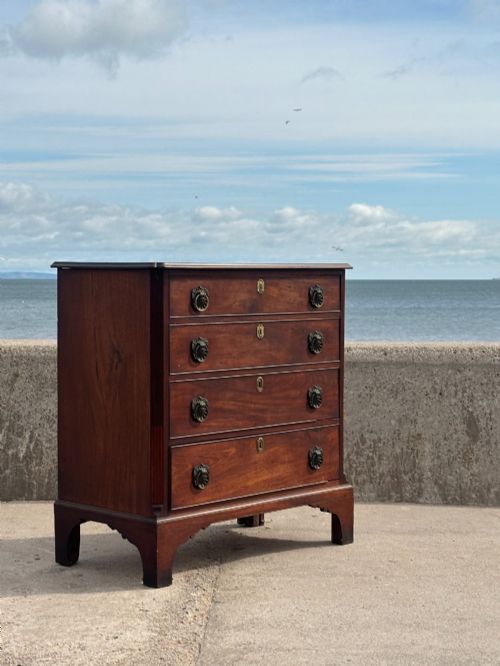
A georgian straight front primarily takes the form of a chest of drawers or sideboard, designed with a flat planar facade rather than a serpentine or bow contour. The versions most frequently met on this page date from the eighteenth and nineteenth centuries, spanning George II, George III, and Regency periods.
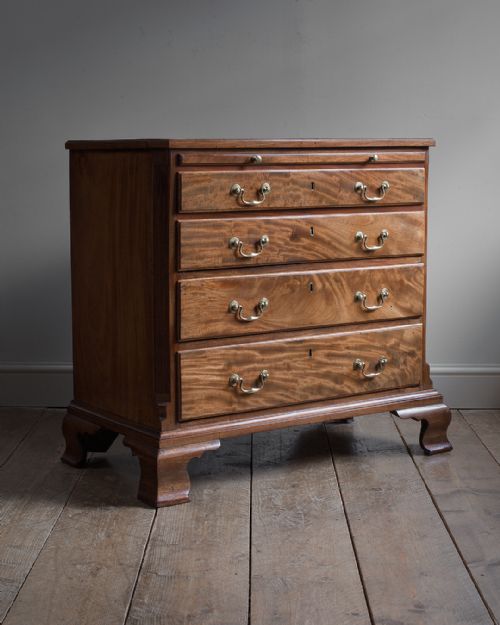
Makers constructed these storage pieces predominantly in mahogany, sometimes utilising oak for internal linings or drawer carcasses. Examples range from compact bachelor chests with brushing slides to tall proportions and wider sideboards suited to dining rooms.
How They Were Made
Joiners built these carcasses using dense hardwoods like mahogany and oak, often incorporating secondary timbers such as deal or boxwood for stringing and inlay. Drawers typically feature hand-cut dovetail joints securing oak or mahogany linings, ensuring structural rigidity across decades of daily use.
Surface decoration relied on timber selection rather than applied ornament, utilising curl mahogany, flame mahogany veneers, or satinwood crossbanding. Brass hardware, including oval drop handles and backplates, was fitted to secure the drawers.
Georgian Straight Front Retail Price Guide 2026
Typical asking prices for georgian straight front among the pieces listed under this phrase on Sellingantiques today, from the lower quarter to the upper quarter. They describe what is for sale here now, not the wider market.
The selection includes compact bachelor chests alongside taller proportions and sideboards.
What Varies in Quality
Quality rests in the selection of timber grain and the integrity of the original construction rather than decorative excess. Finer examples display highly figured flame mahogany veneers and crisp hand-cut dovetailing that remains tight and square.
Mawer and Stephenson·Gillows
The Georgian Straight Front Glossary
- Bracket foot
- A simple, stable foot form shaped like a bracket, commonly found on eighteenth-century chests. It supports the corners of the case while lifting the body off the floor.
- Brushing slide
- A pull-out shelf located above the top drawer, traditionally utilised for writing or sorting clothes without opening a full drawer. It sits flush within the moulding when closed.
- Dovetail
- A joint formed by interlocking wedge-shaped fingers, essential for securing drawer corners. Hand-cut variations indicate earlier craftsmanship.
- Flame mahogany
- Timber veneer cut from the branch junction where the grain pattern resembles flickering flames. It provides striking visual movement across drawer fronts.
- Stringing
- A thin inlay of contrasting wood, such as boxwood or ebony, used to outline drawer edges and panels. It adds delicate linear definition to the straight facade.
Georgian Straight Front: Frequently Asked Questions
What is a straight front chest?
A straight front chest is a drawer unit featuring a flat facade, distinguishing it from curved or bow-front designs of the same era. This classic silhouette maximises internal storage while maintaining a clean architectural profile.
Most examples from this period utilise solid timber carcases and graduated drawers arranged horizontally. They served as primary bedroom storage for garments and household linens.
How do I identify a Georgian chest?
Identifying a Georgian piece involves examining the timber density, drawer construction, and foot style. Look for hand-cut dovetails on the drawer sides and secondary woods like oak used for internal framing.
Proportions tend to be balanced and restrained, relying on the grain of the mahogany or oak rather than heavy carving. Bracket feet or ogee feet frequently anchor the base of these eighteenth-century carcases.
Where should I place a sideboard?
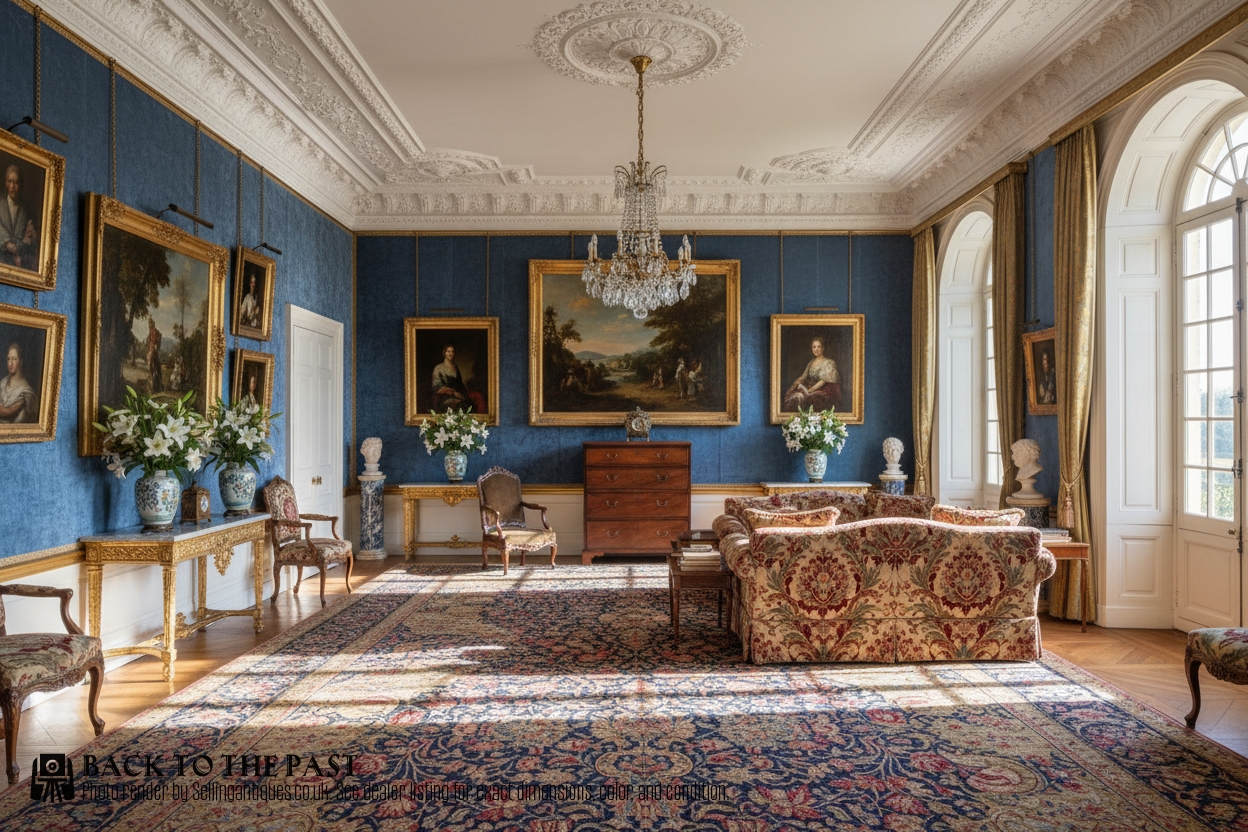
Sideboards suit dining rooms or large hallways where their length provides a functional surface for serving or display. Ensure adequate clearance for drawers and cupboard doors to open fully.
Keep timber pieces away from direct heat sources and strong sunlight to prevent the mahogany veneers from drying or fading. Regular polishing maintains the lustre of the wax finish.
What is a brushing slide?
A brushing slide is a pull-out wooden shelf integrated just beneath the top surface of a chest. It provided a temporary horizontal surface for folding garments or writing notes.
When pushed fully home, it remains hidden behind the main moulding of the case. Its presence often indicates a higher quality piece intended for a principal bedroom.