


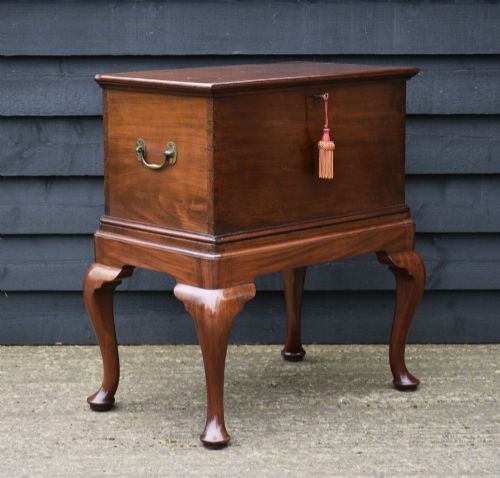
Georgian Storage Trunk
A georgian storage trunk brings rugged practicality and rich timber grain to an interior, offering robust capacity forged for historic domestic life.
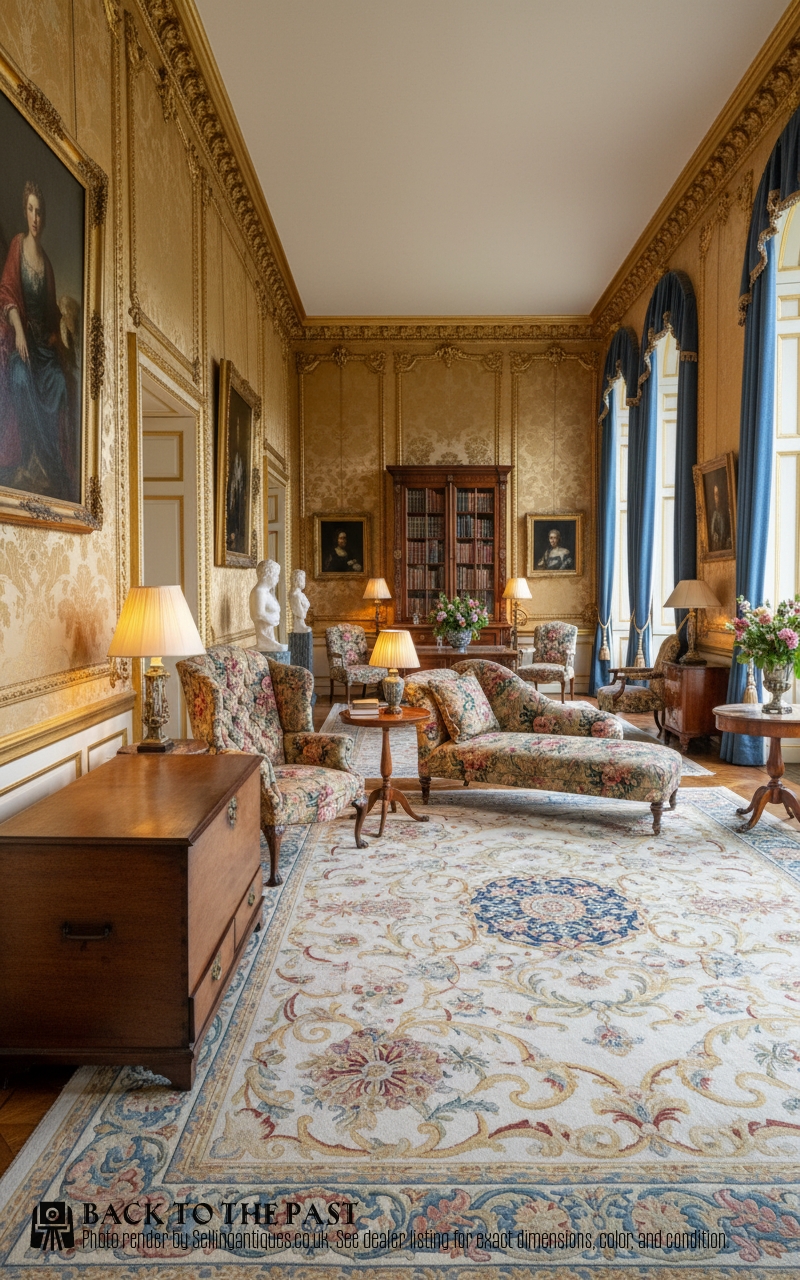
Identifying georgian storage trunk forms
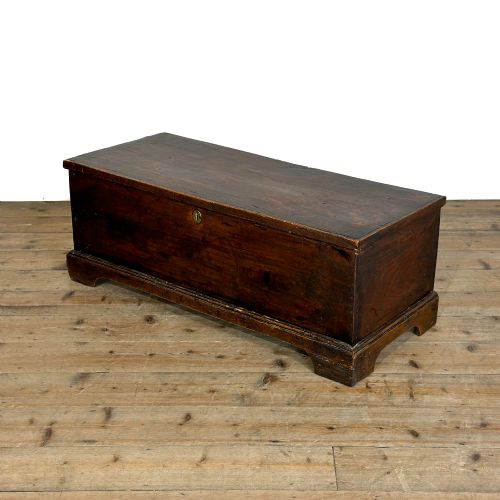
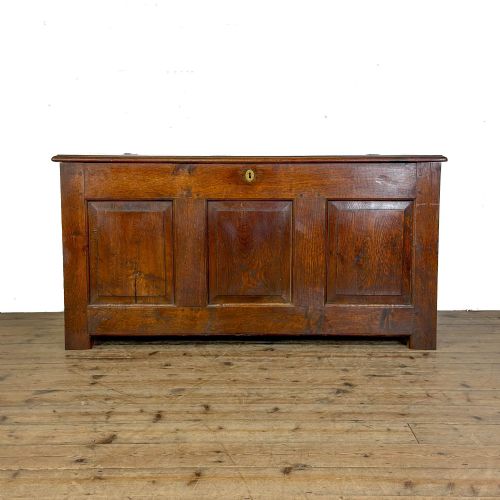
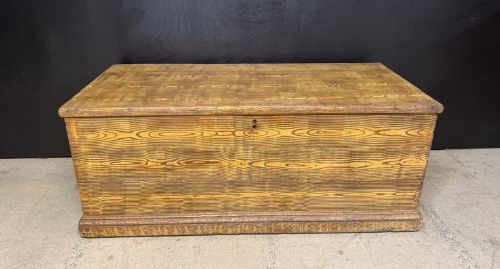
A georgian storage trunk encompasses sturdy timber chests, blanket boxes, coffers and mule chests produced across the eighteenth and early nineteenth centuries. These utilitarian vessels served households for linens, garments and valuables before built-in wardrobes became standard.
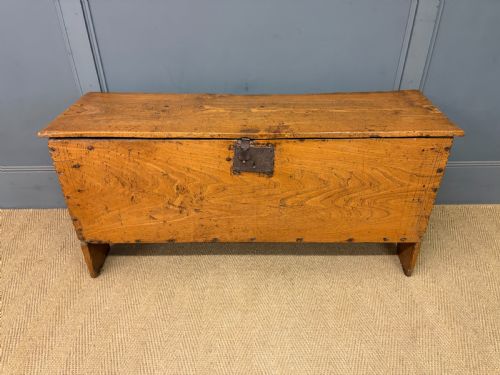
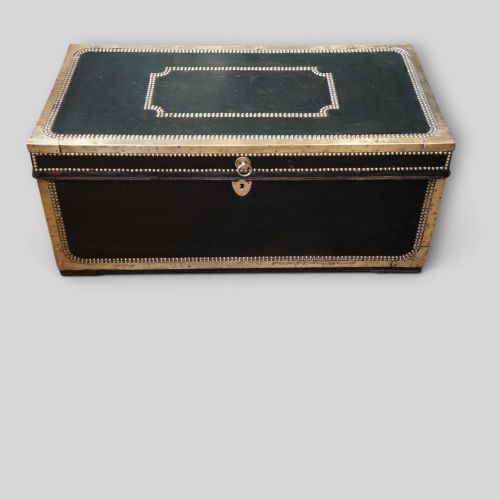
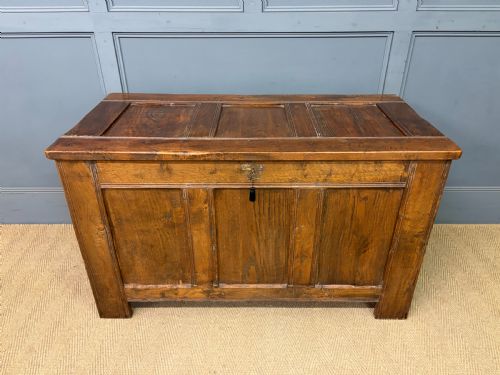
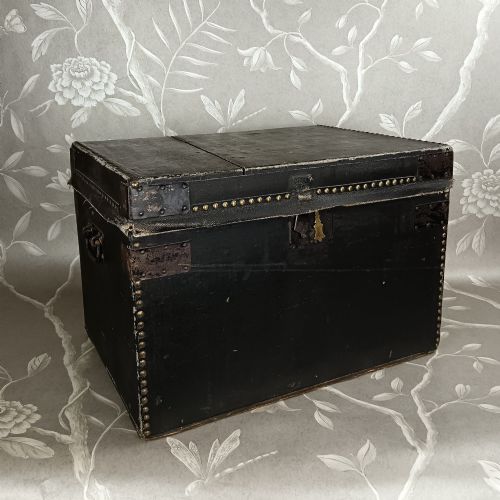
The versions most commonly met on this page are constructed from native elm and oak, often displaying honest vernacular joinery and generous proportions. Elm and pine examples frequently appear alongside more formally finished mahogany pieces and occasional hide-covered travelling trunks.
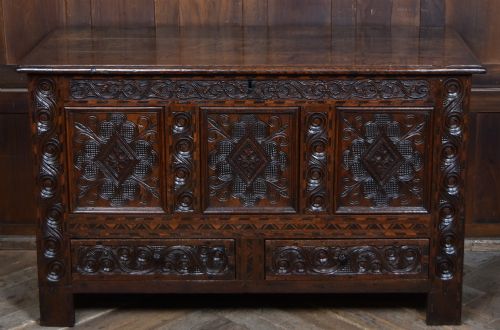
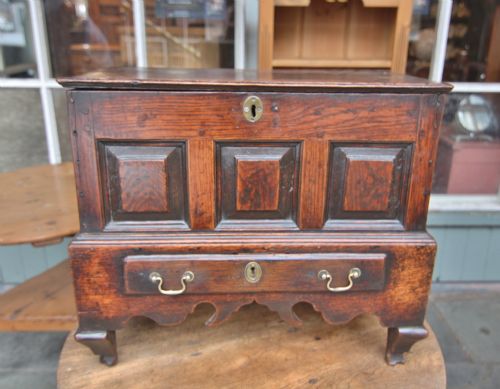
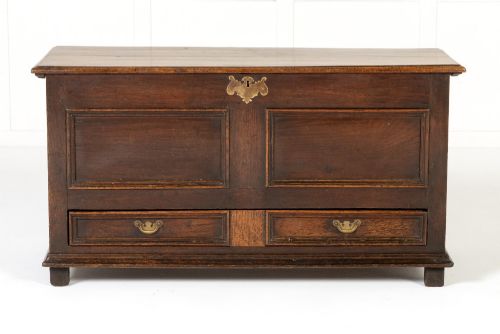
Mule chests within this group combine deep box storage with one or more lower drawers, bridging the gap between trunk and chest of drawers. Plain plank construction sits alongside carved panels and brass-bound travelling hardware.
Materials and construction methods
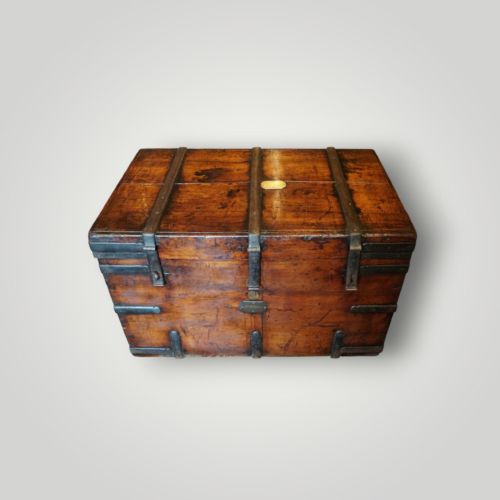
Makers utilised solid timbers including elm, oak, mahogany and pine, joined using traditional pegged mortise and tenon joints or dovetailing at the corners. Heavy iron strapwork, brass carrying handles and studding reinforced the structures for domestic use or travel.
Surfaces were worked by hand with adzes, planes and saws, leaving visible tool marks on interior planks and undersides. Chests intended for formal spaces received finer cabinet-making with polished mahogany, while utilitarian pieces relied on plain scrubbed or waxed boards.
Retail Price Guide 2026
Typical UK retail prices for georgian storage trunk, calculated from the Sellingantiques database of over a million retail prices indexed since 2003. This retail price guide relies exclusively on Sellingantiques data; no external sources or auction records are used, so the figures do not describe the wider market.
Many travelling trunks still bear faint traces of long-vanished coach journeys in their battered metal bindings.
Distinguishing quality in period storage
Quality rests in the choice of timber and the integrity of the original construction, where figured mahogany or carefully selected elm planks elevate a piece above basic utility. Original hardware, hinges, locks and carrying handles contribute significantly to the standing of a trunk.
Proportion and restraint in any decorative carving separate superior workshop production from simpler vernacular examples. Retaining original floor-facing boards, untouched surfaces and operational locks distinguishes well-preserved survivors from heavily restored chests.
Seabrook of St Pauls London
The Georgian Storage Trunk Glossary
- Mule chest
- A storage chest featuring a lift-up lid above one or more drawers built into the base. This form developed in the eighteenth century to provide easier access to stored garments without unpacking the main compartment.
- Coffer
- A heavy wooden box with a hinged lid, traditionally used for storing valuables, documents or textiles. Early examples rely on six-board construction joined with wooden pegs.
- Blanket box
- A domestic chest specifically designated for holding bedding, woollens and linens near a hearth or bedchamber. These often present simpler internal layouts without base drawers.
- Dovetail
- A joint formed by interlocking wedge-shaped fingers, used extensively to secure the corners of drawers and trunk bodies. Fine, narrow pins indicate skilled cabinet-making.
- Vernacular
- Furniture made by local craftsmen for everyday regional use rather than high-style London workshops. These pieces prioritise utility and local timber availability over fashionable ornament.
Frequently Asked Questions
What is a mule chest?
A mule chest is a storage trunk with one or more drawers fitted beneath the main compartment. This hybrid design allowed users to retrieve items from the drawers without lifting the heavy lid.
Craftsmen produced them throughout the Georgian period in native timbers such as oak, elm and mahogany. They served as primary bedroom furniture for storing linens and clothing.
How were these trunks used originally?
Georgian households relied on these deep chests for storing heavy blankets, seasonal garments, family silver and important documents. They sat in hallways, bedchambers and attics to protect textiles from moths and damp.
Travelling versions were reinforced with iron bands, leather hide and sturdy drop handles to withstand long journeys by coach or ship. Domestic variants remained stationary, anchoring the layout of historic rooms.
How do I care for antique elm and oak?
Maintain timber storage pieces by applying a traditional beeswax polish sparingly to nourish the dry wood. Avoid placing them near direct heat sources or in damp environments that cause warping and splitting.
Allowing the wood to breathe and dusting with a soft cloth preserves the historic patina. Modern silicone sprays should be avoided as they damage old wax finishes.
How can I tell an eighteenth-century chest from a later copy?
Examine the interior boards, nail types and drawer construction for signs of hand-working rather than modern machine tooling. Eighteenth-century pieces feature hand-sawn timber thickness variations, pegged joints and handmade wrought iron nails.
Secondary woods used inside drawers and back panels should match the period's regional practices. Wear patterns around keyholes and handles reflect centuries of genuine domestic handling.