


Georgian Sterling Silver Sifter
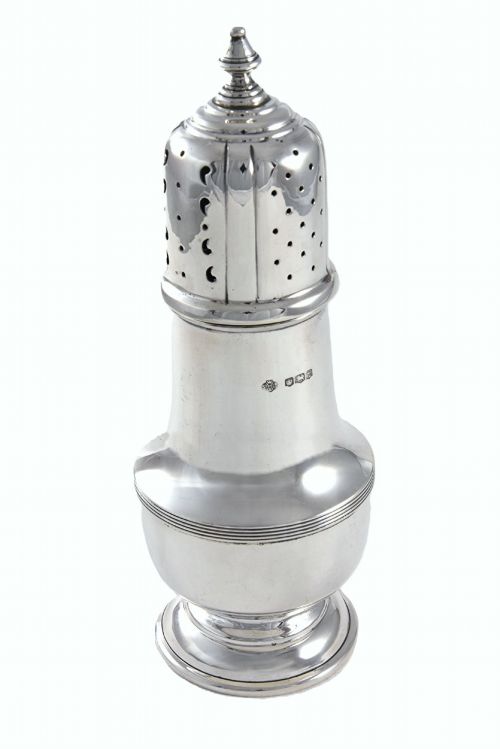
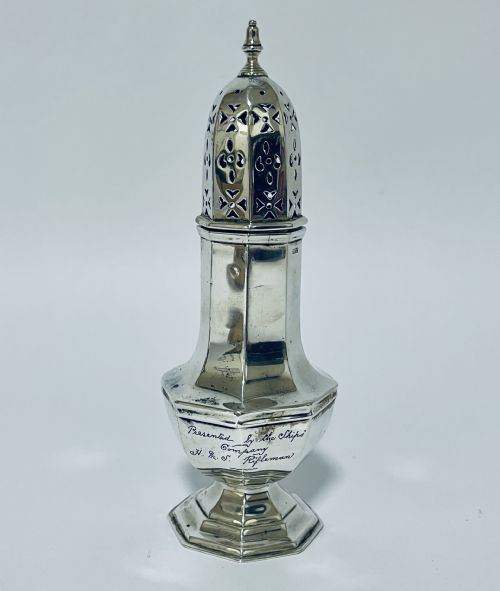
These georgian sterling silver sifter pieces are elegant utensils and casters designed for dusting sugar and spices over food.
Georgian Sterling Silver Sifter
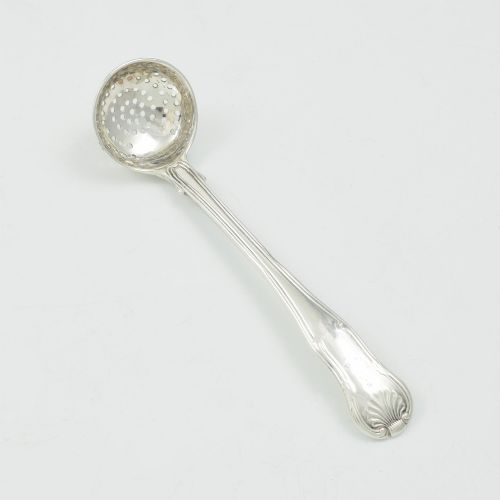
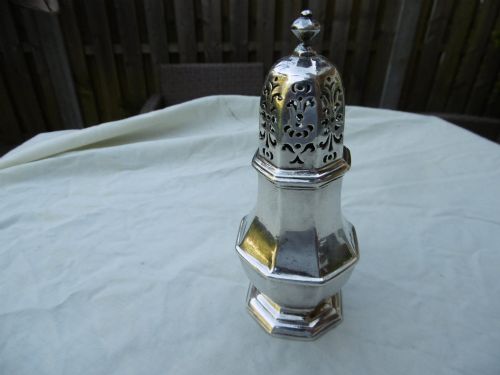
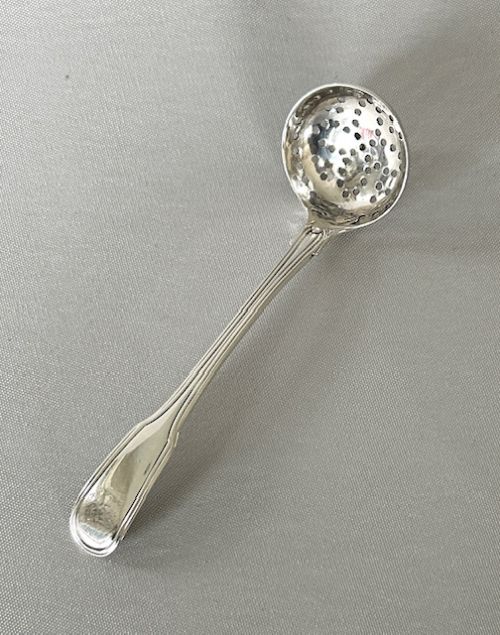
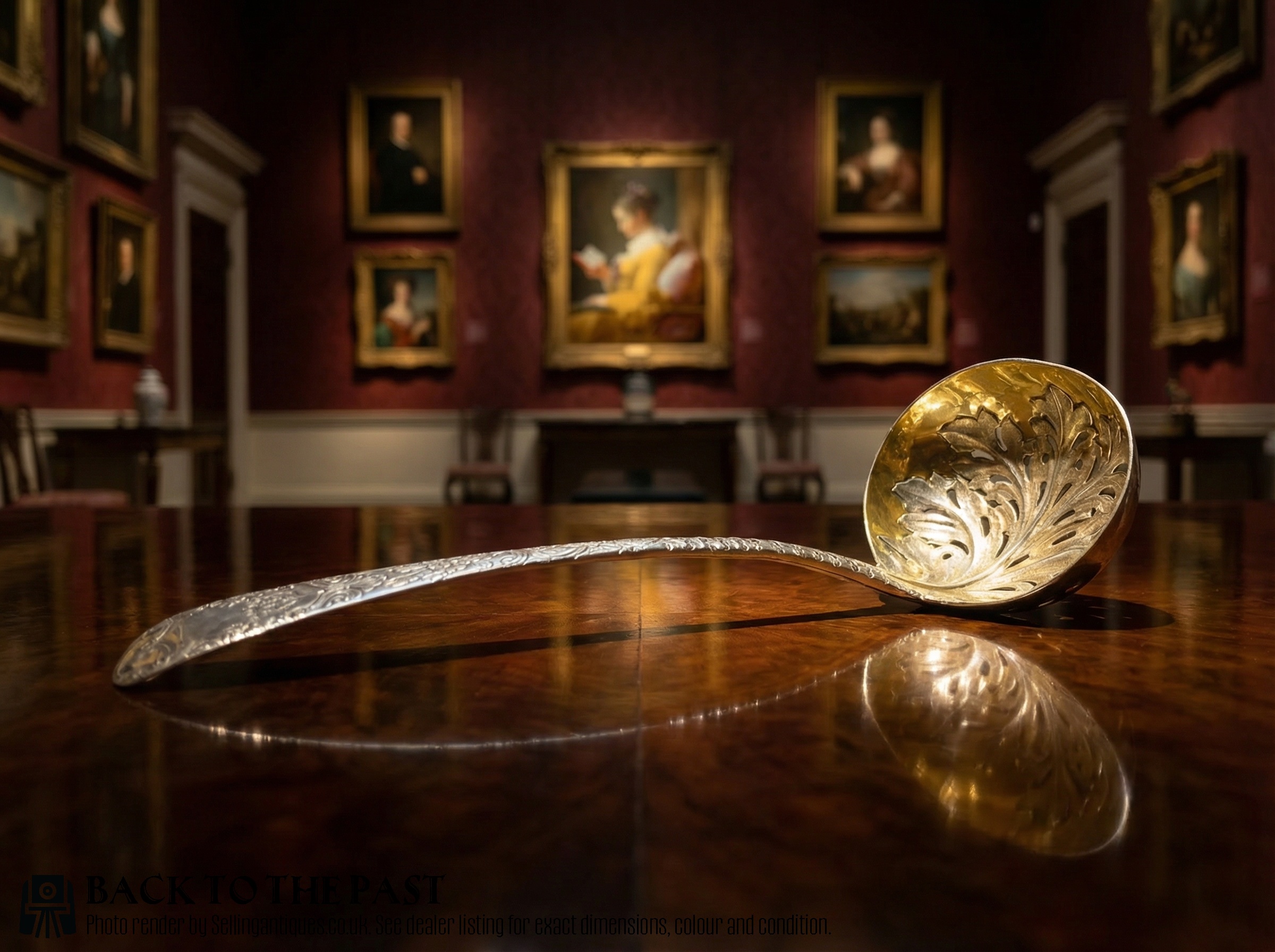
When searching for a georgian sterling silver sifter, buyers encounter a distinct category of antique silver that includes sugar casters, muffineers, and piercing-bowled sifter spoons.
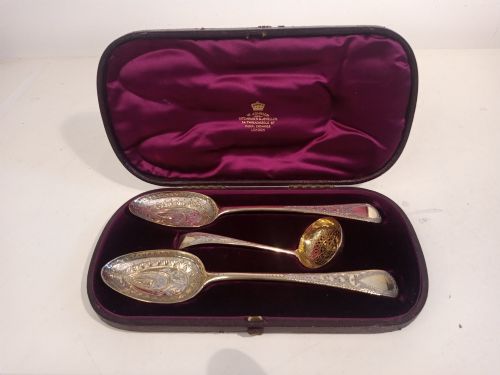
The evidence shows forms ranging from early eighteenth-century octagonal casters and George III spice sifting spoons to later Victorian and Georgian revival interpretations, alongside fitted presentation cases lined with velvet, silk, or leatherette.
Sugar shakers from the Art Deco and 1930s periods also appear alongside the core Georgian material, demonstrating the enduring popularity of these serving utensils.
What Varies in Quality
The standard of a georgian sterling silver sifter depends on the crispness of the pierced decoration, the balance of the form, and the preservation of maker marks and hallmarks.
Spoons featuring specific patterns like Onslow, scallop shell, or feather edge display distinct hand-finished detail, while casters vary in the weight of the silver used and the precision of the polygon or octagonal sides.
The inventory records sterling silver, silver-gilt, cut glass, velvet, silk, fabric, and leatherette across multiple periods from the eighteenth century through the 1930s.
Stephen Adams·The Barker Brothers·Roberts & Belk
The Georgian Sterling Silver Sifter Glossary
- Caster
- A small container with a pierced lid used for sprinkling sugar or spices over food. These appear in octagonal and round top forms.
- Sifter Spoon
- A spoon with a pierced or perforated bowl designed to sprinkle powdered sugar while leaving larger lumps behind. Examples in the evidence feature Onslow patterns and scallop shells.
- Muffineer
- An alternative term for a sugar caster or shaker used at the tea table. They share forms with standard silver casters from the Georgian period.
- Silver-Gilt
- Silver that has been coated with a thin layer of gold on its surface. This technique adds warmth and protects the underlying metal.
- Berry Spoon
- A large serving spoon, often dating from the Georgian period, subsequently embossed and chased with fruit motifs. They frequently appear alongside sifter spoons in sets.
Georgian Sterling Silver Sifter: Frequently Asked Questions
What is a sifter spoon used for?
A sifter spoon is designed to sprinkle fine sugar or spices over dishes while retaining larger particles in the pierced bowl.
They were essential tableware items for dining and tea service during the Georgian and Victorian eras.
How do I identify a Georgian caster?
Georgian casters typically feature hallmarks indicating London or provincial assay offices alongside specific date letters and maker stamps.
Their forms often reflect stylistic periods such as the early eighteenth century octagonal shapes or George III restrained profiles.
Are sifter spoons sold in sets?
Sifter spoons frequently appear bundled with berry spoons or housed in dedicated presentation cases lined with velvet or silk.
These cased sets were often assembled or presented as matching serving parcels.
What materials are used in these items?
The primary material is sterling silver, occasionally complemented by silver-gilt highlights or cut glass bodies.
Fitted boxes associated with these pieces utilise leatherette, fabric, velvet, and silk linings.