




Antique Sterling Sugar Sifter
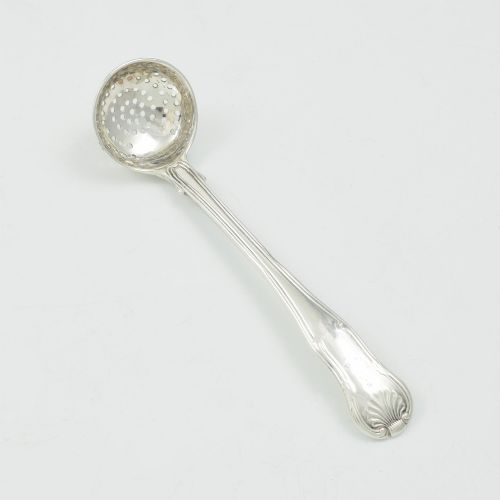
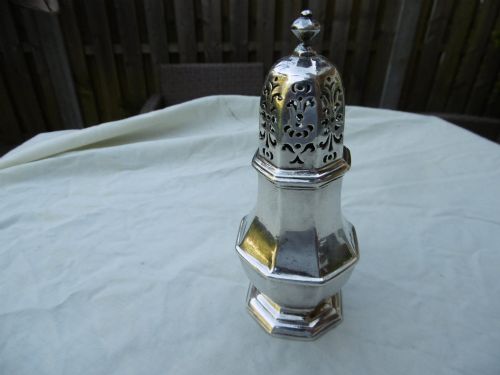
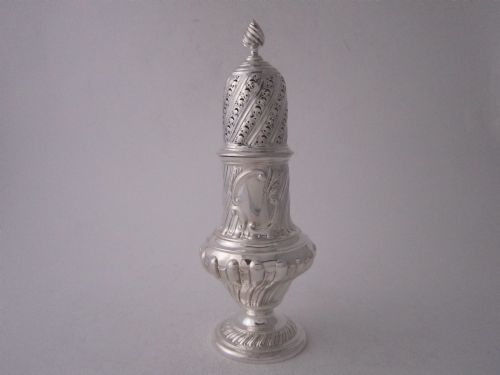
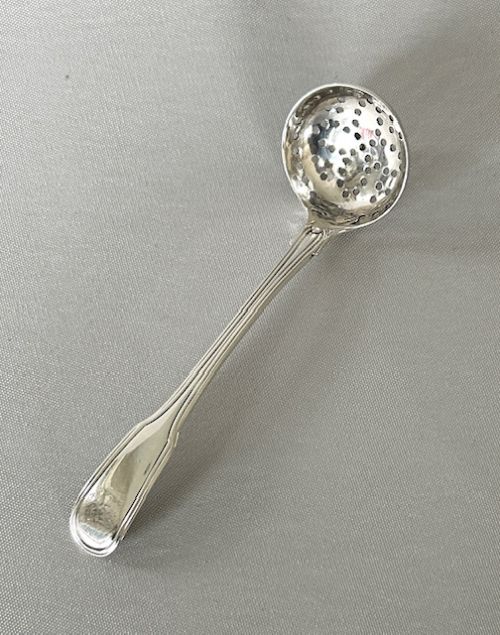
When you search for an antique sterling sugar sifter, you encounter the refined vessels and pierced spoons created to dust loose sugar over pastries and desserts.
Antique Sterling Sugar Sifter
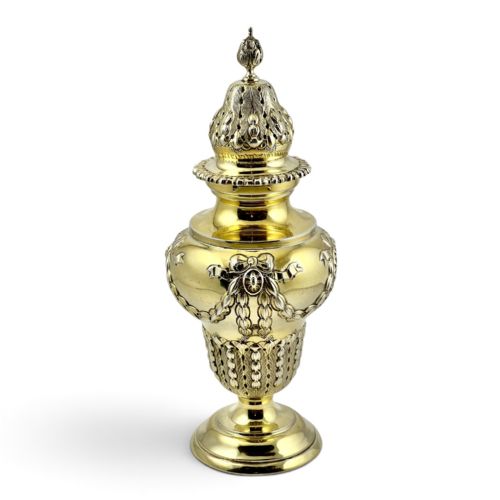
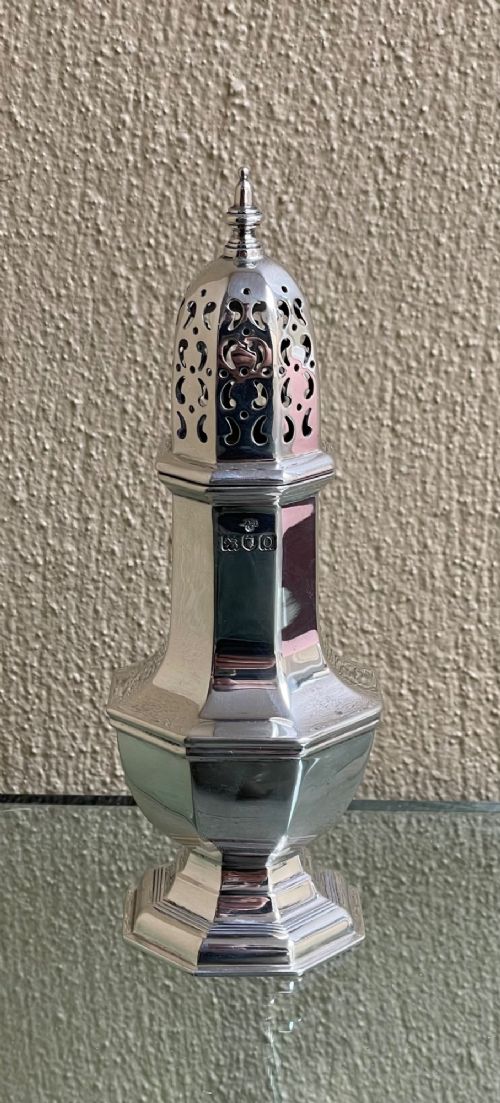
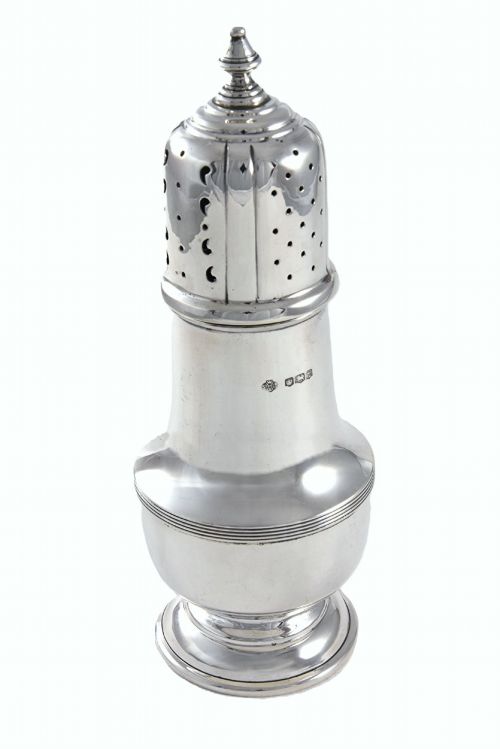
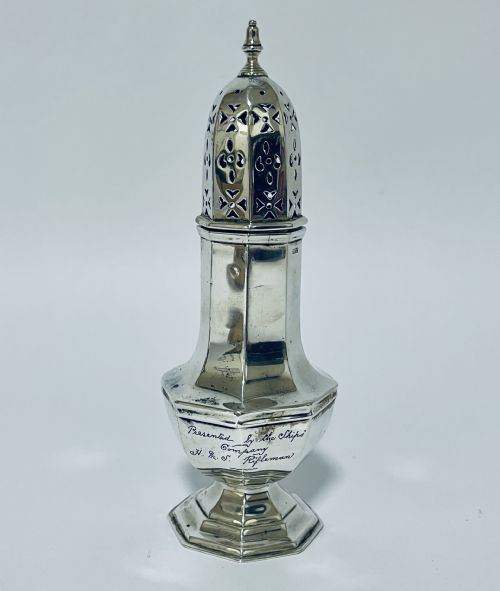
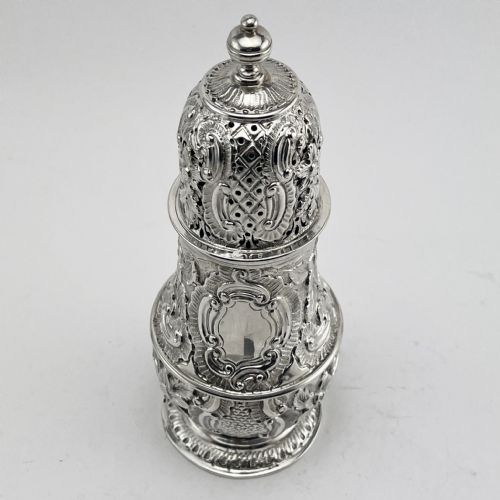
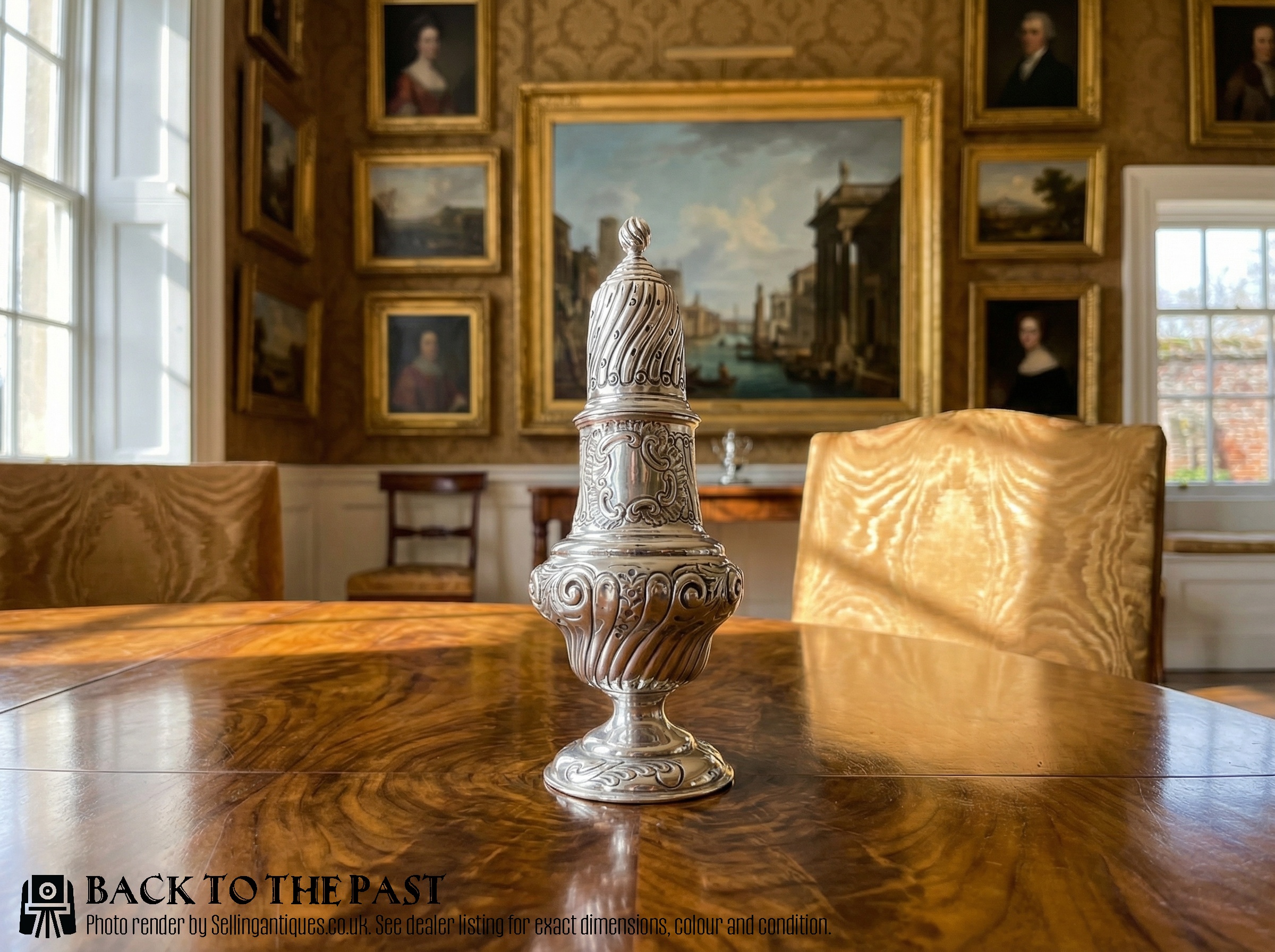
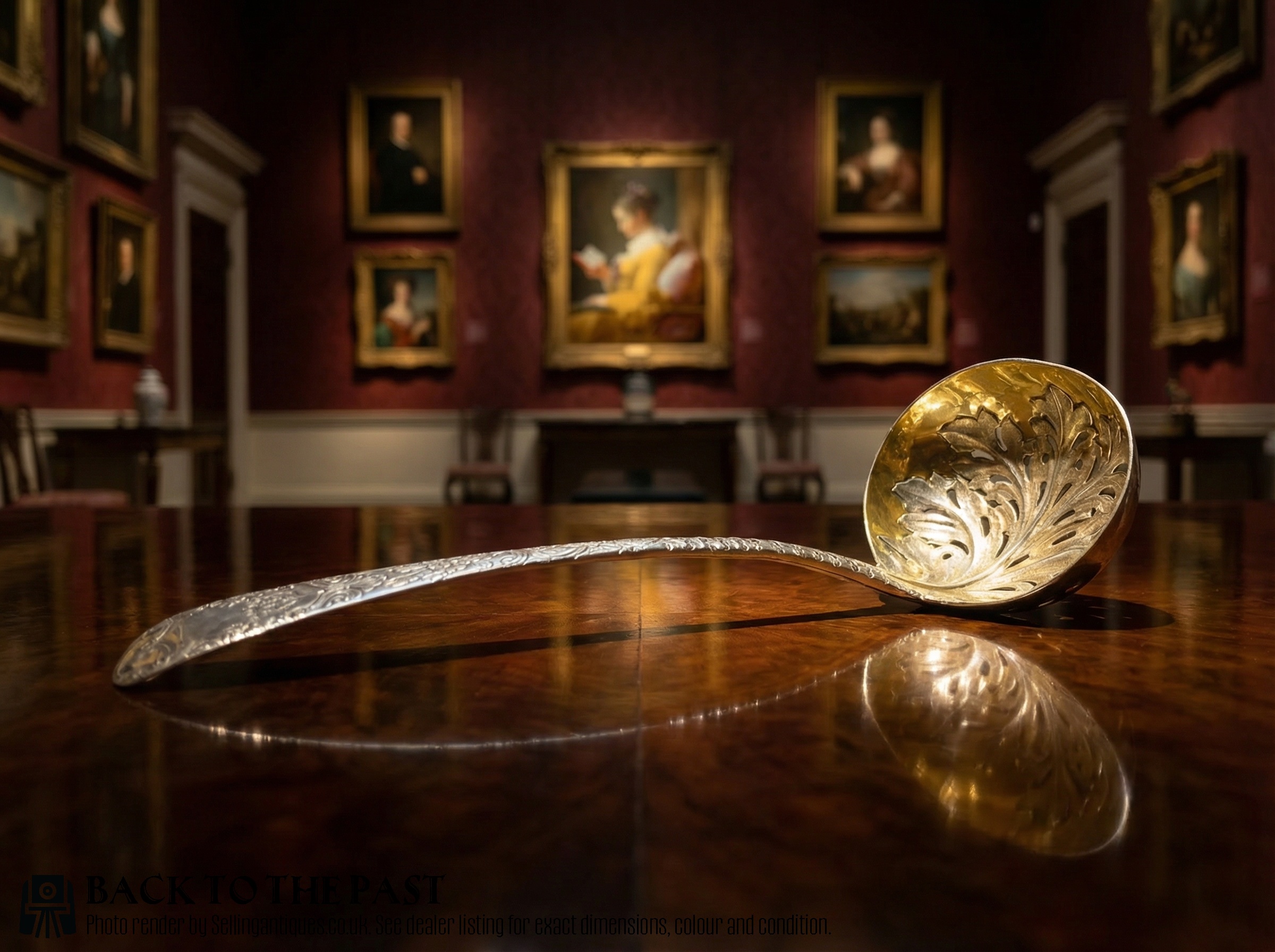
The antique sterling sugar sifter category encompasses both tall standing casters, often termed muffineers or shakers, and specialised perforated spoons designed to distribute sugar evenly.
You will regularly find items originating from the Georgian, Victorian, and Edwardian eras, alongside later Art Deco and revival pieces.
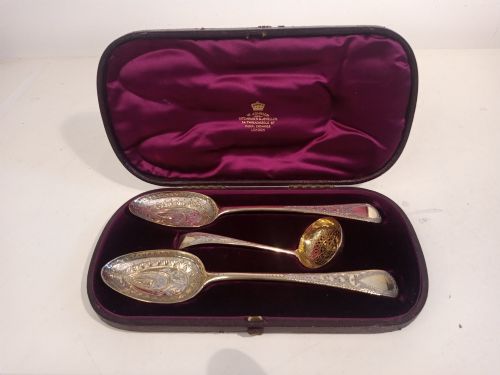
Many examples appear individually, while others form part of fitted sets paired with matching sugar bowls, cases, or berry spoons.
What varies in quality
Quality rests in the crispness of the pierced decoration and the structural integrity of the chasing, which distinguishes mass production from superior handwork.
Heavier gauge silver provides a more substantial handfeel and durability, whereas lighter items yield easily to pressure.
Artistry in design, such as naturalistic floral engraving or architectural polygon forms, elevates the distinction of individual items.
Victorian diners clearly loved theatrical flair, frequently serving tea alongside cornucopia-shaped casters that poured sweetness directly from a horn of plenty.
Stephen Adams·The Barker Brothers·James Dixon And Sons Ltd·Evald Nielsen·Horace Woodward And Co Ltd·Roberts And Belk·Bateman·Taylor And Perry·A B Savory And Sons
The Antique Sterling Sugar Sifter Glossary
- Caster
- A small standing vessel with a perforated top used for sprinkling sugar or spices. These objects date back centuries and take forms from octagonal to lighthouse shapes.
- Muffineer
- An alternative historical term for a sugar caster or dredger. The name reflects its specific usage at the tea table for dusting muffins.
- Silver-gilt
- Sterling silver that has been plated with a thin layer of gold on the surface. This technique provides a warm, rich interior finish to bowls and spoons.
- Onslow Pattern
- A distinctive eighteenth-century spoon handle style featuring a characteristic scroll terminal. It frequently appears on early sifter spoons.
- Berry Spoon
- A large serving spoon with fruit motifs embossed or engraved on the bowl. These are often repurposed or paired alongside sugar sifters in Victorian cased sets.
Antique Sterling Sugar Sifter: Frequently Asked Questions
What is a sugar sifter?
A sugar sifter is either a standing perforated container or a large spoon with a pierced bowl. Both instruments were designed to scatter loose sugar evenly over food.
They became essential dining accessories as refined sugar grew more accessible in households during the Georgian and Victorian periods.
How were sugar sifters used?
These pieces served at the dining table or tea service to dust sugar over desserts, cakes, and fruits. The pierced lids and bowls controlled the flow of coarse sugar grains.
Casters stood independently on the surface, while sifter spoons were dipped directly into sugar bowls or caddies.
How do I care for silver sifters?
Sterling silver requires regular, gentle cleaning with a soft cloth and specialised silver polish to maintain its lustre. Avoid harsh abrasive materials that can wear down engraved details.
Store pieces away from high humidity, and keep cased items in their original protective boxes when not on display.
How do I identify the period?
Hallmarks stamped onto the metal provide the definitive guide to age, showing assay office symbols, date letters, and maker marks. Stylistic clues also help, such as neoclassical lines in the Georgian era or geometric facets in Art Deco pieces.
Matching the design motifs with documented manufacturing periods confirms the exact era of production.