


Edwardian Sugar Caster
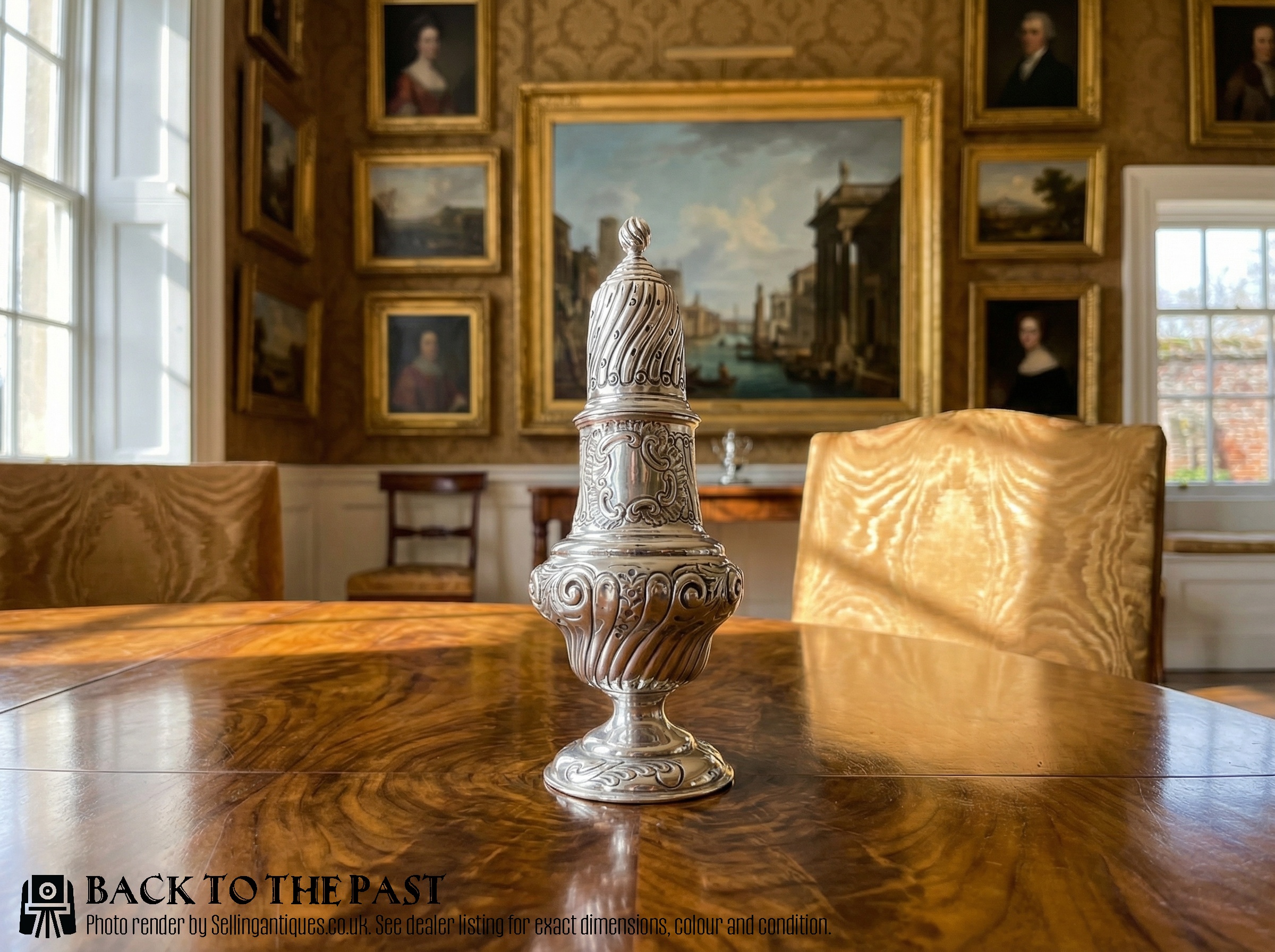
An edwardian sugar caster brings the formal grace of early twentieth-century dining tables into a modern room.
Edwardian Sugar Caster
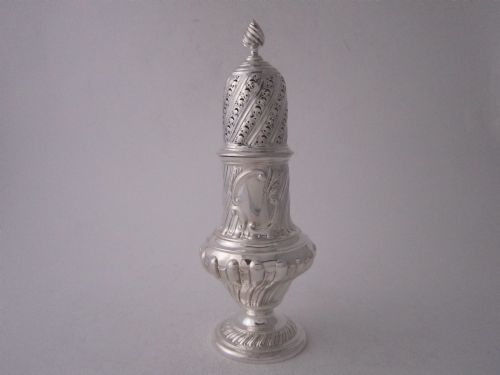
When you search for an edwardian sugar caster, you encounter tableware designed to sprinkle fine sugar over desserts and fruit. The pieces on this page span the Edwardian era alongside Victorian, George V, and Art Deco periods.
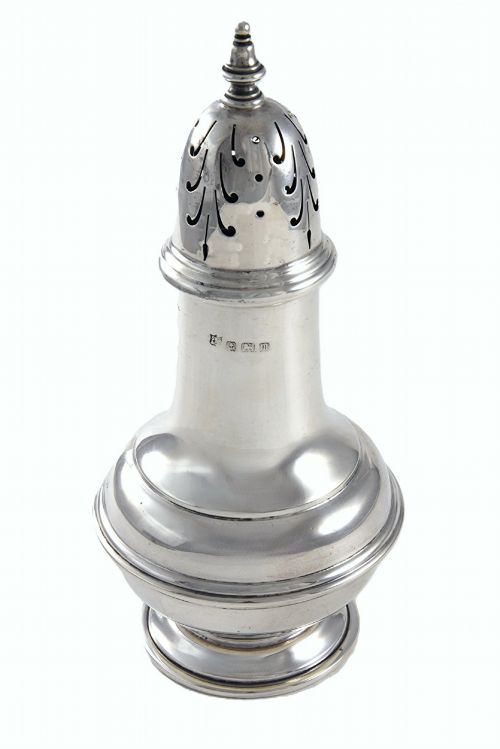
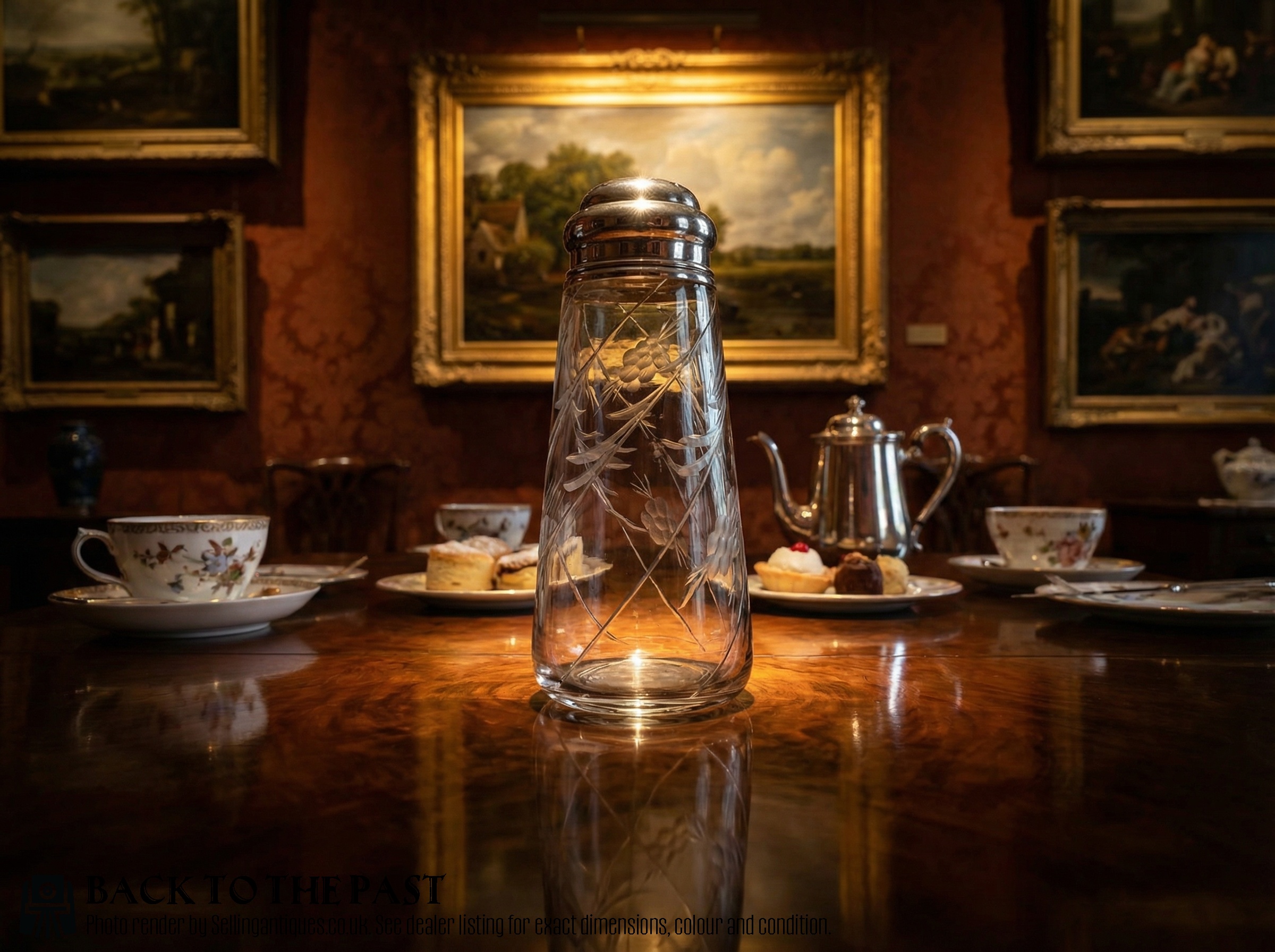
The dominant forms are standalone silver shakers, often featuring pierced tops, alongside variations including glass bodies with silver mounts and novelty figural boxes shaped like animals.
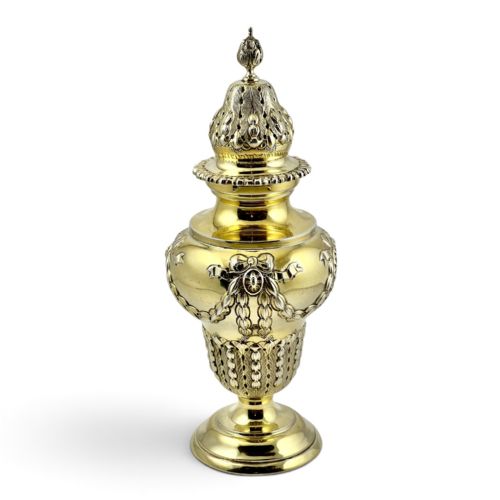
Makers produced these items in sterling silver, silver-gilt, and cut glass, serving both practical dining functions and decorative display roles on sideboard surfaces.
Materials and Techniques
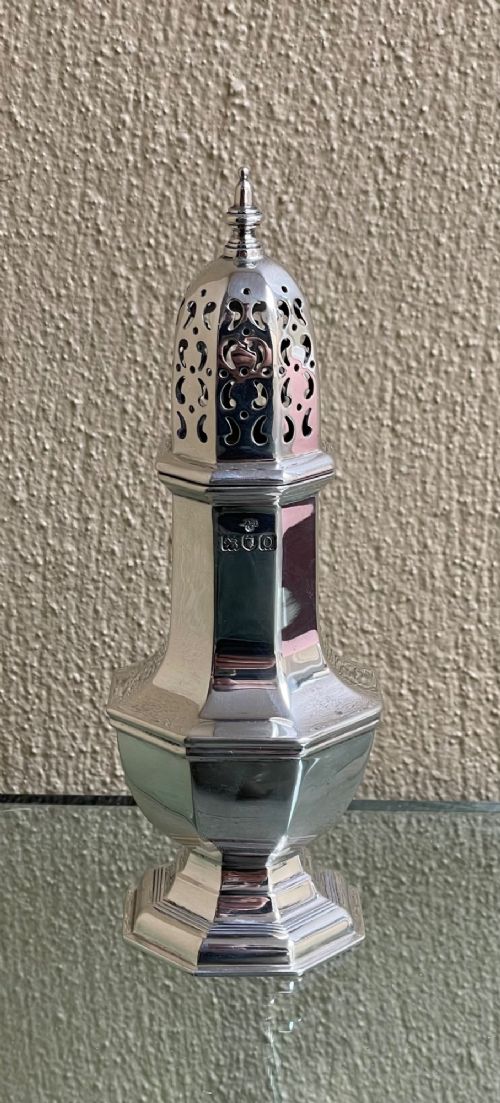
Silversmiths utilised sterling silver and silver-gilt, shaping metal through casting, hammering, and piercing techniques to create intricate patterns across the body and lid. Glass bodies appeared in clear, blue, and cranberry tones, frequently paired with fitted silver tops.
Piercing required steady handiwork to form functional sprinkler holes in distinct geometric or floral motifs. Hallmarks stamped directly into the metal recorded the assay office, year, and maker.
German silversmiths fashioned tiny silver owls and squirrels into sugar boxes, watching dinner guests with wide, startled eyes.
Assessing Quality
Quality rests upon the weight of the silver and the crispness of the pierced work on the lid. Substantial gauge metal provides a solid feel in the hand, whereas lighter vessels bend under pressure.
Artistry in design separates standard functional tableware from superior examples. Finely detailed mounts, crisp hallmarks, and integrated glass linings elevate the standing of a piece.
Barker Brothers·Roberts And Belk·Martin Hall And Co·Nathan And Hayes
The Edwardian Sugar Caster Glossary
- Sterling silver
- A silver alloy consisting of 92.5 percent pure silver by mass and 7.5 percent other metals, usually copper. This standard composition provides durability for domestic tableware.
- Silver-gilt
- Sterling silver that has been coated with a thin layer of gold on the surface. This technique produces a rich golden interior or exterior finish.
- Hallmark
- An official mark stamped into precious metals in Britain to certify purity and origin. These stamps indicate the assay office, date letter, and maker's mark.
- Caster
- A small container with a perforated lid used for sprinkling sugar or spices onto food. These vessels appeared in various heights and profiles on dining tables.
Edwardian Sugar Caster: Frequently Asked Questions
How were sugar casters used?
Diners utilised these vessels to sprinkle castor sugar over desserts, fruit, and pastries at the dining table. The pierced lid allowed controlled dispensing of the sugar.
They stood alongside other table silver during formal meals, often matching the period design of the cutlery and serving dishes.
What is the difference between a caster and a shaker?
The terms are frequently used interchangeably by makers and collectors to describe tall perforated vessels for dry condiments. Historically, casters often possessed a larger foot and finial.
Both forms serve the exact same mechanical purpose of distributing fine sugar through a pierced top lid.
How do I date an edwardian silver piece?
You inspect the stamped hallmarks located on the body or lid of the silver object. These official marks include a date letter corresponding to a specific assay office year.
The Edwardian period spans from nineteen hundred and one to nineteen hundred and ten, aligning with the reign of King Edward the Seventh.
Can I use these silver vessels today?
Many collectors continue to utilise silver tableware for modern dining, provided the metal receives careful hand washing. Acidic foods should not remain in contact with silver for extended periods.
Displaying them on sideboards or cabinets offers a practical way to enjoy their craftsmanship in daily home environments.