

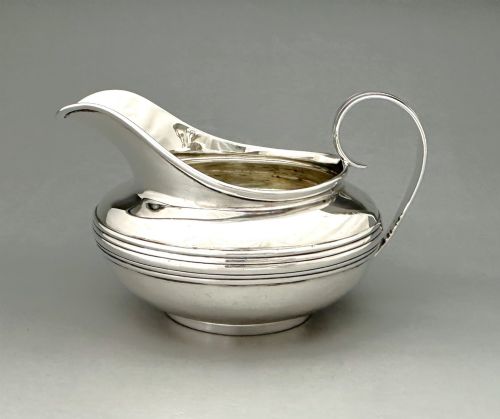
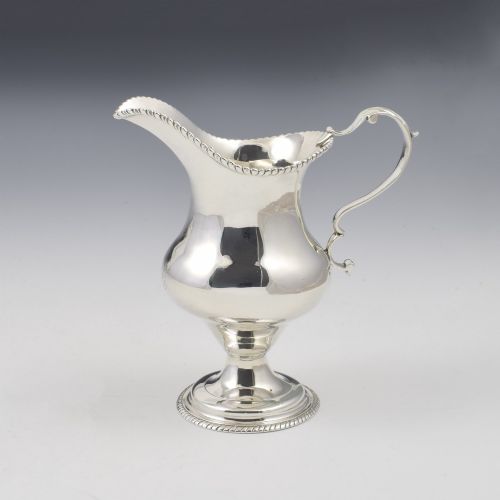
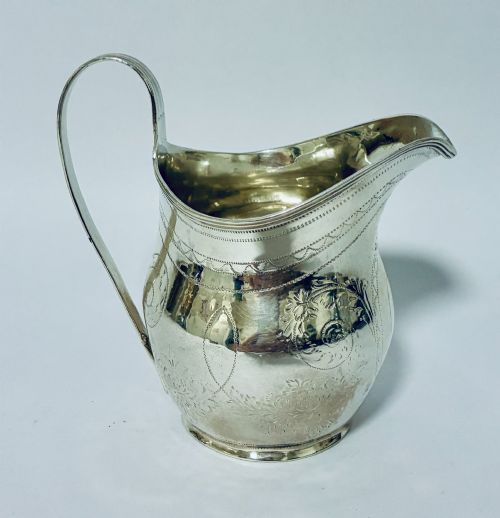
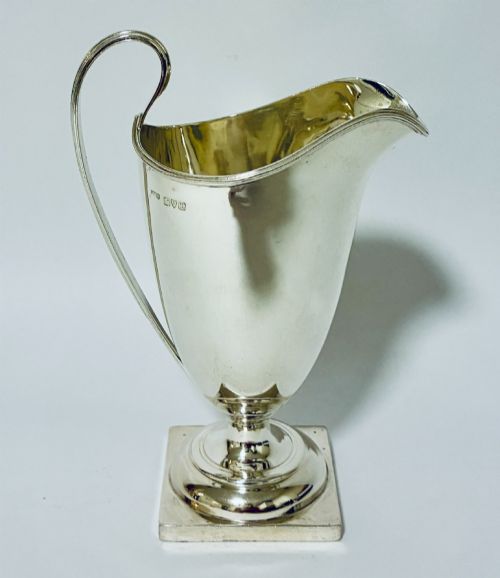

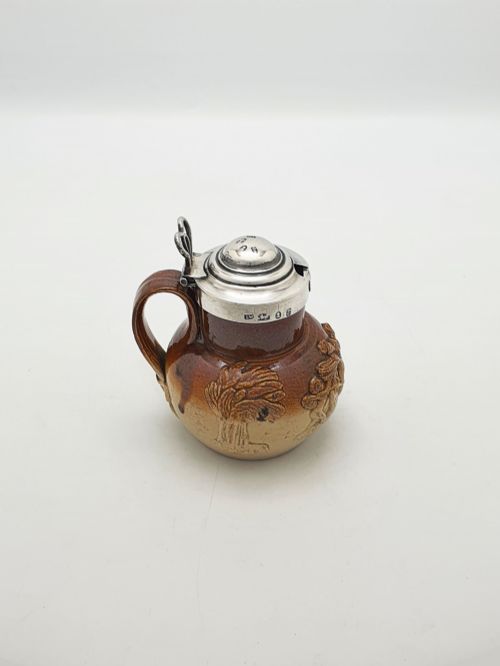
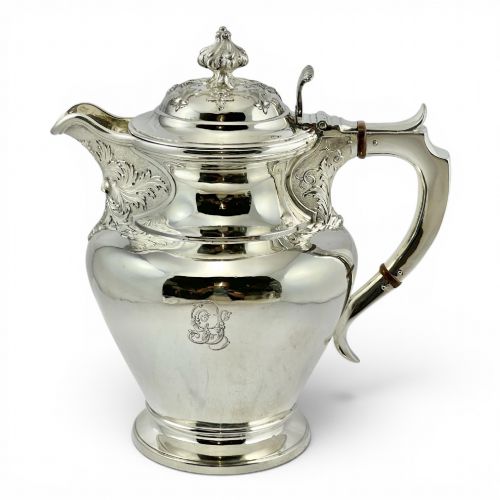
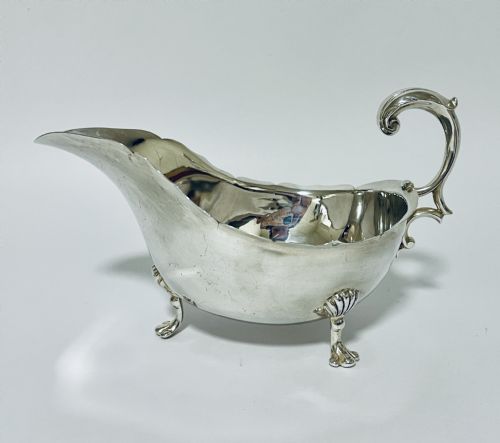
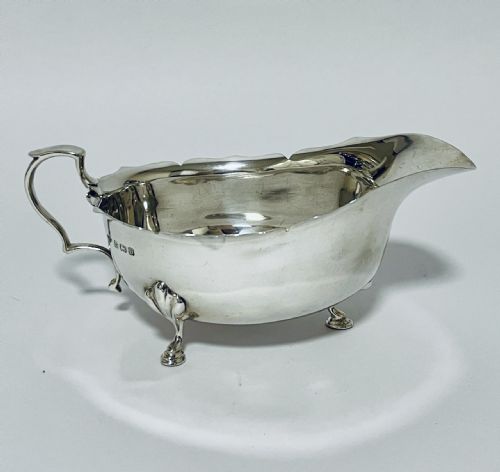


Georgian Sterling Silver Jug
A georgian sterling silver jug brings tactile weight and bright metal to the table, offering a tangible piece of eighteenth- and early nineteenth-century domestic life.
Identifying georgian sterling silver jug designs
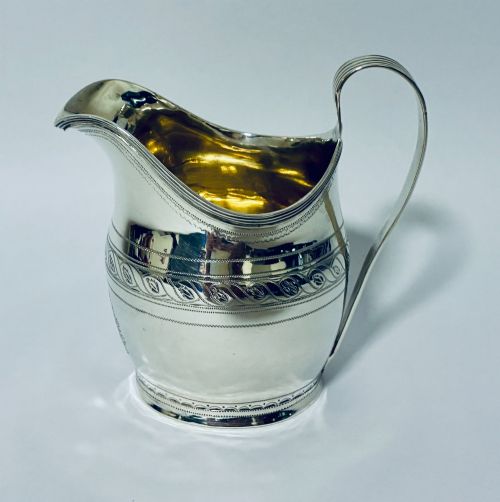
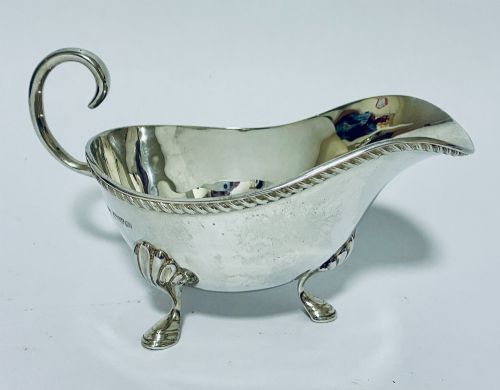
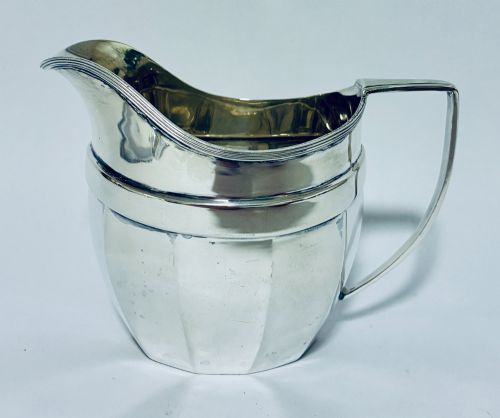
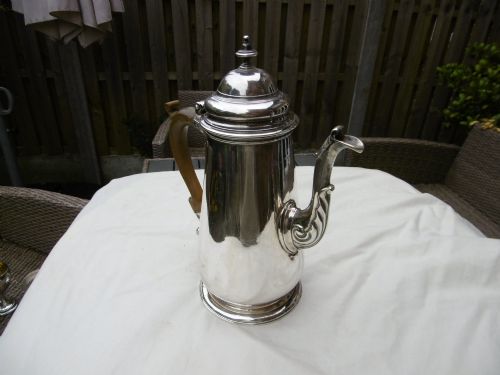
A georgian sterling silver jug encompasses practical vessels designed for milk, cream, coffee, gravy, and sauce across the eighteenth century and the early decades of the nineteenth. These hollowware pieces appear in forms ranging from small cream pails and creamers to taller coffee pots and gravy boats.
The most common examples met in this category are cream jugs and milk jugs, often featuring chased or engraved surface decoration such as scenes or cherubs. Coffee pots and sauce boats represent larger functional variants originating from London, Chester, and Dublin workshops.
Dating ranges from the mid-eighteenth century through the regency period up to the late eighteen-twenties. Pieces span the reigns of George II and George III, reflecting evolving domestic dining and tea-drinking customs.
Silversmithing methods and materials
Silversmiths constructed these vessels primarily from sterling silver, shaping sheet metal through raising and hammering, often combining cast handles or feet. Certain interiors feature a gold wash, known as vermeil, applied to protect the silver from acidic contents.
Decoration relied on hand chasing, repousse work, and engraving to depict pastoral scenes, cherubs, or floral motifs. Hallmarks stamped directly into the metal record the assay town, date letter, and maker's mark.
Retail Price Guide 2026
Typical UK retail prices for georgian sterling silver jug, calculated from the Sellingantiques database of over a million retail prices indexed since 2003. This retail price guide relies exclusively on Sellingantiques data; no external sources or auction records are used, so the figures do not describe the wider market.
Some tiny eighteenth-century cream pails come complete with miniature swing handles, perfect for serving dairy with immense eighteenth-century dignity.
Evaluating craftsmanship and distinction
Quality rests in the crispness of chased decoration and the proportional balance of the handle, spout, and body. Superior examples display controlled hammer work and secure soldering where components join.
The clarity and completeness of hallmarks contribute significantly to an item's standing. Weight and gauge of the sterling silver also differentiate standard domestic pouring vessels from more substantial display pieces.
John Mackfarlan·Bateman
The Georgian Sterling Silver Jug Glossary
- Sterling silver
- An alloy of silver containing 92.5 percent pure silver by mass, with the remainder composed of copper or other metals. This standard has governed British silver plate for centuries.
- Hallmark
- A series of official marks stamped on precious metals by an assay office to guarantee purity and origin. These typically include the maker's mark, standard mark, and date letter.
- Repousse
- A metalworking technique where the smith hammers the silver from the reverse side to form a raised design in relief. It is frequently paired with chasing.
- Chasing
- The complementary process to repousse, worked from the front side to sink the metal and refine details. This creates texture and definition on decorative jugs.
- Gold wash
- A thin layer of gold applied to the interior surface of a silver vessel, often called vermeil. This technique prevents tarnishing and protects the metal from food acids.
Frequently Asked Questions
How do I use a georgian jug today?
These vessels transition easily to modern dining tables for serving cream, milk, or sauces much as they did centuries ago. Their robust silver construction suits regular use.
Care requires gentle hand washing with non-abrasive cloths to preserve the antique surface and legible hallmarks without stripping the aged patina.
What is a cream pail?
A cream pail is a small, open-topped bucket form fitted with a swing handle, used for serving cream at the tea table during the mid-eighteenth century.
They often exhibit pierced or engraved sides and occasionally incorporate blue glass liners to hold the liquid securely.
How do I date a silver jug?
Dating relies upon reading the official hallmarks stamped into the metal, which include specific date letters corresponding to assay office records. Stylistic shifts from rococo curves to neoclassical lines also help narrow the era.
London, Chester, and Dublin assay offices each maintained distinct alphabetical cycles for their date marks.
Why are some interiors gold?
A gold wash, or vermeil, was applied to the inside of cream and milk jugs to prevent the silver from reacting with acidic dairy contents. This protected the metal and added a rich visual contrast.
Over time, this wash often softens in tone but remains visible inside surviving hollowware.