




Georgian Sterling Silver Dish
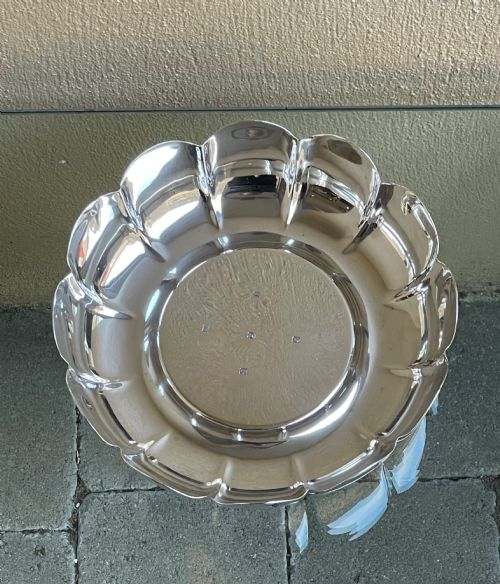
When you seek a georgian sterling silver dish, you encounter substantial dining wares shaped by eighteenth and nineteenth-century silversmiths to serve butter, salt, or fruit.
Georgian Sterling Silver Dish
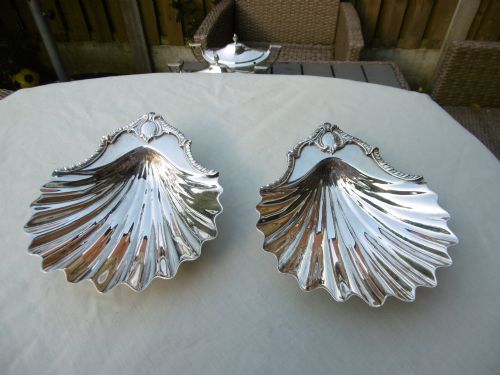
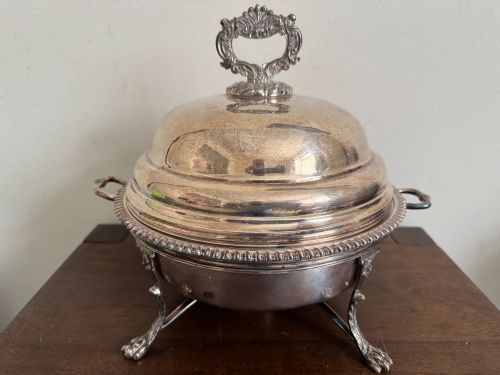
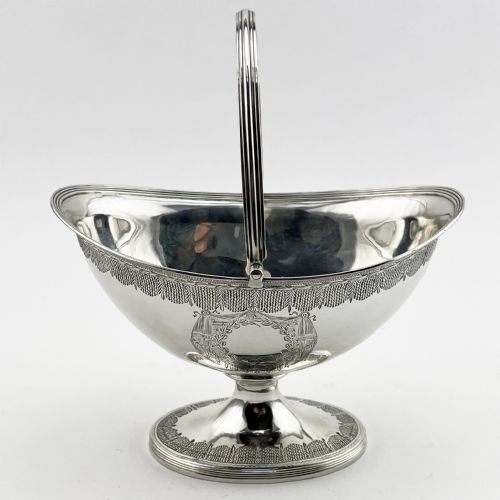
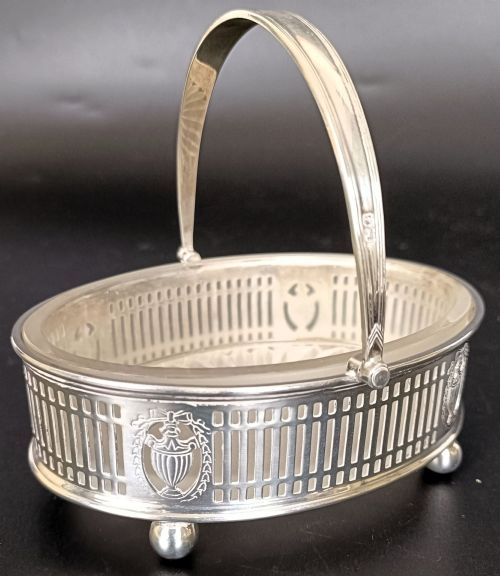
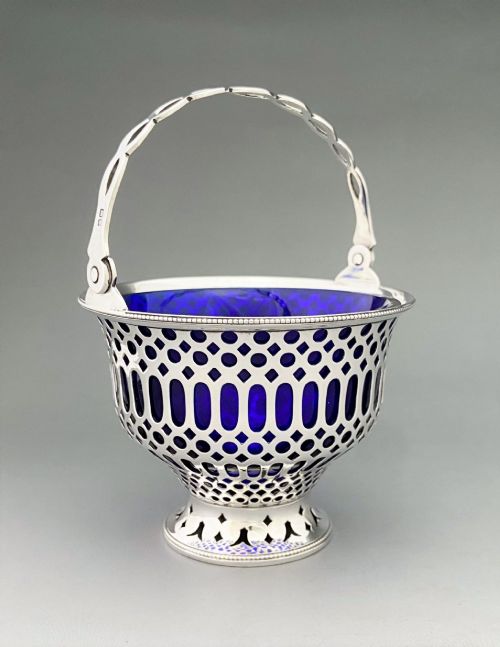
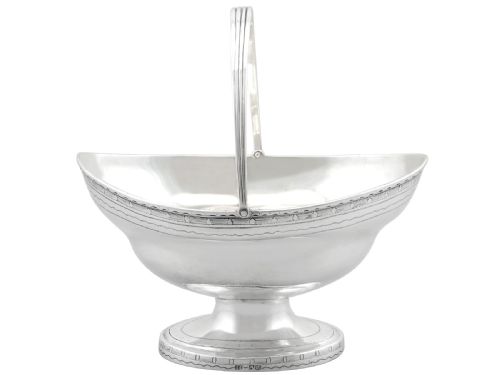
A georgian sterling silver dish encompasses a wide variety of domestic silver items produced across the Georgian era and subsequent revival periods. You will encounter swing-handled sugar baskets, scalloped butter shells, salt cellars, platters, and footed bowls.
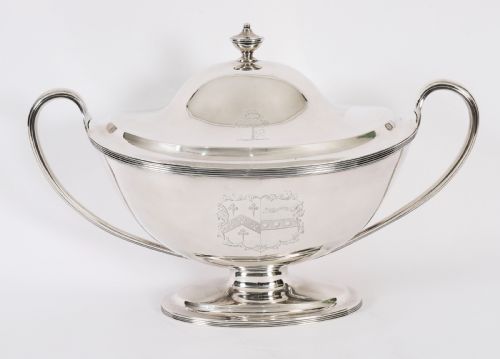
The objects on this page range from small domestic pieces like pap boats and patens to large tureens, dish rings, and centrepieces. Many feature openwork pierced decoration or naturalistic floral designs executed in solid silver.
While true Georgian examples date from the eighteenth and early nineteenth centuries, the listings also include later interpretations adhering to Georgian styles, alongside complementary glass-lined salts and vermeil finishes.
Materials and construction
The primary material is sterling silver, frequently accompanied by interior gilding known as silver gilt or vermeil, and occasionally paired with blue cobalt or ruby glass liners. Silversmiths utilised hammering, casting, and piercing techniques to form intricate lattice patterns and solid pedestal bases.
Pieces often display hallmarks stamped directly into the metal to indicate the assay office, date letter, and maker's mark. Decorative elements such as scallop shells and floral motifs were hand-chased or applied to the cast body.
Listings feature items spanning the eighteenth, nineteenth, and early twentieth centuries, incorporating both solid sterling silver and glass-lined components.
Judging the execution
Quality rests upon the crispness of the chasing and the weight of the metal relative to the size of the vessel. Superior examples display balanced proportions, clean piercing without distortion, and well-preserved maker marks.
The integration of secondary materials, such as original coloured glass liners in salt cellars or secure swing handles on baskets, distinguishes finer survivals from altered or assembled pieces.
William Plummer·Henry Chawner·William Bennett·Robert Breading·William Garrard·Peter and Anne Bateman·William Grundy·Paul Storr·Edward Farrell·George Fox·Walter Brind
The Georgian Sterling Silver Dish Glossary
- Sterling silver
- A silver alloy containing 92.5 percent pure silver by mass and 7.5 percent other metals, usually copper. This standard has governed British silver plate production for centuries.
- Vermeil
- Sterling silver coated with a thin layer of gold. This finish provides a warm golden interior to dishes and salt cellars.
- Dish ring
- A spool-shaped stand, also known as a potato ring, placed on the dining table to support hot dishes. These are frequently pierced and embossed with floral or pastoral scenes.
- Pap boat
- A small, shallow, boat-shaped vessel with a lip, used in the eighteenth century for feeding infants or invalids. They appear frequently in early silver collections.
- Paten
- A small plate or disk used in ecclesiastical contexts or as a small serving dish. Early examples often rest on a single central foot.
Georgian Sterling Silver Dish: Frequently Asked Questions
What were silver butter shells used for?
Butter shells served individual portions of butter at the dining table during the eighteenth and nineteenth centuries. Their scalloped form mimics natural bivalve shells.
They frequently rested on small feet and were paired with matching butter knives or placed alongside salt cellars.
How do I use a dish ring today?
Modern collectors utilise dish rings as decorative table centrepieces or stands for floral arrangements. Their open lattice construction casts intricate shadows when placed near candlelight.
They also function well on sideboards as historical display items.
How do I date a Georgian silver dish?
Dating relies upon the set of hallmarks stamped into the metal, which typically include a maker's mark, a lion passant indicating sterling standard, a city assay mark, and a date letter.
Comparing the shape and decorative style against known periods provides additional confirmation.