
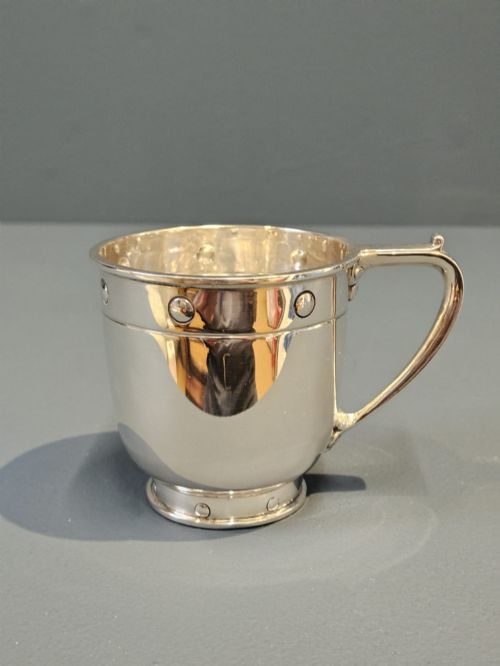
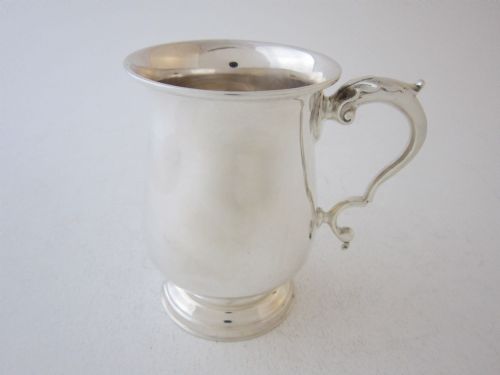
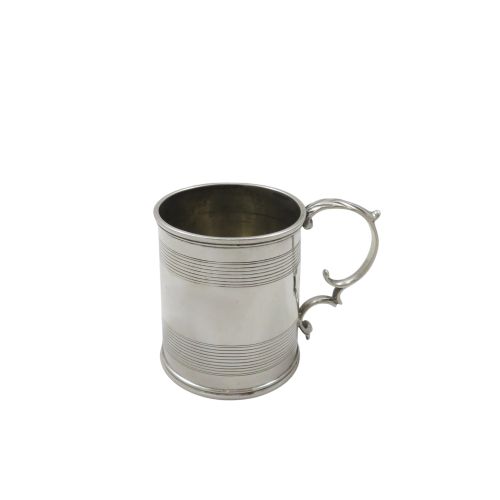
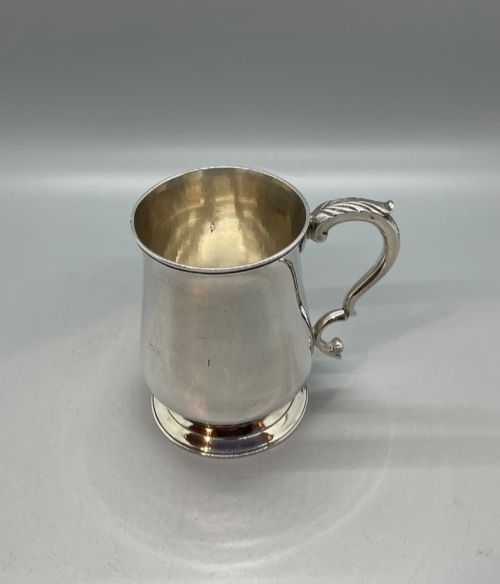


Georgian Sterling Silver Cup
A georgian sterling silver cup brings solid weight and tactile history to the table, and these drinking vessels survive in varied forms from christening mugs to grand two-handled trophies.
Georgian Sterling Silver Cup
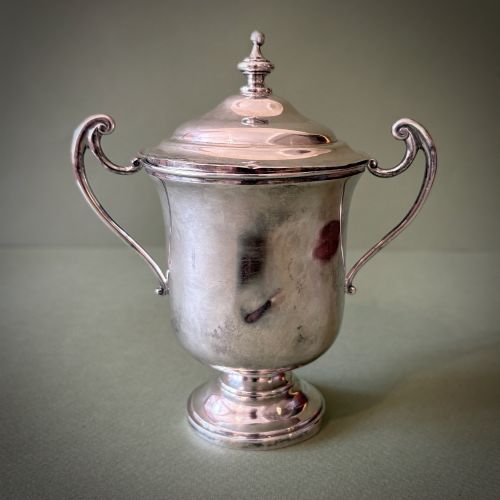
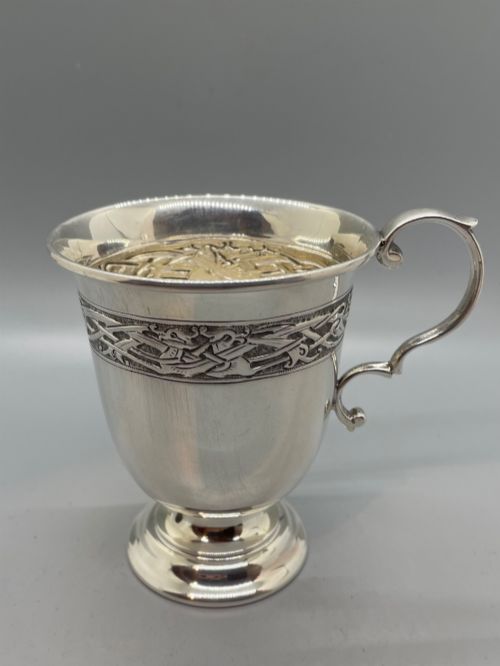
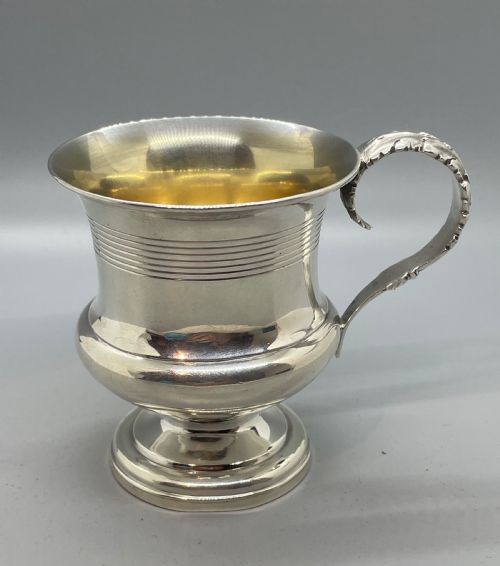
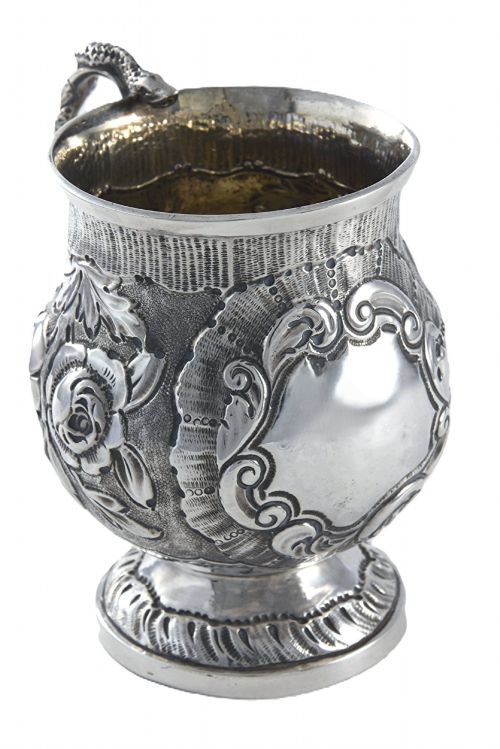
A georgian sterling silver cup encompasses domestic and ceremonial drinking vessels spanning the eighteenth and early nineteenth centuries, alongside later revivals. You will frequently encounter heavy christening mugs, sturdy pint tankards, and slender pedestal goblets bearing distinct hallmarks.
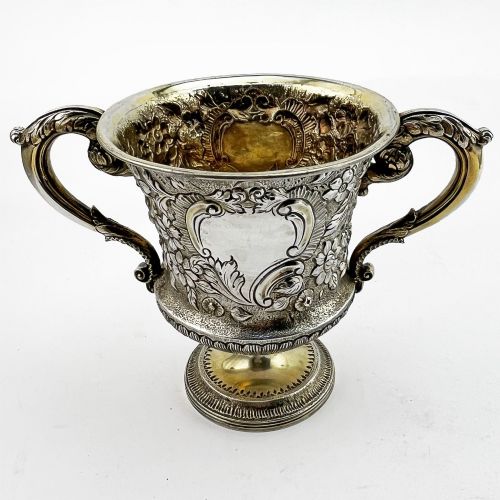
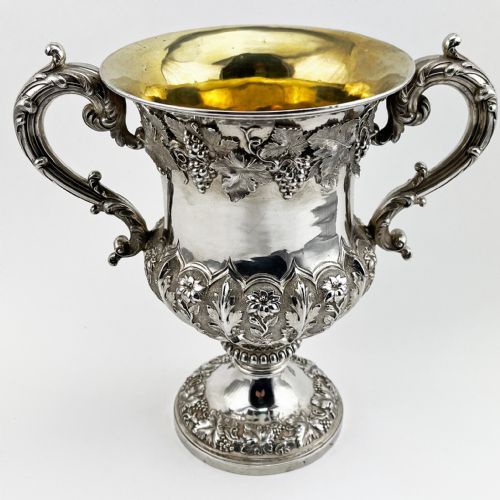
The material record includes solid silver, sterling silver, and silver-gilt finishes, with occasional glass liners or interior gilding. Forms range from simple baluster mugs to campana-shaped presentation pieces and twin-handled porringers.
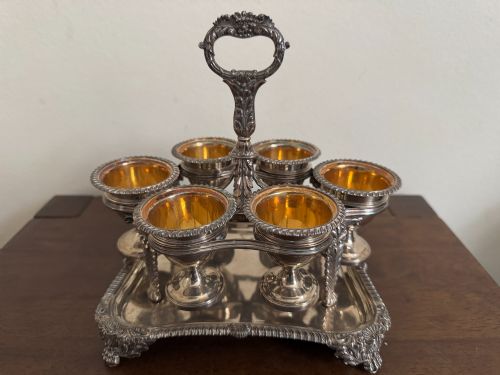
Makers from London, Birmingham, Sheffield, and Dublin shaped these pieces across reigns from George II to William IV. The selection also includes functional variants such as egg cruet stands and pap boats alongside standard drinking vessels.
Materials and construction
Silversmiths worked primarily in sterling silver and solid silver, hammering ingots into sheets or casting them to form sturdy bodies. Handles were cast separately and soldered securely to the vessel walls.
Decoration involved hand engraving, bright-cut work, and embossed scenes, while internal surfaces often received a layer of gold gilt. Assay office marks stamped directly into the metal record the year and city of manufacture.
Several historical cups feature embossed scenes of dogs and rabbits chasing across the silver bowl.
Judgement of quality
Quality rests on the weight of the metal and the crispness of the hand-chased or engraved decoration. Thicker walls and robust cast handles separate utilitarian items from ambitious presentation pieces.
The clarity and legibility of the hallmarks indicate proper registry, while well-preserved interior gilding points to careful original craftsmanship.
Barker Bros·William Burwash·James Deakin & Sons·W A Ellwick Ltd·Richard Gurney·Thomas Sutton·William Bateman·Charles Price
The Georgian Sterling Silver Cup Glossary
- Hallmark
- Official stamps pressed into metal to show the standard of silver, the maker, and the year of assay. These marks provide the primary means of dating a piece.
- Campana
- A bell-shaped vessel profile common on classical trophies and urns. This silhouette flares outward toward a wide rim.
- Porringer
- A small bowl fitted with one or two horizontal handles, used historically for porridges or broths. Silver examples frequently double as christening cups.
- Vermeil
- Sterling silver coated with a thin layer of gold. This finish protects the silver from tarnishing while creating a warm interior glow.
- Baluster
- An architectural shape featuring a rounded, swelling lower body tapering upward to a narrow neck. Many eighteenth-century mugs utilise this profile.
Georgian Sterling Silver Cup: Frequently Asked Questions
What were christening mugs used for?
Christening mugs functioned as traditional gifts given to infants to mark their baptism. Families kept these solid silver vessels as lasting keepsakes inscribed with initials or dates.
Over time, many transitioned from functional drinking vessels into decorative display pieces or family heirlooms passed down through generations.
How do I identify a Georgian cup?
Examination of the stamped hallmarks provides the exact year and city of manufacture, linking the piece to specific British reigns. Stylistic clues such as baluster bodies and bright-cut engraving also point to the eighteenth or early nineteenth century.
Weights tend to be substantial, reflecting the heavier gauge of silver typical of the period before mass production.
What is a two handled porringer?
A two handled porringer is a small bowl featuring symmetrical handles on either side for steady lifting. Early examples served various domestic table purposes before evolving into presentation cups.
Many surviving pieces feature covers and makers' marks from major eighteenth-century assay offices.
Can I use these cups for drinks?
Solid silver conducts temperature rapidly, making these vessels suitable for cold water or spirits when cleaned properly. Modern owners often use whiskey tumblers or pint mugs for special toasts.
Hand washing without harsh abrasives preserves the historic patina and any delicate interior gilding.