


Georgian Sterling Silver Collectables
Georgian sterling silver collectables combine pocket-sized utility with exquisite craftsmanship, offering tangible links to eighteenth and nineteenth-century daily life.
Georgian Sterling Silver Collectables
When buyers search for georgian sterling silver collectables, they encounter small, highly functional household items and personal accessories forged from precious metal. These portable objects reflect the refined domestic habits of past centuries, encompassing everything from dining implements to grooming tools.
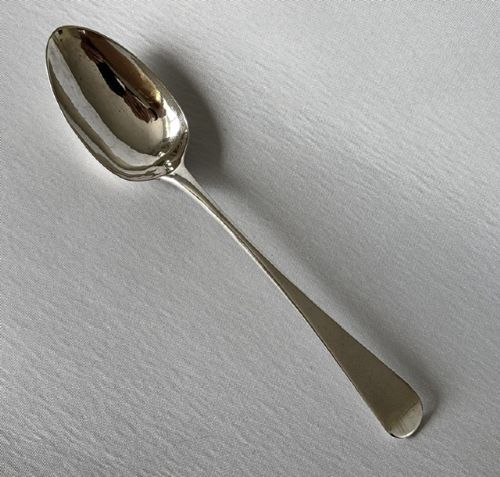
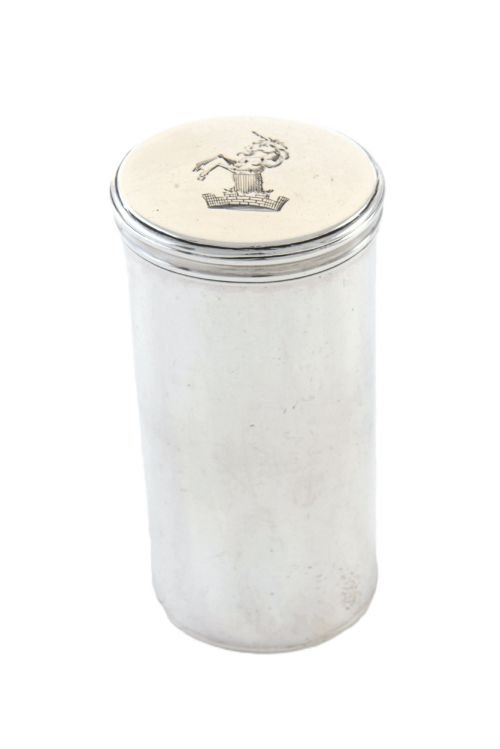
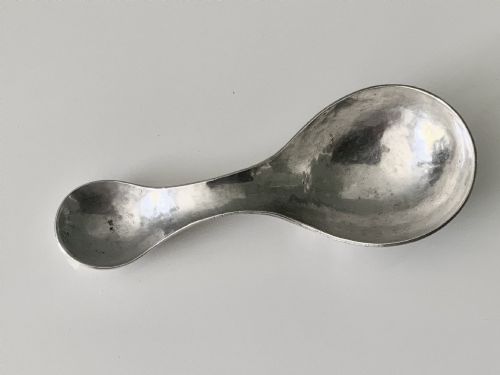
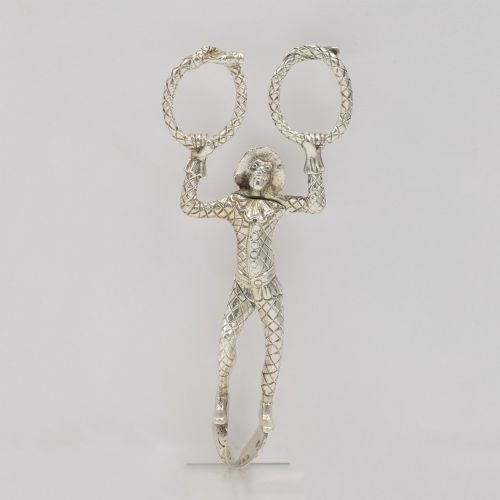
The pieces appearing on this page span several specific forms, including caddy spoons, nutmeg graters, sugar tongs, vinaigrettes, and tobacco boxes. Flatware such as tablespoons and marrow scoops also feature prominently, alongside more specialised items like medical fleams, pin cushions, and decanter labels.
While the overarching aesthetic is rooted in the Georgian era, related styles such as William IV, George IV, George I, and Regency surface frequently among the listings. Occasional items from the Victorian period and later twentieth-century decades also appear, broadening the chronological scope for collectors.
What varies in quality
Quality in these portable silver objects rests upon the crispness of the maker's marks, the legibility of engraved crests, and the preservation of original chased detail. Pieces that retain their structural integrity without excessive wear to hinges, springs, or piercing stand apart from heavily restored examples.
The involvement of renowned workshops elevates certain pieces, as does unusual novelty form such as harlequin monkey sugar tongs or basket pin cushions. Superior execution lies in the harmonious balance between utility and decorative flourish, where every functional component integrates seamlessly into the design.
Keep an eye out for silver fashioned into cheeky monkeys and tiny baskets, proving Georgians loved a clever novelty just as much as we do.
Peter & Jonathan Bateman·Dee & Fargus·Taylor & Perry·E Cornock·James Phipps I·Joseph Taylor·Reily And Storer
The Georgian Sterling Silver Collectables Glossary
- Vinaigrette
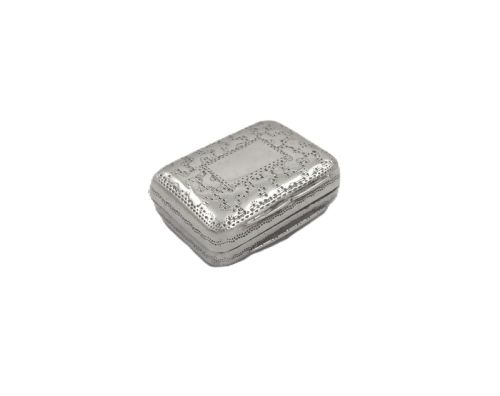
- A small ornamental box featuring an internal pierced grille, designed to hold a sponge soaked in aromatic vinegar. These portable containers were carried for relief against unpleasant odours.
- Caddy spoon
- A short-handled spoon specifically manufactured for measuring tea leaves from a caddy into the teapot. Their bowls often take imaginative shell or leaf shapes.
- Nutmeg grater
- A pocket-sized container housing a miniature metal rasp, used at the dining table or in taverns to grate fresh spice into beverages. They reflect the high value placed on exotic spices during the period.
- Fleam
- A traditional medical instrument used for blood-letting, consisting of one or more lancet blades folding into a protective case. Silver-cased examples transformed a clinical tool into a gentleman's accessory.
- Marrow scoop
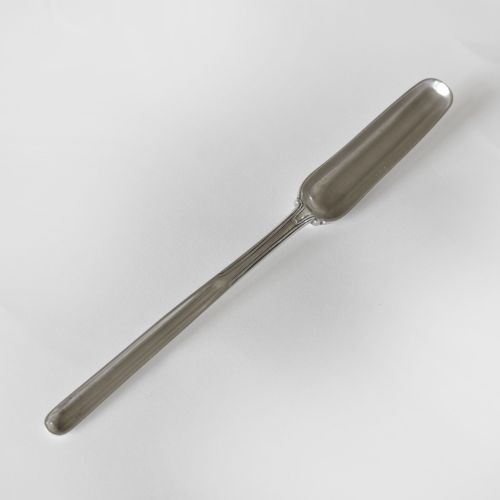
- A slender dining implement featuring small, trough-like bowls at each end for extracting marrow from animal bones. They exemplify the specialised dining utensils characteristic of wealthy households.
- Decanter label
- A small metal tag hung by a chain around the neck of a decanter to identify its contents. Often shaped like vine leaves or crescents, they represent a distinct branch of domestic silver.
Georgian Sterling Silver Collectables: Frequently Asked Questions
What is a Georgian silver vinaigrette?
A vinaigrette is a small, hinged metal box containing a perforated internal grille. Inside, a vinegar-soaked sponge provided a fresh scent to counter unpleasant street smells.
These portable items were carried in pockets or reticules by both men and women. Their exterior surfaces were often highly decorated with engrave work or geometric patterns.
How were nutmeg graters used?
Diners carried personal nutmeg graters to grate fresh spice directly into punch, wine, or ale at taverns and private homes. Whole nutmegs were stored in a small compartment within the silver case.
The inclusion of a tiny internal steel rasp allowed users to produce fresh shavings on demand, reflecting the popularity of spiced drinks in Georgian society.
What distinguishes Regency silver from earlier styles?
Regency silver frequently incorporates bolder classical motifs inspired by Greek, Roman, and Egyptian antiquity. Clean architectural lines often replace the more exuberant curves of earlier rococo designs.
Proportions became more severe and monumental, while surface decoration often relied on stark contrasts rather than heavy embossing. This stylistic shift mirrored wider architectural trends of the early nineteenth century.
How do I care for antique silver collectables?
Antique silver requires minimal, gentle cleaning to preserve its natural patina and historic marks. Using non-abrasive cloths specifically formulated for silver prevents the loss of fine engraved details.
Storage in dry environments away from direct sunlight protects any secondary materials like tortoiseshell or velvet. Handling pieces with clean hands or cotton gloves avoids transferring oils that accelerate tarnishing.