



Small Silver Pocket Box
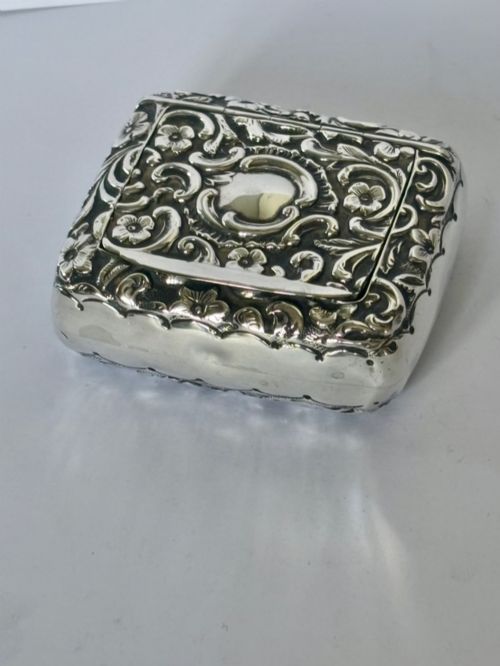
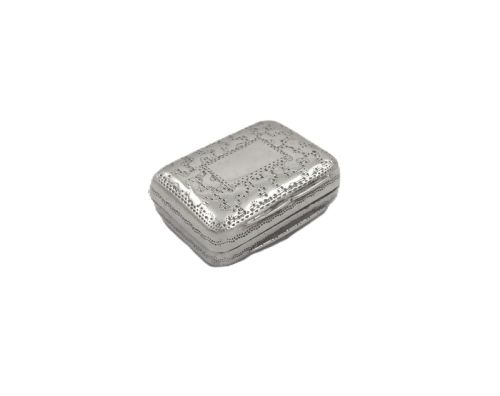
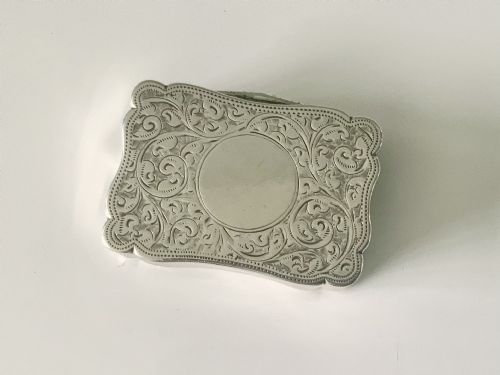
These small silver pocket box examples are compact antique containers designed to hold snuff, pills, or stamps within a waistcoat pocket.
Small Silver Pocket Box
When you search for a small silver pocket box, you are looking at portable antique containers designed to be carried discretely on the person. The pieces on this page span the Georgian, Victorian, and Edwardian periods, alongside George V examples.
The most common forms you will meet here are snuff boxes and vinaigrettes, alongside pill boxes and stamp cases. These objects originate from English workshops, with occasional Continental and French pieces appearing in the archive.
Makers such as Henry Matthews produced pieces during the Victorian era, while other examples date back to the late eighteenth century. Buyers find everything from simple pill boxes to complex combination double compartment snuff boxes and vesta cases.
How they were made
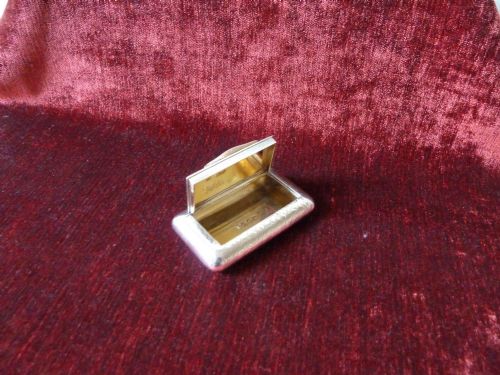
Makers fashioned these pocket containers primarily from sterling silver and silver plate, frequently incorporating silver gilt and gilding to enrich the interior surfaces. Some Victorian and mid-nineteenth-century items combine silver with tortoiseshell or walnut to create contrasting textures.
Decoration relied on period techniques such as embossing, hallmarking, and fine metalwork to finish lids and bodies. Artisans constructed these tiny objects to exact dimensions so hinges and lids sealed tightly for daily pocket use.
Someone commissioned a shooting peg case so a gentleman could draw lots for his hunting position from a tiny silver box.
What varies in quality
The distinction between a standard pocket container and a superior example rests on the crispness of the embossing and the precision of the silver hallmarks. Elaborate double compartment designs or specialist sporting collectables show a higher level of artisan skill than plain utility boxes.
Materials also drive the standard of the piece, where the inclusion of tortoiseshell or intricate silver-gilt interiors elevates the craftsmanship. The clarity of the maker mark, such as the stamp for Henry Matthews, distinguishes documented pieces from anonymous work.
Henry Matthews
The Small Silver Pocket Box Glossary
- Snuff box
- A small hinged container designed to hold powdered tobacco for consumption. These pieces often feature gilded interiors to protect the metal from the damp snuff.
- Vinaigrette
- A small ornamental box containing a perforated internal grille that held a sponge soaked in aromatic vinegar. Victorians carried these to mask unpleasant odours in public.
- Silver gilt
- Sterling silver that has been coated with a thin layer of gold on the surface. This technique provides the rich warm colour seen inside many period boxes.
- Tortoiseshell
- The mottled brown and amber shell of certain turtle species used by period makers to veneer or construct pocket boxes. It creates a smooth, polished contrast against bright silver mounts.
- Hallmark
- An official stamp applied to precious metals indicating the standard of silver, the assay office, and the year of manufacture. These marks help date the piece accurately.
Small Silver Pocket Box: Frequently Asked Questions
What fits inside a small silver pocket box?
These containers were originally built for dry goods like snuff, medicinal pills, or stamps that needed to stay dry in a pocket. Collectors today often use them to store modern medication or small keepsakes.
The dimensions of each piece dictate its contents, with pill boxes offering deeper wells and stamp cases providing flat internal spaces.
How do I date a silver pocket box?
Dating relies heavily on the hallmarks stamped into the metal, which record the assay office and year of creation. Stylistic clues such as Victorian embossing or Edwardian oval shapes also point to specific decades.
The presence of named makers like Henry Matthews helps narrow down the exact manufacturing window.
Were all these boxes made in England?
The majority of the pieces listed originate from English workshops, bearing domestic hallmarks from towns like Birmingham and Chester. The archive also records Continental and French examples.
Makers across these regions utilised sterling silver, silver plate, and mixed materials like walnut.
What is a combination box?
A combination box is a dual-purpose antique that houses two distinct functions within a single pocket-sized frame. The evidence includes pieces that pair a snuff box with a vesta case.
These items required sophisticated hinge work and internal dividers to keep the contents separate.