




Georgian Stemware C1740
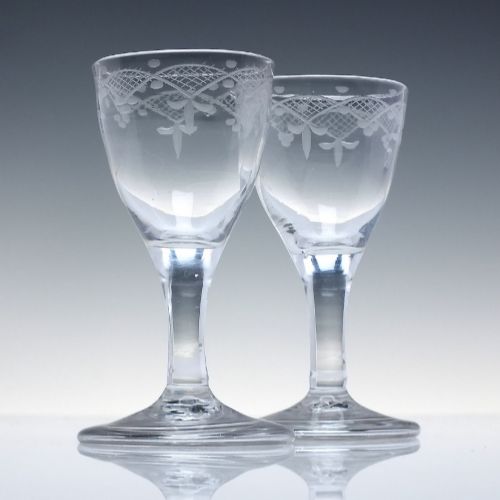
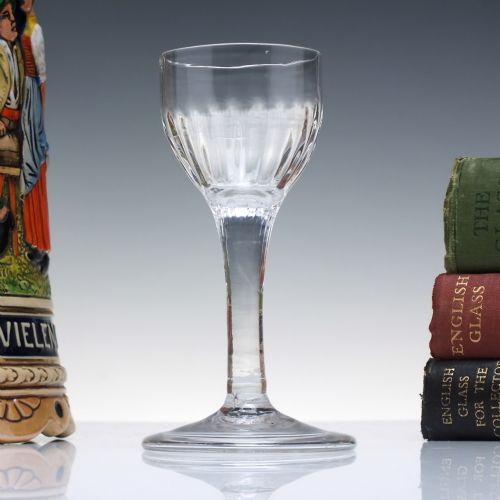
Georgian stemware c1740 comprises English drinking vessels shaped by lead glass and balustroid design, prized by collectors for authentic 18th century character.
Georgian Stemware C1740
When buyers search for georgian stemware c1740, they encounter 18th century drinking glasses originating from English workshops. These pieces span wine glasses, whisky dram glasses, ale glasses, and sweetmeat glasses.
The most frequent form on this page is the balustroid wine glass, alongside plain stem wine glasses, ribbed bowls, and folded feet. Forms display slender silhouettes or domed feet characteristic of the period.
Originating exclusively within the Georgian and 18th century eras, these items survive as clear glass vessels. Their primary function was serving wine, spirits, or sweetmeats at table.
Materials and construction
Makers utilised heavy lead glass, flint glass, and clear lead crystal to form these drinking vessels. The inclusion of lead oxide gave the metal greater weight, brilliance, and a resonant ring.
Techniques involved forming folded feet for stability and blowing ribbed or wrythen bowls. Stems were shaped into baluster or balustroid profiles, uniting the bowl and foot into a cohesive piece.
Georgian Stemware C1740 Retail Price Guide 2026
Typical asking prices for georgian stemware c1740 among the pieces listed under this phrase on Sellingantiques today, from the lower quarter to the upper quarter. They describe what is for sale here now, not the wider market.
The folded foot acts as a tiny architectural secret, tucked underneath just to keep 18th century toasts sturdy.
Distinctions in quality
Quality rests upon the purity of the lead crystal and the balance of the balustroid form. Superior examples display crisp engraving and well-proportioned stems.
The Georgian Stemware C1740 Glossary
- Balustroid
- A stem form derived from the heavy baluster, featuring a slender profile that retains a knop. It is characteristic of mid-18th century English drinking vessels.
- Folded foot
- A rim turned under during manufacture to provide extra strength and weight to the base. This technique guards against chipping during daily use.
- Wrythen
- A decorative spiral or twisted pattern moulded into the glass bowl. It catches the light and adds texture to transparent drinking glasses.
- Sweetmeat glass
- A specialised vessel intended for serving small confections or nuts at the end of a meal. These pieces often feature wide, shallow bowls and elaborate stems.
- Domed foot
- A raised, conical base rising toward the stem, providing heightened architectural presence. It is frequently seen on finer baluster and balustroid forms.
Georgian Stemware C1740: Frequently Asked Questions
How were these glasses used?
These vessels served various functions at the Georgian dining table, including drinking wine, ale, and spirits. Sweetmeat glasses held small sugary confections or preserved fruits.
Their substantial weight and sturdy folded feet suited communal dining customs of the period. Guests drank from them during formal meals and gatherings.
How do I identify a balustroid stem?
A balustroid stem is a thinner, more refined evolution of the heavy baluster stem popular earlier in the century. It usually incorporates one or more swelling knops along its length.
This form provides the visual weight of a baluster while maintaining a slender profile. It helps date English drinking glasses accurately to the mid-1740s.
Why do some feet have folds?
Makers folded the rim of the foot under itself while the glass was hot to create a smooth, reinforced edge. This practical method added necessary weight to the base.
A folded foot helps prevent chipping and improves the overall balance of the drinking vessel. Its presence is a strong indicator of early manufacture.
How should I live with them?
Display these glasses in cabinets where their lead crystal can catch natural light. Handle them carefully by the stem rather than the bowl.
Wash them by hand in warm water without abrasive sponges. They connect modern homes directly to 18th century dining traditions.