






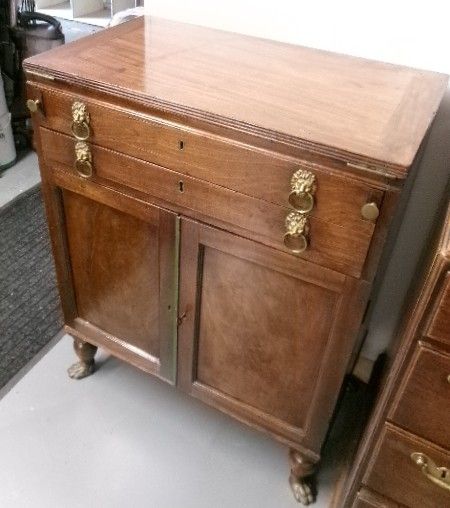


Georgian Standing Writing Desk
A georgian standing writing desk brings architectural proportion and sturdy craftsmanship to any study, offering a commanding elevated surface for correspondence and reading.
Georgian Standing Writing Desk
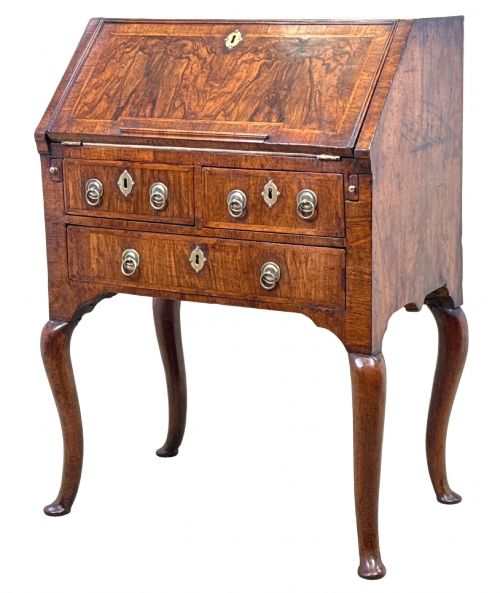
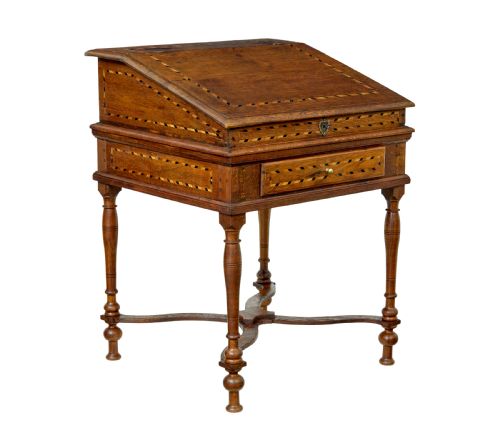
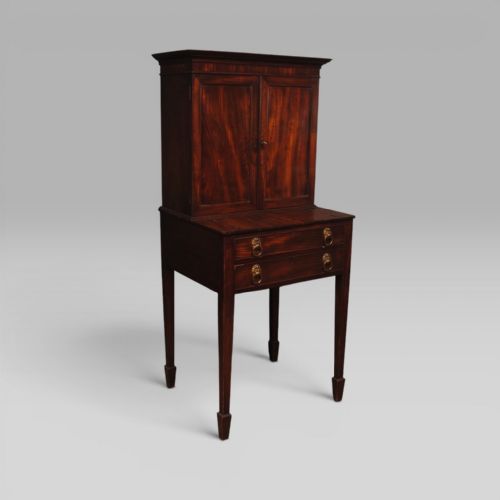
A georgian standing writing desk encompasses tall writing surfaces, clerks' desks, and bureaux on stands originating predominantly from the Georgian, Regency, and eighteenth centuries. These pieces range from substantial oak clerks' desks to refined mahogany writing cabinets and burr walnut bureaux raised on legs.
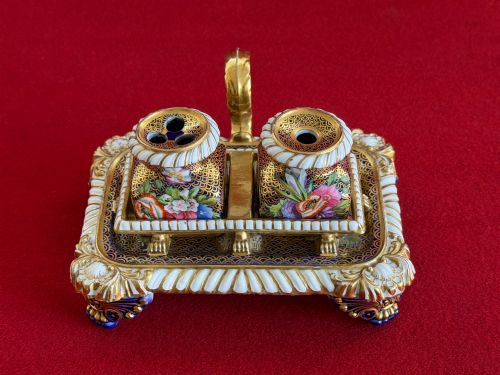
Buyers frequently encounter variants such as George III mahogany slope desks, tall architect's riser tables, and compact walnut writing furniture. The selection also includes related desk accessories like silver and porcelain inkstands alongside adjustable reading tables.
Originating largely from English workshops, these items reflect the functional demands of estate administration, drafting, and commerce. The inclusion of styles spanning from Queen Anne to Chippendale provides diverse options for traditional interiors.
Materials and Construction
Makers utilised dense hardwoods such as mahogany, oak, walnut, and rosewood, frequently selecting figured veneers like burr walnut and burr elm for primary display surfaces. Inlays of lighter timbers and brass accents complemented these primary woods, providing structural resilience and visual depth.
Functional hardware relied on brass for paw feet, handles, and hinges, while specialised pieces integrated iron mechanisms for adjustable stands and metamorphic risers. Inkstands combined ceramics, cut glass, Sheffield plate, and silver to create durable writing accessories.
Architects of the Regency period relied on metamorphic riser desks to draft grand estates while standing tall.
Quality and Distinction
The sophistication of timber selection dictates visual standing, separating finely figured burr veneers and rich mahogany grains from plain utility surfaces. Artisanal execution in marquetry inlay and brass mounts further defines the distinction between standard commercial pieces and masterworks.
Structural integrity and the preservation of original stands determine long-term authenticity, particularly in pieces combining cabinets with separate bases. The retention of original hardware, internal compartments, and operational mechanical actions elevates the standing of an individual desk.
The Georgian Standing Writing Desk Glossary
- Bureau
- A desk featuring a sloping lid that opens to reveal a fitted interior of pigeonholes and small drawers. It often sits upon a dedicated frame or chest base.
- Inkstand
- A portable or stationary tray holding inkwells, sanders, and penholders, frequently fashioned from silver, porcelain, or Sheffield plate.
- Secretaire
- A cabinet or desk incorporating a pull-down writing flap to conceal a fitted writing compartment.
- Clerk's Desk
- A tall, utilitarian writing desk designed for standing work, typically constructed from robust oak or mahogany.
- Escritoire
- A writing cabinet containing drawers and pigeonholes, common in walnut and mahogany during the eighteenth century.
Georgian Standing Writing Desk: Frequently Asked Questions
What is a standing writing desk?
A standing writing desk is an elevated piece of furniture designed for writing or drafting while standing up. These desks often feature sloping tops and tall legs or integrated stands.
Historically utilised by clerks, merchants, and architects, they provided a practical workspace without requiring a chair. Today, they serve as striking focal points in studies and living spaces.
How do I date a Georgian desk?
Dating a desk involves examining the secondary timbers, construction methods, and hardware styles used by makers of the period. Georgian pieces typically display hand-cut dovetails and period-specific brass handles.
Stylistic cues such as bracket feet, cabriole legs, or specific neoclassical motifs also help narrow down the decade of manufacture. Consulting the wood patination provides further clues to its age.
Were these desks used sitting or standing?
Many examples on this page, such as clerk's desks and architect's tables, were intentionally built tall for use while standing. Other variants like reading tables and writing cabinets accommodated seated work.
Adjustable mechanisms on certain tables allowed the user to alter the height and angle for different tasks. This versatility suited various professional demands in the eighteenth and nineteenth centuries.
How do I care for antique wood?
Maintaining antique wood requires keeping furniture away from direct sunlight and fluctuating heat sources to prevent timber splitting. Regular dusting with a soft, dry cloth preserves the natural wax finish.
Avoiding harsh chemical cleaners protects the historic patination accumulated over centuries. Professional waxing applied sparingly will maintain the lustre of mahogany and walnut surfaces.