



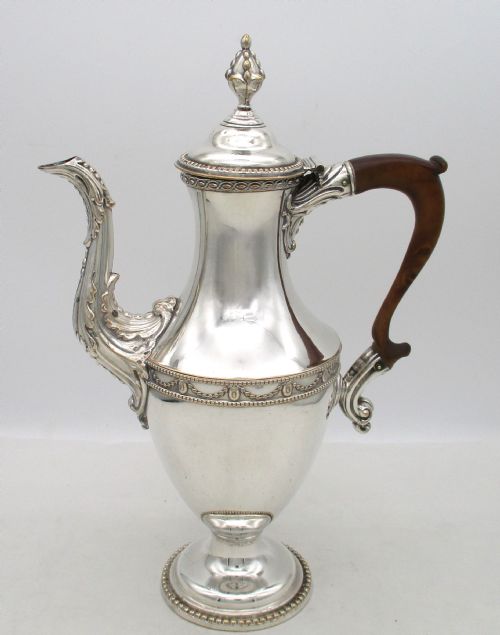

Georgian Silver Water Jug
A georgian silver water jug brings practical elegance to the table, combining heavy sterling metal with the grand styles of the eighteenth and nineteenth centuries.
Georgian Silver Water Jug
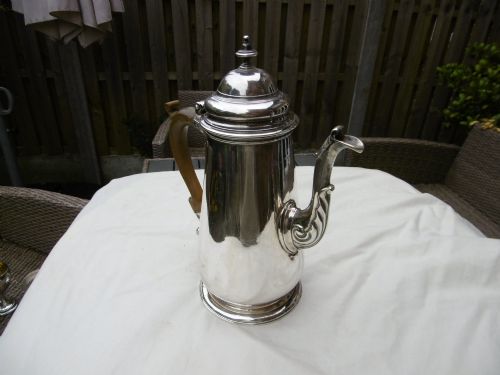
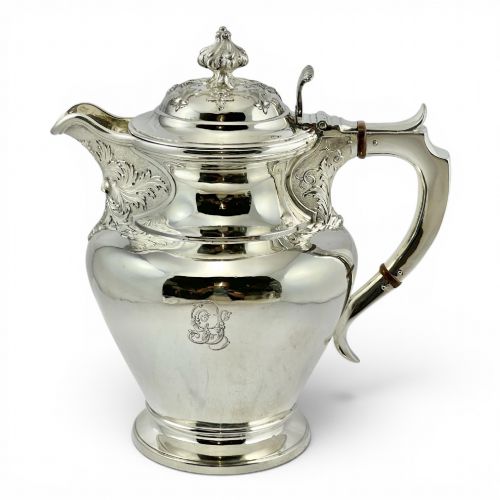
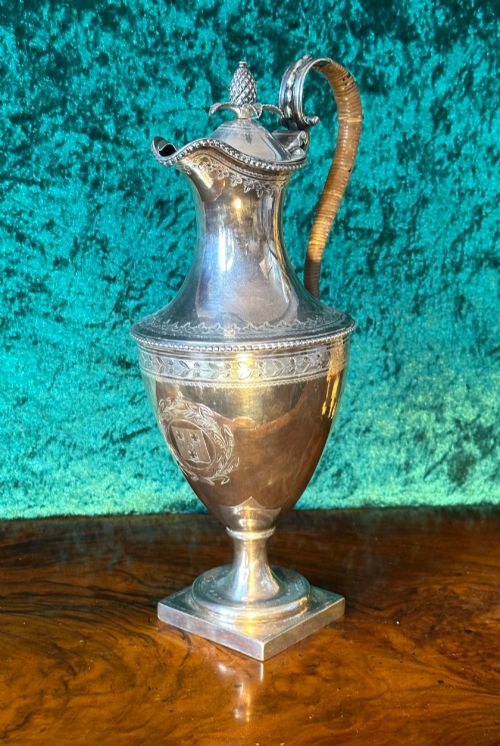
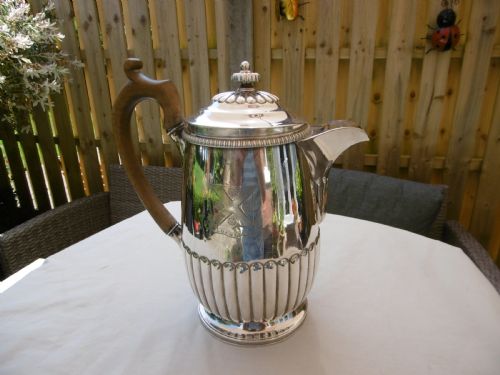
When searching for a georgian silver water jug, collectors encounter a varied selection of serving vessels spanning the eighteenth and nineteenth centuries. These items encompass formal coffee pots, pitchers, ewers, and beer jugs designed for domestic service.
The objects listed display stylistic influences ranging from early Georgian and Regency periods to Neoclassical and Rococo designs. Silver plate and Old Sheffield Plate appear frequently alongside sterling silver, copper, and hardwood elements.
How they were made
Silversmiths shaped sterling silver and copper using traditional hammering, raising, and soldering techniques to create sturdy, functional bodies. Makers of Old Sheffield Plate fused a thin layer of silver onto a copper base, producing durable vessels with distinct metallic contrast.
Many examples incorporate insulated handles made of hardwood or wrapped in wicker to protect the user's hand from hot liquids. Surface decoration often includes crisp chasing, crest engravings, and cast spout details characteristic of the period.
What varies in quality
The distinction between standard utility vessels and superior examples rests on the crispness of the chased ornament and the weight of the metal used. Pieces bearing clear maker marks and town hallmarks command greater attention from serious collectors.
The integrity of the original plating on Old Sheffield items and the survival of secondary materials like hardwood handles determine the overall calibre of a surviving piece.
Richard Gurney·Matthew Boulton·Edward Power·John Hoyland·John Scofield
The Georgian Silver Water Jug Glossary
- Old Sheffield Plate
- A composite material formed by fusing a thin sheet of silver to a copper core under heat and pressure. This technique predates modern electroplating and is identified by thin lines of exposed copper near edges.
- Ewer
- A large pitcher with a flared spout and a curved handle, traditionally used for holding and pouring water. In Georgian dining, these vessels often matched the decorative scheme of the tea or coffee service.
- Sterling Silver
- An alloy containing a high proportion of pure silver combined with copper to increase strength. British pieces typically display hallmarks indicating the city of assay and the standard of purity.
- Hallmark
- An official stamp or series of marks struck into precious metals to guarantee their composition. These symbols identify the maker, the assay office, and the year of manufacture.
- Regency
- A stylistic period bridging the late Georgian and early Victorian eras, marked by classical restraint and archaeological revival forms. Pieces from this era often feature clean geometric lines and minimal applied ornament.
Georgian Silver Water Jug: Frequently Asked Questions
How do I clean a silver jug?
Use a soft cloth and a gentle silver polish designed specifically for antique metals. Avoid harsh chemical dips that strip away the natural patina accumulated over centuries.
Wash the vessel in warm soapy water and dry it thoroughly with a lint-free cloth after polishing to protect the surface.
How do I identify the date?
Look closely at the base or handle for stamped hallmarks, which provide direct codes for the assay office and year of manufacture. Stylistic clues like Rococo curves or Neoclassical symmetry also narrow down the era.
Compare the maker's mark against historical records to confirm the exact decade of production.
What is Old Sheffield Plate?
Old Sheffield Plate is an early composite material created by fusing silver and copper together before shaping the metal. This method creates a durable surface that develops a warm tone over time.
Look for subtle seams or hints of copper along the rims to identify this distinct historical technique.