

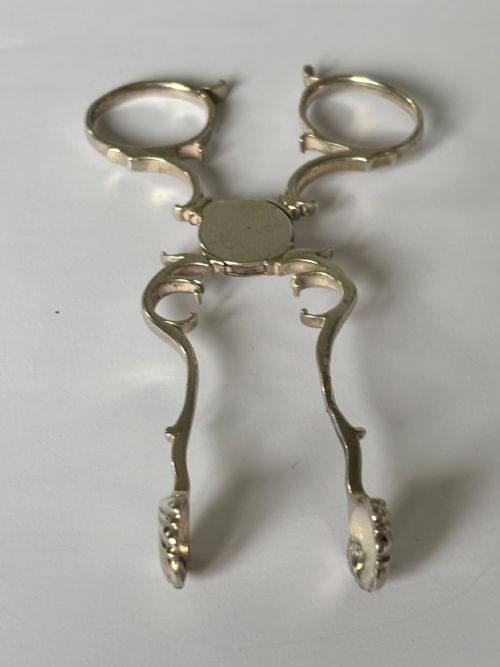


Georgian Silver Tea Accessory
A georgian silver tea accessory brings the refined rituals of the eighteenth-century tea table directly into daily use through small, functional works of art.
Georgian Silver Tea Accessory
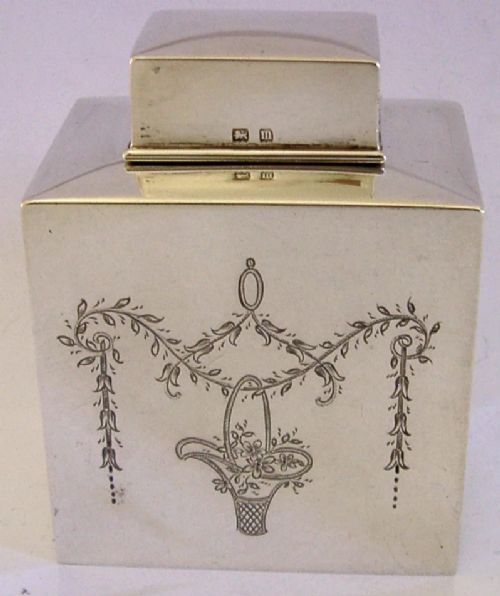
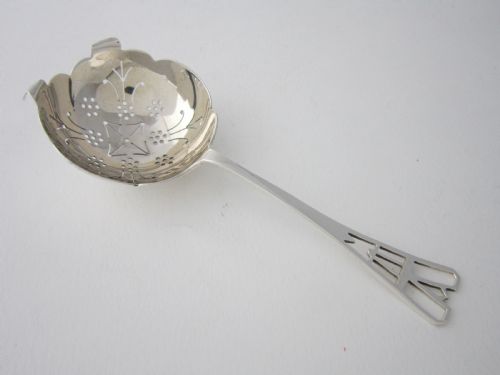
A georgian silver tea accessory encompasses the small, specialised silver implements and vessels designed to serve tea during the eighteenth and early nineteenth centuries. Buyers encounter items such as caddy spoons, sugar tongs, mote spoons, tea caddies, strainers, and cream jugs spanning the Georgian, Regency, and related revival periods.
Caddy spoons and sugar tongs appear most frequently among these listings, alongside sparrow beak cream jugs and mote spoons. These smaller pieces allow collectors to acquire authentic period silver without committing to larger tea sets.
Materials and construction
Items are constructed primarily from sterling silver, silver plate, and copper, occasionally featuring gold gilt or velvet linings inside boxes. Makers utilised techniques such as casting, piercing, and double striking to shape bowls and handles.
The combination of solid silver and detailed hand-engraving or piercing defines the standard manufacturing approach of period silversmiths. Details like fancy backs on spoons and articulated joints on tongs show the careful hand labour involved.
Listings feature items ranging from the 18th Century through to Edwardian and Art Deco revivals, utilising sterling silver, silver plate, copper, gold gilt, and velvet.
Assessing quality and craftsmanship
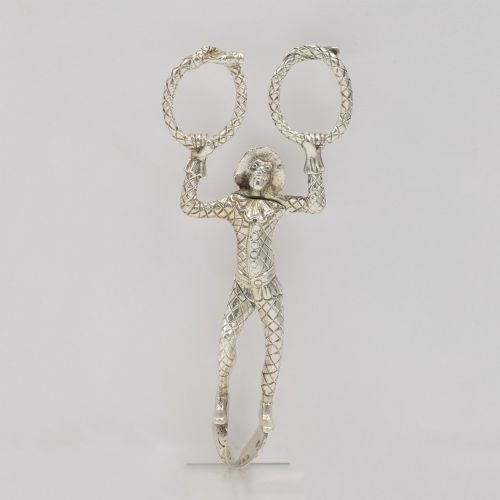
Quality separates simple utilitarian items from those displaying artistic ambition, particularly in pieces featuring novelty forms like harlequin monkeys or intricate cast decoration. Crispness in the stamped or chased details indicates the skill of the original maker and the condition of the dies used.
Weight and balance also distinguish finer examples, especially with sugar tongs and cream jugs where wall thickness and handle attachment matter. Pieces retaining clear hallmarks and original gilding hold stronger interest for collectors.
Zimmermann·Bateman Family·Dee and Fargus·Wallis·Thomas Tookey·Jeremiah Lee·P A W Bateman
The Georgian Silver Tea Accessory Glossary
- Mote spoon
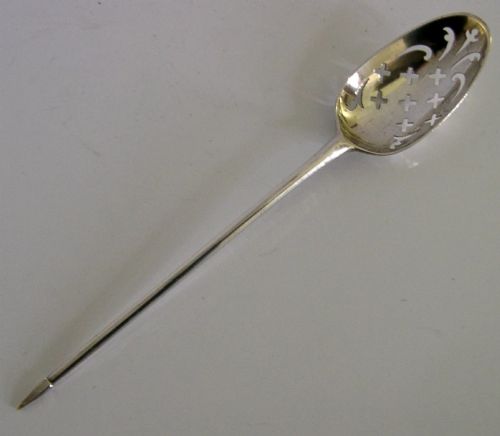
- A slender eighteenth-century spoon featuring a pierced bowl for skimming tea leaves and a pointed stem used for clearing teapot spouts. These items represent some of the earliest specialised silver tea implements.
- Caddy spoon
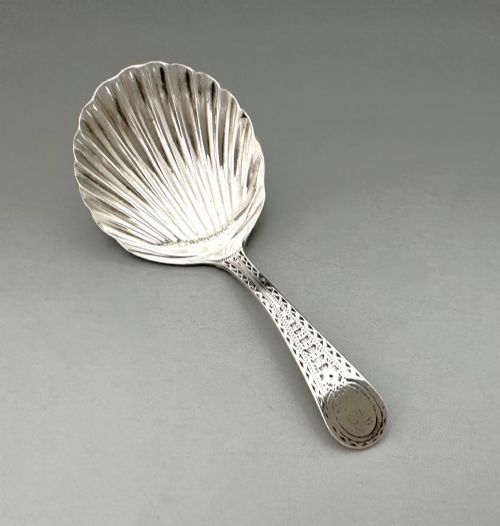
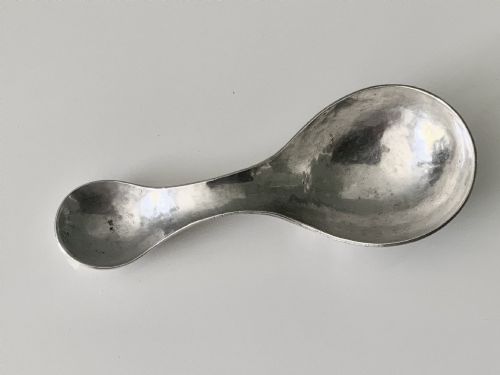
- A short-handled spoon specifically designed for measuring loose tea leaves from a storage caddy into the pot. They frequently feature shell-shaped bowls and decorated handles.
- Sugar nips
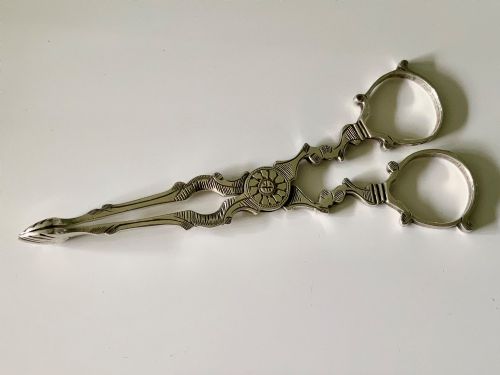
- Scissors-like implements with small cup-shaped grips used for holding and serving sugar lumps before sugar tongs became standard. Early versions date to the mid-eighteenth century.
- Sparrow beak cream jug
- A small, early jug characterised by a distinctive narrow spout resembling a bird's beak. These typically date from the George II and George III periods.
- Double struck
- A manufacturing technique where a die stamp is applied twice to ensure deep, crisp relief on both sides of a spoon handle. This denotes higher quality production.
Georgian Silver Tea Accessory: Frequently Asked Questions
What is a mote spoon used for?
A mote spoon served a dual purpose at the tea table during the eighteenth century. The pierced bowl skimmed loose leaves from the brewed tea, while the pointed tip cleared clogged spouts.
Collectors prize these unusual items for their delicate piercing and early manufacture dates.
How do I identify sugar nips versus sugar tongs?
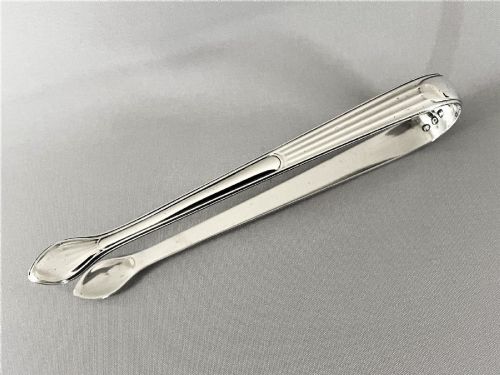
Sugar nips operate like scissors with finger loops and small cup ends designed to grip sugar loaves. Sugar tongs typically feature a sprung, single-piece metal bow ending in claw or shell grips.
Nips generally appear on earlier pieces from the mid-eighteenth century.
What makes a caddy spoon desirable?
Desirability in a caddy spoon often relies on unusual bowl shapes, such as jockey caps, hands, or shells. Engraved fancy backs and identifiable maker marks add significant interest.
Condition and crispness of the stamping also drive collector demand.
Are these items made of solid silver?
The listings include both solid sterling silver pieces and silver plated items, alongside copper and gold gilt examples. Hallmarks stamped directly into the metal help confirm solid silver content.
Descriptions clearly distinguish between sterling pieces and Sheffield plated wares.