



Georgian Silver Platter
A georgian silver platter is a masterwork of formal dining, prized by collectors for its exceptional weight and refined period craftsmanship.
Georgian Silver Platter
When you search for a georgian silver platter, you encounter a refined category of antique dining service items designed for grand presentation. These pieces originate primarily from the eighteenth and nineteenth centuries, spanning Georgian, Regency, and early Victorian periods.
The selection here encompasses various forms used in historic dining rooms, including large meat domes, substantial chargers, serving trays, salvers, and draining plates. While solid sterling silver examples exist, the listings also frequently feature durable Old Sheffield Plate and creamware.
Makers and silversmiths utilised these diverse materials to fashion items ranging from plain rim chargers to intricate gallery trays and covered serving dishes. Buyers will find both Irish and English origins represented among the available pieces.
Materials and production techniques
The creation of these dining items involved traditional metalworking methods, relying heavily on sterling silver, Old Sheffield Plate, and pewter. Craftsmen fused silver to a copper core for Old Sheffield Plate pieces, creating durable vessels that retain a rich metallic lustre.
Silversmiths shaped solid sterling silver through careful hammering and raising, often adding applied borders and engraved details by hand. Pewter items, such as plain rim chargers, were cast in moulds and polished to a smooth finish for domestic service.
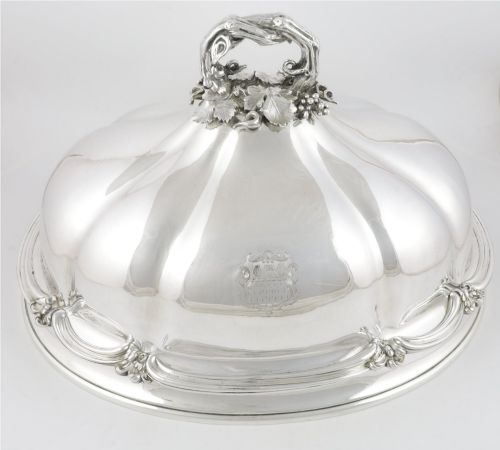
One historic meat dome carries a direct link to the Duke of Somerset, bringing a distinct trace of stately dining directly to the table.
Distinctions in quality
Quality in these dining pieces rests upon the crispness of chased decoration, the integrity of the silver fusion over copper in plated items, and the balance of the form. Superior examples display clear hallmarks, even wear, and robust construction that withstands the passage of centuries.
The distinction between standard domestic serveware and top-tier pieces often lies in the weight of the metal and the prestige of the maker. Items associated with notable silversmiths or historic provenance command attention for their superior artistry and heavier gauge metal.
Roberts Cadman·S C Younge And Co·Henry Wilkinson·Matthew Boulton·Robert Breading·Walker Knowles·James Fray·Cresswick·Paul Storr·S Duncomb·Robert W Smith·George Burrows
The Georgian Silver Platter Glossary
- Salver
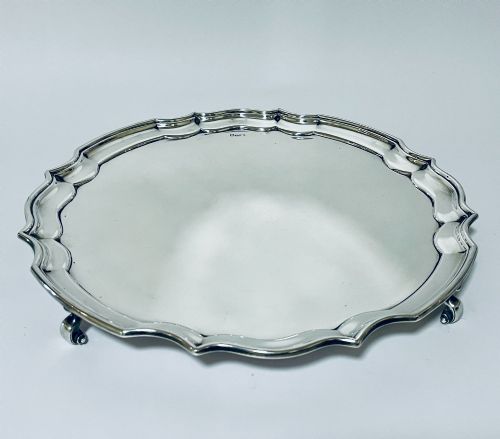
- A flat plate or tray, typically with feet, used for serving food or drinks. These silver vessels often feature decorative borders and engraved crests.
- Old Sheffield Plate
- An early composite material made by fusing a thin sheet of silver to a thicker copper base. This technique preceded modern electroplating.
- Meat Dome
- A large, domed cover placed over joints of meat to retain heat on the dining table. They frequently feature cast handles and substantial weight.
- Charger
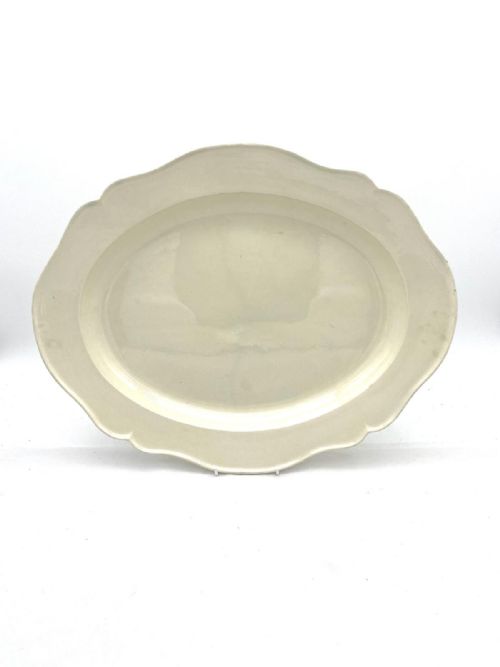
- A large decorative plate placed underneath the dining courses. Eighteenth-century examples appear in silver, pewter, and creamware.
- Mazarine
- A pierced insert placed inside a dish to drain juices from meat or fish. These functional draining plates are often found in Old Sheffield Plate.
Georgian Silver Platter: Frequently Asked Questions
What is Old Sheffield Plate?
Old Sheffield Plate is an early composite material created by thermally fusing a layer of silver to a copper base. This method produces a durable metal that differs from later electroplated wares.
Items made this way reveal a thin line of copper where the edge is exposed through wear over generations of polishing.
How were meat domes used?
Meat domes were placed over large roasts on serving platters to keep the food warm as it travelled from the kitchen to the dining table. Their generous proportions accommodated substantial joints of meat.
Servants lifted the heavy covers just before carving in front of the assembled guests.
Are these items made of solid silver?
The listings include both solid sterling silver and plated alternatives like Old Sheffield Plate. Sterling silver pieces feature official hallmarks indicating the assay office and date of creation.
Plated wares offer the visual appeal of silver while utilising a base metal core beneath the surface layer.
What is a mazarine?
A mazarine is a pierced or slotted plate fitted inside a larger serving dish to drain liquid away from meat or fish. They allowed juices to collect safely out of contact with the food.
These functional inserts appear in both silver plate and ceramic formats within the evidence.