






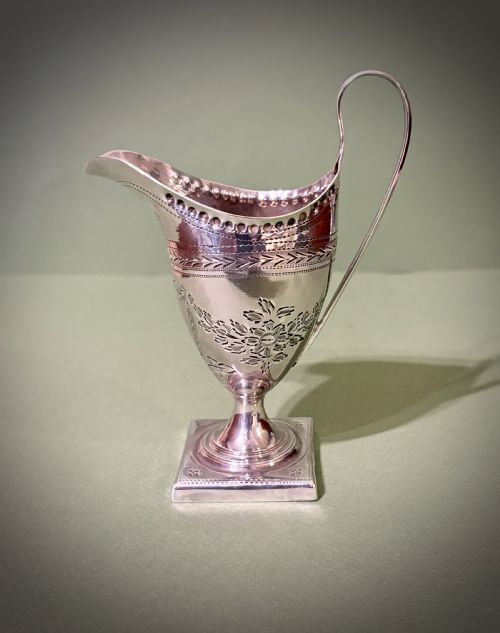
Georgian Silver Cream Jug
When you search for a georgian silver cream jug, you find small silver pouring vessels shaped during the reigns of the Hanoverian monarchs.
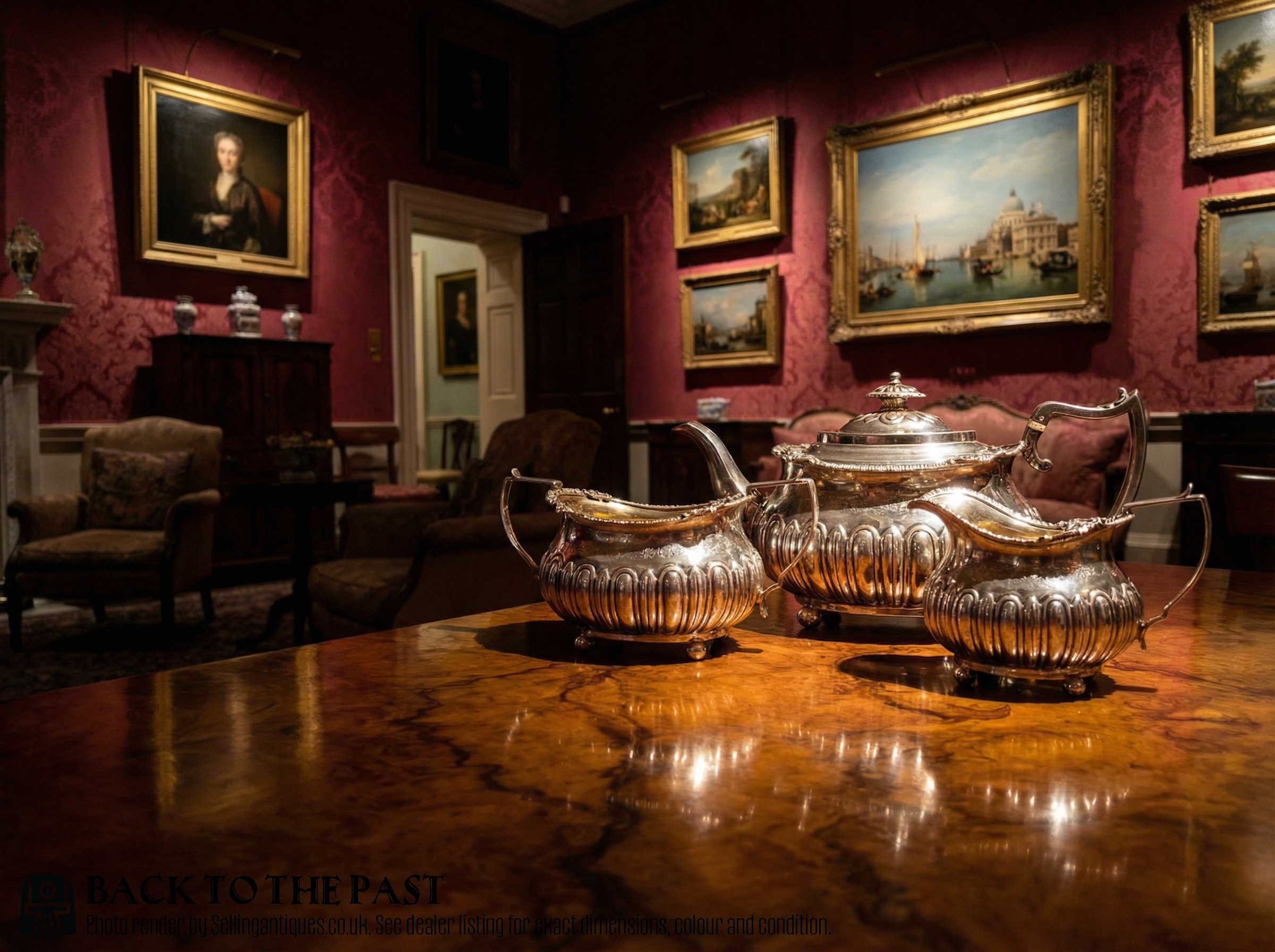
Georgian Silver Cream Jug
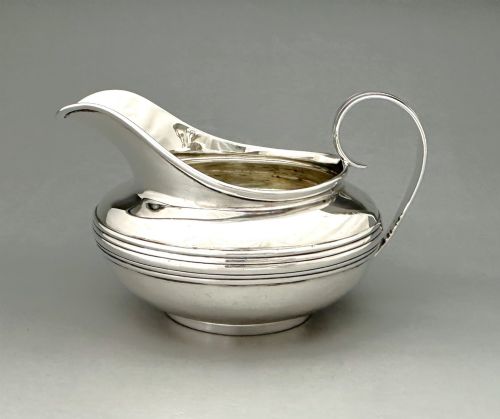
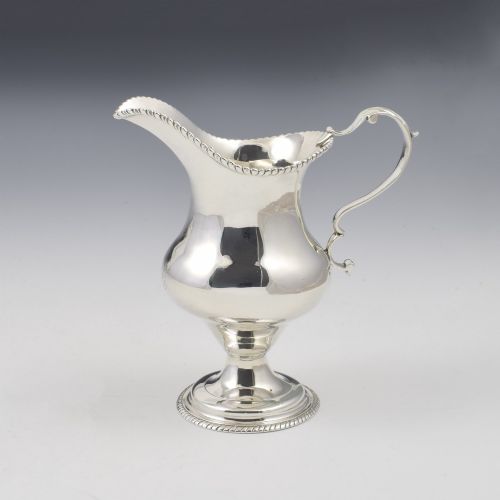
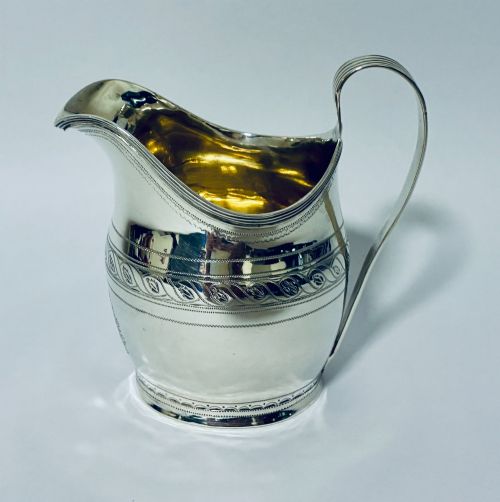
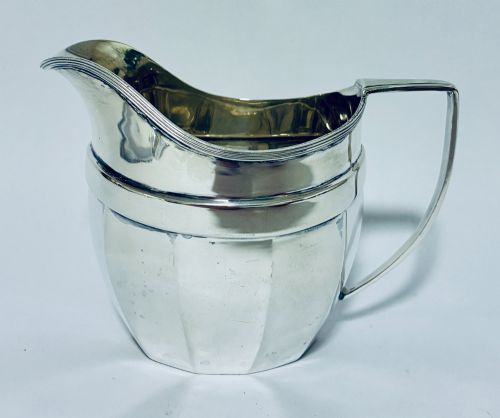
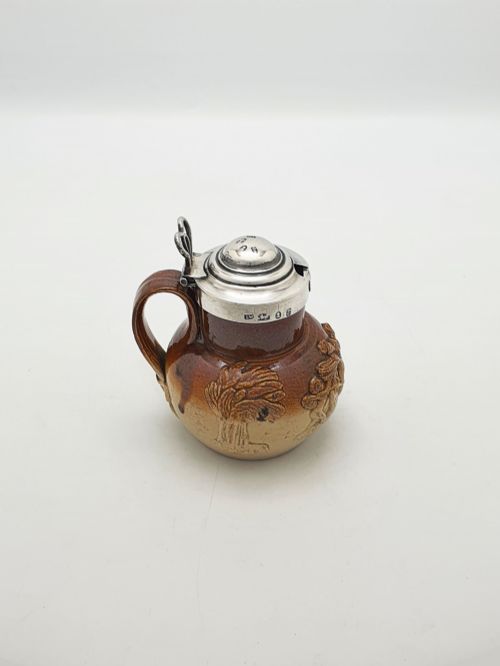
A georgian silver cream jug is a small hollowware vessel designed for holding dairy to add to tea or coffee at the table. These items appear primarily in sterling silver, alongside occasional provincial pieces, stoneware bodies with silver collars, and silver gilt interiors.
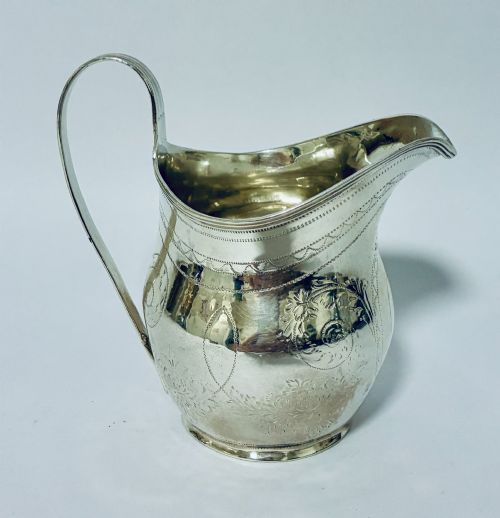
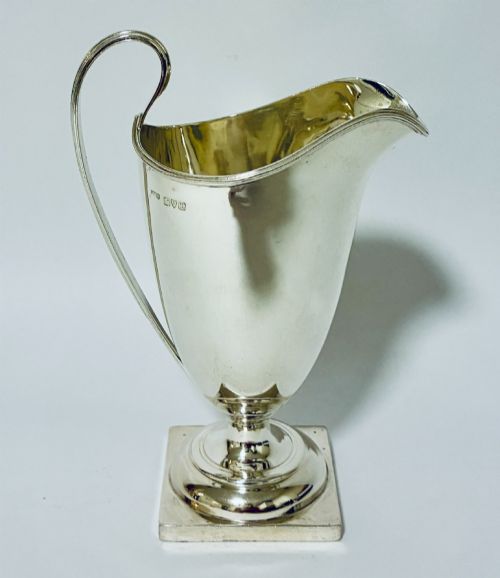
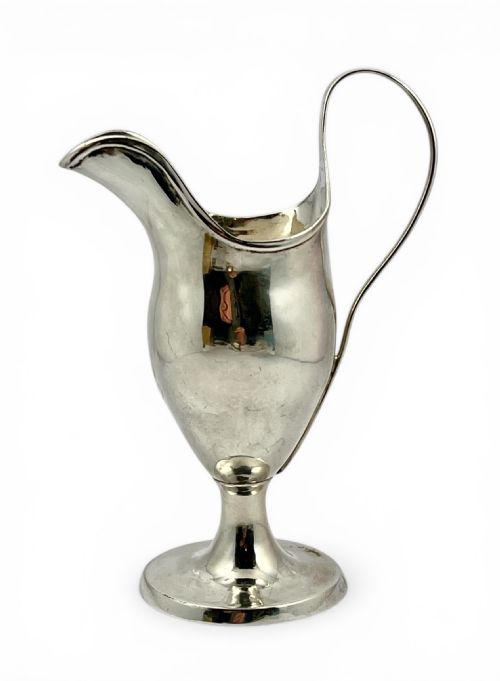
The forms span early sparrow beak jugs and helmet bodies through to bright-cut engraved bodies and pedestal cream pails. The majority originate from the eighteenth and early nineteenth centuries, reflecting the periods of George I, George II, George III, and George IV.
Makers working in London, Dublin, Newcastle, Exeter, and provincial towns shaped these vessels to match contemporary teaware services. Buyers encounter both individual small creamers and pieces belonging to larger tea and coffee services.
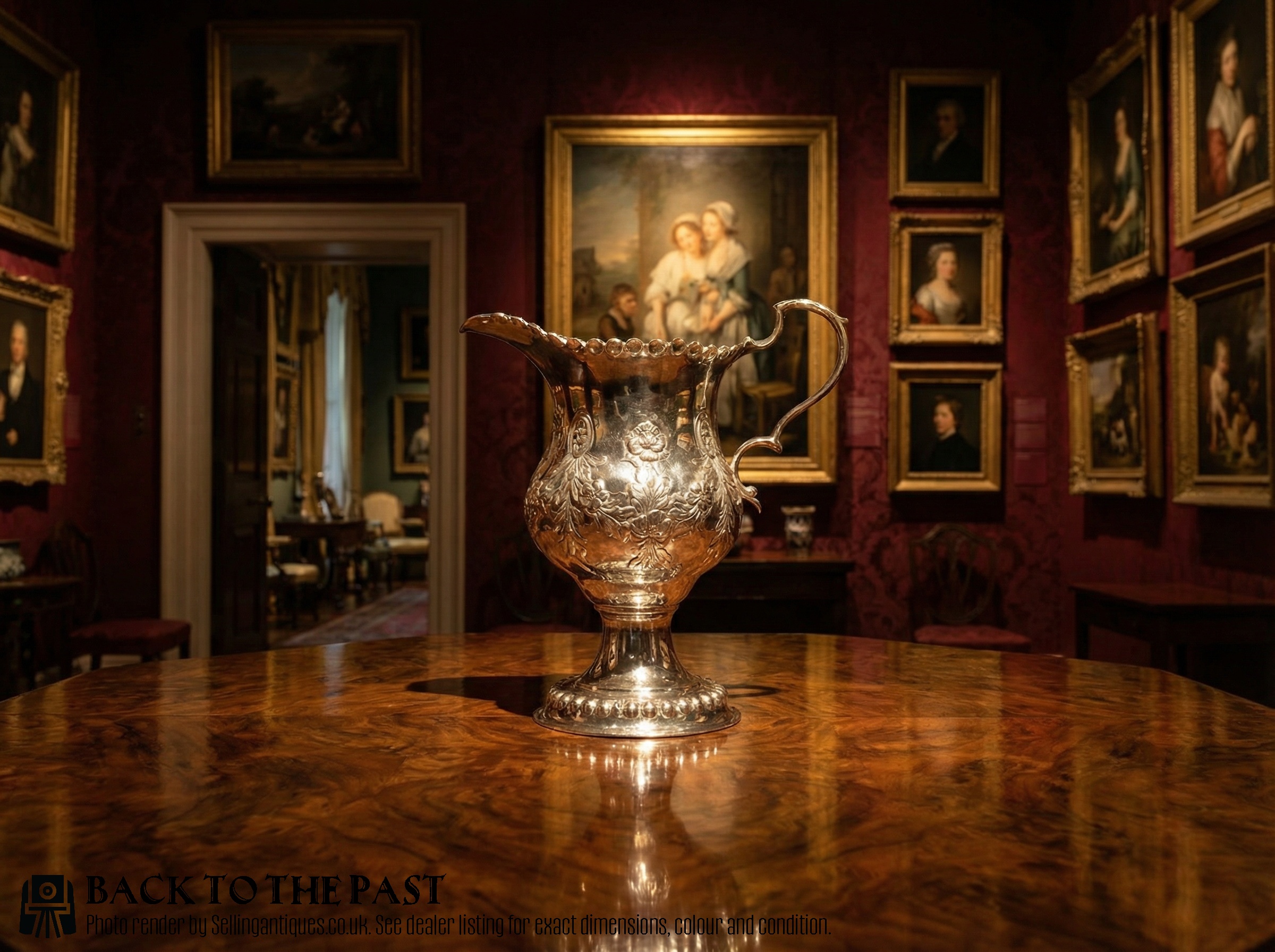
What varies in quality
The crispness of hand-cut decoration and the weight of the silver gauge separate standard production from superior work. Thicker metal resists denting and maintains the structural integrity of thin handles and rims over centuries of handling.
Proportion and balance define the aesthetic success of a piece, from the sweep of a sparrow beak spout to the stance of a pedestal foot. Maker marks from prominent workshops or provincial silversmiths also influence the standing of an individual jug.
Georgian Silver Cream Jug Retail Price Guide 2026
Typical asking prices for georgian silver cream jug among the pieces listed under this phrase on Sellingantiques today, from the lower quarter to the upper quarter. They describe what is for sale here now, not the wider market.
The listings show sterling silver, silver gilt, and stoneware materials spanning the Georgian, Regency, and Victorian periods.
Stalker and Mitchison·James Gordon·John Emes·Peter and Ann Bateman·George Unite·Robert Pringle and Sons·Benjamin Smith·Benjamin Montagu·Thomas Whitehead·Samuel and Edward Davenport·Samuel Meriton II·Robert Breading·John Merry
The Georgian Silver Cream Jug Glossary
- Sparrow beak
- An early form of small cream jug featuring a narrow, pointed spout resembling a bird's beak. This profile characterises pieces from the first half of the eighteenth century.
- Bright-cut engraving
- A surface decoration technique using faceted angled cuts to create sparkling geometric or floral patterns. It became popular on silver during the late eighteenth century.
- Gilt
- A thin layer of gold applied to the interior surface of a silver vessel. This treatment prevented dairy acids from tarnishing the silver.
- Helmet jug
- A pouring vessel with a flared rim and an elevated foot resembling the shape of a classical helmet. These forms date frequently to the reign of George III.
- Hallmark
- A series of stamped symbols indicating the silver standard, assay office, date letter, and maker. These marks provide the primary evidence for dating British silver.
Georgian Silver Cream Jug: Frequently Asked Questions
How were these jugs used at the table?
These vessels served to hold milk or cream for pouring into tea or coffee during formal gatherings and family meals. They formed part of the tea service alongside teapots, sugar bowls, and slop basins.
As tea drinking grew in popularity throughout the eighteenth century, silversmiths developed specialised pouring vessels tailored to the changing rituals of domestic hospitality.
How do I identify a Georgian piece?
Identification relies primarily on the combination of hallmarks stamped onto the silver, which provide the assay office symbol and the date letter for the year of production. Stylistic markers such as sparrow beak spouts, bright-cut engraving, and neoclassical helmet forms also point directly to the eighteenth or early nineteenth century.
Comparing the weight, handle construction, and form against authenticated examples helps confirm the period when formal hallmarks are rubbed or missing.
Why do some jugs have gold inside?
The golden interior finish, known as a gold wash or silver gilt, protected the underlying silver from reacting chemically with dairy products. Milk and cream left in untreated silver could tarnish the metal and impart an unpleasant metallic taste.
Silversmiths applied a thin layer of gold to the inside of the vessel to prevent this reaction while preserving the exterior silver appearance.
How should I care for antique silver?
Antique silver requires gentle cleaning with a soft cloth and proprietary silver polish formulated to remove tarnish without abrading the metal or wearing down engraved details. Regular handling helps maintain a natural lustre, while avoiding harsh chemical dips preserves the original surface patina.
Storing pieces in a dry environment away from direct sunlight and extreme humidity protects both the silver and any delicate gilt interiors.