


Georgian Silver Collectables
Georgian silver collectables are portable pocket items and domestic accessories crafted in sterling silver that reflect the refined tastes of the eighteenth and nineteenth centuries.
Georgian Silver Collectables
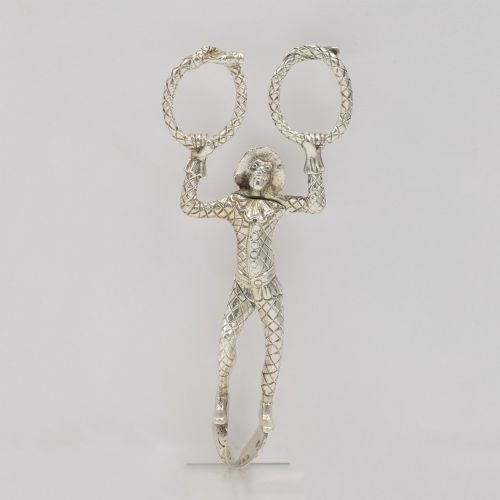
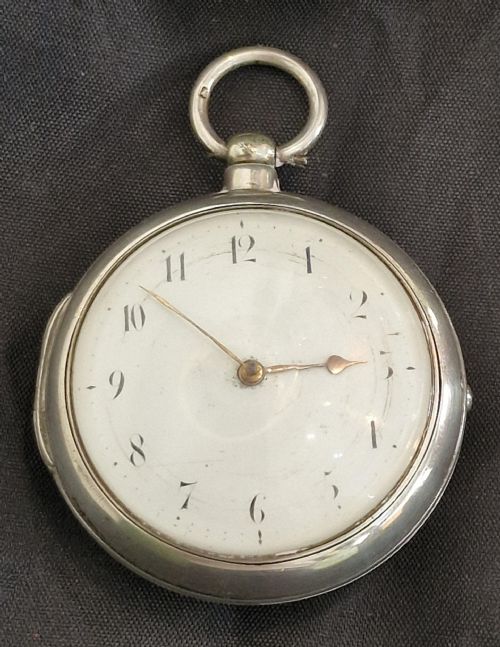
Georgian silver collectables encompass a wide assortment of small functional objects and personal accessories spanning the eighteenth and nineteenth centuries, notably from the Georgian, Regency, and Victorian periods. Buyers exploring this category encounter domestic silverware alongside items designed for personal carriage, such as snuff boxes, nutmeg graters, and caddy spoons.
Pieces originating from Scottish makers and Ottoman workshops supplement the dominant English output, occasionally incorporating organic materials like horn or tortoiseshell. These items served specific daily functions in Georgian society, from tea preparation and tobacco use to personal grooming and timekeeping.
How they were made
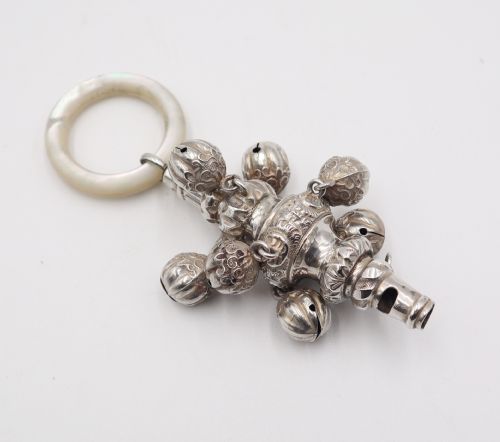
Silversmiths utilised sterling silver alongside base metals and organic supports such as glass, enamel, tortoiseshell, mother of pearl, and walnut wood. Construction methods combined casting, chasing, and engraving to produce decorated surfaces, delicate piercework, and heraldic crests.
Makers integrated specialised mechanisms for functional items like fleams for blood letting, folding pocket knives, flintlock firing actions, and spring-loaded snuff box lids. Metal wire inlay and parcel gilding frequently accented the primary silver structures on pistols and boxes.
Listings feature items spanning the 18th, 19th, and 20th centuries, executed in sterling silver, steel, walnut, glass, enamel, tortoiseshell, and mother of pearl.
What varies in quality
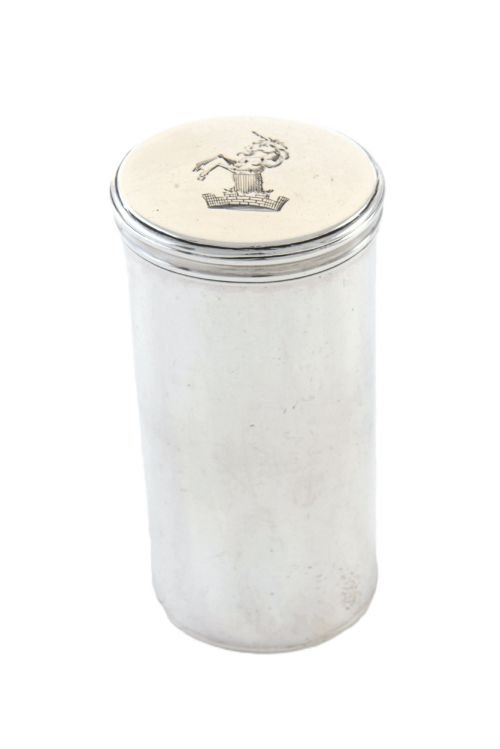
Quality in these objects rests upon the crispness of the chased decoration, the legibility of the hallmarks, and the precision of mechanical elements like hinge actions in boxes and lock mechanisms in pistols. Superior examples exhibit deliberate hand-finishing, balanced proportions, and integrated crests or engraved coats of arms that reflect original ownership.
The choice of secondary materials influences the character of the piece, with well-figured walnut stocks, clear tortoise shell panels, and vibrant enamel work elevating the standard of the manufacture. Pieces bearing the marks of known silversmiths demonstrate higher execution standards compared to unmarked workshop output.
Peter and Jonathan Bateman·Dee and Fargus·James Barber·Taylor and Perry·Timothy Hughes·Meyer and Mortimer·E Cornock·James Phipps I·Joseph Taylor·Reily and Storer
The Georgian Silver Collectables Glossary
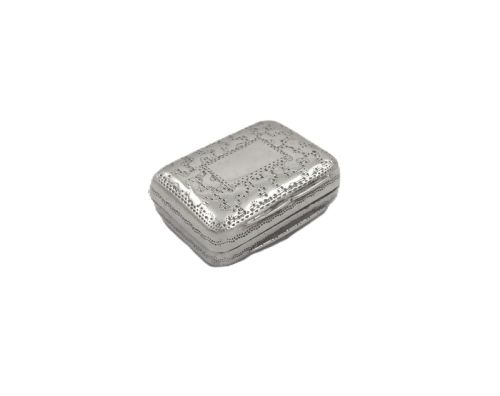
- Vinaigrette
- A small ornamental box featuring an internal pierced grille, designed to hold a sponge soaked in aromatic vinegar. These portable containers were carried to counter unpleasant odours in public spaces.
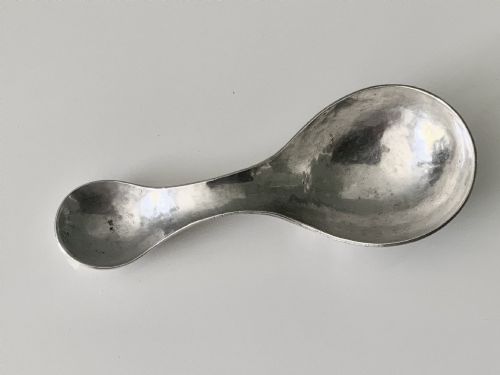
- Caddy spoon
- A short-handled spoon specifically created for measuring dry tea leaves from a tea caddy into a teapot. They often feature shell-shaped bowls or figural handles.
- Nutmeg grater
- A pocket-sized container housing a small metal rasp and a storage compartment for whole nutmegs. Diners used them to grate fresh spice onto food or drink at the table.
- Fleam
- A traditional lancet instrument used for blood letting, typically comprising folding steel blades housed within a protective silver or tortoiseshell case.
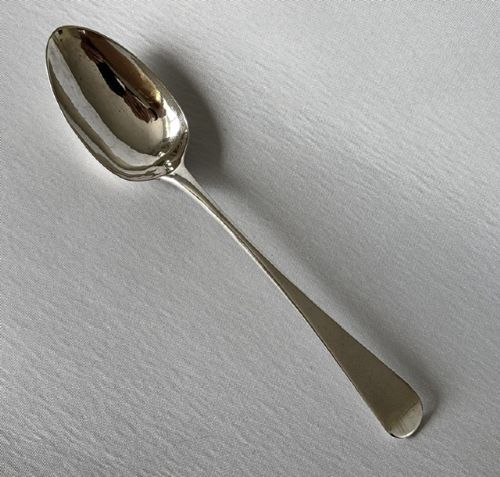
- Dognose tablespoon
- An early form of flatware characterised by an upturned rounded terminal resembling a dog's nose, popular during the late seventeenth and early eighteenth centuries.
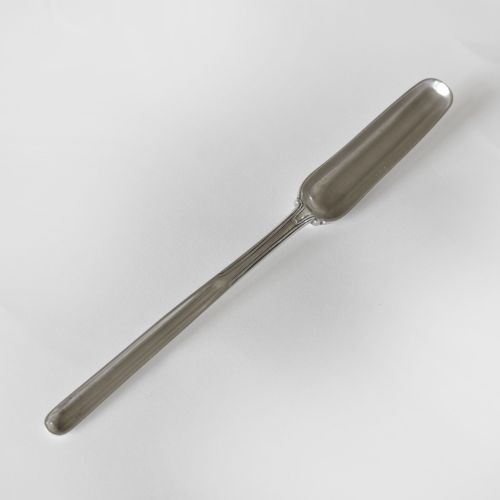
- Marow scoop
- A long, narrow piece of cutlery featuring half-cylindrical troughs at both ends, designed for extracting marrow from animal bones during formal meals.
Georgian Silver Collectables: Frequently Asked Questions
What is a silver vinaigrette used for?
A silver vinaigrette is a small container housing a sponge soaked in aromatic vinegar, used during the Georgian period to combat unpleasant odours in crowded indoor spaces or on the street.
The internal hinged grille allowed the scent to diffuse while holding the scented sponge securely in place within the decorated box.
How do I identify a Georgian caddy spoon?
Georgian caddy spoons are short-handled implements designed specifically for measuring dry tea leaves into a caddy or teapot, appearing in various shaped bowls such as leaves, hands, or shells.
They usually bear hallmarks indicating the maker and the year of assay, helping distinguish them from standard salt or mustard spoons of the same era.
What materials are found in these collectables?
While sterling silver forms the primary structure of most pieces, makers frequently combined it with organic and mineral elements such as tortoiseshell, mother of pearl, glass, enamel, and walnut wood.
Firearms and boxes in the collection also incorporate steel mechanisms, bone, Scottish horn, and gilt highlights to enhance both function and visual appeal.
How can I tell the period of a silver piece?
The period is determined through a combination of style, manufacturing technique, and official hallmarks stamped directly onto the metal, which record the assay office and date letter.
Comparing the decorative motifs, such as early eighteenth-century engraving styles versus Regency neoclassical forms, provides additional confirmation of the date of origin.