




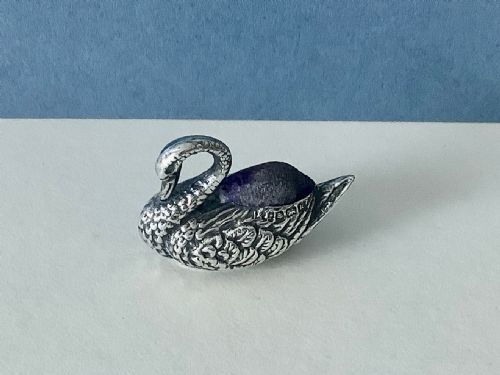
Antique Pin Holder
These small objects keep pins and needles close at hand, combining practical sewing utility with miniature sculptural charm.
Antique Pin Holder
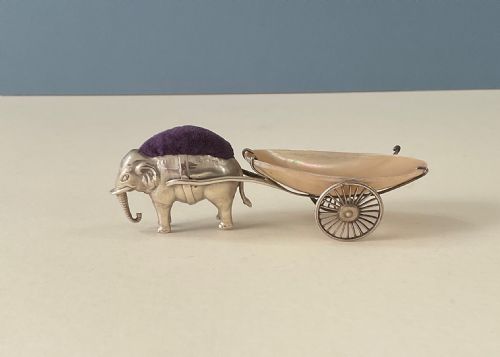
When you search for an antique pin holder, you enter a diverse world of sewing accessories designed to sit upon a dressing table or desk. These pieces range from simple velvet cushions and turned wood treen clamps to elaborate sterling silver novelties shaped like animals, birds, and miniature household items.
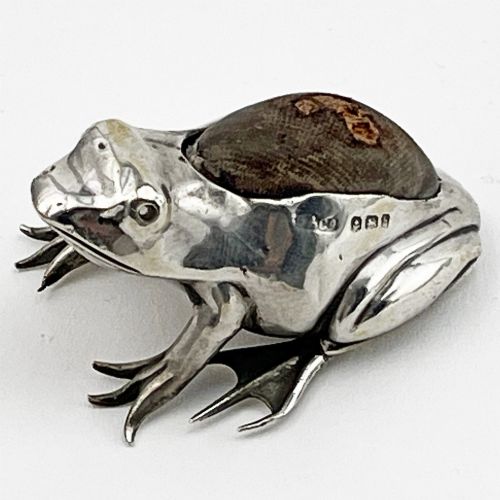
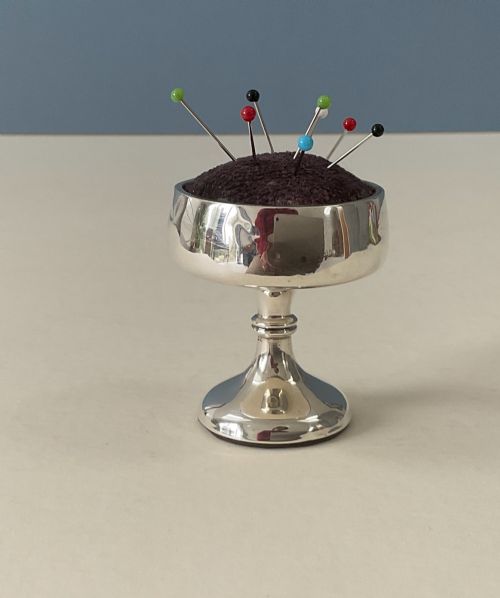
The versions most common on this page combine sterling silver or brass work with functional cushions, stands, or dishes. You will encounter figural forms such as frogs, bears, and owls alongside taller hatpin stands and dedicated sewing towers.
The materials span from traditional boxwood and mother-of-pearl to cold-painted bronze and moulded glass. Each piece reflects the domestic habits and decorative tastes of periods stretching from the Georgian era through to Art Deco.
How they were made
Silversmiths utilised stamping, casting, and hand-chasing techniques to form hollow novelty shapes and sturdy hatpin stands. Many pieces incorporate hallmarks that record the assay office, year, and maker.
Makers of treen and turned wood utilised hardwoods like boxwood and pine, shaping them on lathes to create sewing towers, clamps, and reel holders. Fabric components rely on velvet and woven textiles stuffed tightly to hold pins securely.
Foundries produced brass stands and cold-painted bronze figures, applying pigments carefully to metal surfaces to render realistic details on animal and figural pin cushions.
Frogs, owls, bears, and policemen frequently stand ready to guard your sewing pins.
What varies in quality
Construction integrity distinguishes simple utility items from superior examples. Well-turned treen threads smoothly, and securely stitched velvet cushions show no sagging or splitting at the seams.
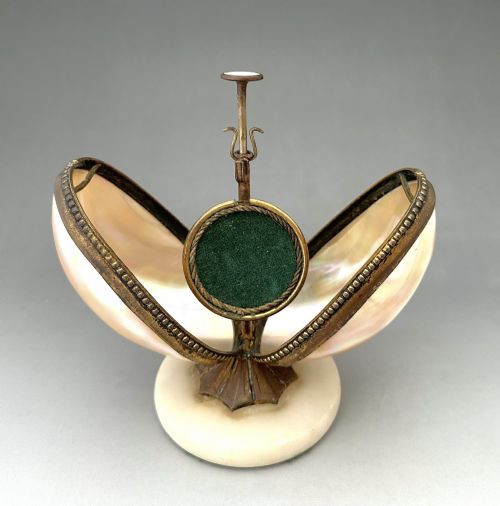
Material choice and artistic ambition elevate certain items, such as moulded Lalique glass dishes or mother-of-pearl etuis, far above standard brass or fabric-covered counterparts.
Crisford & Norris·George W Shiebler·René Lalique·Artificer's Guild
The Antique Pin Holder Glossary
- Treen
- Small handmade wooden household objects. This term covers turned boxes, sewing towers, and Tunbridge ware items made from various timbers.
- Hatpin stand
- A weighted base with a vertical shaft designed to hold long hatpins upright. These tall holders often feature sterling silver rims or figural mounts.
- Etui
- A small decorative case for holding needles, tweezers, or scissors. These portable containers often use mother-of-pearl or precious metals.
- Cold-painted bronze
- Metal sculpture decorated with paints that are not fired in a kiln. This technique appears on detailed figural animal pin cushions.
- Pricket candlestick
- A candle holder featuring a central spike to secure the wax candle. Early brass examples occasionally double as pin holders.
Antique Pin Holder: Frequently Asked Questions
What is an antique pin holder?
An antique pin holder is a small domestic accessory designed to store pins and needles during sewing or dressing. They include fabric cushions, silver novelties, and tall upright stands.
These pieces were essential dressing table items in past centuries, keeping sharp pins organised and accessible. Today they are collected for their miniature craftsmanship and diverse figural designs.
How were silver novelty pin cushions used?
Silver novelty pin cushions sat upon sewing tables or dressing chests to hold straight pins used in garment adjustment and tailoring. Their whimsical animal and object shapes added decorative amusement to mundane domestic tasks.
Users pushed pins directly into the fabric pad fitted into the silver body. The solid metal frames provided a stable, weighted base that prevented the holder from tipping over during use.
How do I care for velvet pin cushions?
Keep velvet pin cushions away from direct sunlight and damp environments to protect the fragile pile of the fabric and any underlying wooden or metal structures. Gentle dusting with a soft brush helps maintain the surface.
Avoid applying moisture or cleaning liquids to the historic textiles, as old stuffings and glues can degrade rapidly when exposed to water.
How can I tell the age of a silver piece?
English silver pieces usually feature hallmarks that indicate the assay office, standard of silver, and specific date letter for the year of manufacture. Examining these tiny stamped marks provides precise chronological dating.
Stylistic cues such as Edwardian naturalism or Art Deco geometric lines also help place the piece within a broader historical and design period.