



Edwardian Sewing Accessories
Edwardian sewing accessories are practical desk and vanity items shaped as novelty animals or domestic objects that collectors prize for their miniature silver work.
Edwardian Sewing Accessories
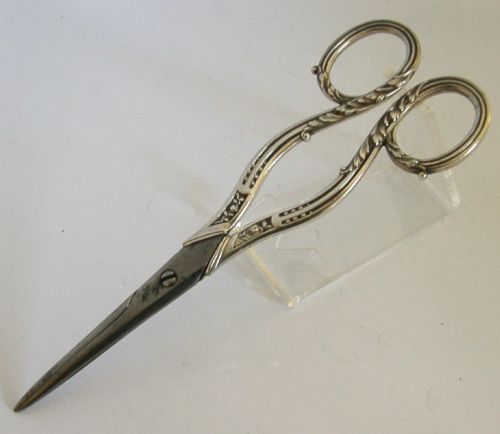
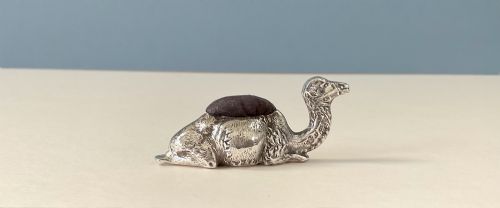
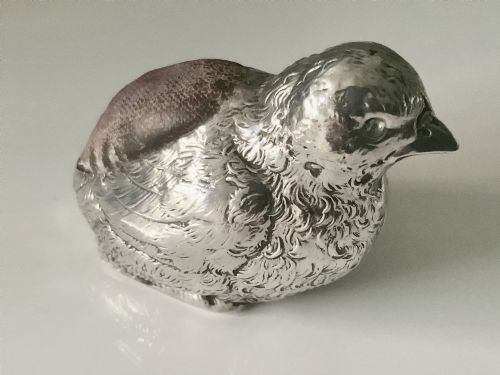
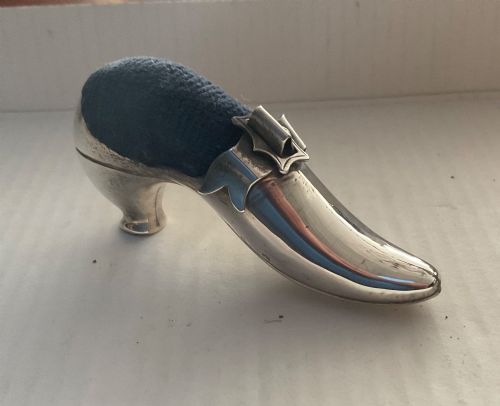
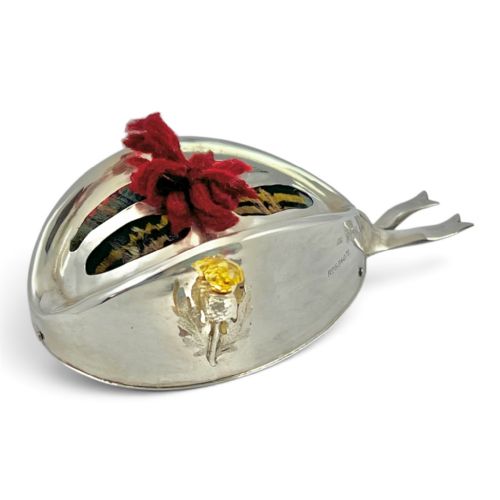
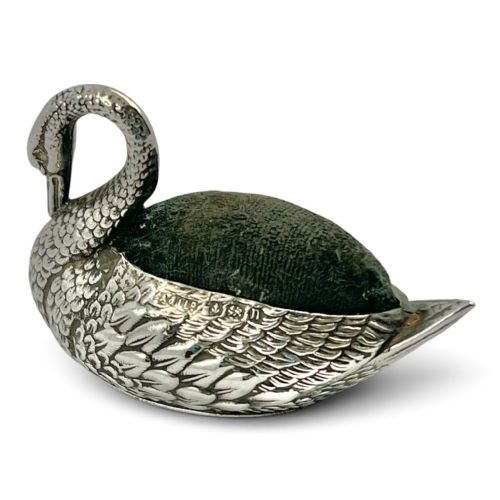
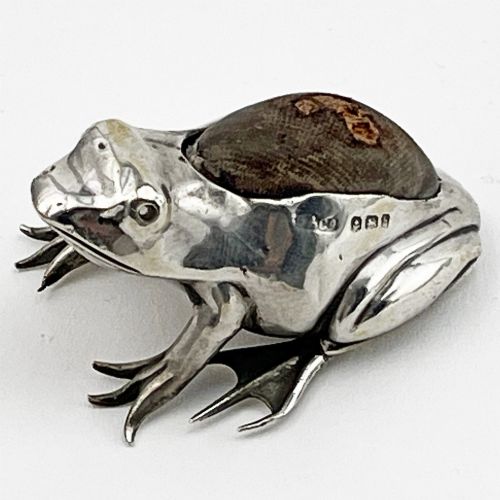
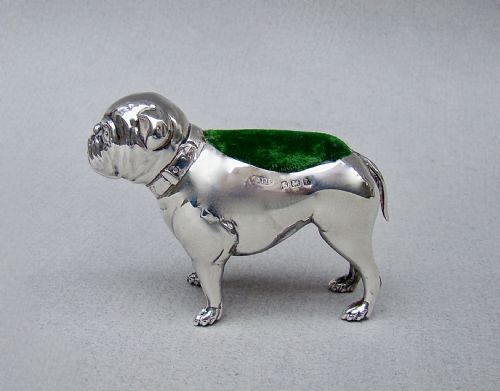
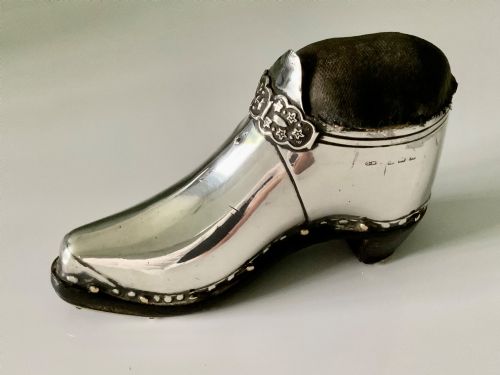
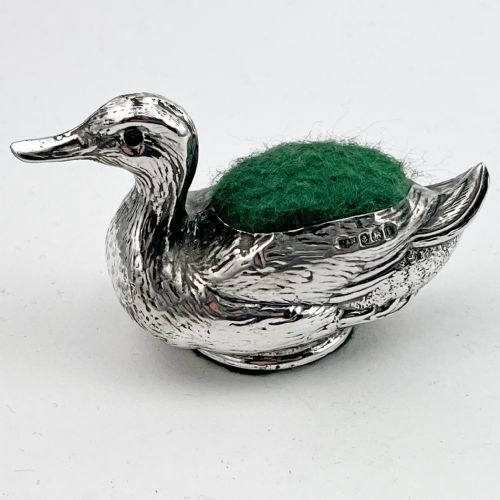
Edwardian sewing accessories comprise pin cushions, thimbles, thimble cases, scissors, cotton holders, thread holders, and hat pin cushion stands designed to assist with needlework. You will frequently encounter figural pin cushions modelled as animals, footwear, and vehicles alongside fitted containers.
The objects span periods from the Victorian era through the Edwardian years into George V, with distinct manifestations in silver, velvet, fabric, and mother of pearl. Novelty forms dominate the selection, translating domestic or exotic subjects into miniature metal sculptures.
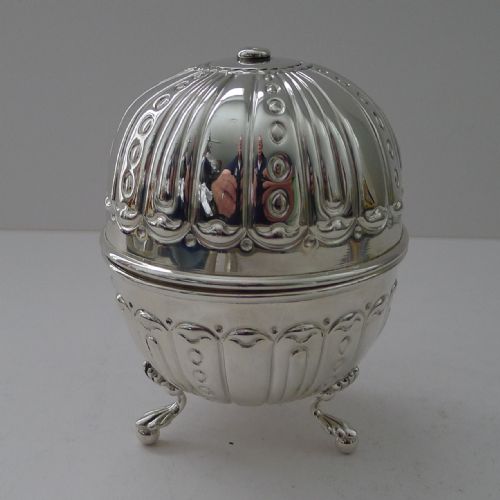
Makers and silversmiths of the early twentieth century produced these pieces in forms such as swans, pigs, shoes, wheelbarrows, and coal scuttles. Such items served practical domestic functions on dressing tables and writing desks while offering whimsical decoration.
What varies in quality
The integrity of the original fitted textiles, such as coloured velvet or wool inserts within silver frames, affects the desirability of a piece. Well-preserved fabric that matches the age of the silver mounting holds greater interest.
Maker attribution and legible hallmarks provide a clear measure of distinction among similar objects. Pieces bearing marks from recognised workshops carry established standards of silversmithing.
Listings feature silver, velvet, wool, felt, and mother of pearl across periods including Victorian, Edwardian, and George V.
Adie & Lovekin·Sampson Mordan & Co.·Charles Horner·Artificer's Guild
The Edwardian Sewing Accessories Glossary
- Novelty pin cushion
- A pin cushion fashioned into an amusing or unusual shape, such as an animal, vehicle, or household object, rather than a standard geometric form. These miniature sculptures form a major category of sewing antiques.
- Chatelaine
- A decorative belt hook suspended with chains used to carry household and sewing implements like scissors, thimbles, and keys. They kept essential tools immediately accessible to the wearer.
- Repoussé
- A metalworking technique where the silversmith hammers the metal from the reverse side to form raised relief designs on the front. This method created decorative scrollwork and surface texture.
- Hallmark
- A series of official marks stamped onto precious metals indicating the standard of silver, the assay office, and the year of manufacture. British pieces frequently display these stamps on the base or body.
- Thimble case
- A small protective container designed to hold a sewing thimble when not in use. They often matched the decorative style of accompanying chatelaines or desk accessories.
Edwardian Sewing Accessories: Frequently Asked Questions
What were Edwardian sewing accessories used for?
These items supported domestic needlework, embroidery, and tailoring tasks on dressing tables and sewing desks. Pinned items remained secure in velvet cushions while specialised holders kept threads and thimbles organised.
Beyond utilitarian tasks, novelty pieces provided conversational decoration for Victorian and Edwardian parlours. Their whimsical forms brought humour to daily sewing routines.
How do I identify an Edwardian pin cushion?
Look for solid silver or sterling silver bodies shaped into figural models such as pigs, bears, birds, shoes, and coal scuttles. Many feature hallmarks from British assay offices dating from the early twentieth century.
The presence of original fitted velvet, wool, or fabric inserts helps confirm the domestic sewing purpose. Makers often stamped their registered marks directly onto the silver mount.
Are these silver pieces marked with hallmarks?
British silver items from this period typically bear standard assay office marks, maker's marks, and date letters stamped into the metal. These stamps indicate the purity of the silver and the year of creation.
Miniature items sometimes display partial hallmarks due to their small surface area. Consulting reference guides helps decode these stamped symbols.
How should I care for antique silver sewing items?
Keep silver surfaces clean using appropriate soft cloths without abrasive polishes that might wear down fine chased details. Avoid harsh chemical dips that can damage integrated textiles.
Protect original velvet and fabric inserts from moisture and direct sunlight to prevent fading and deterioration. Store items in stable atmospheric conditions away from excessive humidity.