


London Silver Tobacco Box
A London silver tobacco box is a portable piece of metalwork made to hold leaf, and these Georgian and Victorian examples show the finest silversmithing of their eras.
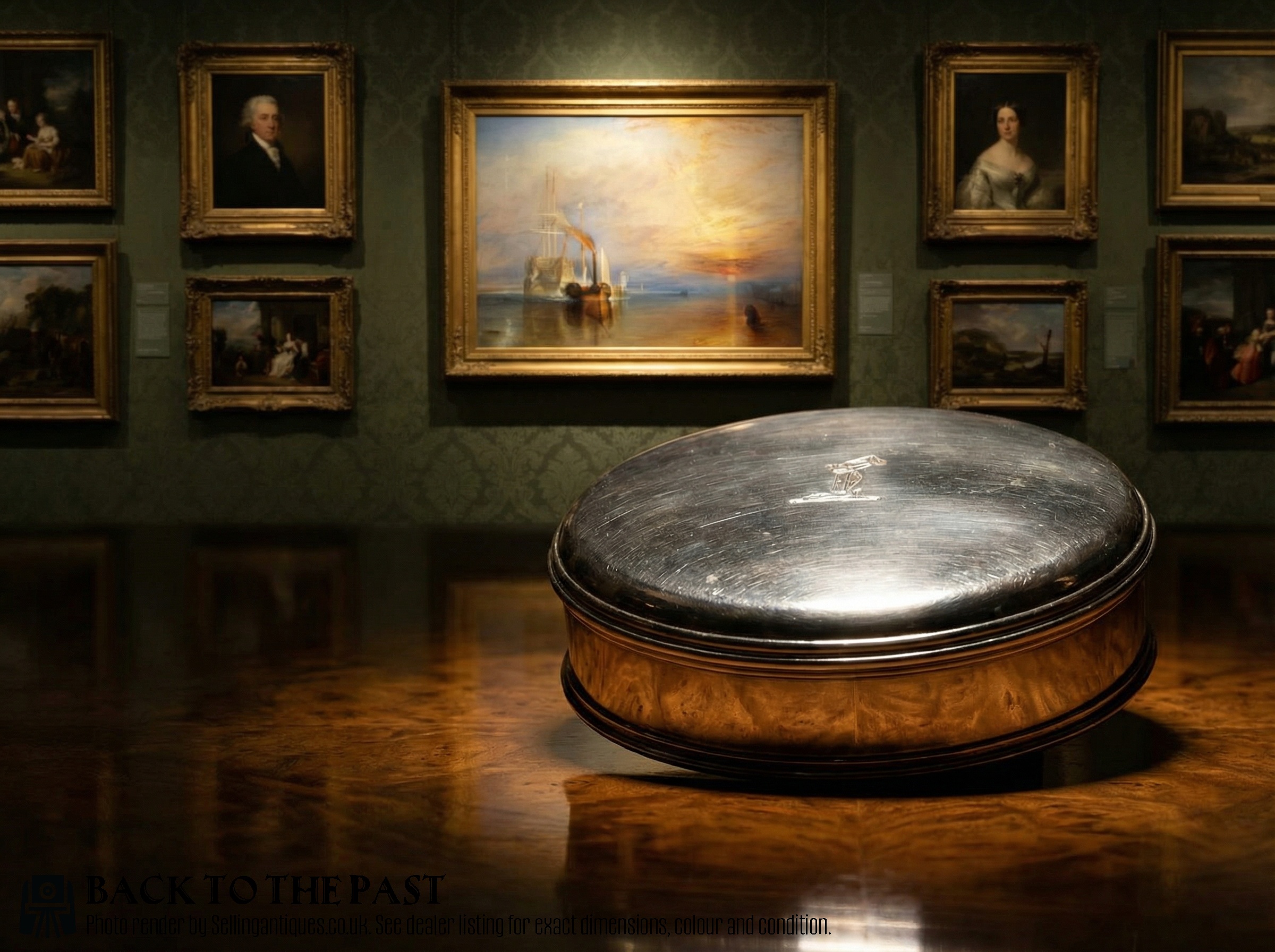
London Silver Tobacco Box
A london silver tobacco box encompasses pocket-sized vessels and larger desk containers made in the capital during the Georgian, Victorian, and Edwardian periods. Buyers searching this phrase will find a mix of snuff boxes, cigar cases, cigarette cases, and humidor cigar boxes alongside traditional tobacco receptacles.
The pieces on this page span from the late eighteenth century through to the early twentieth century, showing both functional smoking containers and decorative pocket boxes. Most examples originate from the Victorian and Georgian eras, reflecting the high output of London silversmiths during those periods.
Materials and construction
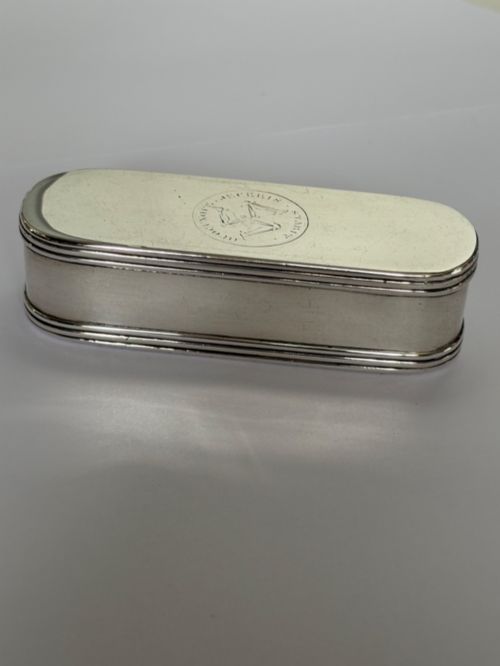
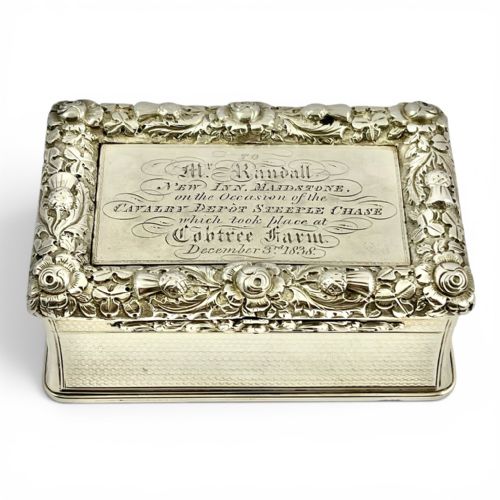
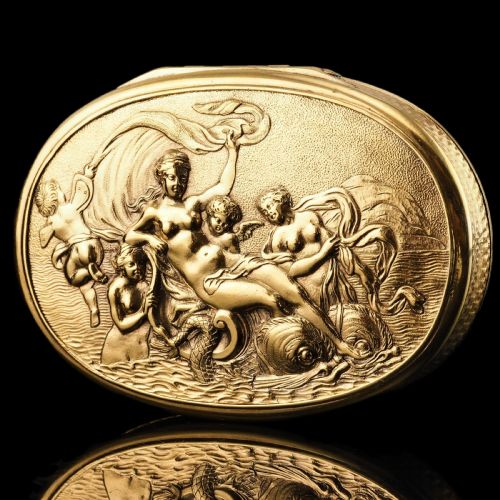
Silversmiths utilised sterling silver and silver gilt, applying vermeil or gold vermeil finishes to interior surfaces to protect the metal from the corrosive oils of tobacco leaves. Heavier items often feature cast acanthus borders and detailed repoussé or engraved scenes.
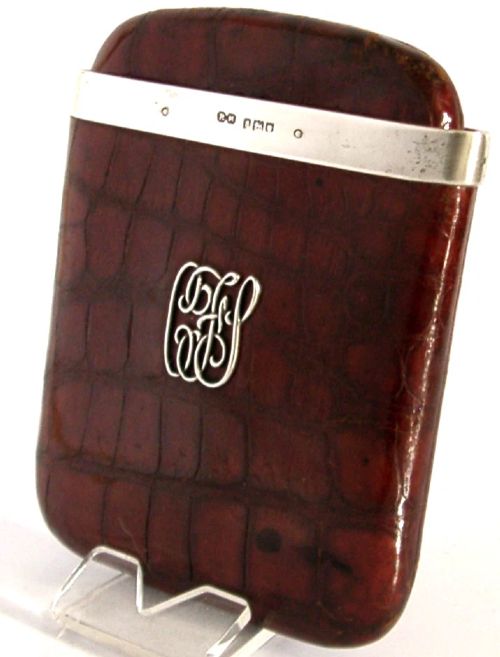
Beyond metalwork, certain pieces incorporate natural materials such as crocodile leather and crocodile skin, combining hard silver frames with flexible organic coverings to create textured pocket cases.
The listings span sterling silver, silver gilt, and vermeil, alongside unexpected organic textures like crocodile leather.
Judging the work
Quality rests upon the crispness of the chased decoration, the depth of the cast borders, and the precision with which hinged lids close against their body frames. Pieces featuring detailed pictorial scenes or armorial crests demand greater skill from the silversmith than plain polished surfaces.
The weight of the solid silver and the preservation of internal gilt surfaces also mark out superior examples. Finer boxes maintain tight hinges and clear hallmarks that testify to London workshop standards.
Cornelius Bland·Wright and Davies·Edward Edwards·James Phipps I
The London Silver Tobacco Box Glossary
- Sterling silver
- A silver alloy containing 92.5 percent pure silver and 7.5 percent other metals, usually copper. This standard composition provides the durability required for pocket containers.
- Silver gilt
- Sterling silver that has been coated with a thin layer of gold on its surface. This technique prevents the silver from tarnishing when in direct contact with tobacco.
- Vermeil
- A thick layer of gold plated over sterling silver. It offers a rich golden appearance and protects the interior metal from acidic residues.
- Repoussé
- A metalworking technique where the silversmith hammers the metal from the reverse side to form a raised design in relief. This creates decorative pictorial scenes on box lids.
- Acanthus
- A classical ornamentation motif based on the foliage of the Mediterranean acanthus plant. Silversmiths cast these leaf patterns into heavy decorative borders.
London Silver Tobacco Box: Frequently Asked Questions
How do I date a silver tobacco box?
Dating relies on the official London assay office hallmarks stamped into the metal, which include date letters and maker's marks. Stylistic clues such as cast acanthus borders or engraved armorial crests also point to specific periods like the Georgian or Victorian eras.
Examining the construction methods, such as the hinge style and lid fit, helps narrow down the decade of manufacture.
Can I still use these antique boxes for tobacco?
While these boxes were built to carry leaf, cigars, or snuff, many collectors choose to display them as decorative art objects rather than for daily use. Modern pocket storage differs from historical requirements.
If used, silver-gilt interiors help protect the metal from tobacco oils, but careful handling preserves the antique hinges and delicate chased surfaces.
Why are some boxes lined with gold?
The gold finish, known as silver gilt or vermeil, acts as a protective barrier between the silver and the moist tobacco or snuff. Tobacco leaves contain acids that can tarnish and pit bare sterling silver over time.
Gilding the interior kept the metal clean and added a layer of luxury to the piece.