





Georgian Silk Needlepoint
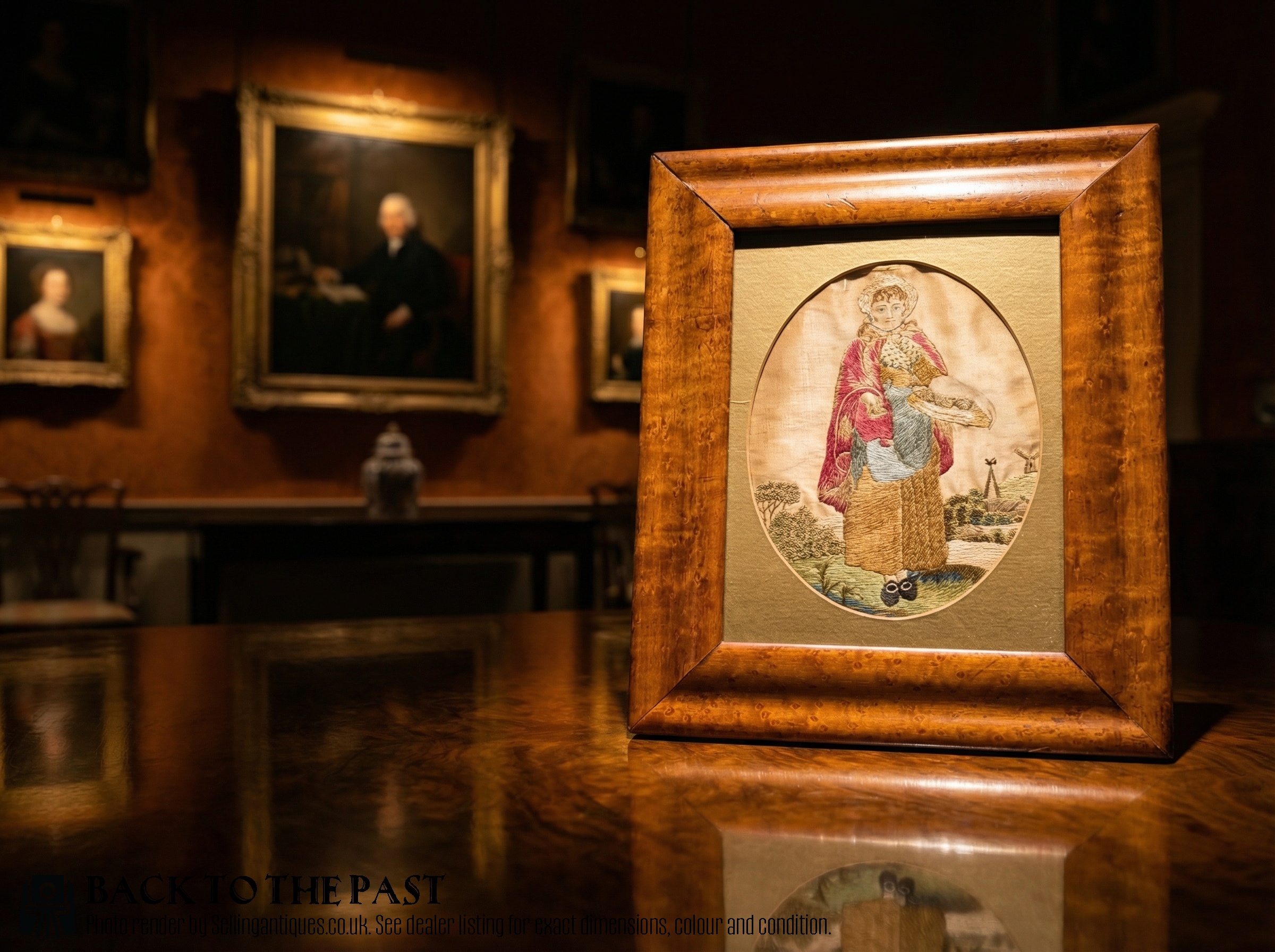
Georgian silk needlepoint comprises delicate historical textiles and embroidered pictures framed for display, offering a tangible connection to domestic artistry from past centuries.
Georgian Silk Needlepoint
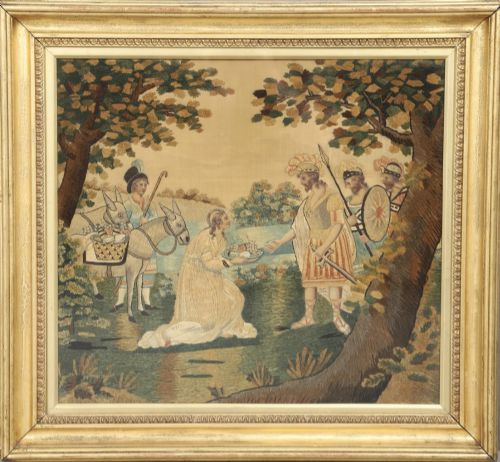
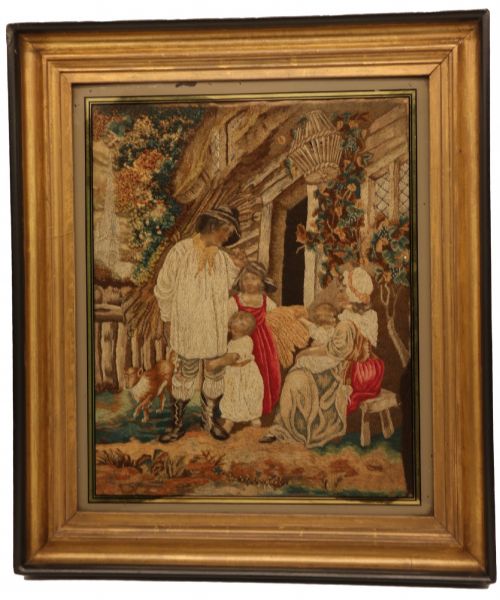
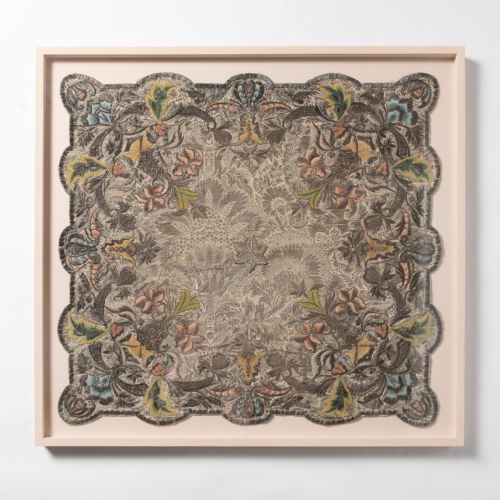
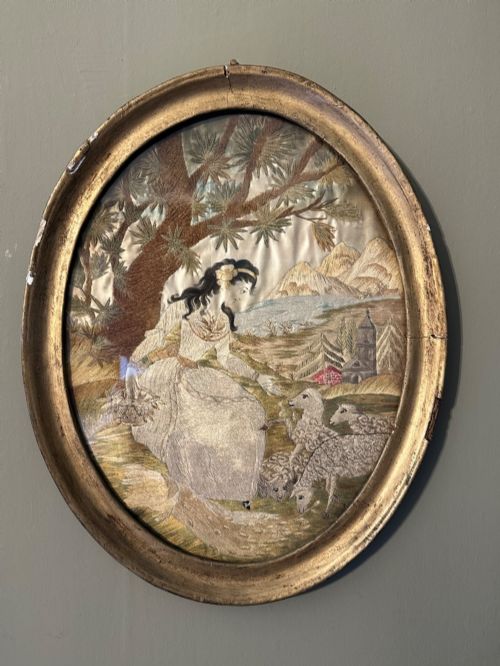
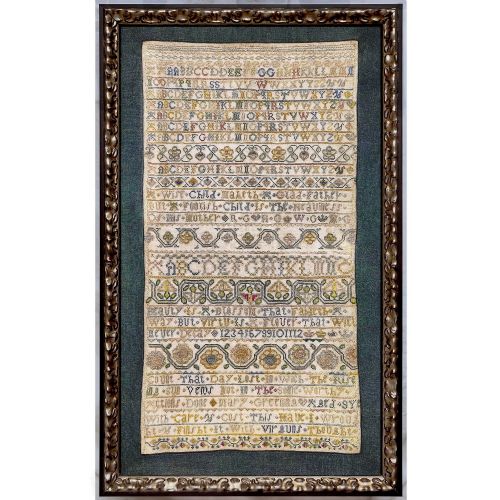
When you search for georgian silk needlepoint, you encounter antique textile art that primarily spans the eighteenth and nineteenth centuries. These pieces encompass framed wall art, pastoral scenes, maps, and detailed samplers worked by young makers.
The selection ranges from early eighteenth-century band samplers to Regency silk pictures and nineteenth-century needlework panels. Many examples depict figures, gardens, or geographical subjects preserved behind glass in period frames.
Materials and Construction
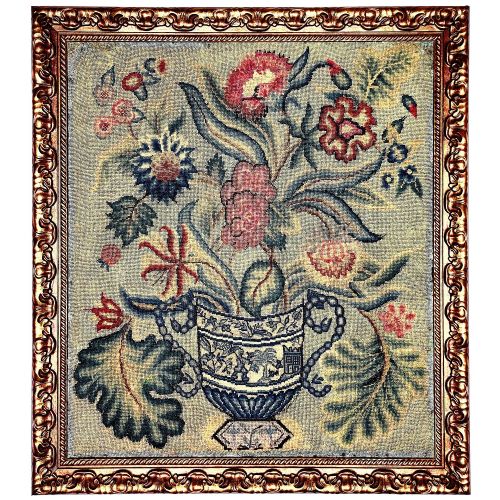
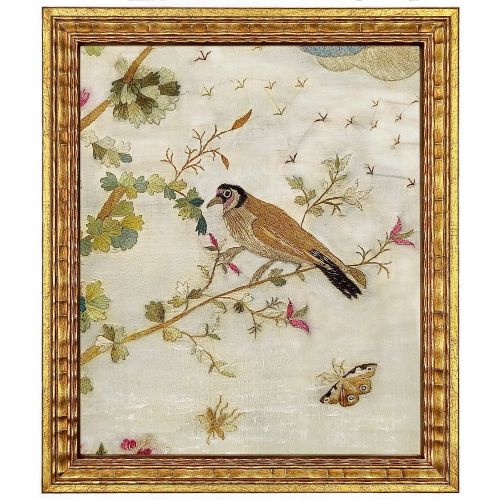
These works are executed using silk thread, wool, and linen grounds, frequently incorporating hand-painted elements on silk alongside fine needlework. Artisans employed varied stitches, including long stitch and crewel work, often augmenting designs with beads.
Many surviving examples are housed in original surrounds such as verre églomisé frames, oval giltwood frames, or water-gilded timber housings. The combination of delicate textiles and specialised framing protects the fragile silk embroidery from atmospheric damage.
Georgian Silk Needlepoint Retail Price Guide 2026
Typical asking prices for georgian silk needlepoint among the pieces listed under this phrase on Sellingantiques today, from the lower quarter to the upper quarter. They describe what is for sale here now, not the wider market.
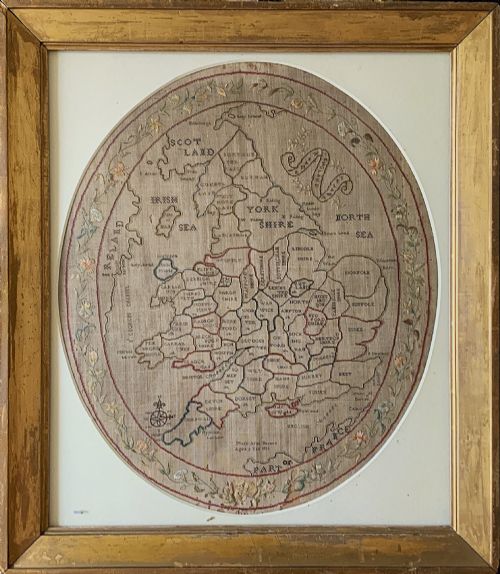
Mary Banion stitched an entire map of England and Wales at age nine, proving historical geography homework required serious needlework stamina.
Assessing Quality and Execution
The standard of a piece rests on the precision of the needlework and the complexity of the pictorial composition. Works depicting narrative scenes, detailed maps, or pastoral farming subjects demonstrate higher technical ambition than simpler band samplers.
The survival of original framing components, such as mezzotint black glass and period giltwood surrounds, elevates the integrity of the object. Condition also depends on the preservation of the delicate silk floss and the legibility of any stitched inscriptions.
Mary Banion·Mary Greening·Louiss Elkins·Elizabeth Horn·Mary Mason·Martha Hall·Mary Street Didsbury·Susan Mary Williams
The Georgian Silk Needlepoint Glossary
- Sampler
- A piece of needlework produced by a beginner or child to demonstrate mastery of various stitches and alphabets. They frequently include dates, maker names, and motifs such as maps or houses.
- Verre Églomisé
- A process of applying gold or silver leaf to glass together with engraving and painting, commonly used for decorative borders on historical frames. This technique provides a dark, reflective border that complements silk embroidery.
- Bell Pull
- A long, narrow hanging strap connected to a mechanical bell system in large houses. Examples in silk and beadwork combine utilitarian function with decorative textile artistry.
- Giltwood
- Timber carved and coated with gold leaf or a gold-coloured finish. It is frequently found on the frames housing eighteenth and nineteenth-century needlework pictures.
- Crewel Work
- Embroidery executed with wool yarn on a linen or cotton ground. It appears on domestic textile pieces from the period.
Georgian Silk Needlepoint: Frequently Asked Questions
What is a georgian silk needlepoint?
These works are historical embroidered pictures and samplers created using silk thread on linen or canvas grounds. They document domestic craft traditions from the eighteenth and nineteenth centuries.
Most examples are preserved behind glass in period frames, depicting everything from cartographic maps to pastoral scenes and floral motifs.
How were these textile pieces displayed?
Historical needleworks were typically framed for hanging on domestic walls to showcase the skill of the maker. Some specialised items, such as bell pulls, were mounted near fireplaces or doorways for functional use.
Other textiles were incorporated into furniture like pole screens, protecting the delicate silk from direct handling while adding colour to a room.
How do I care for antique silk needlework?
Protect fragile silk threads and painted elements by keeping pieces away from direct sunlight and high humidity. Maintaining stable indoor temperatures prevents the degradation of antique linen grounds and wooden frames.
Ensure that any hanging hardware is secure, and avoid opening sealed historical frames to protect the textile from dust and atmospheric pollutants.
How can I tell the age of a needlework picture?
Dating relies on inscribed names and dates, stylistic clues in the clothing or depicted subjects, and the materials used in the framing. Samplers often record the age of the maker and the year of creation directly on the textile.
Construction details of the backing boards, glass types such as verre églomisé, and framing profiles provide further confirmation of the period.