

Georgian Side Cupboard
When you search for a georgian side cupboard, you uncover versatile timber storage pieces built for domestic service, dining rooms and bedrooms.
Georgian Side Cupboard
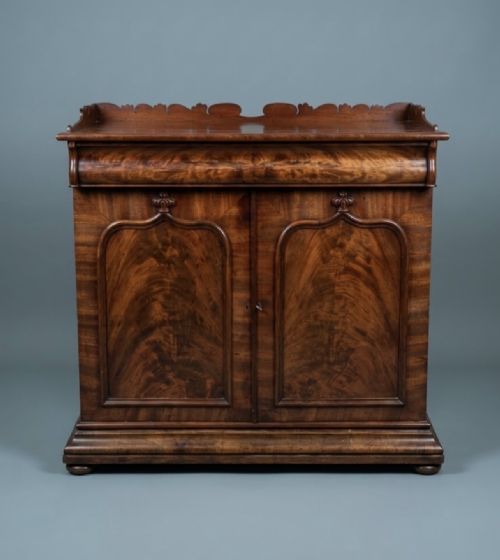
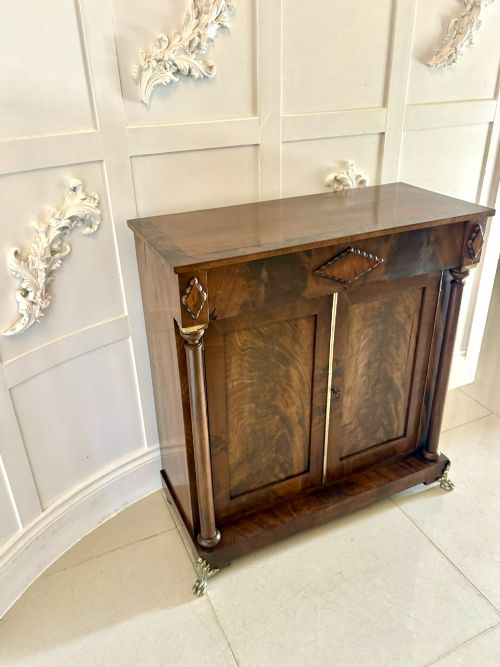
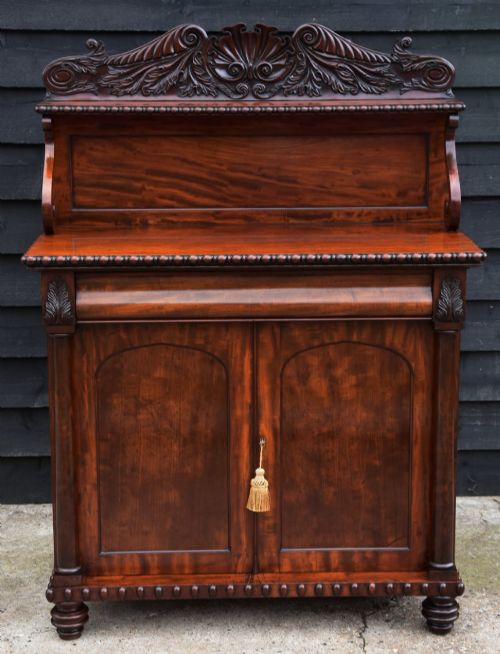
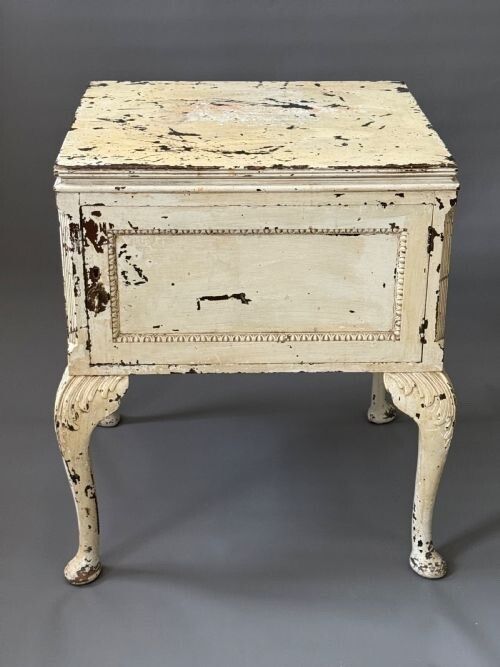
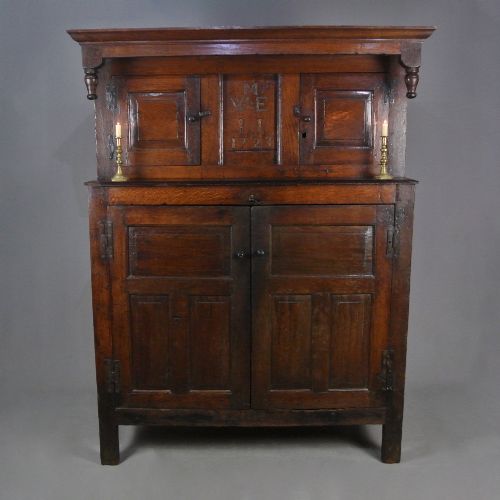
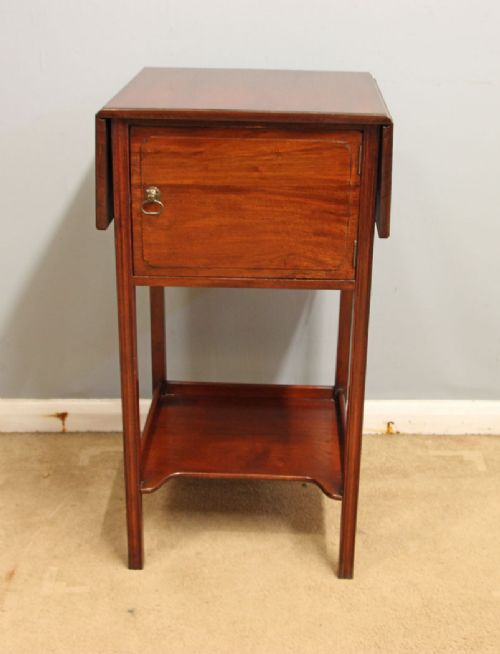
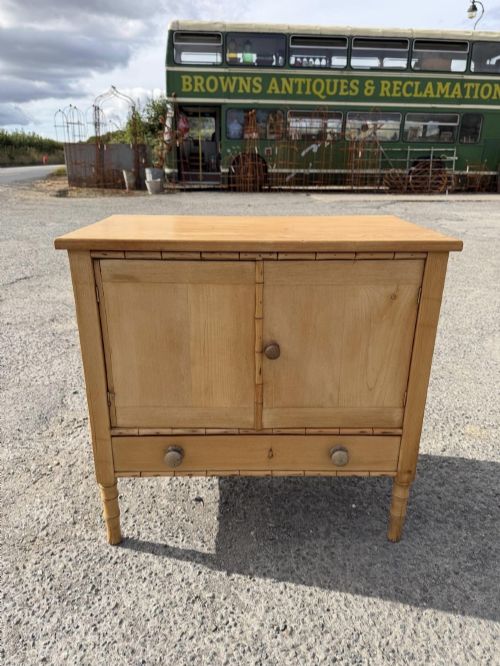
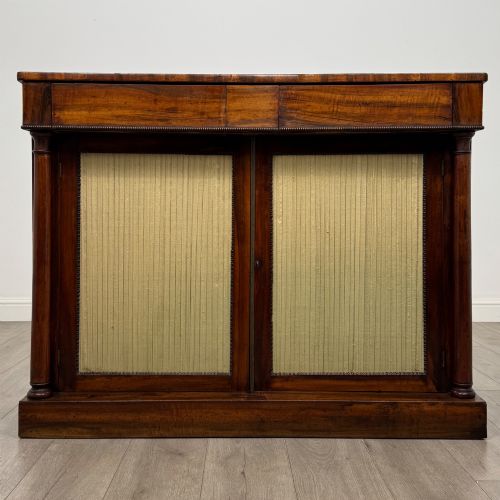
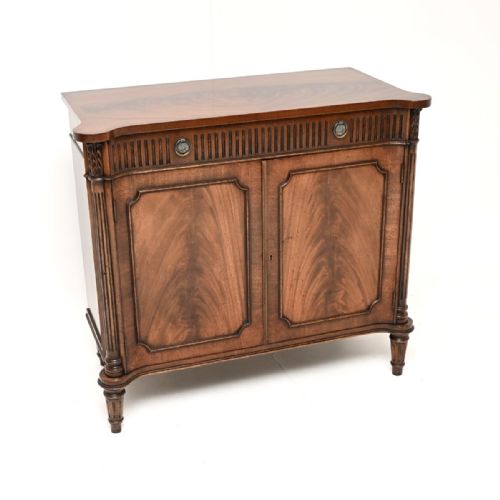
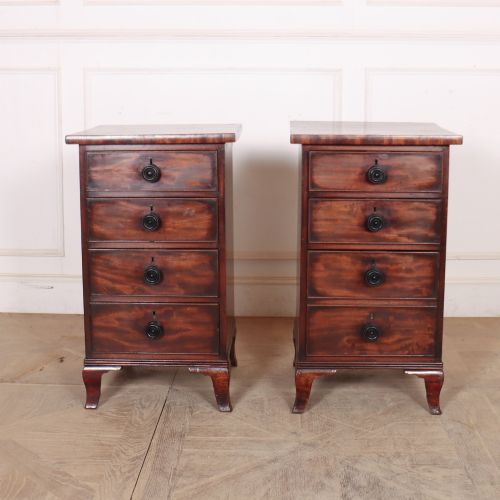
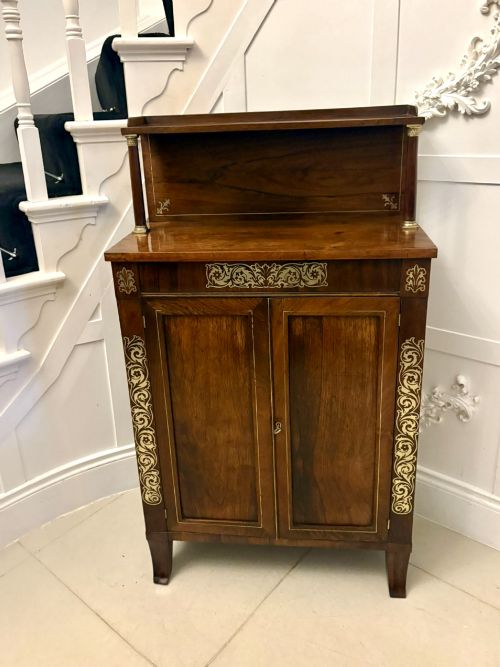
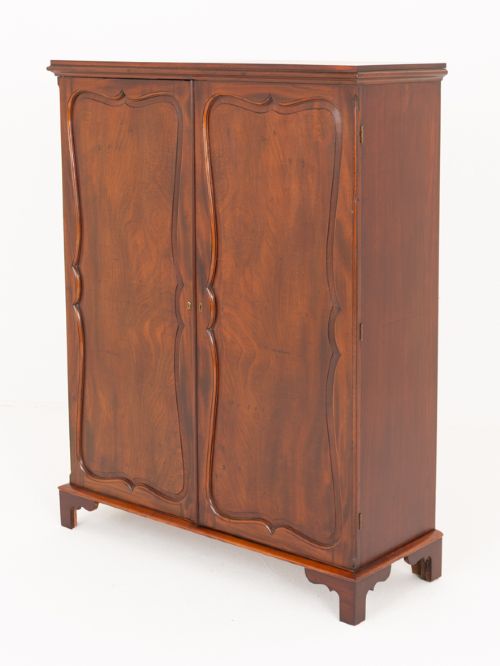
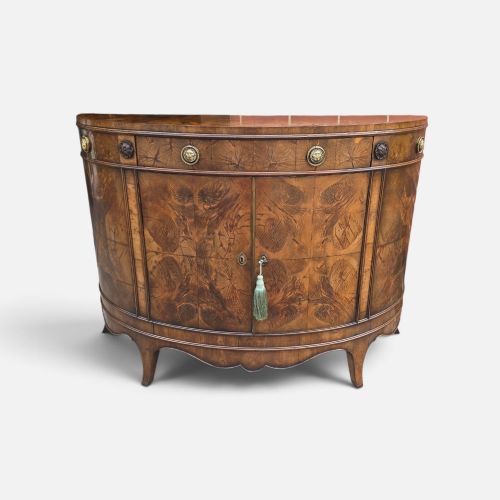
A georgian side cupboard encompasses a diverse group of practical wooden furniture designed for storage and display across domestic spaces. Pieces range from compact bedside night tables and pot cupboards to larger two-door side cabinets, chiffoniers, and oak dresser bases.
The selection encountered spans authentic 18th-century pieces alongside later revivals from the 19th and early 20th centuries, including Sheraton and Regency interpretations. Mahogany remains the dominant timber, accompanied by oak, walnut, satinwood, and rosewood.
Materials and Technique
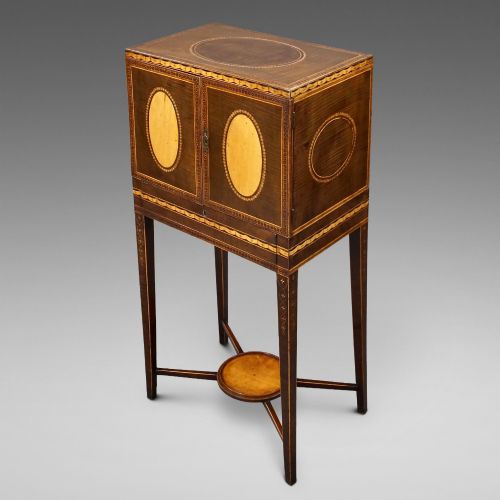
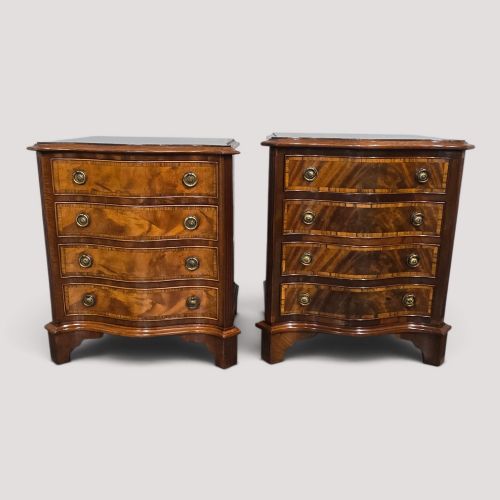
Cabinetmakers utilised dense timbers such as mahogany, oak, and walnut, frequently selecting figured veneers and flame mahogany for visible surfaces. Inlaid decoration incorporated satinwood, harewood, ebony, and brass mounts to accentuate panel lines and borders.
Construction relied on traditional joinery methods, visible in dovetailed drawer boxes, panelled cupboard doors, and turned or bracket feet. Secondary timbers like pine supported internal framing and drawer linings.
Many a polite 18th-century bedroom hosted a discreet pot cupboard, guarding its porcelain secret behind a locked mahogany door.
Judging Quality
The standard of a georgian side cupboard rests upon the selection of timber grain, the crispness of inlaid banding, and the integrity of the original construction. Superior examples display balanced proportions, harmonious wood matching across doors and drawers, and minimal timber shrinkage.
Refined pieces often retain original brass hardware, working locks, and secondary woods appropriate to their period. Alterations to feet, replaced tops, or heavy refinishing distinguish domestic utility pieces from master cabinet work.
Gillows·Ince and Mayhew·Maple and Co
The Georgian Side Cupboard Glossary
- Chiffonier
- A low sideboard or cabinet, popular during the Regency period, often fitted with shelves or a raised back. These pieces typically incorporated brass gallery rails or intricate inlay.
- Pot cupboard
- A small bedside cabinet designed originally to enclose a chamber pot. They frequently feature enclosed cupboards above a lower shelf or drawer.
- Flame mahogany
- Timber cut at an angle to the growth rings to produce a distinctive, flickering flame-like pattern. Cabinetmakers used this veneer on primary display surfaces.
- Marquetry
- Decorative woodwork where pieces of various coloured woods are fitted into a veneer to form geometric or floral designs. This technique appeared frequently on satinwood and mahogany revival furniture.
- Bracket foot
- A furniture foot formed by two mitred pieces meeting in a corner, shaped in an ogee or simple curve. It supports many case pieces from the 18th century onwards.
Georgian Side Cupboard: Frequently Asked Questions
What is a georgian side cupboard used for today?
These compact storage pieces function well as bedside tables, lamp chests, or hallway units. Their enclosed cupboards and drawers provide concealed storage for modern household items while maintaining period character.
Larger variations serve as living room sideboards or dining room serving surfaces. Their diverse proportions allow them to fit narrow hallways and alcoves where modern furniture might overwhelm the space.
How do I distinguish 18th century from revival pieces?
Authentic 18th-century pieces display timber shrinkage, hand-cut dovetails, and secondary woods consistent with regional British workshop practices. Tool marks left by hand saws and planes differ markedly from the uniform machining seen later.
Revival pieces from the Edwardian era or 1920s often utilise machine-sawn internal timbers and standardised fixings while faithfully copying earlier Sheraton or Georgian styles. Examining carcass construction and internal drawer linings clarifies the true manufacturing era.
What woods were commonly used in these cabinets?
Mahogany served as the primary timber for high-end dining and bedroom furniture throughout the period, valued for its stability and rich dark colour. Oak appeared frequently in earlier country pieces, dresser bases, and simpler kitchen cupboards.
Satinwood and rosewood emerged in decorative pieces, particularly during the Regency and later revival periods. Walnut also featured strongly in earlier cabinets before mahogany gained dominance.
How should I care for antique mahogany furniture?
Keep wooden cabinets away from direct sunlight and heat sources to prevent timber splitting and veneer lifting. Maintaining a stable indoor humidity protects the original polish and structural joints.
Apply traditional beeswax sparingly and buff with a soft cloth to nourish the wood surface. Avoid modern silicone sprays or wet cloths that damage aged French polish.