
Georgian Serving Spoon
Choosing a georgian serving spoon brings substantial silver and pewter utensils spanning the eighteenth and nineteenth centuries into modern dining.
Georgian Serving Spoon
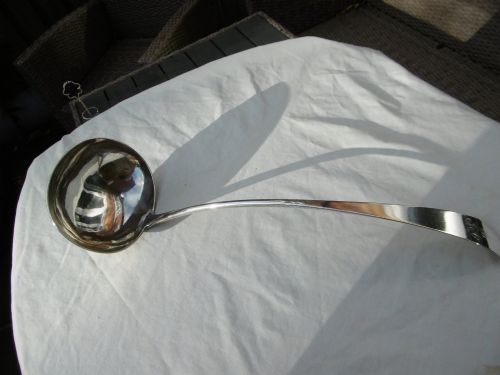
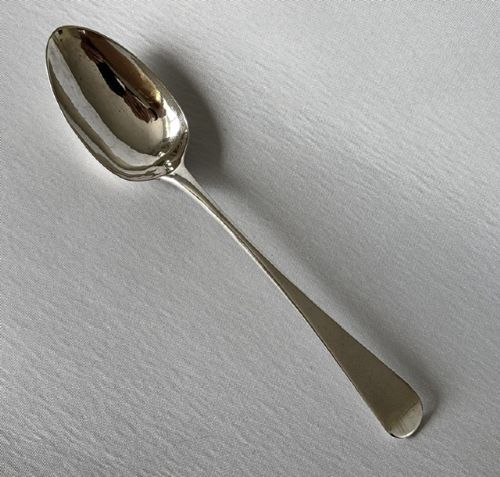
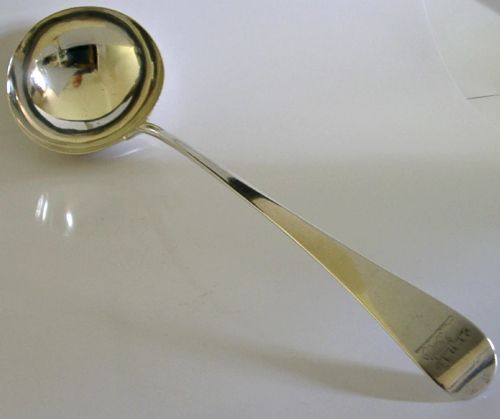
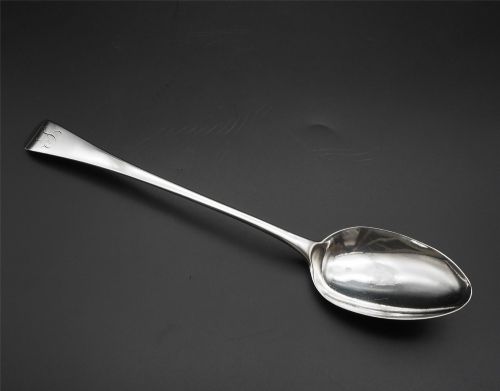
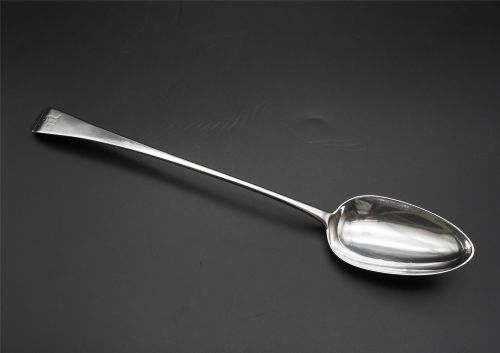
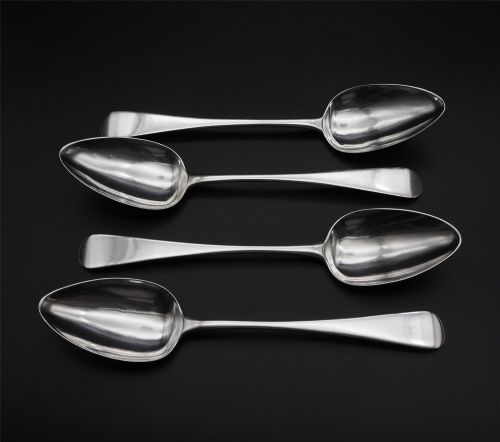
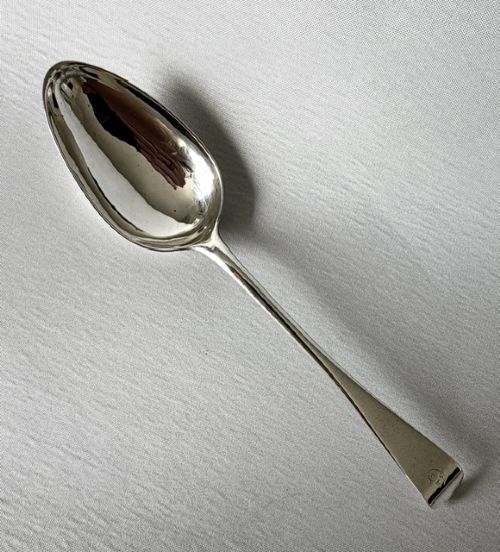
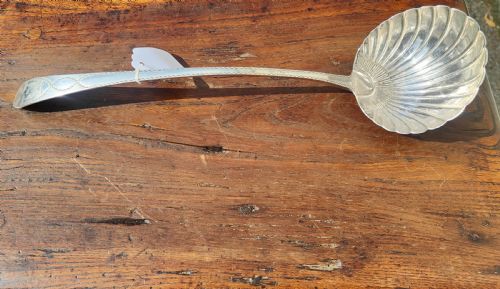
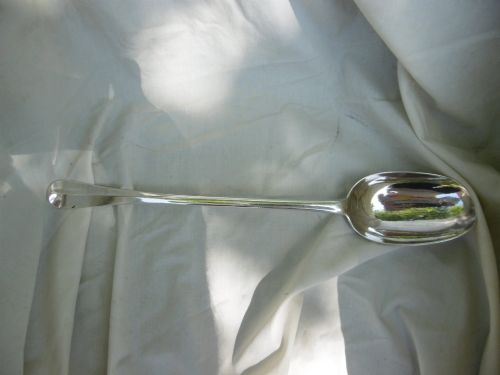
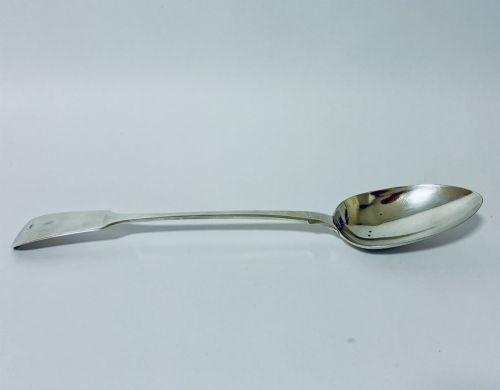
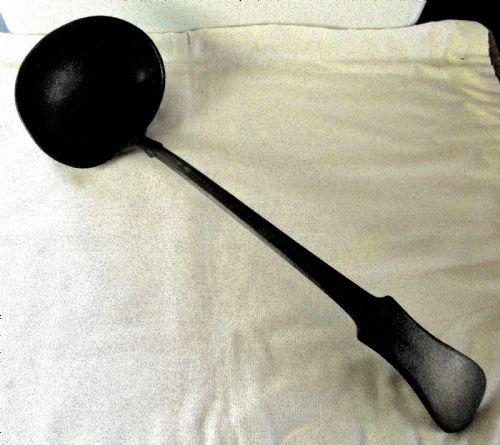
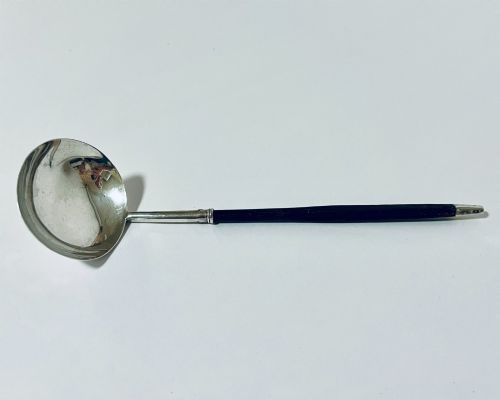
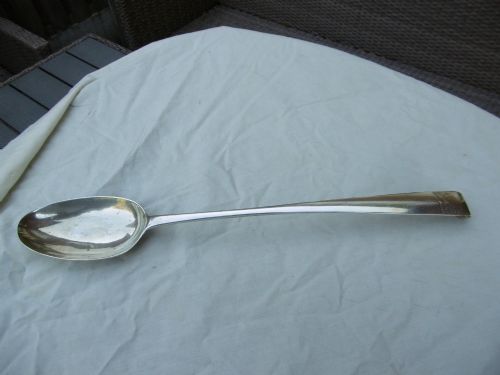
A georgian serving spoon encompasses large flatware items including basting spoons, hash spoons, soup ladles, and punch ladles made during the 18th Century and 19th Century.
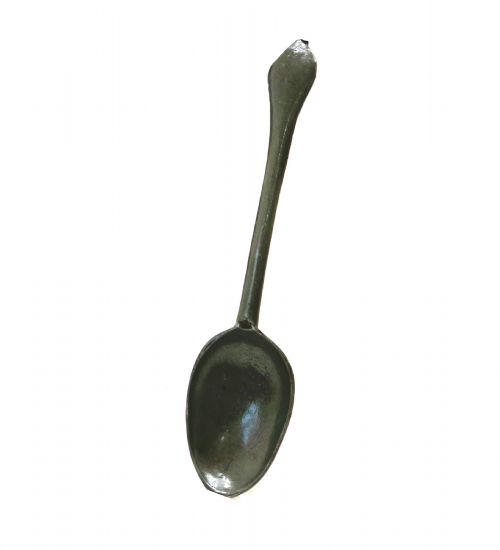
Buyers frequently encounter sterling silver examples bearing London, Exeter, Newcastle, Dublin, or Scottish provincial hallmarks alongside earlier pewter and metalware forms.
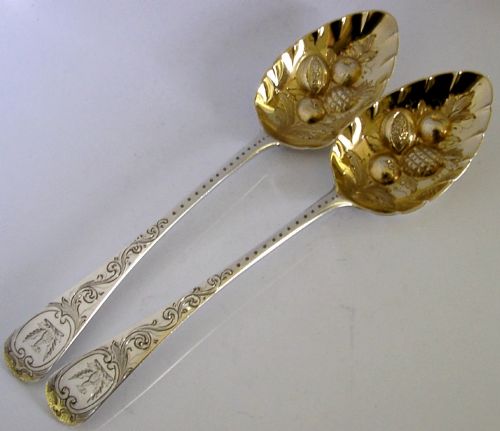
These utensils served grand dining tables for portions of meat, soup, and punch, often featuring crests or later decorative fruit and berry chasing.
How They Were Made
Makers shaped sterling silver and Britannia standard metal through hammering and casting, producing heavy bowls and robust handles in patterns such as Old English or Celtic Point.
Some silver pieces received parcel gilding or later retrofitted fruit chasing, while pewter and metalware versions utilised traditional foundry methods.
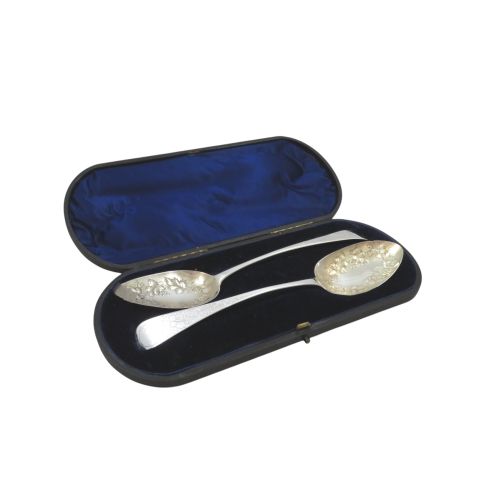
Fitted presentation cases lined with velvet, silk, or leatherette accompanied many pairs of spoons intended for gifting or storage.
Some birds depicted on berry spoons look remarkably fierce, as though guarding the fruit from hungry diners.
What Varies in Quality
The weight and thickness of the metal dictate the durability and substance of the spoon, distinguishing substantial basting utensils from lighter table spoons.
The clarity of makers' marks and town hallmarks impacts desirability, alongside the presence of original family crests or engraved family crest detailing.
Associated velvet and silk lined presentation cases add distinction to paired sets, particularly when makers from renowned silversmithing families created them.
Peter and Jonathan Bateman·Hester Bateman·Andrew Archer·Dixon and Son·John Craig·Jonathan Hayne·Peter and Anne Bateman·William Chawner II·William Scarlett·James Tookey·John Locker·John Wilks·Paul Storr·R Hennell
The Georgian Serving Spoon Glossary
- Hallmark
- Official marks stamped on precious metals indicating the maker, assay office, and year of production. These stamps provide a reliable method for dating silver spoons.
- Basting spoon
- A large utensil used to spoon juices over meat during roasting. They measure longer than standard tablespoons and double as general serving pieces.
- Berry spoon
- A serving spoon decorated with fruit and leaf chasing, often added to older spoons during the Victorian era. The bowls frequently feature parcel gilt surfaces.
- Hash spoon
- An exceptionally large serving spoon designed for portions of hash or stew. Examples from the early eighteenth century weigh considerably more than standard cutlery.
- Marrow scoop
- A narrow silver implement with a trough on each end for extracting marrow from bones. These appear alongside serving utensils in dining collections.
Georgian Serving Spoon: Frequently Asked Questions
How were georgian serving spoons used?
These large utensils transferred portions of meat, soup, gravy, and punch from communal vessels to individual plates during formal meals.
Heavier basting and hash spoons managed roasting joints, while ladles handled liquids at the dining table.
Can you use these spoons daily?
Sterling silver and pewter spoons withstand normal dining use provided they receive careful hand washing.
Avoiding modern dishwashers preserves the antique metal surface and any engraved family crests.
What is a berry spoon?
Berry spoons are serving spoons decorated with embossed fruit, leaves, and chased bird motifs on the bowl.
While many date to the Georgian period, the decorative chasing on numerous examples was added by Victorian silversmiths.
How do you identify the maker?
Makers stamped their initials or full names inside the bowl or along the back of the handle stem.
Assay office marks and date letters alongside these initials reveal the exact town and year of creation.