

Georgian Serving Dish
A georgian serving dish brings the substantial presence of the eighteenth and early nineteenth centuries directly to the table.
Georgian Serving Dish
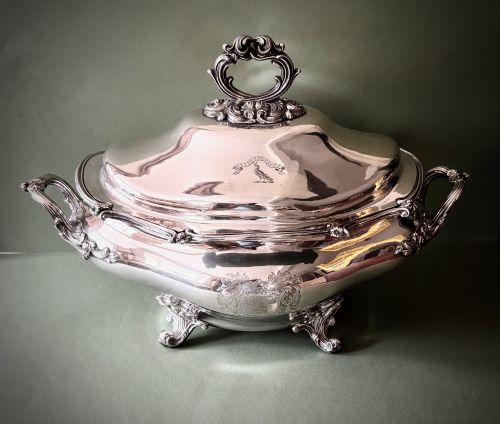
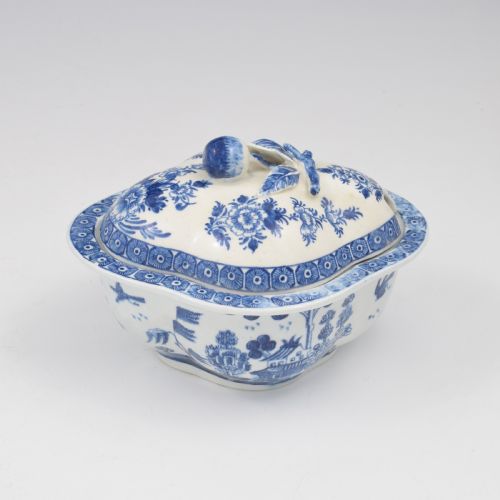
A georgian serving dish encompasses a wide variety of domestic vessels produced for the dining table during the eighteenth and early nineteenth centuries. The selections range from deep tureens and vegetable dishes with covers to expansive platters, chargers, and low comports designed for formal dining.
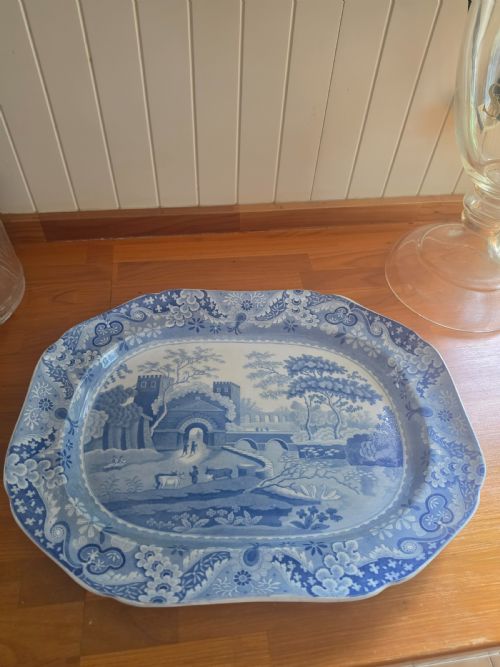
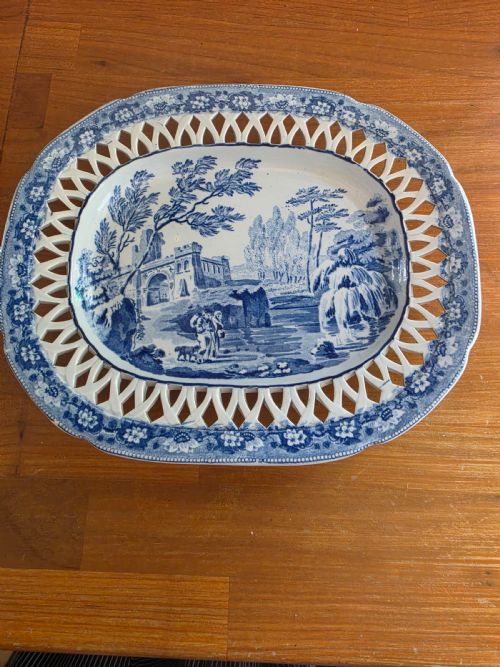
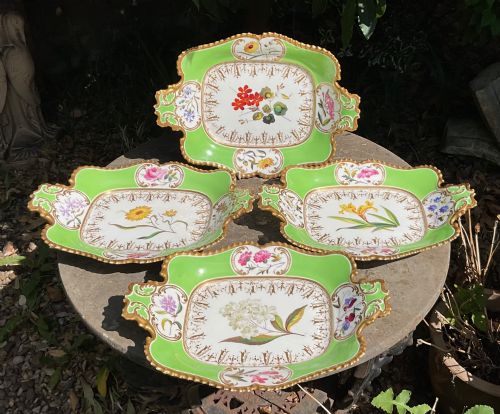
The objects derive from periods spanning the Georgian and Regency eras, alongside later nineteenth-century interpretations of these earlier designs. Buyers encounter everything from blue and white transfer-printed earthenware platters to finely painted porcelain dessert dishes.
Originating predominantly from English potteries and silversmiths, these items reflect the dining habits of the period. Forms such as meat plates, junket dishes, and sauce tureens dominate the available selections.
Materials and Techniques
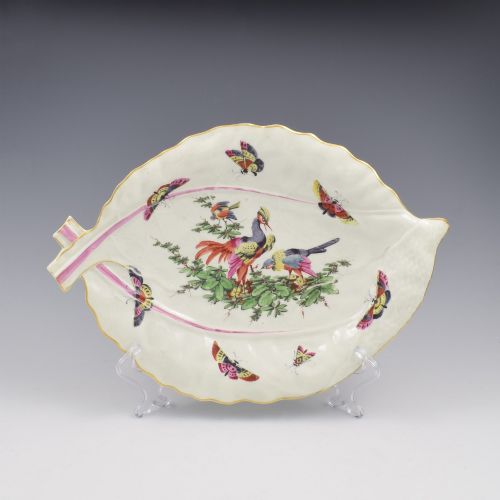
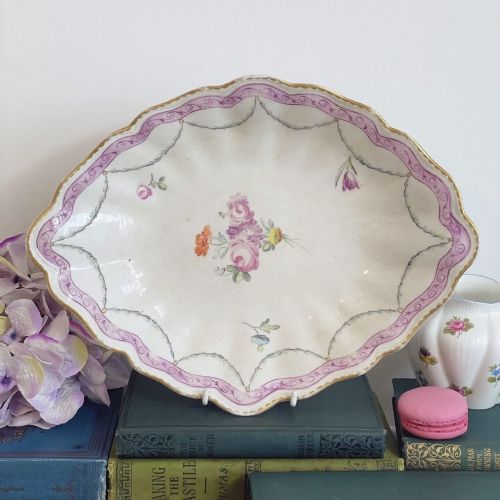
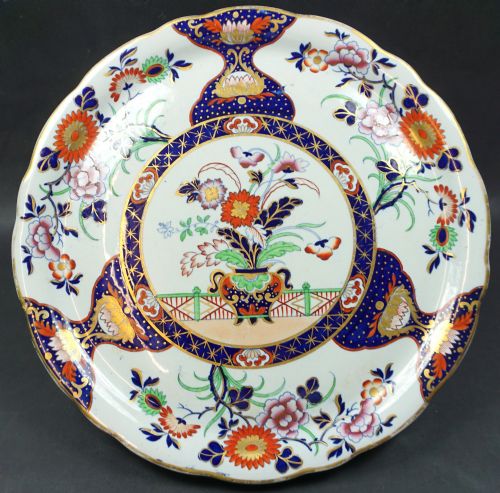
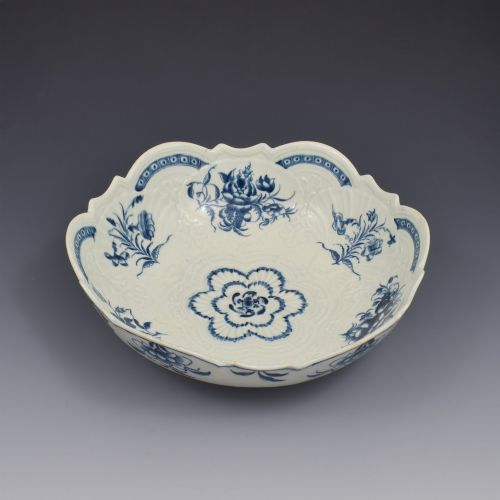
Ceramic pieces rely on earthenware, creamware, ironstone, and soft-paste porcelain shaped by hand or moulded before receiving handpainted polychrome decoration or blue and white transfer printing. Makers like Spode, Wedgwood, and Worcester utilised specialised glazes and high-temperature kilns to fix intricate patterns onto the clay body.
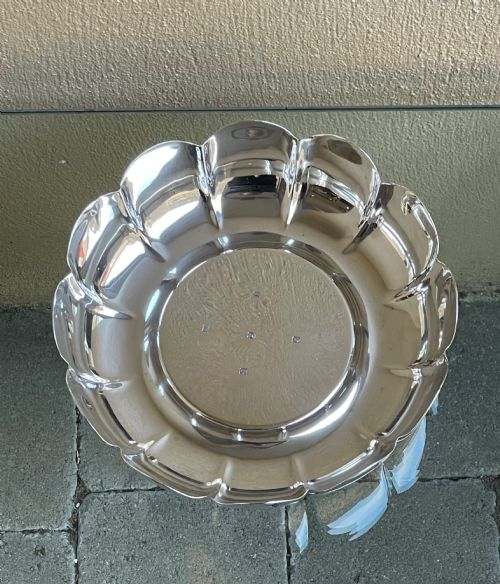
Metal vessels combine sterling silver, old Sheffield plate, and pewter, often formed through hammering, casting, and soldering. Details such as gadrooned rims and armorial engravings demonstrate the high level of metalworking skill employed by silversmiths.
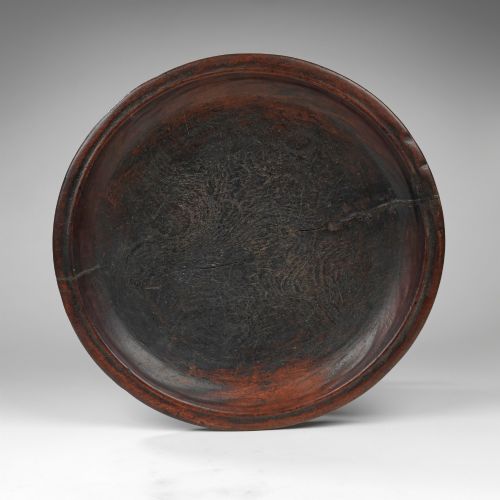
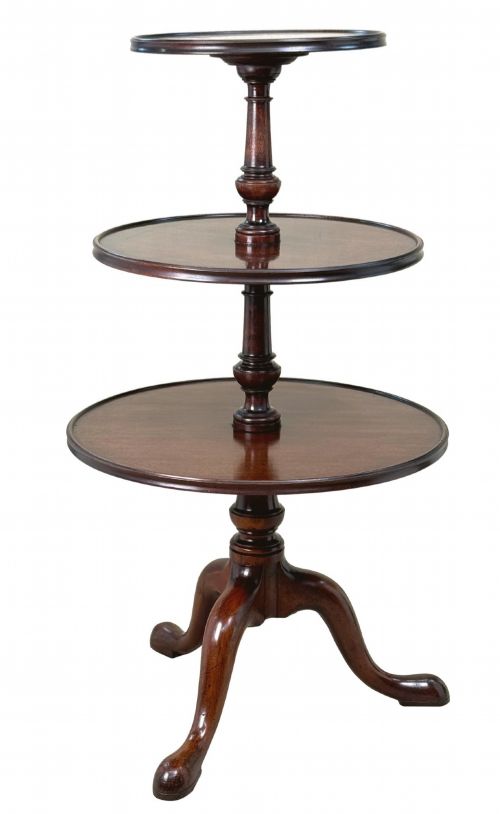
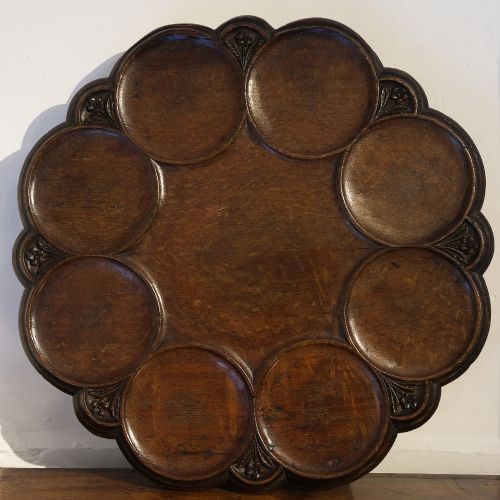
Wooden elements appear in turned serving accessories, utilising dense hardwoods like mahogany and oak to construct functional dining implements such as lazy susans and dumbwaiters.
Listings feature eighteenth and nineteenth-century periods, utilising earthenware, sterling silver, porcelain, and pewter across various serving forms.
Evaluating the Pieces
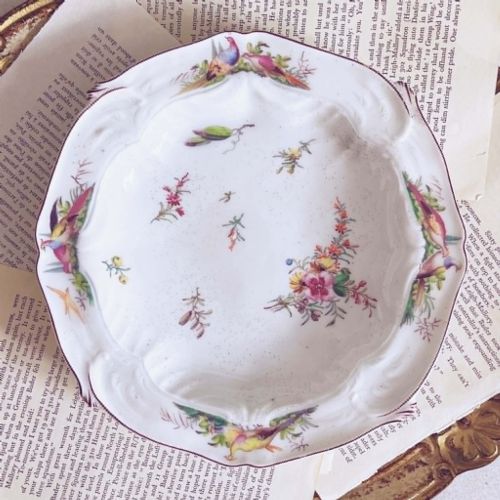
The distinction between standard domestic items and high-end pieces rests on the execution of the decoration and the prestige of the maker. Handpainted polychrome birds and floral motifs by factories such as Chelsea or Worcester command greater attention than simple transfer prints.
Material weight and complexity of form also dictate standing within the range. Heavy sterling silver pieces with complete components, such as covers and lampstands, demonstrate superior craftsmanship compared to utilitarian pewter or basic earthenware platters.
John Rogers And Son·J And R Riley·John And Richard Riley·William Bennett·Wood And Michell
The Georgian Serving Dish Glossary
- Charger
- A large ornamental or serving dish, typically measuring over thirty centimetres in diameter. These pieces were often placed beneath smaller plates or used independently for large joints of meat.
- Transfer printing
- A method of applying complex decorative patterns to pottery using an engraved copper plate and thin paper. This technique allowed factories to produce intricate blue and white scenes efficiently.
- Soft-paste porcelain
- An artificial porcelain compound composed of white clay, glass, and ground minerals. Fired at lower temperatures than hard-paste porcelain, it yields a warm, creamy texture.
- Tureen
- A deep covered vessel designed for serving soups, sauces, or vegetables at the table. These often include matching stands or ladles.
- Comport
- A raised dish or bowl used for serving fruit or sweets as part of a formal dessert service. They sit on a short pedestal or foot.
Georgian Serving Dish: Frequently Asked Questions
How were these dishes used originally?
These vessels served central roles in multi-course dining during the eighteenth and nineteenth centuries. Large platters and tureens held roasted meats, vegetables, and soups for communal dining at the table.
Smaller dishes and comports appeared later in the meal during the dessert course. They presented fruits, sweetmeats, and confectioneries to assembled guests.
Can I use silver pieces for serving food?
Sterling silver and old Sheffield plate pieces remain food-safe provided they are cleaned gently. Wash them with non-abrasive cleaners designed specifically for silver.
Avoid leaving acidic foods in contact with the metal for extended periods. Polish them lightly only when necessary to preserve the historic surface.
How do I identify the period of a piece?
Examine the base for factory marks, pattern names, and potter stamps. Stylistic cues such as blue and white transfer scenes or handpainted floral motifs often point to specific decades.
Material composition also aids dating, as creamware and soft-paste porcelain align closely with eighteenth-century production. Comparing forms with documented examples from known makers clarifies the timeline.