


Georgian Rosewood Sideboard
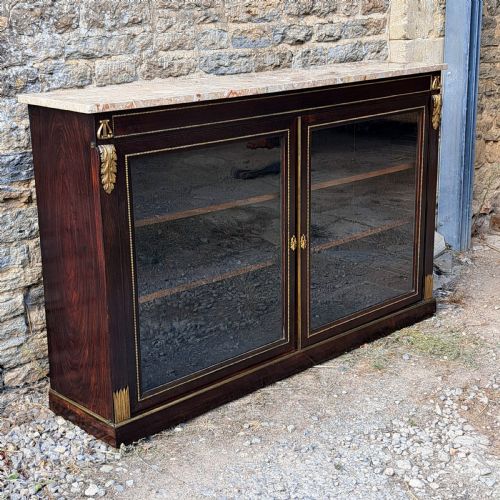
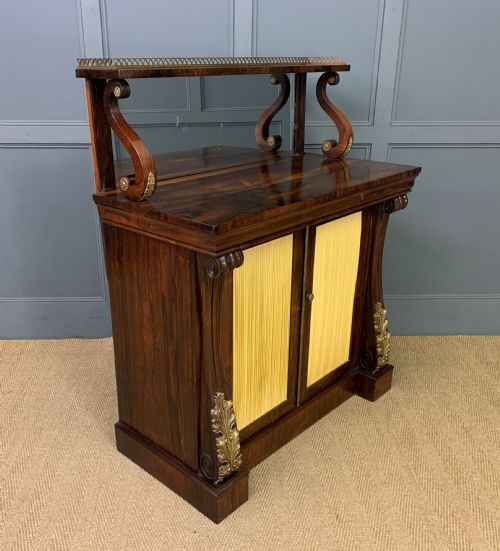
A georgian rosewood sideboard delivers striking figured timber and precise brass inlay, bringing exceptional presence to a dining room or hall.
Georgian Rosewood Sideboard
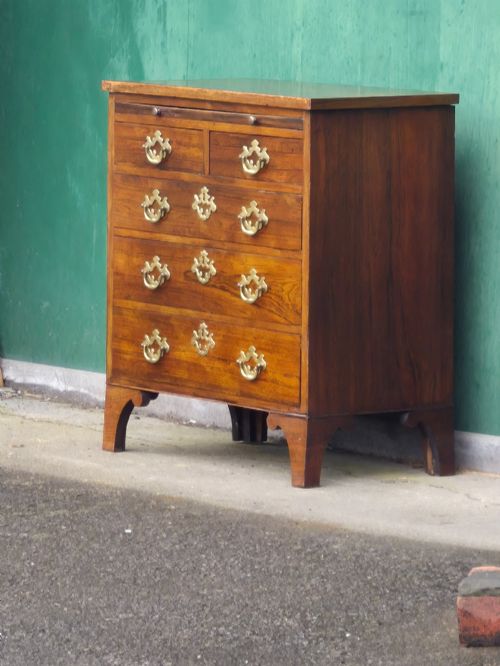
A georgian rosewood sideboard or related chiffonier appears most frequently from the Regency period, often displaying rich grain and polished surfaces. These pieces serve primarily for storage and display, integrating cabinets, shelves, and graduated tiers.
Makers and workshops produced various formats, including breakfront side cabinets and secretaire chiffoniers alongside traditional sideboards. Examples span from the early nineteenth century through later revival periods including George III and Georgian Revival interpretations.
The assortment combines genuine period execution with simulated rosewood finishes and occasional satinwood marquetry. Dimensions range from small bedside or hall chests to large breakfront bookcases and extensive sideboard credentials.
Judging quality
Quality rests in the depth of the rosewood grain and the precision of the brass inlay work across the facade. Finer examples exhibit crisp execution in brass mounts, balanced proportions, and careful timber selection.
The integration of secondary materials like mahogany linings and intact silk or glass panels distinguishes superior workshop output from simpler production. Structural integrity in doors, drawers, and tiered superstructures dictates the lasting worth of each piece.
Some nineteenth-century makers cleverly lined hidden compartments with silk, ensuring secret compartments stayed properly hushed.
Gillows
The Georgian Rosewood Sideboard Glossary
- Chiffonier
- A low cabinet featuring shelves or a superstructure above, commonly utilised for storing tableware or displaying decorative objects in dining spaces.
- Breakfront
- A piece of furniture featuring a central section that projects forward from the flanking cabinets, creating visual depth.
- Marquetry
- Decorative patterns formed by fitting together thin veneers of various coloured woods and other materials onto a structural surface.
- Simulated rosewood
- A painted or stained finish applied to a less costly wood to imitate the distinctive dark grain and figuring of genuine rosewood.
Georgian Rosewood Sideboard: Frequently Asked Questions
How do I spot simulated rosewood?
Simulated rosewood involves painting or staining an alternative timber to mimic the dark, variegated grain patterns of genuine rosewood. Examining the grain continuity and underlying wood reveals this technique.
Makers utilised this method to achieve a luxurious aesthetic while managing material availability and costs.
Where were these pieces used?
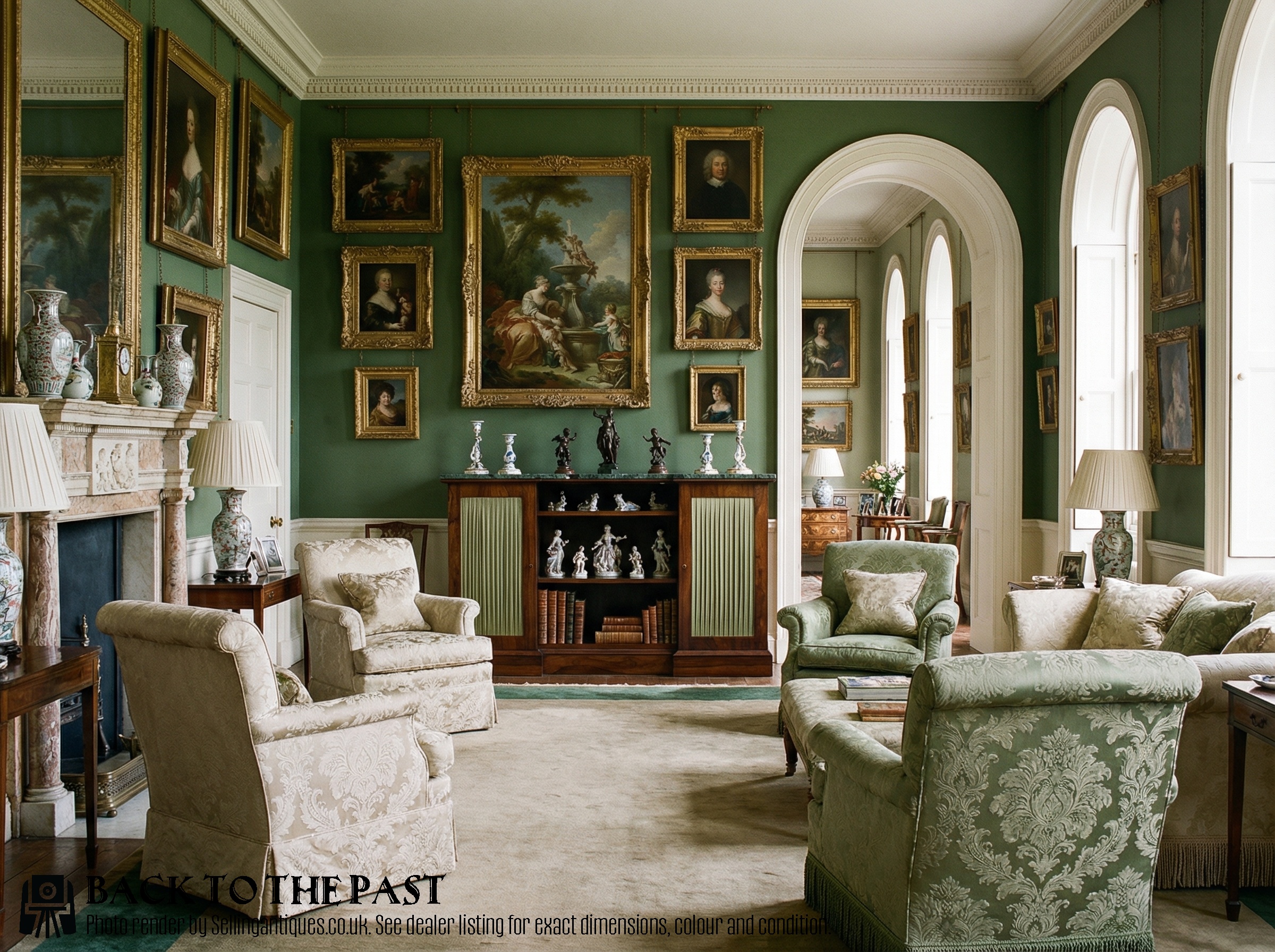
These sideboards and cabinets belonged primarily in formal dining rooms, drawing rooms, or grand hallways of Regency and nineteenth-century homes. They held dining accessories, serving platters, and display items.
Today, they function similarly in domestic interiors, providing surface space and enclosed storage in living areas.
How do I care for rosewood?
Rosewood surfaces require protection from direct sunlight and dramatic humidity shifts to prevent timber movement and veneer lifting. Regular dusting with a dry, soft cloth maintains the polished finish.
Occasional treatment with appropriate cabinet wax preserves the rich colour and grain depth without buildup.