
Dark Wood Low Cabinet
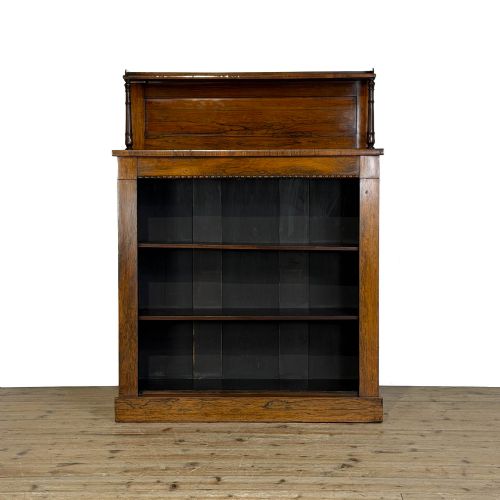
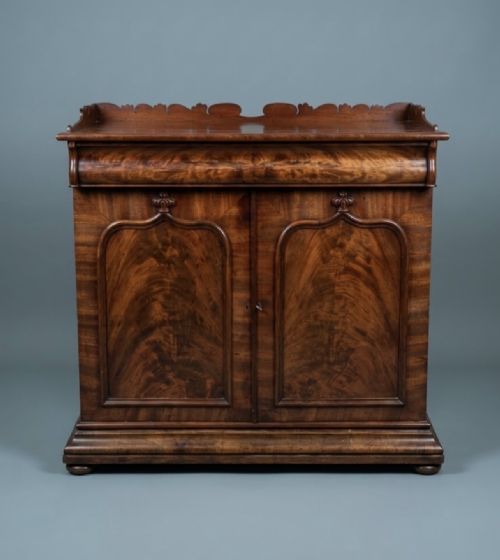
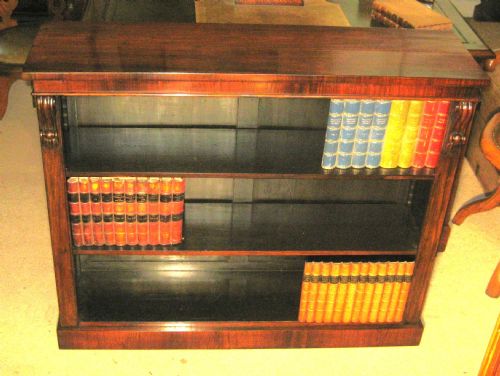
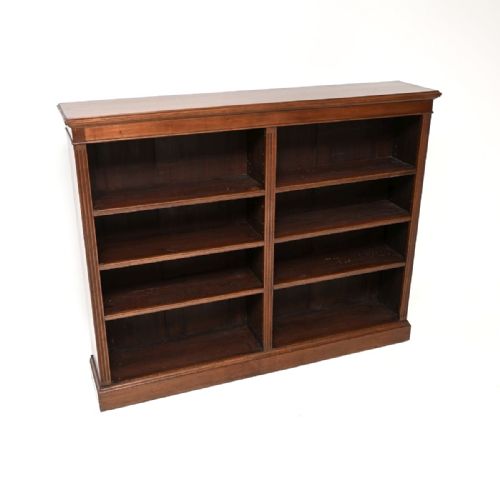
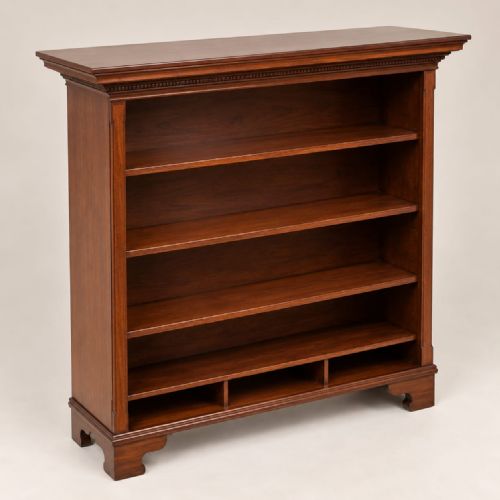
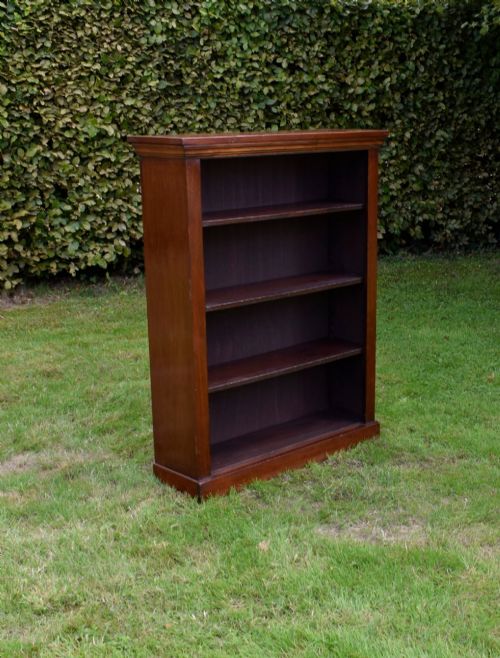
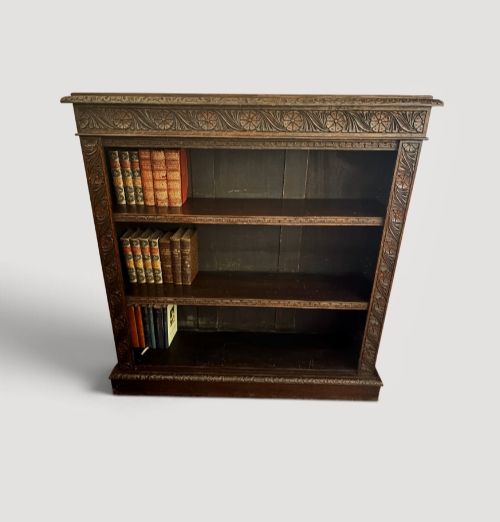
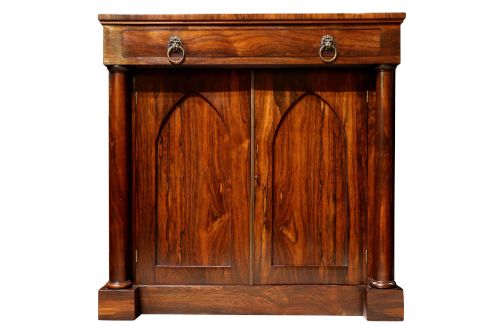
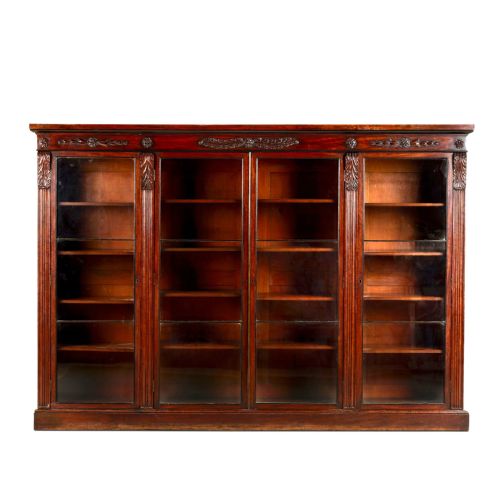
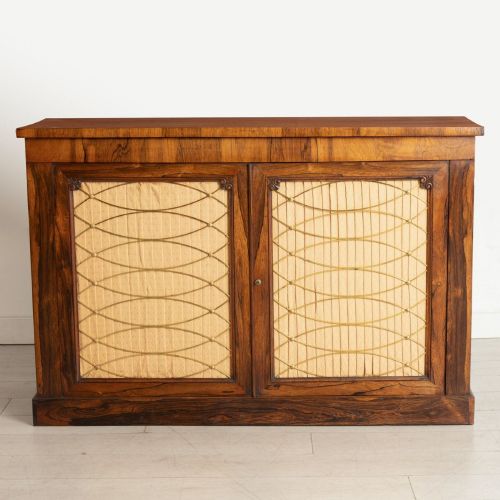
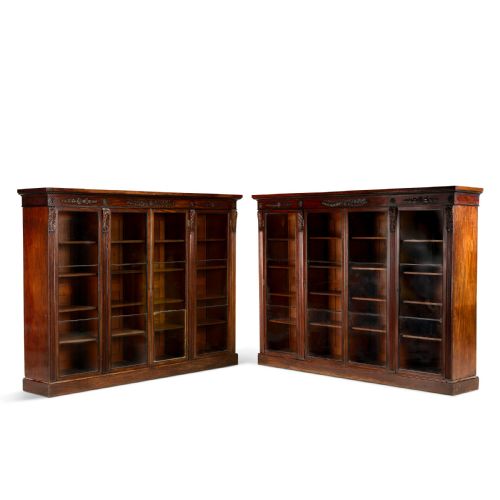
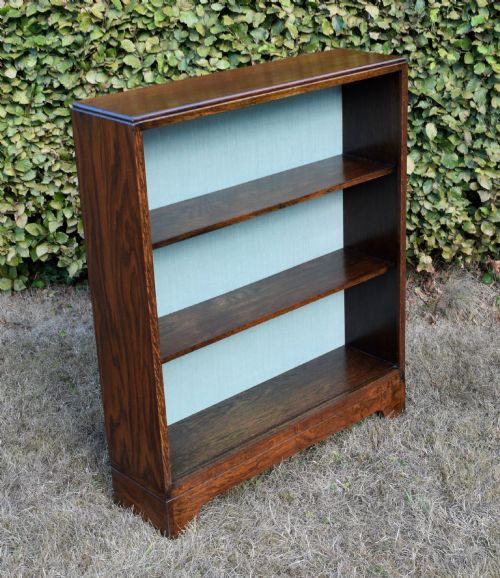
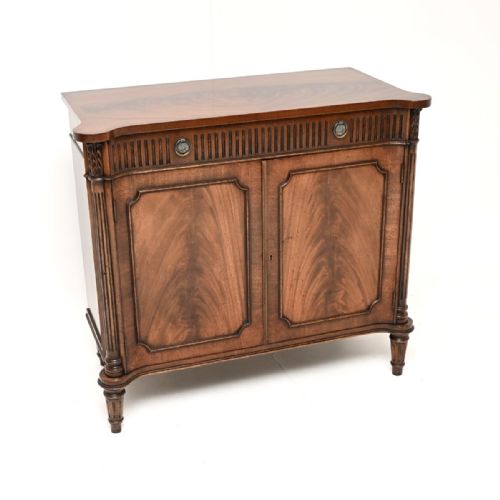
These dark wood low cabinet examples comprise low bookcases, side cabinets, and chiffoniers fashioned from rich timbers like rosewood and mahogany.
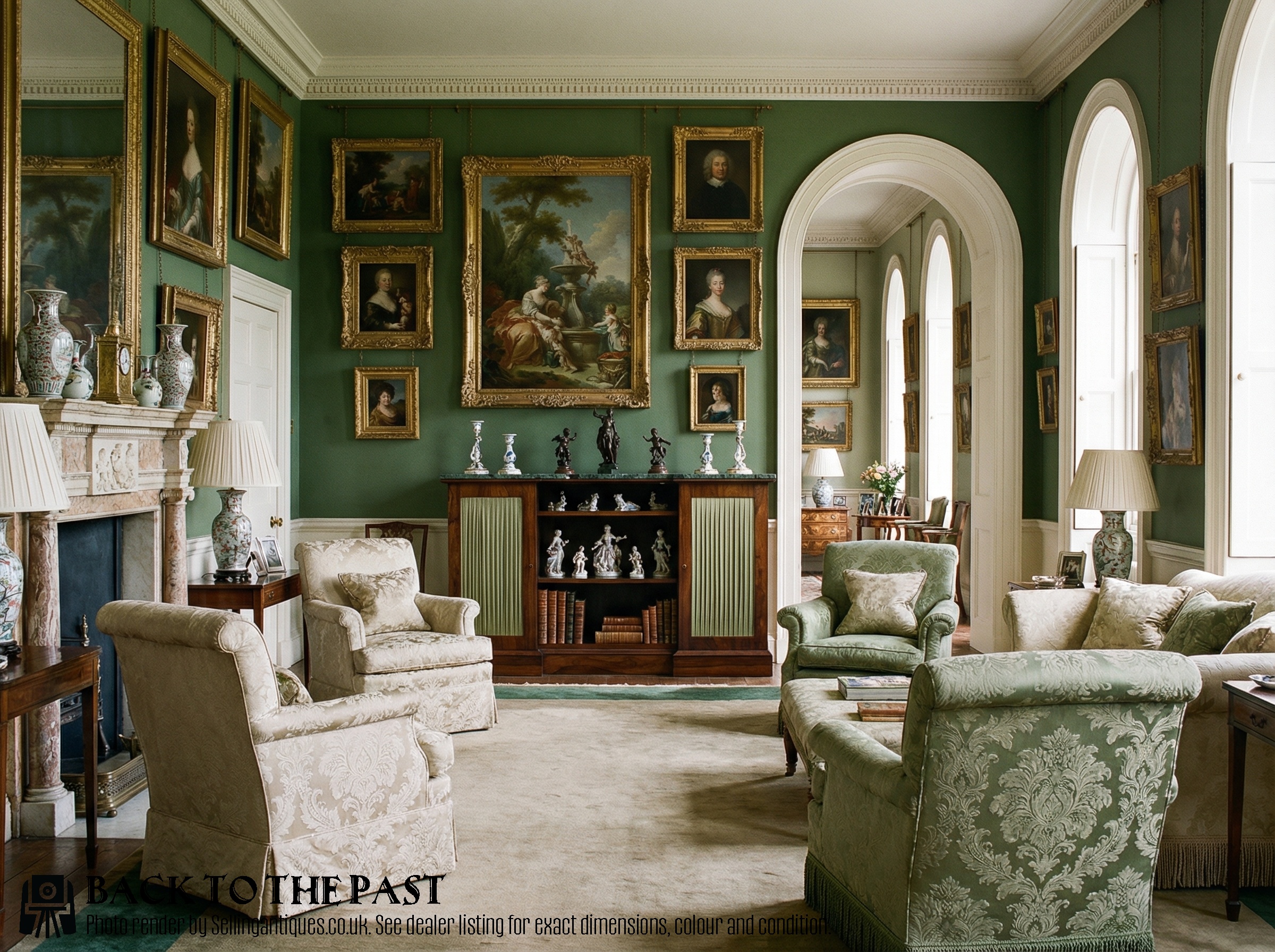
Dark Wood Low Cabinet
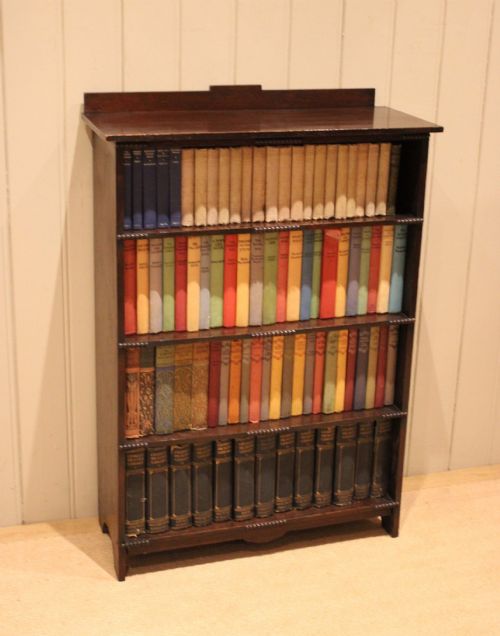
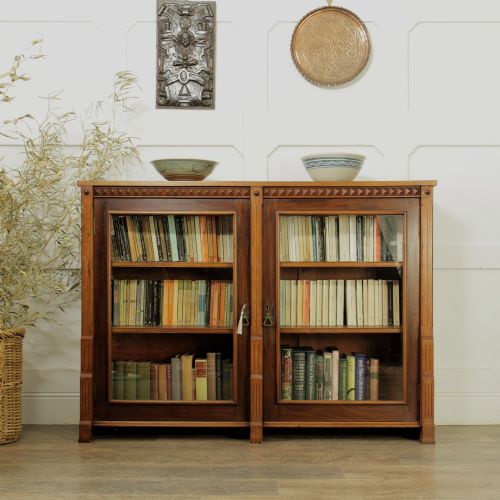
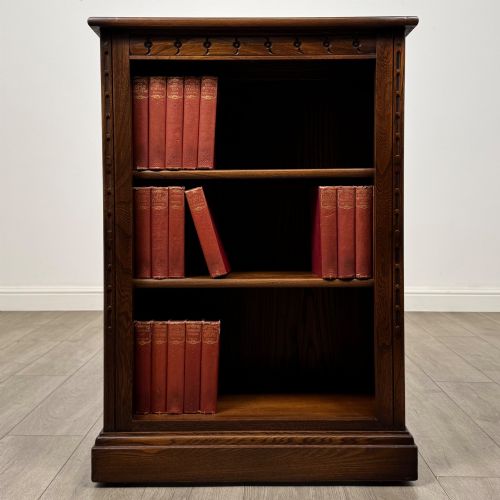
A dark wood low cabinet serves primarily as a bookcase, side cabinet, or chiffonier, keeping books and display items accessible at a lower height. Buyers searching for a dark wood low cabinet encounter forms originating across the Georgian, Regency, Victorian, and Edwardian periods.
The most common versions on this page are open bookcases and side cabinets constructed from dense, dark timbers such as mahogany and rosewood. These pieces often feature adjustable shelves, brass grille doors, or carved details suited to period interiors.
What varies in quality
The choice of primary timber and secondary framing woods dictates the structural integrity and aesthetic weight of each cabinet. Finer examples incorporate highly figured rosewood veneers, precise brass inlay, or well-executed carved details rather than plain surfaces.
Internal construction details, such as solid backboards, smoothly operating adjustable shelf mechanisms, and original brass hardware, separate standard utility pieces from workshop productions.
A solitary Green Man peers out from an early oak dresser base, watching over the room.
Gillows
The Dark Wood Low Cabinet Glossary
- Chiffonier
- A low sideboard or cabinet, typically featuring a combination of drawers, cupboards, and shelves. These pieces evolved during the Regency and Victorian periods for use in reception rooms.
- Breakfront
- A piece of furniture where the central section projects forward from the flanking sides. This architectural arrangement creates depth and visual interest on larger cabinets and bookcases.
- Goncalo Alves
- A dense exotic hardwood with striking dark brown and light golden-brown figuring, utilised for select Regency cabinets. It provides a highly decorative surface similar to rosewood.
- Grille
- A lattice of metal wire fitted into cabinet doors in place of wood panels. This allowed visibility of contents while protecting books or display items.
- Dresser base
- A long low wooden table fitted with drawers and sometimes cupboards underneath. These early pieces form the foundation of traditional kitchen and dining storage.
Dark Wood Low Cabinet: Frequently Asked Questions
What is a dark wood low cabinet used for?
These pieces provide accessible surface space and storage for books, ceramics, and household objects in living areas and hallways. Their lower height prevents them from dominating smaller rooms while still offering substantial shelf capacity.
They also serve as display furniture where decorative items can sit safely on top. Cabinets with doors conceal items out of sight, whereas open bookcases keep volumes ready for daily use.
How do I identify a Regency cabinet?
Regency pieces often display classical architectural motifs, such as brass inlay, gilt bronze mounts, and restrained linear proportions. Timbers like rosewood and mahogany dominate this era, frequently paired with brass grilles on the doors.
Cabinet makers during this period drew inspiration from classical antiquity, resulting in clean lines and balanced, symmetrical forms. Look for adjustable shelving systems and fine timber grain within the woodwork.
Are these cabinets suitable for modern homes?
The compact height of these cabinets makes them versatile for placement beneath windows or against living room walls without obstructing views. Their dark wood tones anchor contemporary neutral colour schemes with natural texture and historical depth.
Open bookcases hold modern editions alongside older volumes, and side cabinets provide concealed storage for electronics or tableware. Their traditional proportions fit easily into modern architectural layouts.
What materials are typical for Victorian bookcases?
Victorian examples frequently utilise dark mahogany, burr walnut, and rosewood, reflecting a preference for heavily figured woods. Carved oak also appears in pieces influenced by Gothic revival styles.
Glass doors, beaded edges, and carved bracket feet are common characteristics of the period. The construction is solid and heavy, designed to support extensive libraries.