


Georgian Rectangular Side Table
A georgian rectangular side table is a timber surface built for practical use, offering solid proportion and honest craft.
Georgian Rectangular Side Table
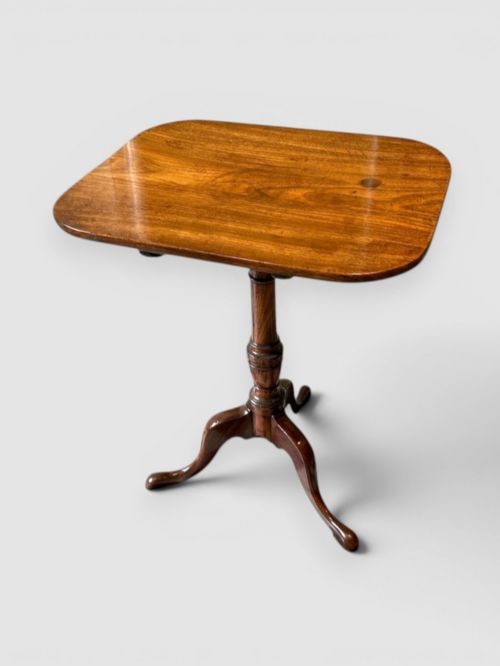
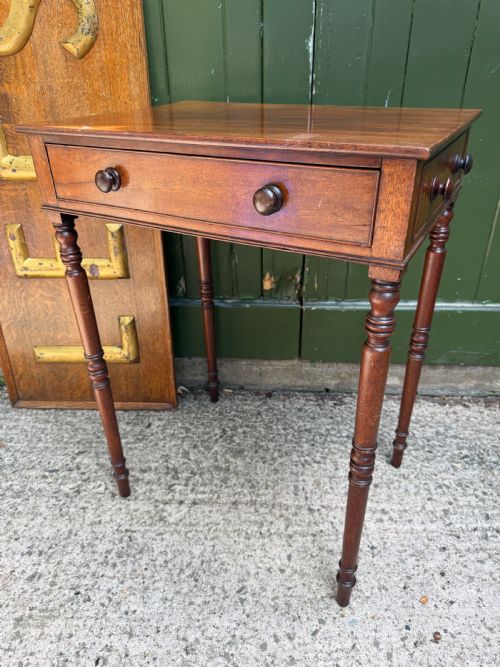
When you search for a georgian rectangular side table, you encounter practical surfaces built during the eighteenth and early nineteenth centuries. These items served various domestic needs, functioning as lamp stands, wine tables, writing desks, and serving consoles.
The pieces appearing on this page span the Georgian, Regency, and William IV eras, along with the Chippendale and Sheraton Revival styles. Mahogany forms the predominant material, though examples in oak, yew, rosewood, and satinwood also appear.
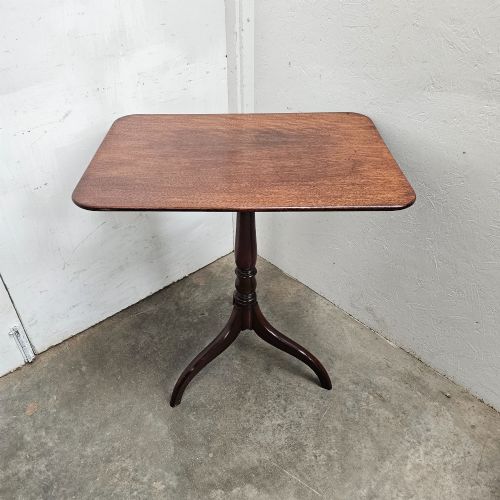
Forms range from simple tripod wine tables with tilting tops to larger drop-leaf, card, and centre tables. Freestanding occasional tables and pier tables represent the typical shapes found within this selection.
How They Were Made
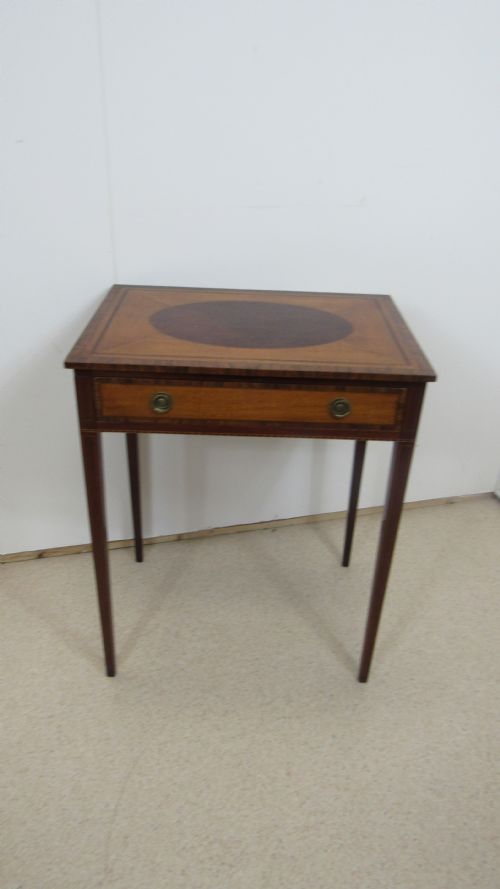
Cabinet makers utilised dense timbers such as mahogany, oak, and rosewood, often pairing them with contrasting woods like satinwood and inlaid details. Solid construction methods allowed these rectangular tops to endure daily domestic service.
Mechanisms varied according to the function of the table, incorporating tilt-top actions, bird-cage supports, and single drawers. Joinery relied on traditional techniques that maintained structural stability across centuries of use.
Listings feature mahogany, oak, yew, rosewood, and satinwood timbers across the Georgian, Regency, and William IV periods.
What Varies in Quality
Distinctions in quality rest upon the selection of timber and the precision of the joinery rather than ornamentation alone. Superior examples display thoughtful figure in the mahogany or rosewood, matched with balanced proportions and stable mechanisms.
The refinement of carved details, such as those seen in Chippendale period pieces, separates standard utility tables from finer works. Original hardware and sound timber preparation dictate the enduring character of each piece.
The Georgian Rectangular Side Table Glossary
- Tripod table
- A small freestanding table supported by a central pillar above three legs. This form allowed easy movement around a room.
- Tilt-top mechanism
- A hinged sub-top that enables the rectangular surface to fold vertically when not in use. This design saved floor space in period parlours.
- Pier table
- A table designed to stand flat against a wall, frequently placed between windows beneath a mirror. These pieces often served decorative and serving roles.
- Bird-cage support
- A rotating wooden cage construction beneath a tilt-top table that allows the top to revolve and tilt. It represents a refined piece of cabinet making.
- Crossbanding
- A border of veneer laid around the edge of a rectangular table top with the grain running perpendicular to the centre. This technique framed the primary timber.
Georgian Rectangular Side Table: Frequently Asked Questions
What is a georgian rectangular side table used for?
These tables served multiple domestic purposes in period homes, functioning as surfaces for lamps, wine glasses, writing, and card games. Their modest footprint allowed them to sit beside seating or against walls.
Today, they adapt readily to modern interiors as lamp stands, bedside surfaces, or compact writing desks. Their solid timber construction ensures they remain functional for daily use.
How do I tell an 18th century table from a 19th century one?
Distinguishing between periods relies on observing timber characteristics, construction methods, and stylistic cues. Eighteenth-century pieces often display heavier mahogany and traditional hand-cut joinery.
Nineteenth-century examples, including Regency and William IV pieces, may incorporate rosewood, satinwood inlay, or machine-assisted elements. Reviewing the specific era noted in the listing provides a reliable guide to the age.
Can I use a tilt top table daily?
Tilt-top tables handle regular daily use quite well, provided the mechanism and catch remain in sound condition. They offer the practical benefit of folding flat when space is needed.
Care should be taken when operating the pivot or bird-cage support to protect the original wood. Placing them away from direct heat sources preserves the timber and the finish.
What is the difference between a side table and a centre table?
Side tables and pier tables are designed to sit flush against a wall, featuring finished fronts and simpler backs. They maximise floor space in narrow rooms or hallways.
Centre tables are built to stand freely in the middle of a room, finished with detail on all four sides. They were historically placed in the centre of parlours or libraries for general use.