



Georgian Porcelain Serving Plate
These georgian porcelain serving plate examples bring hand-painted botanicals, transfer-printed scenes, and gilded borders directly to the table.
Georgian Porcelain Serving Plate
A georgian porcelain serving plate comprises serving dishes, decorative chargers, and dessert dishes created during the eighteenth and nineteenth centuries. The pieces on this page span from the mid-eighteenth century through the Regency era and into early Victorian periods, capturing shifts in British ceramic output.
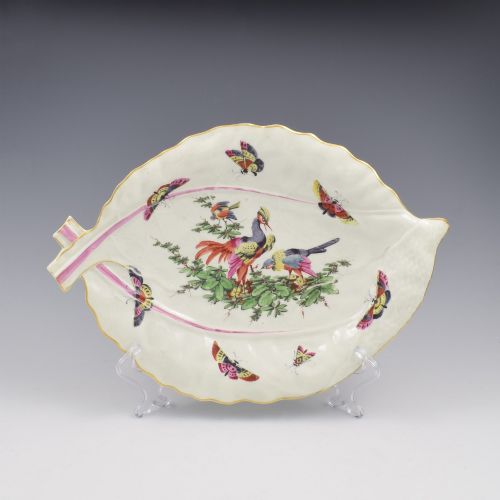
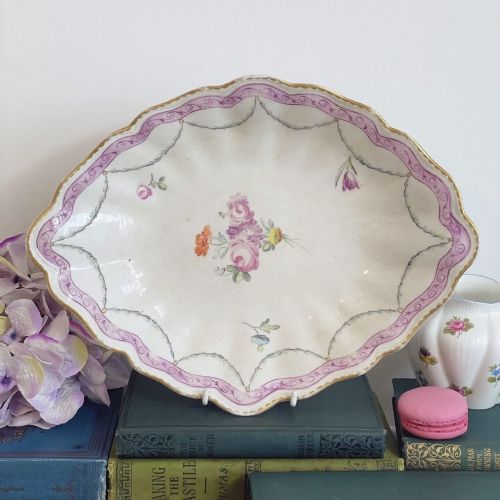
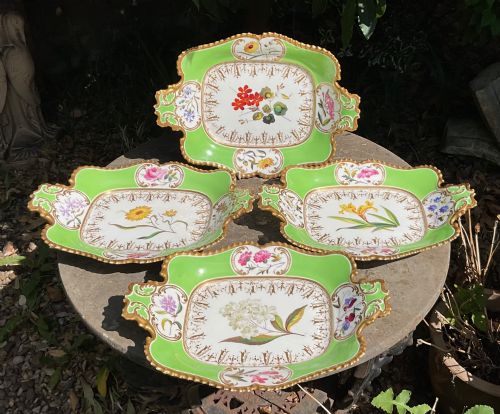
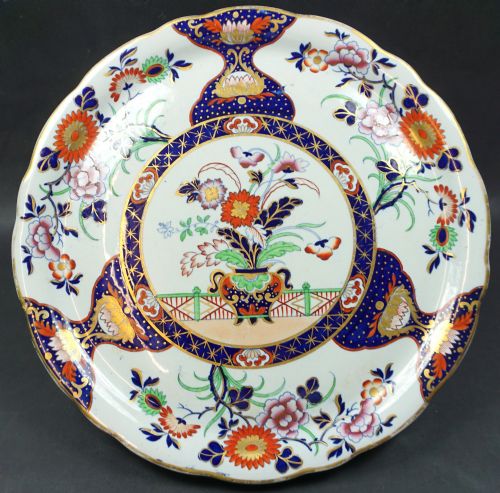
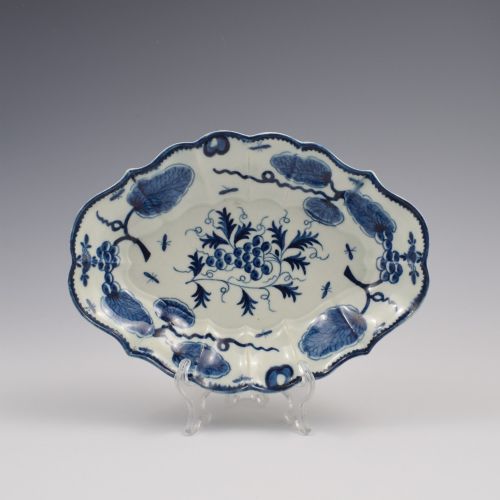
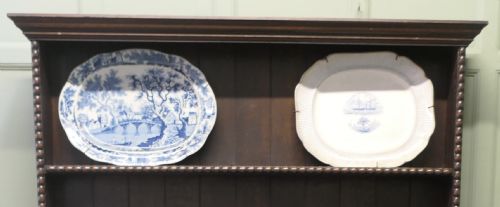
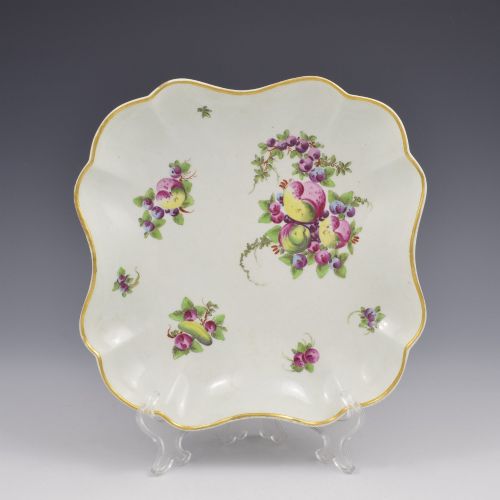
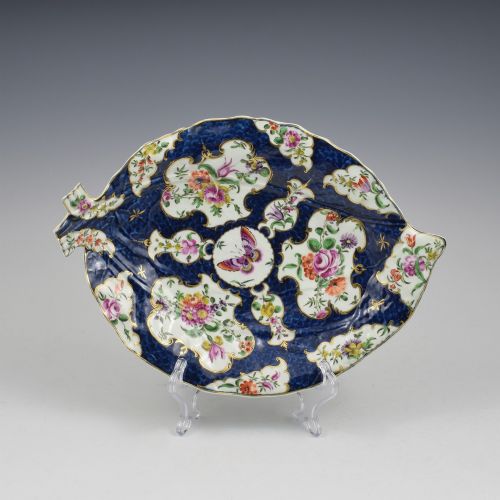
Buyers will encounter square lobed dessert dishes, botanical service plates, and leaf-shaped dishes decorated with hand-painted polychrome flowers or blue and white patterns. Many carry the signatures of notable factories such as Worcester, Derby, and Coalport.
Serving plates from this era function both as functional tableware and decorative display items. The forms vary from straightforward earthenware plates to complex porcelain supper sets equipped with lazy susans.
Materials and production methods
Manufacturers utilised soft-paste porcelain, earthenware, and ironstone to form the body of each georgian porcelain serving plate. Potters shaped these materials into lobed, oval, and square forms before firing.
Decoration relied on hand-painted polychrome enamels, underglaze blue, and applied gold leaf gilding. Artisans applied botanical studies, bird motifs, and Kakiemon-inspired designs directly onto the glaze surface.
Listings feature periods spanning the 18th century, Regency era, and Victorian period, utilising materials such as soft-paste porcelain, ironstone, and gold leaf.
Assessing quality in a georgian porcelain serving plate
Quality rests upon the precision of the hand-painted brushwork and the complexity of the ceramic body. Pieces featuring intricate botanical illustrations or scale blue grounds reflect higher artisanal skill than standard transferware.
The crispness of the porcelain paste and the preservation of the gilding determine the grade of the item. Early soft-paste bodies and intact enamel colours separate standard utilitarian items from fine cabinet pieces.
Chamberlains Worcester·Hicks & Meigh·Rockingham Pottery·Coalport Porcelain·Derby Porcelain·Mason·Barr Flight and Barr·Bloor Derby·Bow
The Georgian Porcelain Serving Plate Glossary
- Soft-paste porcelain
- An artificial ceramic composition fired at lower temperatures than hard-paste porcelain, creating a creamy body ideal for early English factory wares.
- Kakiemon
- A Japanese enamel style featuring asymmetric floral and bird motifs, widely copied by eighteenth-century English factories such as Bow and Worcester.
- Ironstone
- A durable patented type of earthenware developed in the nineteenth century to rival true porcelain in strength and utility.
- Lobed
- A shaped edge divided into rounded segments or lobes, frequently seen on dessert and leaf dishes.
- Gilding
- The application of gold leaf or gold paint to highlight rims, handles, and decorative borders.
Georgian Porcelain Serving Plate: Frequently Asked Questions
How do I date a georgian porcelain serving plate?
Dating relies upon factory marks, paste composition, and decorative styles. Eighteenth-century pieces often feature blue square or crescent marks, while Regency examples incorporate ironstone bodies or printed factory stamps.
Examination of the glaze and wear patterns also helps isolate the manufacturing decade between the mid-eighteenth and early nineteenth centuries.
Were these plates used for daily dining?
Most surviving porcelain and ironstone dishes were reserved for dessert courses, formal service, or display within wealthy households. Everyday dining relied on sturdier salt-glazed stoneware or plain earthenware.
Serving plates formed part of larger ceramic services intended to impress guests during formal evening meals.
What is the difference between porcelain and ironstone?
Porcelain is a vitrified ceramic material made from china clay and petuntse, offering a translucent body and smooth glaze. Ironstone is a dense, heavy earthenware patented to withstand rigorous daily use.
Both materials appear across the listings, with ironstone providing greater durability for nineteenth-century dining.
How should I care for antique serving plates?
Hand washing in lukewarm water with mild soap preserves the delicate enamel paints and gold leaf gilding. Dishwashers and harsh abrasives damage the historic glaze and accelerate wear.
Storing plates in padded racks or using felt dividers prevents rim chips and surface scratching.